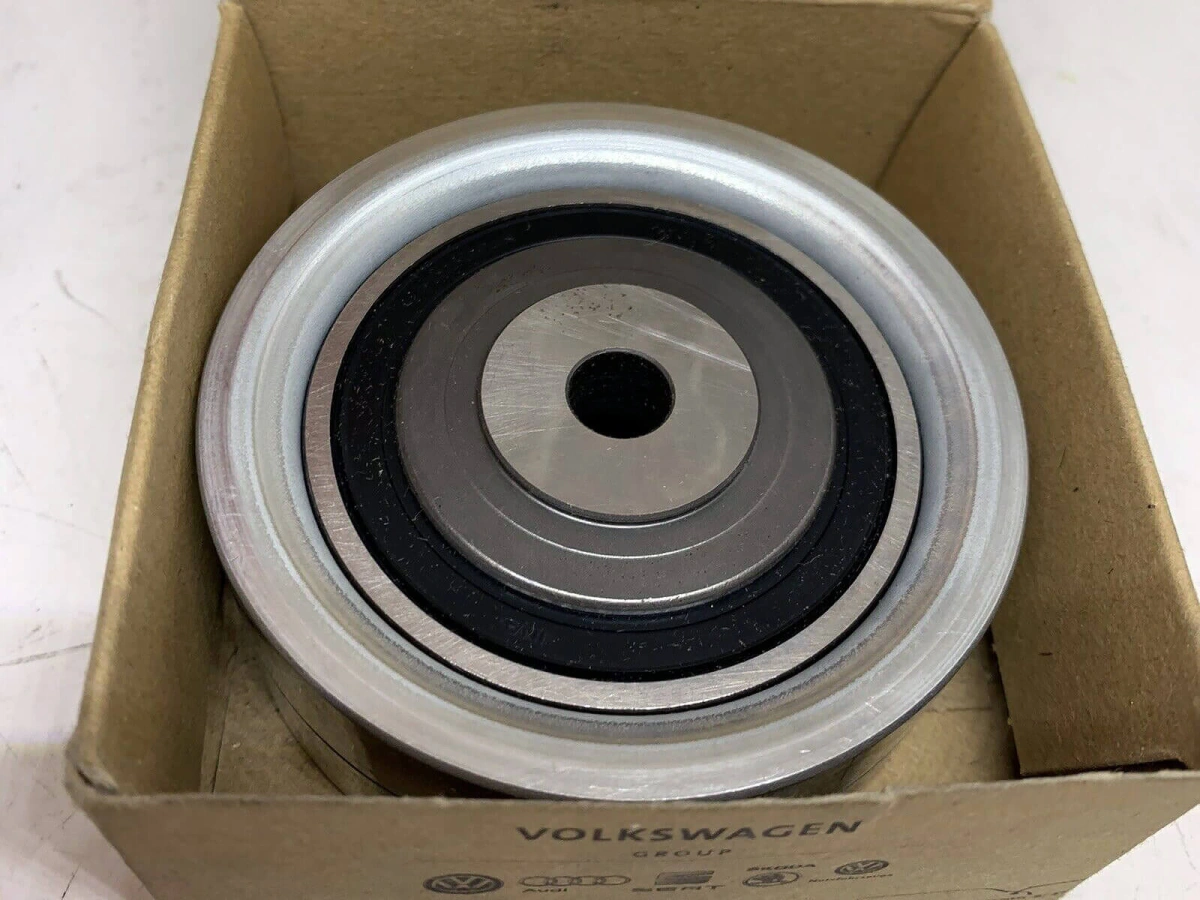
It was a cold December morning last year, the kind where your breath hangs in the air inside the shop bay. A young guy pulls in with his 2012 Ford F-150, complaining of this god-awful squealing noise that starts the second he turns the key. He’s got the heat cranked because it’s freezing out, and the noise gets even louder when he flips on the defroster. I pop the hood, and right away I hear that classic high-pitched whine coming from the drive belt idler pulley. The bearing was shot—wobbling like a bad shopping cart wheel. I’ve seen this hundreds of times over my 18 years turning wrenches. That customer drove away happy after a quick swap, and he saved a bundle doing part of it himself. If you’re hearing idler pulley noise or dealing with bad idler pulley symptoms, you’re in the right place. I’ll walk you through everything I’ve learned in the shop about idler pulley replacement.
What Is an Idler Pulley and Why Does It Matter?
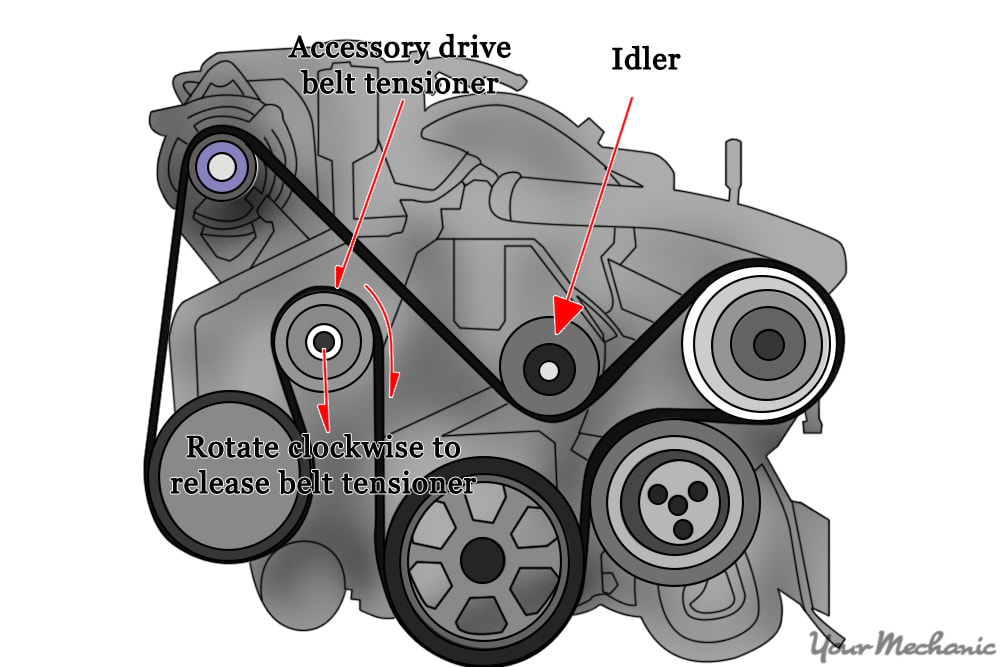
The drive belt idler pulley (sometimes called a serpentine belt idler pulley) is that smooth or grooved wheel bolted to the engine that guides the serpentine belt around the accessories. It’s not the tensioner—the tensioner has a spring-loaded arm that actually keeps the belt tight. The idler is fixed in place and just routes the belt properly while adding a bit of wrap for better grip.
Most modern engines have one or two idlers. When the bearing inside goes bad, you’ll get noise, belt slip, or even accessory failure like a dead alternator or overheating. I’ve pulled apart engines where a seized idler shredded the belt and left folks stranded.

Bad Idler Pulley Symptoms: How to Spot Trouble Early
I’ve diagnosed thousands of belt noises, and nine times out of ten, that squeal or chirp is a pulley. Here are the telltale signs I’ve seen over and over:
- High-pitched squealing or chirping: Worst on cold starts or when you turn on accessories like AC. It’s the bearing grinding away.
- Whining that changes with engine RPM: Rev the motor in park—if the noise speeds up or slows down with RPM, it’s almost always a pulley or the belt itself.
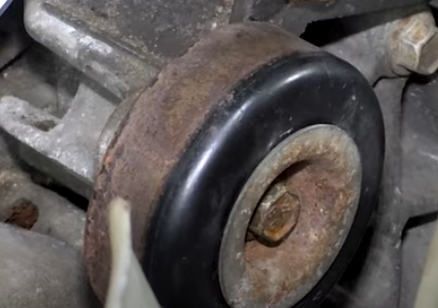
- Wobbling or loose pulley: With the engine off, spin the idler by hand. It should turn smoothly with no play side-to-side.
- Belt wear or glazing: Check the belt ribs for cracks or shiny spots. A bad idler misaligns things and chews up the belt fast.
- Accessory issues: Dim lights, weak power steering, or overheating can happen if the belt starts slipping.
Troubleshooting: Is It Really the Idler Pulley?
Before you start throwing parts at it, diagnose properly. Here’s my shop method:
- Start the engine and listen. Use a stethoscope (or long screwdriver to your ear) on each pulley.
- Remove the belt (release tensioner) and spin each pulley by hand. The bad one will feel rough, gritty, or wobbly.
- If the noise goes away with the belt off, it’s definitely a pulley, belt, or tensioner.
- Check alignment—misaligned pulleys cause chirps too. See our guide on belt noise diagnosis.
If the tensioner is bouncing excessively, check out belt tensioner replacement. Often, I replace both the idler and tensioner at the same time.
Tools & Materials List
Must-Have Tools:
- 3/8″ or 1/2″ drive ratchet or breaker bar (for tensioner)
- Socket set (common sizes: 13mm, 15mm, 16mm, 18mm—check your vehicle)
- Torque wrench (for proper bolt specs)
- Serpentine belt tool kit (nice for tight spots, ~$30 on Amazon)
Nice to Have:
- Flashlight or shop light
- Gloves and safety glasses
- Belt routing diagram (snap a phone pic before removal)
Materials:
- New idler pulley (Gates or Dayco recommended, $40–$80)
- New serpentine belt if old one is cracked (Gates or Continental, $30–$60)
Everything is available at AutoZone, O’Reilly, or Amazon with Prime shipping.

Safety Warnings
Step-by-Step Idler Pulley Replacement Guide
This is a general guide—your vehicle may vary slightly. Always check your owner’s manual or a repair database for exact routing and torque specs. Time estimate: 30–60 minutes for most vehicles.

Parts Choices: OEM vs Aftermarket
I’ve used everything from dealership parts to budget brands. Here’s the straight talk:
- Gates: My go-to. Excellent bearings, quiet, last 100k+ miles.
- Dayco: Often OEM supplier, solid quality for the price.
- ACDelco or Motorcraft: Great if you want factory match.
- Avoid no-name cheapies—the bearings fail quick and you’ll do the job twice.
Cost Analysis
| Item | DIY Cost | Shop Cost |
|---|---|---|
| Idler Pulley (Gates/Dayco) | $40–$80 | Included |
| Serpentine Belt (recommended) | $30–$60 | Included |
| Tools (if needed) | $0–$50 | N/A |
| Labor | Free | $100–$200 |
| Total | $70–$190 | $150–$300 |
Shops charge 0.5–1 hour labor. If they push multiple pulleys or tensioner, bill can hit $400+. DIY saves big, especially if you bundle with belt tensioner replacement, serpentine belt replacement, belt noise diagnosis.
FAQ
How much does idler pulley replacement cost at a shop?
Expect $150–$300 nationwide. Parts $50–$100, labor the rest. Multiple pulleys push it higher.
Can I drive with a bad idler pulley?
Short distances maybe, but risk belt failure and stranding. I’ve towed plenty who waited too long.
Is the idler pulley the same as the tensioner pulley?
No. Idler is fixed; tensioner moves and springs to keep belt tight.
How long does an idler pulley last?
Quality ones go 100,000+ miles. Cheap or dusty conditions shorten that.
Should I replace the belt when doing the pulley?
Absolutely. Belt’s already off, and old/cracked belts fail soon anyway.
What causes idler pulley failure?
Bearing wear from age/miles, contamination, or belt misalignment.
Will a bad idler pulley cause overheating?
Yes, if belt slips and water pump slows.
Final Thoughts from the Shop
Idler pulley replacement is one of those moderate jobs that pays huge dividends. Catch it early, swap it yourself, and you’ll pocket $200 while gaining confidence under the hood. I’ve watched first-time DIYers knock this out in their driveway with basic tools and feel like pros afterward. Total cost usually lands under $150 DIY, versus double that at a shop. Just take your time with the belt routing—get it wrong and you’ll be back under the hood sooner than you want. Stay safe, torque properly, and enjoy that quiet, smooth-running engine.