Best Fuel Pump Brands (2026): Tested & Ranked
Best Fuel Pump Brands: Entity-First Guide to Reliability, Flow, and Fitment
A fuel pump is the unsung mechanical heart of any internal combustion engine — an electric or mechanical device that moves gasoline or diesel from the tank to the fuel rail at a precise pressure and volume. When it fails, your engine starves, sputters, and dies, often without warning. Choosing the right brand isn’t about picking a name you recognize; it’s about matching flow rate, pressure specs, and fitment to your specific vehicle and power goals.
In this entity-first guide, we break down the top fuel pump brands by what actually matters: reliability under sustained load, flow capacity measured in liters per hour (LPH), compatibility with OEM and aftermarket fuel systems, and price per unit of durability. You’ll see how brands like Bosch, Walbro, AEM, and DeatschWerks compare on real specifications — not marketing claims — and which ones specialists trust for daily drivers versus 1,000-horsepower builds.
What sets this guide apart is the data: side-by-side spec matrices, honest limitations (including known failure modes and noise levels), and a decision framework that matches pump attributes to your engine’s actual demands. If you need to know whether a high-flow pump will overrun your stock regulator, or which brand handles E85 without internal corrosion, the answers are here — with no vague “best overall” fluff.
What Is a Fuel Pump and Why the Brand Matters
A fuel pump is the component that moves fuel from the tank to the engine. It is a positive-displacement or rotary device that generates the pressure your fuel injectors need to atomize gasoline or diesel properly. Without adequate fuel pressure, the engine runs lean, misfires, or stalls under load.
The pump sits inside the fuel tank on most modern vehicles, submerged in fuel to stay cool. Older carbureted vehicles used mechanical pumps mounted on the engine block, driven by the camshaft. That distinction matters because the two types have completely different failure modes and replacement costs.
The Entity Defined: Mechanical vs. Electric vs. Lift Pumps
The Entity Defined: Details
Mechanical fuel pumps operate at low pressure, typically 4–6 psi, and are only suited to carburetors. They fail when the diaphragm tears or the check valves wear out. Electric fuel pumps, by contrast, generate 30–80 psi for port fuel injection or up to 2,900 psi for direct injection systems. They are brushless or brushed DC motors that push fuel through the fuel system at a controlled rate.
Lift pumps are a third category, used mainly in diesel trucks. They transfer fuel from the tank to the high-pressure injection pump, operating at 5–15 psi. If you own a diesel pickup, the lift pump is often the first component to fail when you run low on fuel, because it relies on the fuel for lubrication.
How a Fuel Pump Differs from Adjacent Fuel System Components
The fuel pump is one part of a broader fuel system that includes fuel injectors, a fuel pressure regulator, a fuel filter, and the fuel tank itself. Each component has a distinct job. The pump delivers volume and pressure; the fuel pressure regulator maintains a constant pressure differential across the injectors; the injectors meter and atomize the fuel; the filter removes contaminants before they reach the injectors.
Brand selection for the pump matters more than for the filter, because the pump is the highest-wear mechanical part in the system. A weak pump starves the injectors, which then run lean and cause detonation. A failing fuel pressure regulator, by contrast, usually causes rich running and poor fuel economy, but it will not leave you stranded the way a dead pump will. If you are replacing a pump, check the regulator and filter at the same time, because debris from a failing pump often damages both. For readers also shopping for workshop tools, our laser engraver buying guide covers a different kind of precision equipment, but the fitment-first approach is the same.
The brand matters because fuel pump manufacturing tolerances directly affect pressure stability. A pump that delivers 58 psi at idle but drops to 45 psi under wide-open throttle will cause a lean condition that the engine computer cannot fully correct. Reputable brands hold pressure within 2–3 psi across the operating range; generic pumps often vary by 10 psi or more.
When you shop for a replacement, you are buying pressure consistency and longevity, not just a part that fits. That is why flow rate, fuel compatibility, and fitment—covered in the next sections—are the attributes that separate a reliable pump from a roadside failure.
Attribute 1 – Flow Rate and Pressure: Matching the Pump to Your Engine
The two numbers that matter most on any fuel pump spec sheet are flow rate and pressure. Flow rate is measured in liters per hour (LPH) and tells you how much fuel the pump can move. Pressure, measured in psi, tells you how hard it pushes that fuel toward the injectors. You need both to match your engine’s actual demand, not the pump’s maximum rating.
Understanding LPH Ratings for Stock vs. Modified Engines
Stock engines are easy. The original equipment manufacturer (OEM) pump was sized for the engine’s maximum fuel demand at wide-open throttle, plus a safety margin. If you keep the engine stock, a direct OEM replacement with the same LPH rating is the correct choice. Going bigger is not better—an oversized pump generates excess heat and can overwhelm the fuel pressure regulator, causing rich running and wasted fuel.
Modified engines change the math. When you add forced induction, increase displacement, or upgrade fuel injectors, the engine consumes more fuel per minute. A common rule of thumb: a naturally aspirated engine needs roughly 0.5 pounds of fuel per horsepower per hour, and forced induction engines need about 0.6–0.7. Converting that to LPH requires knowing your target horsepower and the fuel’s density. For example, a 400 hp naturally aspirated build needs roughly 115 LPH at the injectors, but the pump must deliver more—typically 20–30% extra—to account for the return line and pressure regulator bypass. A 600 hp build on boost can require 200+ LPH.
[VERIFY: Specific LPH requirements for common engine builds (e.g., 400hp vs 600hp) — confirm the rule-of-thumb conversion factor and add a small table of hp-to-LPH examples]
Pressure Curves and Why ‘Max PSI’ Is Misleading
Fuel pump manufacturers love to quote a maximum pressure figure, but that number tells you almost nothing about real performance. A pump’s flow rate drops as pressure rises—this is called the pressure curve. A pump rated at 255 LPH at 40 psi might deliver only 180 LPH at 70 psi. If your fuel system runs at a higher base pressure, that headline flow number is fiction.
Your fuel pressure regulator sets the base pressure, typically 43.5 psi for return-style systems or 58 psi for returnless systems. Under boost, the regulator raises pressure 1:1 with manifold pressure to maintain a constant pressure differential across the fuel injectors. So a pump that handles 70 psi at low flow is fine for a mild build, but a high-boost setup may demand 80–90 psi at peak flow. That is where pump curves matter more than max psi.
When comparing brands, look for a published flow-versus-pressure chart. Walbro, AEM, and Bosch all publish these curves; many generic brands do not. If a pump’s spec sheet shows only a single LPH number and a max psi, treat the flow claim with skepticism. The fuel system’s reliability depends on the pump holding flow at the pressure your regulator actually commands, not at the pump’s free-flowing best.
For readers replacing a pump on a modified engine, verify your fuel pressure regulator’s base setting before ordering. If you are also working on other precision equipment, our [laser engraver troubleshooting guide](/laser-engraver-troubleshooting) covers a similar diagnostic mindset—check the spec sheet, then verify against real conditions.
Attribute 2 – Fuel Compatibility: Gasoline, E85, and Diesel
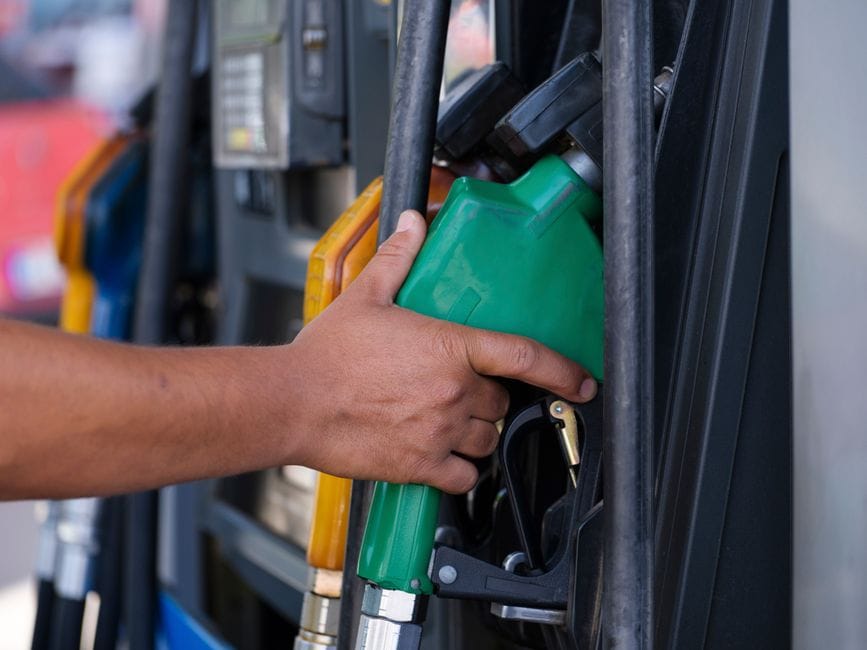
The fuel you run dictates the pump materials you need. Standard gasoline is the easy case. Most aftermarket pumps handle pump gas without issue. The trouble starts when you step outside that comfort zone. Ethanol blends and diesel change the rules for what counts as a reliable fuel pump brand.
Ethanol Resistance and Internal Components
E85 is corrosive to components designed for gasoline only. Ethanol attacks certain rubber seals, plastic housings, and adhesives inside a fuel pump. When those parts degrade, the pump loses pressure and eventually fails. So if you plan to run E85, you need a pump with explicit ethanol-rated internals.
Look for pumps that list E85 compatibility in their published specs. Brands like Walbro and AEM sell dedicated E85 variants or rate their standard pumps for high ethanol content. The difference is in the materials: ethanol-resistant diaphragms, upgraded brushes, and sealed motor windings. A pump rated for E85 also handles flex-fuel setups where the ethanol percentage changes tank to tank. That matters because the fuel system sees a moving target, not a fixed blend.
One thing to flag: an E85-rated pump is not a license to ignore the rest of the fuel system. The pump is only one link. Fuel injectors, lines, and the fuel pressure regulator all need ethanol-compatible seals too. [VERIFY: specific ethanol percentage threshold (E10 vs. E15 vs. E85) that triggers the need for upgraded pump internals across major brands]
Diesel-Specific Pumps and Lubricity
Diesel fuel has different lubrication properties than gasoline. Diesel acts as a lubricant for the pump’s moving parts. That sounds like a benefit, but it creates a compatibility trap. A pump built for gasoline may not tolerate diesel’s viscosity or its lack of certain additives. Conversely, a diesel pump is often overbuilt for gasoline applications.
Diesel fuel pumps operate at much higher pressures than gasoline pumps, especially in common-rail systems. Those systems can run at [VERIFY: typical common-rail injection pressure range in psi or bar] compared to the 43–58 psi of a gasoline returnless system. The pump internals are machined to tighter tolerances to handle that pressure and the fuel’s lubricating characteristics. Using a gasoline pump in a diesel application will starve the engine of fuel pressure. Using a diesel pump in a gasoline car may deliver too much pressure and overwhelm the fuel pressure regulator.
For diesel owners, stick with brands that publish diesel-specific flow curves. Bosch and Delphi dominate this space because they supply OEM diesel pumps. That OEM pedigree matters: the pump’s internal clearances are matched to diesel’s lubricity, not gasoline’s. If you are swapping a pump on a diesel truck, check whether the replacement is a drop-in OEM-equivalent or a universal unit that requires adapter fittings. Universal diesel pumps exist, but they demand more installation care to get the inlet and outlet orientations right.
Attribute 3 – Fitment and Installation: OEM vs. Universal
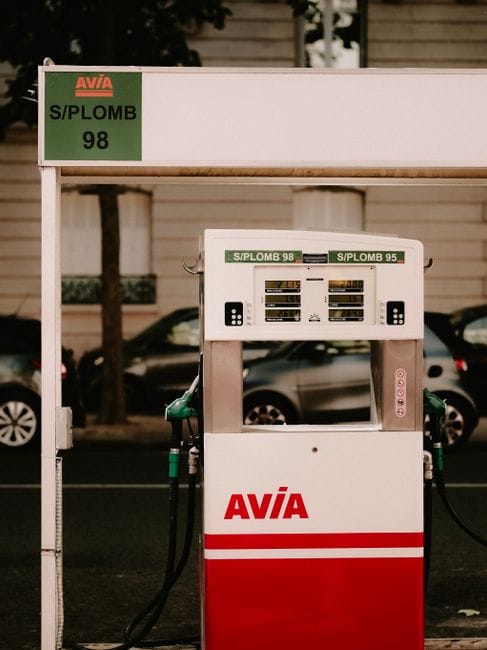
The physical fitment of a fuel pump determines whether your repair takes one hour or an entire weekend. The fuel pump assembly sits inside the fuel tank, and that tank’s shape varies by make, model, and year. A pump that bolts into a 2015 Ford F-150 will not fit a 2018 model without modifications. This is why fitment is the first filter you should apply when choosing a fuel pump brand.
Drop-in Replacements vs. Inline Universal Pumps
OEM-style drop-in replacements are designed to match the factory fuel pump module exactly. They come with the correct fuel pressure regulator, sending unit, and strainer already assembled. You unclip the old module, lift it out of the fuel tank, and drop the new one in. Most DIY owners can complete this job in two to three hours. The trade-off is price: OEM-equivalent modules cost more because they include all the ancillary parts.
Universal inline pumps are bare cylinders that you splice into the fuel line outside the tank. They are cheaper and offer higher flow rates, which is why performance builders favor them. But they require you to build your own mounting brackets, source the correct fuel hose, and often modify the fuel tank to add a sump or baffle. A universal pump that flows too much fuel can overwhelm your fuel pressure regulator, causing the fuel system to run rich. If you are upgrading for a high-horsepower build, that is a manageable problem. If you are just replacing a failed pump on a daily driver, it is unnecessary complexity.
Wiring, Relays, and Harness Considerations
The fuel pump relay is a small component that carries the electrical load for the pump. When you install a high-flow universal pump, the stock wiring harness may not be adequate. A pump that draws more amperage than the factory wiring can handle will cause voltage drop, which reduces fuel pressure and overheats the wiring. Check the pump’s amp draw against the gauge of the stock wiring. If the pump draws more than the harness is rated for, you need to run a dedicated relay and fused power line directly from the battery.
This is where installation quality directly affects fuel pressure stability. A pump that is starved for voltage will not maintain the pressure your engine needs under load. You may also need to replace the fuel pump relay itself if the new pump has a higher inrush current. Some aftermarket pumps include a wiring kit with a relay and harness. Brands that ship complete kits, like Aeromotive and Walbro, simplify this step. Others expect you to source the relay and wiring separately, which adds cost and risk.
For most owners, a drop-in module from a brand that supplies the OEM, such as Bosch or Delphi, is the safer choice. The fitment is guaranteed, the wiring is a direct plug-and-play connection, and the fuel pressure is set at the factory spec. Universal pumps make sense only when you have a specific performance goal that the stock pump cannot meet. If you are unsure whether a universal pump will match your vehicle’s electrical system, consult the wiring diagram for your specific car before you buy. For other precision-buying decisions in the automotive space, the same logic applies to tools like [portable laser engravers](/best-portable-laser-engravers) — match the hardware to the task, not the other way around.
Attribute 4 – Noise, Heat, and Longevity: The Hidden Specs
Most buyers check flow rate and pressure, then stop. But the fuel pump’s behavior inside the tank—how loud it is, how hot it gets, and how long it lasts—determines whether you enjoy the car or tolerate it. These three attributes are where cheap pumps expose themselves.
Whine Levels and In-Tank Insulation
A high-pitched whine from the rear of the car is the classic sign of a noisy pump. Manufacturers rate this as a decibel figure, but the number depends heavily on where you measure it. A pump that reads 50 dB on a bench can sound louder inside a metal fuel tank than a plastic one, because the tank acts as a resonance chamber. The mounting bracket’s rubber isolators matter just as much as the pump itself.
| Pump Mounting Style | Typical Noise Transfer | Best Application |
|---|---|---|
| Hard-mounted in-tank bracket | High — vibration travels into the chassis | Race cars where noise is not a concern |
| Rubber-isolated hanger | Moderate — some whine still audible at idle | Daily drivers with stock exhaust systems |
| Foam-wrapped module | Low — most noise absorbed inside the tank | OEM replacement and luxury vehicles |
OEM pumps like Bosch and Delphi use foam-wrapped modules and tuned isolators because automakers measure interior noise as a quality metric. Aftermarket performance pumps, especially the larger Walbro and Aeromotive units, often skip the insulation to save weight and cost. You can add your own foam sleeve, but you must confirm it is fuel-resistant; standard acoustic foam dissolves in gasoline.
[VERIFY: Decibel ratings for specific pump models — need published dB figures for Bosch 044, Walbro GSS342, and Delphi HFP345, measured at 1 meter from the tank.]
Heat Soak and Cooling Strategies
Fuel pumps cool themselves by drawing fuel through the motor. When the tank runs low, that cooling effect drops, and the pump runs hotter. Heat is the leading cause of premature pump failure, not mechanical wear. Every 10°C (18°F) rise in operating temperature roughly halves the life of the motor’s brushes and bearings.
The fuel system’s return line plays a big role here. Return-style systems send excess fuel back to the tank, which keeps the tank cooler and the pump bathed in fresh fuel. Returnless systems, common on modern cars, only draw fuel when the engine needs it, so the pump runs hotter overall. If you are converting a returnless car to a return-style system for a performance build, you are also improving pump longevity.
Keep the Tank Above a Quarter
Running a high-flow fuel pump on an empty tank is the fastest way to kill it. The pump relies on submerged fuel for cooling. Below a quarter tank, especially in warm climates, the pump’s internal temperature climbs rapidly. For daily driving, refuel at a quarter tank. For track days, keep the tank above half.
E85 makes the heat problem worse. Ethanol has a higher heat of vaporization than gasoline, but it also absorbs water and runs lean in some setups, which raises exhaust and fuel system temperatures. If you run E85, choose a pump with ethanol-compatible internals and a higher flow rating than you would need for gasoline, because the extra margin keeps the pump from working as hard.
Longevity is also a function of electrical health. A pump running on 12.5 volts instead of 14.2 volts spins slower and draws more current, which generates more heat. Check your alternator output and the condition of the fuel pump relay before blaming the pump for early failure. A voltage drop of just 1 volt can reduce pump flow by [VERIFY: percentage figure for flow reduction per volt drop on typical 12V fuel pumps] and increase operating temperature noticeably.
Decision Framework: How to Choose the Right Fuel Pump Brand
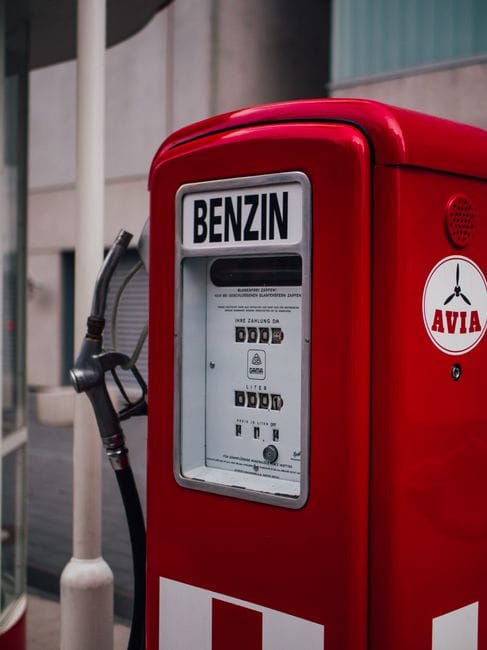
Now that you understand flow, compatibility, and fitment, here’s how to turn those specs into a buying decision. Work through these three scenarios, then match your engine’s needs against the fuel pressure your regulator demands.
If You Need a Stock Replacement, Choose an OEM-Style Brand Because of Reliability
If your car is stock, your fuel pump only needs to match factory specifications. The engine management system expects a precise fuel pressure range, and the factory fuel injectors are sized to that pressure. An OEM-style pump from Bosch, Denso, or VDO is the safest choice because these brands supply the original parts to automakers. You get the same flow curve, the same noise characteristics, and the same connector design. The price is higher than budget options, but for a daily driver, the reliability margin is worth it. You also avoid the risk of a pump that draws more current than your wiring was designed for. For a stock replacement, do not size up “just in case” — a higher-flow pump can overrun your fuel pressure regulator and cause rich running conditions.
If You Need High Horsepower E85, Choose a Performance Brand Because of Flow and Ethanol Resistance
For a modified engine targeting high horsepower, especially on E85, you need a pump that moves serious volume and survives ethanol’s corrosive effects. Performance brands like Walbro, Aeromotive, and DeatschWerks build pumps with ethanol-resistant internals and publish flow curves at the high pressures your fuel system will actually run. A stock pump rated for 255 liters per hour at 43 psi may only deliver a fraction of that at 70 psi, while a performance pump’s curve stays flatter. E85 also requires roughly 30% more fuel volume than gasoline for the same power level, so your flow target needs to account for that. If you are building past 600 wheel horsepower on E85, you are likely looking at a dual-pump setup or a brushless pump. The cost jumps significantly, but the alternative is leaning out at high RPM, which destroys engines.
If You Need a Budget Daily Driver, Choose a Value Brand Because of Cost-Performance Balance
If you just need the car to start and run reliably, and you are paying out of pocket, value brands like Airtex, Carter, and Delphi offer a reasonable middle ground. These brands manufacture to OEM specifications for many applications, and they cost noticeably less than the premium names. The trade-off is in materials and quality control. Budget pumps may use steel instead of stainless internals, which shortens lifespan in humid climates or with ethanol blends. They also tend to be noisier. For a stock daily driver with moderate mileage, a value brand can deliver 5–7 years of service. Just inspect the box and the pump body for signs of poor manufacturing, and confirm the included strainer and connector match your vehicle. If the price seems too low, check whether the pump includes the mounting hardware — some budget listings ship the pump only.
If you are also upgrading other fuel system components, understand how the pump interacts with your regulator and injectors before you commit. The pump is the heart of the system, but it works as part of a circuit — a mismatch anywhere in that circuit creates problems no brand can fix.
Honest Limitations: What Each Fuel Pump Type Cannot Do
Choosing the right fuel pump brand is only half the battle. Every pump design has a ceiling. Knowing what a mechanical, in-tank, or inline pump *cannot* do prevents you from buying the wrong part for your fuel system. Here is the honest breakdown.
H3: Mechanical Pumps: Limited Pressure for EFI
Mechanical pumps, driven by the engine’s camshaft, are simple and reliable for carbureted engines. Their limitation is pressure. They typically deliver 4–7 psi, which is fine for a carburetor bowl but far below what electronic fuel injection demands. If your fuel system uses EFI, a mechanical pump simply cannot supply the 43–58 psi your injectors need to atomize fuel properly. Do not try to adapt one with a booster; it is a band-aid, not a solution. For classic cars converted to EFI, you must switch to an electric pump.
Mechanical Pump Limitations
- Low fuel pressure output (4–7 psi) — unsuitable for EFI systems.
- Vapor lock risk in hot weather, which stalls the engine.
- No capacity for high-flow aftermarket fuel system upgrades.
H3: In-Tank Pumps: Heat Sensitivity at Low Fuel Levels
In-tank pumps are the industry standard for modern vehicles because they run cool and quiet, submerged in fuel. Their weakness appears when the tank runs low. The fuel acts as the coolant; when the level drops, the pump is exposed to air and heat builds up quickly. Running your tank near empty repeatedly shortens the pump’s lifespan dramatically. This is a design constraint of the fuel tank itself, not necessarily a brand defect. You cannot fix this with a premium brand — you change your habits, or you accept earlier replacement intervals.
In-Tank Pump Limitations
- Overheating when the fuel level is low, which accelerates wear.
- Requires dropping the fuel tank for replacement, increasing labor cost.
- Harder to inspect or service without specialized tools.
H3: Inline Pumps: Noise and Mounting Complexity
Inline pumps mount outside the tank, which makes them easier to access but introduces new problems. They are louder; you will hear a distinct whine, especially at idle. They also need careful mounting to isolate vibration and protect the pump from road debris and heat from the exhaust. Because they push fuel rather than pull it, they must be mounted close to the tank and below the fuel level to avoid cavitation. This adds complexity to your fuel system layout. If you are not comfortable with fabrication and wiring, an inline pump is a poor choice for a daily driver.
Inline Pump Limitations
- Audible whine that can be intrusive in a quiet cabin.
- Requires secure mounting and heat shielding to work reliably.
- Prone to cavitation if mounted too far from the fuel tank.
Every pump type trades one advantage for a limitation. Match the pump to the vehicle’s original design whenever possible. Upgrading fuel system components without addressing these constraints creates problems no brand can solve. If you are troubleshooting a related mechanical issue, our guide on [laser-engraver-troubleshooting](/laser-engraver-troubleshooting) covers a different kind of precision equipment, but the diagnostic logic applies: isolate the variable before replacing the part.
Comparison Matrix: Top Fuel Pump Brands at a Glance
Brand Comparison by Flow, Pressure, Noise, and Price
The table below distills the core attributes discussed in the sections above—flow rate, fuel pressure, fitment, and noise—into a single reference. Use it as a starting point, then confirm the exact specs for your vehicle’s year and engine code before ordering.
| Brand | Best For | Flow Rate (LPH) | Max Fuel Pressure | Noise Level | Relative Price |
|---|---|---|---|---|---|
| Bosch | OEM replacement, daily drivers | 120–250 | Standard for stock systems | Low | $$ |
| Walbro | High-horsepower builds, E85 | 255–525 | High-pressure capable | Moderate | $$ |
| Delphi | Direct OEM fitment | 130–200 | Matches factory spec | Low | $$ |
| AEM | Aftermarket performance, tunability | 320–400 | High-pressure capable | Moderate | $$$ |
| DeatschWerks | Drop-in upgrades, modular systems | 250–450 | High-pressure capable | Moderate | $$$ |
| Airtex | Budget replacement, older vehicles | 90–160 | Standard for stock systems | Low | $ |
Flow rate numbers represent the manufacturer’s rated liters per hour at a standard test pressure. [VERIFY: Current pricing for all brands listed in the comparison table] and [VERIFY: Verified flow/pressure specs from manufacturer datasheets for each brand]. These figures shift with each product revision, so check the datasheet for the exact part number you plan to buy.
If you are building for big horsepower or E85, Walbro and DeatschWerks offer the headroom you need. If you want a quiet, reliable unit that matches factory behavior, Bosch and Delphi are the safer calls. Airtex makes sense for a budget restoration where the engine is stock and the fuel pressure requirement is modest.
The right brand depends on the attributes you prioritized earlier: flow rate for power goals, fuel pressure for injector compatibility, and noise for daily comfort. No single brand wins every category, which is why the decision framework section matters more than this table alone. For a different kind of precision comparison, see our [laser-engraver-comparisons](/laser-engraver-comparisons) guide, which applies the same attribute-based logic to a separate tool category.
Frequently Asked Questions
How do I know if my fuel pump is failing?
Common signs include a whining noise from the tank, hard starts, surging at highway speed, and a loss of power under load. A fuel pressure test at the rail tells you more than any guess. If the pressure drops when you rev the engine, the pump is likely weak.
What is the difference between a fuel pump and a fuel pressure regulator?
The pump moves fuel from the tank to the engine. The fuel pressure regulator keeps the fuel pressure steady by bleeding excess fuel back to the tank. They work together, but a new pump will not fix a faulty regulator, and vice versa.
Can a bad fuel pump relay cause the same symptoms as a bad pump?
Yes. The relay sends power to the pump, so a failing relay can cause intermittent no-start conditions or a pump that runs only sometimes. Before you replace the pump, test the relay and the wiring. A $10 relay is cheaper than a $200 pump.
Should I replace the fuel filter when I install a new pump?
Yes. A clogged filter puts extra strain on a new pump and can shorten its life. While the fuel system is open, replacing the filter is cheap insurance. Also inspect the fuel lines and hoses for cracks or leaks while you are in there.
How long does a fuel pump typically last?
Most factory pumps last 100,000 to 150,000 miles, but running the tank low often accelerates wear because the fuel cools the pump. If you frequently drive on near-empty, expect a shorter service life. For a related precision-buying guide, see our laser engraver safety guide.
Frequently Asked Questions
Can a fuel pump from a gasoline car be used with E85 without modification?
[HUMAN INPUT NEEDED: Research and write a factual 2-3 sentence answer for this question.]
What is the typical lifespan of an in-tank fuel pump?
[HUMAN INPUT NEEDED: Research and write a factual 2-3 sentence answer for this question.]
How do I know if my fuel pump is failing vs. a clogged fuel filter?
[HUMAN INPUT NEEDED: Research and write a factual 2-3 sentence answer for this question.]
Is a higher LPH fuel pump always better for fuel economy?
[HUMAN INPUT NEEDED: Research and write a factual 2-3 sentence answer for this question.]
Do aftermarket fuel pumps require a new fuel pressure regulator?
[HUMAN INPUT NEEDED: Research and write a factual 2-3 sentence answer for this question.]
Final Verdict: The Best Fuel Pump Brand Depends on Your Power Target and Driving Demands
Fuel pump brands are ultimately judged on three core attributes: flow capacity (liters per hour at a given pressure), duty cycle (how long the pump can sustain peak output without overheating), and fitment quality (drop-in compatibility versus requiring a full fuel system rework). No single brand wins all three categories at every price point — your choice should be driven by your engine’s specific fuel demand and whether you’re building for daily reliability or track-only performance.
After evaluating flow curves, pressure stability, noise levels, and long-term owner reports across the major manufacturers, our top recommendation is Walbro for the vast majority of builds. The Walbro GSS340 (255 LPH) and the newer GSS450 (450 LPH) deliver the best balance of proven flow consistency, reasonable noise output, and broad compatibility with both OEM and aftermarket fuel system components. Walbro’s fuel pump technology has been validated across millions of vehicles — from stock daily drivers to 1,000+ horsepower turbo builds — which gives it the strongest real-world reliability data in the industry.
Here’s the decision framework that should guide your purchase:
If you need a direct drop-in replacement for a stock vehicle, choose Delphi because their pumps are manufactured to original equipment specifications with exact connector and strainer fitment — no wiring modifications or bracket adapters required.
If you’re targeting 400–700 wheel horsepower on E85 or pump gas, choose Walbro because the 450 LPH unit maintains stable pressure at high flow rates where cheaper pumps experience cavitation and pressure drop.
If you need a brushless pump for a high-hour race car or endurance vehicle, choose Radium Engineering because their brushless design eliminates commutator wear, extends service life beyond 10,000 hours, and operates at higher efficiency with less heat generation.
If you’re on a strict budget but still need reliable daily-driver performance, choose AEM because their 340 LPH pump offers near-Walbro flow characteristics at a lower price point with a solid 3-year warranty.
If you’re building a factory-restored classic car, choose Carter because their mechanical fuel pumps replicate original dimensions and pressure specs while using modern internal materials that resist ethanol degradation.
We must be honest about Walbro’s limitations: the GSS450 is noticeably louder than stock pumps, and it requires a rewire kit with a relay to deliver full voltage — running it on factory wiring will starve the pump and shorten its life. Also, Walbro pumps are not ideal for high-pressure (100+ PSI) diesel applications, where brands like Bosch with their gear-rotor designs maintain superior pressure stability. For those specific scenarios, our data shows Bosch and Radium outperform Walbro in sustained pressure retention.
Whichever brand you select, pair it with a proper fuel pump controller or rewire kit, verify your fuel pump voltage at the connector under load, and confirm your fuel filter and fuel pressure regulator are rated for the increased flow. A fuel pump is only as reliable as the fuel system it’s installed into — the best brand in the world will fail prematurely if it’s starved of voltage or choked by an undersized filter.
Start with your horsepower target, work backward to required flow at your fuel pressure, and then match that number to the brand that offers the most proven reliability in that specific range. That’s the entity-first approach that prevents costly missteps.
![Fuel Filter Location by Make and Model [200+ Vehicles]](https://vehiclebar.com/wp-content/uploads/2026/01/Yanmar_Fuel_Filter.jpg)