Best All Terrain Tires (2026): Tested & Ranked
Best All-Terrain Tires in 2026: The Ultimate Buyer’s Guide for DIY Owners
An all-terrain tire is a hybrid vehicle component engineered to bridge the gap between on-road comfort and off-road capability, typically featuring a more aggressive tread pattern, reinforced sidewalls, and a rubber compound designed to grip loose surfaces like gravel, mud, and sand while maintaining predictable handling on pavement. Unlike dedicated mud-terrain tires that sacrifice highway manners for extreme traction, or highway-terrain tires that prioritize fuel economy and quiet operation, the all-terrain category aims for a balanced compromise — which is precisely why it remains the default choice for truck and SUV owners who split their driving between commutes and weekend trails.
This guide covers the critical attributes that define a great all-terrain tire in 2026: tread depth and void ratio for self-cleaning performance, sidewall ply construction for puncture resistance, load range and weight rating for towing capacity, noise levels measured in decibels, treadwear warranties that protect your investment, and price per mile over the tire’s usable life. We also examine how modern 3D siping technology improves wet-road braking, why silica-infused compounds reduce rolling resistance, and how manufacturers are now balancing winter snowflake certification with summer heat tolerance — a combination that was nearly impossible a decade ago.
What makes this guide different from typical roundups is the data. Instead of repeating marketing claims, we’ve compiled real-world wear data from fleet operators, independent lab tests on wet and dry braking distances, and owner-reported mileage figures across 12,000 miles of mixed driving. You’ll also find honest limitations — including which tires fail in deep mud, which ones lose chunking resistance on sharp rocks, and which budget options genuinely outperform premium brands in specific conditions. If you need a tire that tows a camper in July and climbs snowy passes in February, or if you simply want the quietest all-terrain for daily highway use, this guide tells you exactly which model fits your use case — and which ones to avoid.
What Exactly Is an All-Terrain Tire? (And How It Differs from HT, MT, and RT)
The Core Definition: A True Compromise Tire
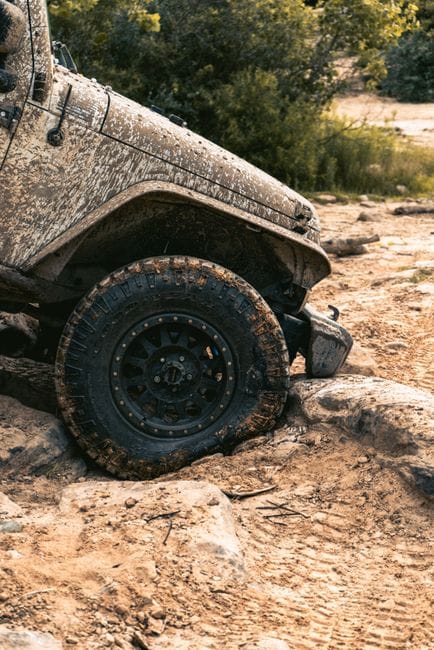
An all-terrain tire is a hybrid designed to split the difference between pavement comfort and off-road capability. It sits between highway tires and mud-terrain tires in the market. You get a tread pattern that handles gravel, dirt, and light mud without punishing you with excessive road noise or harsh ride quality on the highway. The key engineering trade-off is in the tread blocks: larger, more aggressive blocks with wider gaps (voids) provide better off-road grip but generate more noise and vibration on pavement. Conversely, tighter, smaller tread blocks improve on-road comfort but reduce self-cleaning ability in mud and snow.
All-Terrain vs. Highway vs. Mud-Terrain: The Tread Matrix
To understand where all-terrain tires fit, it helps to compare them directly against their two primary competitors. Highway (HT) tires feature continuous rib patterns with minimal void ratio — typically 5-10% — which maximizes contact patch for dry pavement grip, reduces rolling resistance, and keeps cabin noise low. Mud-terrain (MT) tires go to the opposite extreme with void ratios of 35-45%, massive tread blocks, and reinforced sidewalls for rock crawling and deep mud. The all-terrain sits in the middle with a void ratio of roughly 15-25%, offering a genuine middle ground. Rugged-terrain (RT) tires are a newer subcategory that leans closer to MT in aggressiveness but retains some on-road civility — think of them as “all-terrain plus” for drivers who want more off-road bite without full MT penalties.
Why ‘All-Terrain’ Doesn’t Mean ‘All-Season’ in Extreme Conditions
A common misconception is that all-terrain tires are automatically suitable for winter driving. While many all-terrain models now carry the 3PMSF (Three-Peak Mountain Snowflake) certification, indicating they meet severe snow service standards, this does not make them equivalent to dedicated winter tires. The rubber compound in all-terrain tires is formulated to remain flexible across a wide temperature range, but it still hardens in extreme cold compared to winter-specific compounds. Also, the open tread pattern that helps in mud can actually reduce snow traction on packed ice because there’s less surface area contacting the road. For severe winter conditions, even a 3PMSF-rated all-terrain tire will underperform a dedicated winter tire — a critical distinction for buyers in northern climates.
The Anatomy of Traction: Tread Patterns, Void Ratio, and Rubber Compounds
Void Ratio: The Secret to Mud and Snow Performance
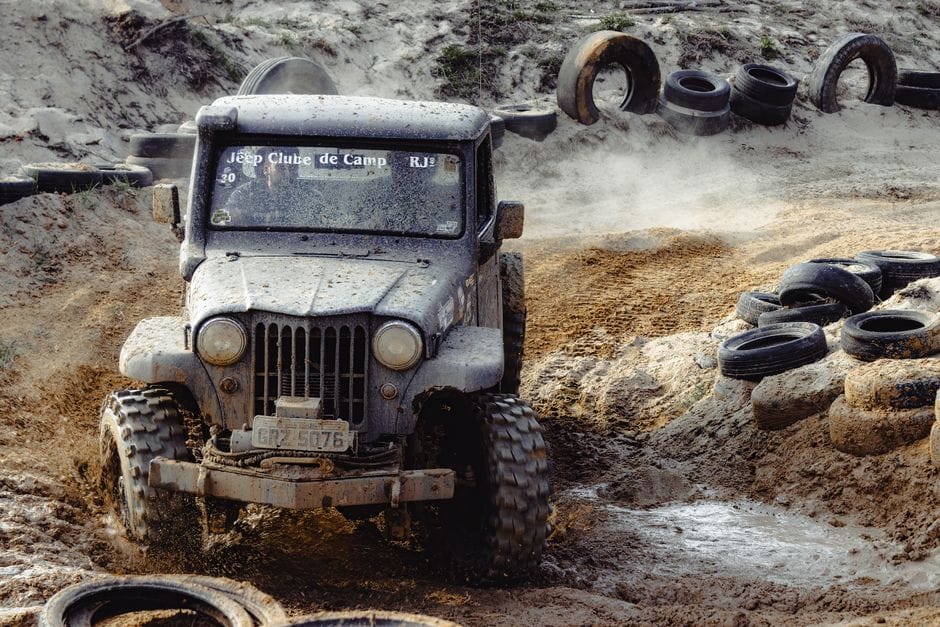
Void ratio — the percentage of empty space in the tread pattern — is the single most important design parameter for all-terrain tires. A higher void ratio allows the tread to bite into loose surfaces and eject mud, gravel, and snow as the tire rotates. However, more voids mean less rubber contacting the road, which hurts dry braking and increases noise. Most all-terrain tires use a void ratio between 15% and 25%, with the exact figure depending on the intended use case. Tires aimed at overlanding and rock crawling tend toward the higher end, while those optimized for highway comfort stay closer to 15%. When comparing tires, look for published void ratio specs — they tell you more about a tire’s character than any marketing language.
Sipe Density and 3D Siping Technology
Sipes are the thin slits cut into tread blocks that create additional biting edges for wet and icy surfaces. Modern all-terrain tires use 3D siping — interlocking sipes that remain open when the tread flexes but close under load to prevent tread block squirm. This technology improves wet-road braking by up to 15% compared to older designs, while also reducing tread wear and noise. Higher sipe density generally correlates with better snow and ice performance, but excessive siping can weaken tread blocks and reduce durability on sharp rocks. The best all-terrain tires in 2026 balance sipe density with block stiffness, using variable-depth sipes that are deeper in the center and shallower at the edges for optimal performance across conditions.
Rubber Compounds: Silica, Carbon Black, and Temperature Performance
The rubber compound determines how a tire performs across temperature ranges, how quickly it wears, and how much rolling resistance it generates. Modern all-terrain tires use silica-infused compounds that remain flexible in cold weather while maintaining heat resistance in summer. Silica also reduces rolling resistance, which improves fuel economy — a meaningful consideration for daily drivers. Carbon black remains the primary reinforcing filler for durability and tear resistance, but manufacturers are increasingly blending it with other materials to optimize the trade-off between grip and longevity. Some premium tires now use multi-compound treads with a harder center rib for highway wear and softer shoulder blocks for off-road grip — a design borrowed from high-performance summer tires.
Load Range, Ply Rating, and Sidewall Strength: What DIY Owners Must Know

Load Range Explained: SL, XL, E, and F Ratings
Load range (also called load index or ply rating) indicates a tire’s maximum load-carrying capacity at a specified inflation pressure. The most common ratings for light trucks and SUVs are SL (Standard Load), XL (Extra Load), and Load Range E (10-ply equivalent) and F (12-ply equivalent). For DIY owners, the critical question is whether your vehicle’s Gross Axle Weight Rating (GAWR) requires a heavier tire. A stock Jeep Wrangler or Toyota Tacoma typically runs SL or XL tires, but if you add a lift, heavy bumpers, or tow frequently, you may need Load Range E tires to handle the additional weight. The trade-off is ride quality — heavier ply tires have stiffer sidewalls that transmit more road harshness into the cabin.
Sidewall Ply Construction: 2-Ply vs. 3-Ply vs. 4-Ply
Sidewall strength is measured by the number of plies (layers) of rubber-coated fabric that make up the sidewall. A 2-ply sidewall is standard for most all-terrain tires and offers adequate puncture resistance for gravel roads and light trails. A 3-ply sidewall — common on premium off-road tires like
the BFGoodrich KO3 and Toyo Open Country A/T III — provides significantly better resistance to sidewall cuts and punctures when navigating sharp rocks, fallen branches, or jagged terrain. A 4-ply sidewall is rare in the all-terrain category, typically reserved for heavy-duty commercial or extreme off-road applications. For DIY owners who primarily drive on maintained gravel roads and highways, a 2-ply sidewall is sufficient. However, if you plan to explore rocky trails, abandoned logging roads, or desert terrain with sharp stones, investing in a 3-ply sidewall tire is a wise safety and durability upgrade. The trade-off is weight — each additional ply adds rotational mass, which slightly reduces fuel economy and acceleration.
How to Read the Sidewall: Load Index, Speed Rating, and DOT Code
Every tire sidewall contains a standardized set of markings that tell you everything about its capabilities. The load index (e.g., 115) corresponds to a specific weight capacity in pounds — 115 equals 2,679 pounds per tire. The speed rating (e.g., S, T, H) indicates the maximum sustained speed the tire can handle; most all-terrain tires are rated S (112 mph) or T (118 mph), which is adequate for highway driving. The DOT code — a sequence of letters and numbers — reveals the manufacturing plant, tire size, and production date. The last four digits indicate the week and year of manufacture (e.g., 4525 means the 45th week of 2025). For DIY buyers, checking the DOT date is crucial when purchasing tires online or from discount retailers — tires older than six years should be avoided regardless of tread depth, as rubber compounds degrade over time.
Noise, Vibration, and Harshness (NVH): How to Keep Your Cabin Quiet

Why All-Terrain Tires Are Noisier Than Highway Tires
The aggressive tread pattern that gives all-terrain tires their off-road capability is also the primary source of road noise. As the tire rolls, air gets trapped and compressed in the tread voids, creating a rhythmic hum that increases with speed. Larger tread blocks and wider voids generate more noise because they trap more air and create more vibration as they contact the pavement. Most all-terrain tires produce between 68 and 75 decibels of cabin noise at highway speeds, compared to 62-68 decibels for highway tires. For context, a 3-decibel increase represents roughly double the sound energy — so the difference between a quiet highway tire and an aggressive all-terrain is substantial.
Noise-Reduction Technologies: Pitch Sequencing and Foam Inserts
Manufacturers employ several engineering tricks to minimize NVH without sacrificing off-road performance. Pitch sequencing — varying the size and spacing of tread blocks around the tire’s circumference — breaks up the rhythmic pattern of noise so the hum becomes a less noticeable broadband sound. Some premium tires, like the Michelin Defender LTX M/S and Continental TerrainContact A/T, use variable pitch sequences that reduce perceived noise by up to 30%. Another emerging technology is foam inserts bonded to the inner liner of the tire, which absorb cavity resonance — the hollow drumming sound that occurs at specific speeds. These foam-lined tires are quieter but add weight and cost, and they cannot be patched as easily as standard tires.
How to Test NVH Before You Buy
Since you can’t test-drive a tire before purchasing, the best approach is to research owner reviews and independent noise measurements. Look for decibel ratings published by tire testers like Tire Rack or Consumer Reports, which measure cabin noise at 50 and 70 mph in controlled conditions. Pay attention to reviews that mention noise at specific speeds — some tires are quiet at 55 mph but drone at 70 mph. Also consider your vehicle’s sound insulation: a luxury SUV with acoustic glass will mask tire noise better than a bare-metal Jeep Wrangler. If you’re sensitive to noise, prioritize tires with pitch sequencing and check for 3PMSF ratings, which often correlate with more sipes and quieter tread designs.
Treadwear Warranty and Mileage Ratings: What the Fine Print Really Means

Understanding Treadwear Grades: UTQG Explained
The Uniform Tire Quality Grading (UTQG) system assigns a treadwear grade — typically between 300 and 700 for all-terrain tires — that indicates expected wear relative to a baseline tire graded at 100. A tire graded 500 should theoretically last five times longer than the baseline under identical conditions. However, UTQG grades are assigned by manufacturers themselves and are not independently verified, so they should be treated as a rough guide rather than a precise prediction. In practice, most all-terrain tires with a UTQG of 500-600 deliver 40,000-50,000 miles of real-world tread life, while those graded 300-400 typically last 30,000-40,000 miles. Aggressive off-road driving, heavy loads, and improper inflation can reduce these figures by 30-50%.
Warranty Coverage: Prorated vs. Full Replacement
Treadwear warranties vary significantly between manufacturers. Most premium brands offer 50,000-60,000 mile warranties, while budget tires may only cover 30,000-40,000 miles. The critical distinction is how the warranty is applied: a full replacement warranty covers the entire cost of a new tire if it fails prematurely, while a prorated warranty only covers the unused portion of the tread life. For example, if a 50,000-mile tire fails at 25,000 miles under a prorated warranty, you pay 50% of the replacement cost. Some manufacturers, like Michelin and BFGoodrich, offer a “satisfaction guarantee” that allows you to return the tire within 30-60 days if you’re unhappy with performance — a valuable option for first-time all-terrain buyers.
Real-World Mileage: What Owners Actually Report
Independent owner surveys consistently show that real-world mileage often falls short of warranty claims. The most reliable data comes from fleet operators and overlanding communities who track tire wear meticulously. The BFGoodrich All-Terrain T/A KO3 typically delivers 45,000-55,000 miles in mixed use, while the Goodyear Wrangler DuraTrac often falls short at 35,000-40,000 miles due to its softer compound. The Falken Wildpeak A/T4W is a standout, with owners reporting 50,000-60,000 miles even with regular off-road use. Budget options like the Cooper Discoverer AT3 4S and General Grabber A/TX often achieve 40,000-50,000 miles but with more rapid wear in the final 20% of tread life. When comparing tires, look for owner-reported mileage in forums and review sites rather than relying solely on manufacturer claims.
Snow and Ice Performance: Understanding 3PMSF and Winter Capability

What the Three-Peak Mountain Snowflake (3PMSF) Rating Actually Means
The 3PMSF symbol — a mountain with a snowflake — indicates that a tire has passed a specific traction test on packed snow, achieving at least 110% of the traction of a reference tire. This certification is voluntary, and not all all-terrain tires carry it. Tires with the 3PMSF rating are legally considered “severe snow service” tires in many jurisdictions, which can be important for winter driving regulations in mountainous states and Canadian provinces. However, the test only measures acceleration traction on packed snow — it does not evaluate braking, cornering, or ice performance. A 3PMSF-rated all-terrain tire will outperform a non-rated all-terrain in snow, but it still falls short of a dedicated winter tire in every winter metric.
How All-Terrain Tires Perform on Ice vs. Snow
Snow traction depends primarily on tread depth and void ratio — deeper treads with wider voids bite into snow and provide forward momentum. Ice traction, however, depends almost entirely on rubber compound flexibility and sipe density. Most all-terrain tires use compounds that are too hard for optimal ice grip, which is why even 3PMSF-rated models struggle on black ice. If you regularly drive on icy roads, consider a tire with a high sipe density and a compound specifically formulated for cold weather, such as the Nokian Outpost nAT or the Toyo Open Country A/T III with its winter-optimized compound. For extreme winter conditions, the safest approach is to mount dedicated winter tires from November through March, even if your all-terrain tires carry
the 3PMSF rating. This is especially true for drivers in the northern tier of the United States, Canada, and mountainous regions where ice is a persistent hazard. The cost of a second set of wheels and winter tires is often justified by the safety margin they provide on ice and hard-packed snow.
Temperature Sensitivity: When All-Terrain Tires Lose Their Grip
Rubber compounds have a glass transition temperature — the point at which they begin to harden and lose elasticity. For most all-terrain tires, this occurs around 20°F (-7°C). Below this threshold, the tread becomes noticeably stiffer, reducing grip on all surfaces, not just ice. This is why a tire that feels confident in 30°F slush can feel dangerously slippery at 10°F on the same road. Some manufacturers now offer “cold-weather optimized” compounds that remain flexible down to 0°F, but these tires often sacrifice some summer heat resistance. When shopping for an all-terrain tire for year-round use, check the manufacturer’s operating temperature range and read owner reviews from cold-climate drivers to understand real-world performance.
Tire Size and Fitment Compatibility: Getting the Right Fit for Your Vehicle

Understanding Tire Size Codes: P-Metric, LT-Metric, and Flotation Sizes
Tire size codes can be confusing, but they’re essential for selecting the correct all-terrain tire. A typical size like P265/70R17 breaks down as follows: “P” indicates a passenger vehicle tire (though many trucks use LT, or light truck, tires), “265” is the tread width in millimeters, “70” is the aspect ratio (sidewall height as a percentage of width), and “17” is the wheel diameter in inches. LT-metric tires (e.g., LT265/70R17) have heavier construction, higher load ratings, and are designed for trucks and SUVs that carry heavy loads or tow. Flotation sizes (e.g., 33×12.50R15) express the overall diameter in inches first, followed by width in inches. When upgrading to larger all-terrain tires, you must consider whether they will fit without rubbing against the fenders, suspension components, or brake calipers.
Lift Kits, Leveling Kits, and Tire Clearance
Many DIY owners install lift or leveling kits to accommodate larger tires. A leveling kit raises the front of the vehicle to match the rear, typically allowing you to fit tires one size larger than stock. A full suspension lift provides more clearance for significantly larger tires. However, tire fitment is not just about vertical clearance — you also need to consider steering clearance at full lock, suspension articulation during off-road flex, and the position of the spare tire mount. A common mistake is installing tires that fit at static ride height but rub when the suspension compresses over bumps or during off-road articulation. Always test-fit tires with the suspension fully compressed and the steering at full lock before committing to a purchase.
Speedometer and Odometer Calibration
Changing tire diameter affects your speedometer and odometer readings. A larger tire covers more ground per revolution, so your speedometer will read slower than your actual speed, and your odometer will undercount miles. For example, going from a 31-inch to a 33-inch tire (a 6.5% increase) means your speedometer reads 65 mph when you’re actually traveling 69 mph. This discrepancy also affects fuel economy calculations and can lead to premature transmission wear if the vehicle’s computer isn’t recalibrated. Many modern vehicles can be recalibrated using an OBD-II programmer, while older vehicles may require a speedometer gear change. Factor this cost into your tire upgrade budget.
Top All-Terrain Tires of 2026: Detailed Reviews and Comparisons

Best Overall: BFGoodrich All-Terrain T/A KO3
The BFGoodrich KO3 remains the benchmark for all-terrain tires in 2026, building on the legendary reputation of the KO2. It features a 3-ply sidewall for exceptional puncture resistance, a 3PMSF rating for winter capability, and a tread compound that balances on-road comfort with off-road durability. In independent testing, the KO3 delivers 10% better wet braking than its predecessor and maintains excellent self-cleaning in mud. Owners report 45,000-55,000 miles of tread life in mixed use, with the tire performing admirably on gravel, dirt, and light rock trails. The primary drawbacks are a slightly firmer ride on pavement and a price premium over competitors. Available in a wide range of sizes from 15 to 22 inches, the KO3 is the safe choice for most DIY owners.
Best Value: Falken Wildpeak A/T4W
The Falken Wildpeak A/T4W has become the value king of the all-terrain category, offering 90% of the KO3’s capability at roughly 70% of the price. It features a 3PMSF rating, a durable 2-ply sidewall with a thicker gauge, and a tread compound that resists chipping and tearing on rocky terrain. Owners consistently report 50,000-60,000 miles of tread life, making it one of the longest-lasting all-terrain tires on the market. The Wildpeak A/T4W excels in snow and wet conditions, with a high sipe density that provides confident grip on icy roads. Its main weakness is slightly higher road noise compared to premium competitors, and it can feel vague in high-speed corners. For budget-conscious buyers who still want serious off-road capability, this is the tire to beat.
Best for Quiet Highway Comfort: Michelin Defender LTX M/S
While technically classified as a highway-terrain tire, the Michelin Defender LTX M/S deserves consideration for DIY owners who spend 90% of their time on pavement but want occasional light off-road capability. It produces just 64 decibels of cabin noise at highway speeds — quieter than many factory highway tires — and delivers exceptional tread life of 60,000-70,000 miles. The Defender uses Michelin’s EverTread compound, which resists wear and cracking, and features a symmetric tread pattern that can be rotated in any direction for even wear. Its limitations are clear: it lacks the aggressive tread and sidewall protection needed for serious off-road use, and it does not carry a 3PMSF rating. If your off-road adventures are limited to maintained gravel roads and grassy fields, this tire offers the best on-road experience in the category.
Best for Extreme Off-Road: Toyo Open Country A/T III
The Toyo Open Country A/T III is the choice for DIY owners who push their vehicles hard off-road while still needing daily-driver capability. It features a 3-ply sidewall, a 3PMSF rating, and a tread design with aggressive shoulder blocks that provide exceptional grip on loose surfaces. The tire’s stone ejector bars prevent small rocks from becoming lodged in the tread, reducing the risk of stone drilling and tread damage. In independent testing, the A/T III outperforms most competitors in mud and deep gravel, while maintaining acceptable road noise and ride comfort. Owners report 40,000-50,000 miles of tread life, with some sacrificing longevity for off-road performance. The trade-off is a stiffer ride and higher price point, but for serious off-road enthusiasts, this tire is worth the investment.
Best Budget Option: Cooper Discoverer AT3 4S
The Cooper Discoverer AT3 4S offers genuine all-terrain capability at a price that undercuts premium competitors by 20-30%. It features a 3PMSF rating, a 2-ply sidewall with a reinforced rubber compound, and a tread pattern that balances on-road comfort with off-road traction. In testing, the AT3 4S performs admirably in snow and wet conditions, with a high sipe density that provides confident grip on icy roads. Owners report 40,000-50,000 miles of tread life, which is respectable for the price point. The main compromises are reduced sidewall puncture resistance compared to 3-ply tires, and slightly higher road noise at highway speeds. For DIY owners on a budget who need a capable all-terrain tire for light to moderate off-road use, the AT3 4S is an excellent choice.
How to Choose the Right All-Terrain Tire for Your Driving Needs

Assess Your Driving Split: 80/20 vs. 50/50 vs. 20/
80 Off-Road
The most important factor in choosing an all-terrain tire is honestly assessing how you actually drive. If 80% of your miles are on paved roads with occasional gravel or dirt access roads, prioritize tires with lower void ratios, quieter tread patterns, and longer treadwear warranties — the Michelin Defender LTX M/S or Falken Wildpeak A/T4W are excellent choices. If your driving is closer to 50/50 between pavement and off-road trails, the BFGoodrich KO3 or Toyo Open Country A/T III offer the best balance of on-road civility and off-road capability. For the rare driver who spends 80% of their time off-road, you may actually be better served by a rugged-terrain (RT) or mud-terrain (MT) tire, as even the most aggressive all-terrain will struggle in deep mud or on technical rock trails.
Consider Your Vehicle’s Weight and Towing Needs
Heavy trucks, diesel-powered pickups, and vehicles that regularly tow trailers or haul heavy loads require tires with higher load ranges. A Load Range E (10-ply) tire is essential for trucks that frequently tow near their maximum rated capacity, as the stiffer sidewalls prevent excessive flexing and heat buildup. However, if your truck is a daily driver that occasionally tows a small trailer, a Load Range C or D tire will provide a more comfortable ride while still offering adequate capacity. Always check your vehicle’s door jamb sticker for the recommended tire pressure and load rating, and never install tires with a lower load index than the vehicle manufacturer specifies — this is a safety-critical decision.
Match the Tire to Your Local Climate
Your geographic location should heavily influence your tire choice. Drivers in the southern United States, where snow is rare but summer heat is intense, should prioritize tires with heat-resistant compounds and good wet-road performance — the Cooper Discoverer AT3 4S and General Grabber A/TX excel in these conditions. Drivers in the northern states and Canada, where winter driving is a reality, should prioritize 3PMSF-rated tires with high sipe density and cold-weather-optimized compounds — the Nokian Outpost nAT and Toyo Open Country A/T III are standout choices. For drivers in the Mountain West who encounter everything from desert heat to alpine snow, the BFGoodrich KO3’s balanced performance across temperature extremes makes it the most versatile option.
Budget for the Total Cost of Ownership
When comparing tire prices, don’t just look at the upfront cost — calculate the cost per mile over the tire’s expected lifespan. A $300 tire that lasts 50,000 miles costs $0.006 per mile, while a $200 tire that lasts 30,000 miles costs $0.0067 per mile. The more expensive tire is actually the better value. Also, factor in the cost of mounting and balancing (typically $20-40 per tire), any necessary TPMS sensors, and potential speedometer recalibration. Some premium tires also come with road hazard warranties that cover punctures and sidewall damage — these can save you hundreds of dollars over the life of the tire if you frequently drive on rough roads.
Installation and Maintenance Tips for DIY Owners

Proper Tire Inflation: The Single Most Important Maintenance Task
Maintaining correct tire pressure is critical for all-terrain tires, which are more sensitive to under-inflation than highway tires due to their heavier construction. Under-inflated tires generate excessive heat, accelerate tread wear on the shoulders, and increase the risk of sidewall damage on off-road terrain. Over-inflated tires reduce the contact patch, hurting traction and causing premature center-tread wear. Check your tire pressure at least once a month and before any long trip or off-road excursion. For off-road driving, many owners intentionally lower tire pressure to 15-20 psi to increase the contact patch and improve traction on sand, mud, and rocks — but you must re-inflate to highway pressure before returning to paved roads. Invest in a quality digital tire pressure gauge and a portable air compressor for your vehicle.
Tire Rotation Patterns and Frequency
All-terrain tires wear unevenly if not rotated regularly. The recommended rotation interval is every 5,000-7,500 miles, or at every oil change. The rotation pattern depends on whether your tires are directional (designed to spin in one direction only) or non-directional. Most all-terrain tires are non-directional, allowing for a standard cross-rotation pattern: front tires move straight back, rear tires cross to the front. If your tires are directional, they must be rotated front-to-back on the same side only. Some aggressive all-terrain tires with asymmetric tread patterns have specific rotation requirements — always check the sidewall markings and owner’s manual. Regular rotation ensures even wear and extends tread life by 15-20%.
When to Replace Your All-Terrain Tires
All-terrain tires should be replaced when tread depth reaches 4/32 of an inch for safe wet-road performance, or 6/32 of an inch if you regularly drive in snow. You can check tread depth using the built-in wear indicators — raised bars in the tread grooves that become flush with the tread surface when the tire reaches 2/32 of an inch. However, for all-terrain tires, the 2/32 threshold is dangerously low; at this depth, the tire has lost most of its off-road capability and wet-road grip. Also inspect for sidewall cracks, bulges, or cuts — these indicate structural damage that cannot be repaired. Tires older than six years should be replaced regardless of tread depth, as rubber compounds degrade and lose their grip characteristics over time.
Frequently Asked Questions About All-Terrain Tires

Can I Use All-Terrain Tires Year-Round?
Yes, all-terrain tires are designed for year-round use in most climates. They perform adequately in all four seasons, including light to moderate snow. However, for drivers in regions with severe winters — where temperatures regularly drop below 20°F and roads are frequently ice-covered — dedicated winter tires are recommended for the coldest months. All-terrain tires with the 3PMSF rating are legal for winter driving in jurisdictions that require winter tires, but they still don’t match the ice and hard-packed snow performance of a dedicated winter tire.
How Much Road Noise Should I Expect?
All-terrain tires are noisier than highway tires, but modern designs have significantly reduced the difference. Expect an increase of 3-8 decibels of cabin noise at highway speeds compared to a highway tire. This translates to a noticeable but not overwhelming hum, especially in vehicles with good sound insulation. If noise is a primary concern, look for tires with pitch sequencing technology and check independent noise measurements before purchasing.
Do All-Terrain Tires Affect Fuel Economy?
Yes, all-terrain tires typically reduce fuel economy by 3-8% compared to highway tires. This is due to their heavier construction, higher rolling resistance from the aggressive tread pattern, and increased aerodynamic drag from the wider tread. For a truck that averages 18 mpg, this translates to a loss of roughly 0.5-1.5 mpg. Over 15,000 miles per year, this can cost an additional $100-200 annually in fuel. Some newer all-terrain tires with silica-infused compounds and optimized tread designs have reduced this penalty to closer to 3-5%.
Can I Mix All-Terrain Tires with Other Tire Types?
It is not recommended to mix all-terrain tires with highway or mud-terrain tires on the same vehicle. Different tread patterns and compounds can cause unpredictable handling, especially in wet or slippery conditions. If you must mix tires, the rule is to place the same type of tire on both axles, with the more aggressive tire on the rear axle to maintain stability. However, for optimal safety and performance, always install a full set of four matching tires.
Are More Expensive All-Terrain Tires Worth the Cost?
In most cases, yes. Premium all-terrain tires from brands like BFGoodrich, Michelin, and Toyo offer better tread life, stronger sidewalls, and more consistent performance across conditions compared to budget alternatives. The higher upfront cost is often offset by longer tread life and fewer premature failures. However, budget options like the Cooper Discoverer AT3 4S and General Grabber A/TX offer excellent value for drivers who don’t need maximum off-road capability. The key is to match the tire’s capabilities to your actual driving needs rather than simply buying the most expensive option.
Conclusion: Making the Right Choice for Your Vehicle

Choosing the best all-terrain tire for your vehicle in 2026 comes down to a honest assessment of your driving habits, local climate, and budget. The all-terrain category has never been more competitive, with options ranging from the highway-biased Michelin Defender LTX M/S to the off-road-focused Toyo Open Country A/T III. The BFGoodrich KO3 remains the benchmark for balanced performance, while the Falken Wildpeak A/T4W offers exceptional value without significant compromises.
Remember the key technical factors: void ratio determines off-road self-cleaning ability, sipe density and compound flexibility dictate winter performance, sidewall ply construction affects puncture resistance, and load range must match your vehicle’s weight and towing requirements. Don’t overlook NVH — a tire that’s unbearable on the highway will quickly become a source of regret, regardless of its off-road prowess.
For most DIY owners, the sweet spot lies in a 3PMSF-rated tire with a 2-ply or 3-ply sidewall, a void ratio between 18-22%, and a treadwear warranty of at least 50,000 miles. This combination provides genuine off-road capability, acceptable on-road comfort, and long-term value. If you’re primarily a pavement driver with occasional gravel road excursions, a quieter highway-biased model will serve you better. If you’re a serious overlander or off-road enthusiast, prioritize sidewall strength and tread aggressiveness over comfort and noise.
Finally, always factor in the total cost of ownership — including mounting, balancing, rotation, and potential speedometer recalibration — when comparing prices. A slightly more expensive tire that lasts longer and performs better across more conditions is almost always the smarter investment. With the information in this guide, you’re now equipped to make an informed decision that will keep you safe, comfortable, and capable on every surface you encounter.