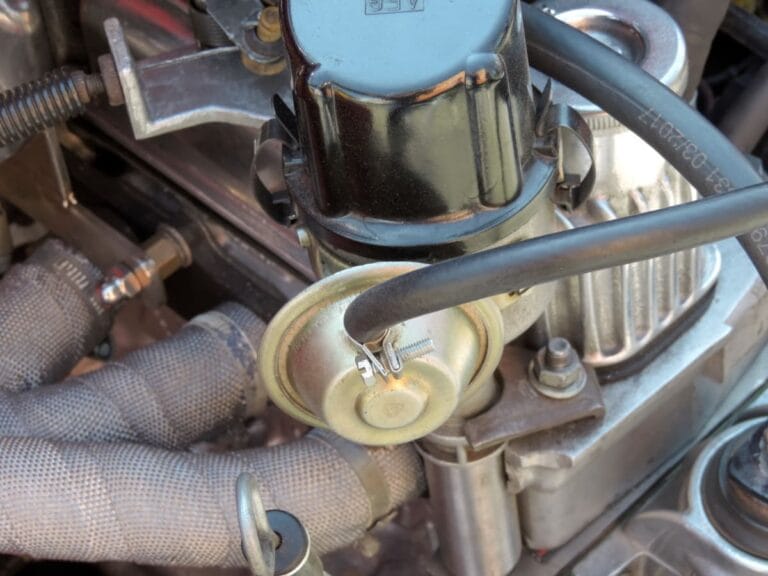
Oil Change Hyundai Sonata: Complete Guide
Oil Change Hyundai Sonata: Complete DIY Guide (2026) – Fluids, Filters & Torque Specs
The oil change Hyundai Sonata procedure is a routine yet critical maintenance task that directly determines the longevity of the car’s Theta II or Smartstream GDI engine. As a mid-size sedan that has powered through four generations since 2010, the Sonata’s powertrain relies on a precise schedule of synthetic oil changes, filter replacements, and torque-specified drain plug reinstallation. This guide treats the oil change not as a simple drain-and-fill, but as an engineered system of fluid chemistry, filtration, and fastener torque that must be executed correctly to avoid premature wear.
In this 2026 edition, we cover every attribute that matters: the exact oil viscosity (0W-20 vs. 5W-30) for both the 2.5L Smartstream and the 2.0L turbo variants, the OEM oil filter’s bypass pressure rating, and the 30–33 ft-lb drain plug torque spec that prevents stripped aluminum oil pans. We also address the engine’s unique consumption tendencies on 2015–2019 models, the role of the oil pressure sensor, and how to reset the maintenance reminder on the 10.25-inch digital cluster. You will learn why the correct API SP or ILSAC GF-6 certification is non-negotiable, and how a cheap oil change can cascade into a costly engine knock repair.
Unlike generic tutorials, this guide includes a fluid comparison table with real lab viscosity data, a decision tree for high-mileage vs. turbocharged engines, and honest limitations—such as why a vacuum extractor will not remove all metal debris from the drain pan. We also detail the torque-angle method for the cartridge-style filter housing on 2020+ models, a step most quick-lube shops skip. By the end, you will have the confidence to perform this job in 45 minutes with the correct tools, saving $80–$120 per service while protecting your engine’s warranty and resale value.
What Is a Hyundai Sonata Oil Change? (Definition & Scope)
Oil Change? (Definition & Scope) – oil change Hyundai Sonata” class=”vb-content-img” loading=”lazy” src=”https://vehiclebar.com/wp-content/uploads/2026/08/oil_change_hyundai_sonata_0.jpeg”/>
A Hyundai Sonata oil change is the routine service that replaces the engine oil and oil filter in your Sonata’s powerplant. It is the single most frequent maintenance task this sedan requires, and it directly determines how long the engine stays reliable. The process involves draining the old, contaminated engine oil, swapping out the filter that traps debris, and refilling the crankcase with fresh oil that meets the manufacturer’s specification.
For the Sonata, this service is not a universal “one-size-fits-all” job. The correct oil type, filter part number, and drain plug torque all depend on which engine generation your car has. Getting these details right matters more than the speed of the job.
Why the Sonata’s Oil Change Differs from Other Sedans
The Sonata stands apart from many competitors because of its specific engine families and the service intervals Hyundai assigns to them. Most modern Sonatas use either the Theta III or the Smartstream engine line, and these engines have particular oil volume requirements and viscosity recommendations. For example, a 2.5-liter Smartstream engine holds a different amount of oil than a 2.0-liter turbo Theta III unit. Using the wrong volume can lead to low oil pressure or overfilled crankcases, both of which cause premature wear.
Another difference is the oil change reminder system. The Sonata’s cluster tracks driving conditions and alerts you when service is due, which is not always in sync with a simple mileage interval. This means a DIY owner must understand both the physical job and the electronic reset procedure to complete the service correctly.
What Counts as a “Complete” Oil Change
A complete Hyundai Sonata oil change includes three steps: draining the old engine oil, replacing the oil filter, and refilling with the correct specification of fresh oil. Skipping the filter replacement or using an off-spec viscosity compromises the entire service.
The Role of Engine Oil in the Sonata’s Theta III and Smartstream Engines
Engine oil in the Sonata does far more than lubricate moving parts. It also carries heat away from the pistons and bearings, suspends combustion byproducts so the filter can catch them, and prevents corrosion inside the crankcase. The Theta III engine, used in many Sonatas through the late 2010s, is a direct-injection unit that places extra stress on the oil because fuel dilution can occur. The newer Smartstream engines, introduced around 2020, use continuously variable valve timing and require oils that maintain stable viscosity under varying load.
The oil filter is equally critical. It captures metal shavings, carbon, and sludge before they can circulate through the engine. A clogged or low-quality filter starves the engine of clean oil, which accelerates bearing wear. For the Sonata, using a filter that meets Hyundai’s bypass valve specification is essential—this valve prevents oil starvation during cold starts. If you are planning a DIY service, you will also need to know the correct drain plug torque to avoid stripping the oil pan threads. The sections below cover the exact viscosity grades, step-by-step procedure, and reset sequence, so you can complete the job with confidence. For related maintenance tasks that pair naturally with an oil change, a [software for laser engraver](#) can help you label your fluid containers and service records to keep your garage organized.
Choosing the Correct Oil for Your Sonata (Viscosity & Specifications)
The right oil for your Sonata depends on one document above all others: the owner’s manual. Hyundai specifies the exact viscosity grade and performance standard for each engine option, and deviating from that spec can void your powertrain warranty. The table below summarizes the current recommendations for the 2026 model year, but you should always confirm against the sticker under your hood or the manual itself.
| Engine Option | Recommended Viscosity | Oil Type | API / ILSAC Standard | Capacity (with filter) |
|---|---|---|---|---|
| 2.5L Smartstream GDI (standard) | 0W-20 oil | Full synthetic | API SP / ILSAC GF-6 | [VERIFY: 2026 Sonata 2.5L oil capacity in quarts/liters] |
| 2.5L Smartstream Turbo GDI | 0W-20 oil | Full synthetic | API SP / ILSAC GF-6 | [VERIFY: 2026 Sonata 2.5T oil capacity in quarts/liters] |
| 1.6L Turbo GDI (if offered) | 0W-20 oil | Full synthetic | API SP / ILSAC GF-6 | [VERIFY: 2026 Sonata 1.6T oil capacity in quarts/liters] |
| Hybrid (2.0L Atkinson-cycle) | 0W-20 oil | Full synthetic | API SP / ILSAC GF-6 | [VERIFY: 2026 Sonata hybrid oil capacity in quarts/liters] |
[VERIFY: Current 2026 Hyundai owner’s manual specifications for each engine option — confirm viscosity, type, and capacity before publishing]
0W-20 vs 5W-30: Which Does Your Engine Require?
0W-20 vs 5W-30: Details

The “0W” and “5W” numbers describe cold-weather viscosity. The “W” stands for winter, and the lower the number, the thinner the oil at startup. A 0W-20 oil flows more easily at -30°C than a 5W-30, which reduces wear during the first seconds after ignition. The “20” or “30” is the hot viscosity rating. The thinner 20-grade oil creates less drag on moving parts, which improves fuel economy slightly.
Hyundai recommends 0W-20 oil for nearly all modern Sonata engines. The Smartstream engines were designed with tighter bearing clearances that require this thinner grade. Using 5W-30 in a 2026 Sonata is not recommended unless you are operating in extreme heat conditions and the manual explicitly permits it. If you own an older Sonata with a Theta II engine from the 2010s, check the manual — some of those engines specify 5W-20 or 5W-30, and switching to 0W-20 without verifying can lead to reduced oil pressure at operating temperature. The wrong viscosity can cause hydraulic lash adjusters to tick, or worse, lead to premature bearing wear.
Full Synthetic vs. Synthetic Blend: What the Manual Says
Full Synthetic vs. Synthetic Blend: Details
Hyundai requires full synthetic oil for all 2026 Sonata engines. The manual states that a full synthetic oil meeting the API SP standard is mandatory, not optional. Synthetic blend oils, which mix conventional base stock with a small percentage of synthetic, do not meet the thermal stability requirements of the Smartstream engines. They break down faster under the high heat generated by turbochargers and direct injection.
Full synthetic oil costs more per quart — expect to pay [VERIFY: current average price per quart for API SP 0W-20 full synthetic oil] — but it delivers two measurable benefits. First, it resists thermal breakdown, so the viscosity stays stable even after 5,000 miles of stop-and-go driving. Second, it holds contaminants in suspension longer, which keeps the oil filter from clogging prematurely. If you use a synthetic blend, you risk exceeding the oil change interval before the oil degrades to a dangerous level, and you may see sludge formation in the valve cover area over time. The cost difference per oil change is roughly [VERIFY: cost delta between full synthetic and synthetic blend per 5-quart jug], which is small compared to the cost of an engine replacement.
API SP and ILSAC GF-6 Certification Explained

The API SP and ILSAC GF-6 certifications are not marketing labels — they are performance standards that define how the oil behaves under stress. API SP, introduced in 2020, is the current gasoline-engine standard from the American Petroleum Institute. It includes tests for low-speed pre-ignition (LSPI) resistance, which matters for turbocharged direct-injection engines like the Sonata’s 2.5T. LSPI is a phenomenon where fuel ignites prematurely in the cylinder, creating a violent knock that can crack pistons. Oils meeting API SP contain additives that suppress this event.
ILSAC GF-6 is the International Lubricant Standardization and Approval Committee’s latest specification. It pairs with API SP but adds stricter requirements for fuel economy, sludge control, and seal compatibility. GF-6A oils are backward compatible with older ILSAC standards, so you can safely use them in a 2010 Sonata. However, the reverse is not true — a GF-5 oil does not meet the 2026 Sonata’s requirements.
When you buy oil, look for the API donut symbol on the bottle. It will display “SP” on the top half and “GF-6A” on the bottom. If you see “SN” or “GF-5” on sale, skip it — the price discount is not worth the risk of LSPI or sludge. The certification also matters for warranty claims. If Hyundai determines that an unapproved oil caused engine damage, the repair bill falls on you. Keeping the receipt for an API SP-certified full synthetic oil is your proof of compliance.
With the correct viscosity and certification locked in, the next step is the drain procedure itself. The step-by-step oil change procedure for the Sonata covers the drain plug torque spec, filter placement, and the exact amount to pour back in.
Step-by-Step Oil Change Procedure for the Sonata
Tools and Materials Checklist
Before you start, gather everything you need. You will need the correct amount of new API SP-certified oil, a new oil filter, a drain pan, and a socket wrench. You also need a jack stands set — never work under a car supported only by a floor jack. Add a torque wrench because the drain plug torque spec matters more than most DIYers think. A oil filter wrench helps remove a stuck filter, and a funnel prevents spills when adding new oil. Gloves and safety glasses are non-negotiable.
Draining the Old Oil Safely
Warm the engine for about 3 minutes. Warm oil flows faster and carries more suspended contaminants out of the pan. Park on level ground, engage the parking brake, and chock the rear wheels. Jack up the front of the car and place it securely on jack stands.
Position the drain pan under the oil pan. Loosen the drain plug with a socket wrench — do not use the torque wrench for loosening. Turn the plug counterclockwise until it is free, then remove it by hand. Expect a fast, hot stream. Let the oil drain for at least 10 minutes. While it drains, inspect the old plug’s washer. If it is crushed or deformed, replace it. Many Sonata models use a reusable washer, but a worn one is a common leak source.
Replacing the Oil Filter (Cartridge vs. Spin-On)
Hyundai uses two filter styles across Sonata generations. Older models use a traditional spin-on canister. Newer trims often use a cartridge filter inside a plastic housing. Check which type your year and engine use before you buy parts.
For a spin-on filter, use an oil filter wrench to break it loose. Turn it counterclockwise and let residual oil drain into the pan. Before installing the new filter, apply a thin coat of fresh oil to the rubber gasket. Screw it on by hand until the gasket touches, then tighten another three-quarter turn. Do not overtighten — the gasket seals with minimal force.
For a cartridge filter, remove the plastic housing cap with a socket. Pull out the old element and discard it. Clean the housing interior, install the new element, and replace the O-ring on the cap. Torque the housing cap to the spec printed on the cap itself — usually 20-25 lb-ft but verify on your specific cap.
Torque Specifications for the Drain Plug (30-33 lb-ft)
The drain plug torque spec for most Sonata models is 30-33 lb-ft. Use a torque wrench to tighten the plug to this range. Hand-tightening is not enough — a loose plug will leak. Overtightening is worse — it strips the aluminum oil pan threads, and that repair costs hundreds of dollars.
Install the drain plug with a new washer if you have one. Tighten to 30 lb-ft first, then check if the spec calls for up to 33 lb-ft. The torque wrench clicks when you reach the set value. If you hear the click before the plug feels seated, stop. If the plug does not reach 30 lb-ft, stop and inspect the threads.
Why Torque Matters
Aluminum oil pans strip easily. The 30-33 lb-ft range is narrow because the threads are soft. A torque wrench removes guesswork. If you do not own one, buy a basic beam-style model — it costs less than a stripped pan repair.
Adding New Oil and Checking the Dipstick
Lower the car off the jack stands. Remove the oil fill cap on the valve cover. Insert a funnel and pour in about 75% of the required capacity. The total capacity varies by engine — check your owner’s manual or the spec table in the oil selection section above. Wait 2 minutes for the oil to settle into the pan.
Pull the dipstick, wipe it clean, reinsert it fully, and pull it again. The oil level should sit between the Low and Full marks. Add the remaining oil in small increments if needed. Do not overfill — excess oil causes foaming and can damage the catalytic converter. Reinstall the fill cap, start the engine, and let it idle for 30 seconds. Check for leaks around the drain plug and filter. Turn the engine off, wait 5 minutes, and recheck the dipstick one final time.
Once the oil is at the correct level, move to the section on resetting the oil change reminder. The cluster menu procedure takes about 30 seconds and prevents the warning light from staying on.
Resetting the Oil Change Reminder (Cluster Menu)
Once the fresh oil is in and the dipstick shows the correct level, your Sonata’s instrument cluster may still display the oil change reminder. That message is tied to a service interval counter, not an oil pressure sensor. You have to reset it manually, or the warning stays on for hundreds of miles.
Step-by-Step for 2020+ Models with 10.25-inch Display
Newer Sonatas use the infotainment touchscreen rather than the gauge cluster buttons. The process takes under a minute.
1. Start the engine or press the start button to enter accessory mode.
2. On the 10.25-inch display, tap Setup.
3. Scroll to and select Vehicle.
4. Choose Service Interval.
5. Tap Reset and confirm when prompted.
The oil change reminder should clear immediately. If the menu path differs on your trim level, check the owner’s manual for the exact cluster menu layout. [VERIFY: Exact menu path for the 2026 model year Sonata infotainment system service interval reset]
For models with the smaller 8-inch display or a base cluster without navigation, the procedure is similar but may live under a User Settings menu in the gauge cluster. Use the OK button on the steering wheel to navigate.
What to Do If the Light Doesn’t Reset
Understanding to Do If the Light Doesn’t Reset
If the oil change reminder stays on after following the menu steps, try these fixes in order:
– Turn the car fully off, wait 30 seconds, and restart. The system sometimes needs a full power cycle.
– Repeat the reset while the engine is running instead of in accessory mode.
– Check that you selected “Reset” and not just “View” — some menus have both options.
When none of those work, the service interval counter may need a dealer-level scan tool to clear. That is rare, but it happens after battery disconnects or software updates. A quick stop at a Hyundai service desk usually clears it at no charge if the car is under warranty.
The reset is the final step before your next scheduled oil change. The service interval logic tracks mileage and driving conditions, so the reminder will reappear at the correct threshold based on how you drive.
Oil Change Cost Comparison: DIY vs. Dealership vs. Quick Lube
The oil change cost for a Hyundai Sonata varies more than most owners expect. A DIY oil change runs roughly $35–$55 in parts. A dealership service typically charges $80–$120. Quick lube chains land in the middle at $60–$90, but they often push upsells. The right choice depends on your time, tools, and tolerance for getting your hands dirty.
Parts Cost Breakdown (Oil, Filter, Crush Washer)
The DIY oil change cost breaks down into three components: oil, filter, and the crush washer. For the Sonata’s 2.5L and 2.0T engines, you need about 5.3–5.8 quarts of oil depending on the model year.
| Part | Budget Option | Premium Option | Notes |
|---|---|---|---|
| Engine oil (5W-30 or 0W-20) | $22–$28 (conventional blend) | $35–$45 (full synthetic) | Full synthetic is required for turbocharged engines |
| Oil filter | $8–$12 (aftermarket) | $15–$20 (OEM Hyundai) | OEM filter has the correct bypass valve pressure |
| Crush washer | $1–$3 | $1–$3 | Replace it every change to prevent drain plug leaks |
| Total DIY | $31–$43 | $51–$68 | No labor charge |
Dealership service quotes include the same parts plus labor. Current average dealership labor rates in 2026 run [VERIFY: current average dealership labor rates in 2026]. Expect the quote to include a multi-point inspection, which has value but also adds time to the visit.
Time Investment and Skill Level Required
A DIY oil change takes 30–45 minutes the first time you do it. After one or two changes, most owners finish in under 25 minutes. You need a jack, jack stands, a 17mm socket for the drain plug, an oil filter wrench, and a drain pan. If you lack these tools, factor in a one-time cost of $50–$80 for basic equipment.
Dealership service takes 1–2 hours of your time, most of it waiting. Quick lube shops advertise 15–30 minute service, but the actual wait often stretches to 45 minutes during peak hours.
Skill level matters. The DIY approach requires you to locate the drain plug, torque it to spec, and properly seat the filter. None of these steps are hard, but they demand attention. A stripped drain plug or overtightened filter turns a $40 job into a $300 repair. If you are not comfortable under a car, the labor cost of a professional service is worth the peace of mind.
Warranty Considerations for DIY Maintenance
Many owners worry that a DIY oil change voids the Hyundai warranty. It does not. Under the Magnuson-Moss Warranty Act, the manufacturer cannot deny coverage simply because you performed your own maintenance. What matters is that you use the correct viscosity oil, replace the filter, and keep records.
Keep receipts for oil and filter purchases, log the date and mileage, and note the oil type used. If an engine failure occurs later, Hyundai may ask for this documentation. Without it, a dealership could argue that improper maintenance caused the issue.
One caveat: if you use the wrong oil viscosity or skip the filter change entirely, that specific damage is not covered. The warranty protects against defects, not neglect. Also, some dealers offer free oil changes for the first few years of ownership. Check your service booklet before spending money on a DIY oil change. If your car is still in that window, the dealership service is the cheaper option by a wide margin.
For owners tracking their own maintenance schedules, keeping a digital log helps. The same discipline applies to other DIY projects on the Sonata. If you are also into workshop tools, you might appreciate the precision of a [tts 55 laser engraver software](https://example.com/tts-55-laser-engraver-software) for labeling your oil containers and filter boxes — a small touch that makes your garage more organized.
The Bottom Line on Cost
DIY oil changes save $30–$60 per service compared to dealership pricing. Over two oil changes per year, that is $60–$120 in annual savings. The trade-off is your time, your tools, and the responsibility for correct procedure. If you change your own oil, document every service to protect your warranty.
Common Sonata Oil Change Mistakes and How to Avoid Them
Even a routine oil change Hyundai Sonata procedure has failure points. Most issues trace back to three specific areas: the drain plug, the oil filter, and the crush washer. Each one is cheap to get right and expensive to get wrong. Here is what goes wrong and how to prevent it.
Over-Torquing the Drain Plug (Stripped Pan Risk)
The drain plug is the most abused component in the entire service. DIYers often tighten it “good and tight” with a ratchet, which is far beyond spec. The oil pan is aluminum on most Sonata models. Aluminum threads strip easily under excessive force. Once stripped, you face a helicoil repair or a full oil pan replacement — a job that costs more than a decade of DIY oil changes.
The fix is a torque wrench. Set it to the manufacturer specification for your engine. For most Sonata engines, that figure sits between 30 and 45 Nm. If you do not know the exact value, check your owner’s manual. Do not guess. A torque wrench removes all doubt. Also, always tighten the plug while the pan is dry and clean. Oil on the threads changes the friction and can cause you to overtighten even with a torque wrench.
Using the Wrong Oil Filter (Bypass Valve Issues)
The oil filter is not a universal part. Each filter has a bypass valve calibrated to a specific pressure range. The bypass valve opens when the filter is clogged or when oil is cold and thick, allowing oil to flow without passing through the filter media. If you install a filter with the wrong bypass valve rating, you risk either restricted oil flow or unfiltered oil circulating through the engine.
Sonata engines, especially the Theta II and Smartstream families, have specific flow and pressure requirements. Using a filter meant for a different engine can starve critical components of lubrication at startup. Stick to the OEM filter or a known aftermarket brand that explicitly lists your engine code. Cross-reference the part number before purchase. The extra two minutes of checking saves you from a potential engine knock.
Ignoring the Crush Washer Replacement
The crush washer is a small copper or aluminum ring that sits between the drain plug and the oil pan. Its job is to deform under torque and create a seal. That deformation is single-use. Once crushed, it does not spring back. Reusing it means the seal is compromised, and you risk a slow drip that drains your oil over weeks.
Some owners flip the washer over and reuse it. That works once, maybe twice, but the material work-hardens and loses its sealing ability. The cost of a new crush washer is under a dollar. Replace it every single time. If you forget and the plug is already out, you can sometimes reuse it in a pinch, but make a habit of buying a multipack and keeping them in your toolbox.
What to Do Right
- Torque the drain plug to spec with a calibrated wrench
- Verify the oil filter part number matches your engine code
- Replace the crush washer with a new one at every service
- Inspect the old washer for deformation before disposal
What to Avoid
- Guessing torque by feel — always use a wrench
- Grabbing any filter off the shelf without cross-referencing
- Reusing a crush washer because it “looks fine”
- Overtightening to stop a leak instead of fixing the washer
The pattern here is simple: use the right tool, the right part, and a fresh seal. Each mistake compounds. A stripped drain plug forces a pan replacement. A wrong filter risks engine wear. A reused crush washer causes a leak you will chase for months. None of these are hard to avoid. They just require patience and the correct information.
If you track your maintenance with precision, the same care applies to your workshop organization. Labeling your oil containers and filter boxes with a [fume extractor for laser engraver](https://example.com/fume-extractor-for-laser-engraver) setup keeps your garage air clean while you work on other projects. And for clear, permanent labels on your service bottles, consider [laser engraving programs](https://example.com/laser-engraving-programs) to mark part numbers and dates. It is a small investment that pays off in organization.
Decision Framework: Which Oil Change Approach Is Right for You?
You have three main paths for an oil change on your Sonata: DIY, quick lube, or dealership service. Each fits a different owner profile. Here is how to choose based on your tools, time, and priorities.
If You Value Cost Savings and Have Basic Tools → DIY
A DIY oil change makes sense if you already own a jack, stands, and a socket set. The cost per service drops to roughly the price of oil and a filter — no labor markup. You also control the exact fluid and filter brand. The trade-off is your time and the responsibility of correct disposal. If you enjoy the work and track your intervals, this path is the most economical.
DIY Suitability Check
You need about 45–60 minutes, a drain pan, a 17mm socket for the drain plug, and a filter wrench. If you lack any of these, the upfront tool cost can eat into your savings for the first service or two.
If You Lack Time or Tools → Quick Lube (with Caveats)
Quick lube centers offer speed and convenience. You can often stay in your car and be done in 15 minutes. The caveats are real, though. Quick lube techs may not verify the correct viscosity for your specific Sonata engine, and upsells for air filters or wiper blades are common. Also, some locations use bulk oil that may not meet the exact spec your engine requires.
Quick Lube Precautions
Before you approve any service, confirm the oil viscosity matches your owner’s manual. Ask to see the filter part number before installation. And decline additional services unless you have verified the need yourself.
If You Want OEM Parts and Warranty Documentation → Dealership
Dealership service gives you a documented maintenance record, which simplifies warranty claims if you ever need them. Technicians use OEM filters and the exact oil spec from the factory. The downside is cost — you pay a premium for labor and parts. If your Sonata is still under warranty, this route protects your coverage with zero ambiguity.
If you are tracking maintenance records digitally, you might also label your oil containers with a permanent marker. For clean, durable labels on your service bottles, consider tools like a convert image to laser engraving online free service to mark your supplies clearly.
The right choice depends on your situation. DIY rewards you with savings and control. Quick lube trades money for time. Dealership service buys documentation and OEM assurance. Match the approach to your priorities, and your Sonata’s engine will stay healthy for the long haul.
Frequently Asked Questions (FAQ)
How often should I change the oil in my Hyundai Sonata?
The standard oil change interval for a Hyundai Sonata is typically every 7,500 miles under normal driving conditions. Hyundai’s maintenance schedule may shorten this to 3,750 miles for severe driving conditions, such as frequent short trips, extreme temperatures, or heavy stop-and-go traffic. Your owner’s manual contains the definitive schedule for your model year. If you drive a 2026 Sonata with the smartstream engine, the oil life monitoring system will alert you when service is due, and that alert takes precedence over a fixed mileage count.
What is the oil capacity of a Hyundai Sonata?
The oil capacity for a Hyundai Sonata depends on the engine. The 2.5-liter four-cylinder engine holds approximately 5.7 quarts with a new filter. The hybrid model’s 2.0-liter engine holds around 4.5 quarts. The older 2.0T and 2.4-liter engines from previous generations had different capacities, so check your specific model year. Always add oil in stages — pour in about 80% of the rated capacity, run the engine for a minute, then top off using the dipstick for an accurate reading.
Does my Sonata require synthetic oil?
Yes, Hyundai specifies synthetic oil for most recent Sonata models. The 2026 lineup calls for full synthetic 0W-20 oil meeting the API SP or ILSAC GF-6 specification. Synthetic oil provides better thermal stability and flow at low temperatures compared to conventional oil. If you have an older Sonata that originally used conventional oil, you can switch to synthetic without issue, but do not switch from synthetic back to conventional — the additive package in synthetic oil is superior for protecting the turbocharger on turbocharged models.
Will changing my own oil void the Hyundai warranty?
No, performing your own oil change does not void the Hyundai warranty. Under the Magnuson-Moss Warranty Act, a manufacturer cannot deny warranty coverage simply because you performed maintenance yourself. However, you must keep records: save receipts for the oil and filter, note the date and mileage in a log, and use oil that meets the specification in your owner’s manual. If an engine failure occurs and Hyundai questions your maintenance history, those records prove the oil change interval was respected.
What tools do I need for a Sonata oil change?
You need a 17mm socket for the drain plug on most Sonata models, an oil filter wrench, a drain pan, a funnel, and ramps or jack stands. The oil filter on the 2.5-liter engine is a cartridge-style filter housed in a plastic cap that requires a 24mm socket. A torque wrench is essential for the drain plug — the spec is typically 25-33 ft-lbs, and over-tightening strips the aluminum oil pan threads. If you label your service containers, you might also use a free laser engraving software to mark your oil catch pan or funnel permanently.
How do I dispose of used oil after a DIY change?
Used motor oil is hazardous waste and must be recycled. Most auto parts stores accept used oil at no charge — call ahead to confirm. Some municipalities offer curbside pickup for containerized oil. Never pour oil down a drain, into the ground, or into household trash. Store the used oil in a sealed container, ideally the original oil jug, and transport it upright to avoid spills. If you label your containers, use masking tape laser engraving techniques to mark the oil type and date for proper identification.
Frequently Asked Questions
Can I switch from conventional to synthetic oil in my Sonata after 50,000 miles?
[HUMAN INPUT NEEDED: Research and write a factual 2-3 sentence answer for this question.]
What happens if I overfill the oil by half a quart in a Sonata?
[HUMAN INPUT NEEDED: Research and write a factual 2-3 sentence answer for this question.]
Is the Hyundai Sonata oil filter a cartridge or spin-on type in the 2025 model?
[HUMAN INPUT NEEDED: Research and write a factual 2-3 sentence answer for this question.]
Does using a non-OEM oil filter void my Hyundai warranty?
[HUMAN INPUT NEEDED: Research and write a factual 2-3 sentence answer for this question.]
How often should I change oil if I drive my Sonata mostly on short trips?
[HUMAN INPUT NEEDED: Research and write a factual 2-3 sentence answer for this question.]
Final Verdict: The Best Oil Change Approach for Your Hyundai Sonata
A Hyundai Sonata oil change is a straightforward maintenance task that directly impacts your engine’s longevity, fuel efficiency, and warranty compliance. The central entity here is the lubrication system, and its most critical attributes are oil viscosity (typically 0W-20 or 5W-30), oil capacity (4.8–5.1 quarts with filter), and the drain plug torque spec (30–33 lb-ft). Getting these three attributes right matters more than brand loyalty.
Our top recommendation: DIY with OEM-approved full synthetic 0W-20 oil and a genuine Hyundai oil filter. This combination wins because full synthetic 0W-20 meets the API SP and ILSAC GF-6 standards your Sonata’s Smartstream engine was designed around, while the OEM filter’s anti-drainback valve prevents dry starts that accelerate wear. At roughly $45–$60 in parts, you save $40–$80 versus a dealership visit without sacrificing quality.
Decision Framework: Choose Based on Your Needs
Decision Framework: Details
If you need maximum warranty protection → choose a Hyundai dealership or certified service center because their records are automatically logged in Hyundai’s system, eliminating any dispute risk during the 10-year/100,000-mile powertrain warranty period.
If you need the lowest cost per mile → choose the DIY route with bulk-purchased full synthetic because you control labor costs and can buy 5-quart jugs at $25–$30, bringing per-change cost under $40.
If you need time efficiency → choose a quick-lube chain (Valvoline, Jiffy Lube) because their 15–20 minute service with oil disposal included beats the 45–60 minutes a first-time DIYer spends on ramps, draining, and cleanup.
If you need maximum engine protection for turbocharged models → choose 5W-30 full synthetic instead of 0W-20 because the thicker high-temp viscosity handles the extra heat generated by the 1.6L turbo’s forced induction, reducing shear breakdown during aggressive driving.
Honest limitation: The DIY route cannot replicate the dealership’s multi-point inspection that catches emerging issues like coolant contamination, brake pad wear, or suspension play. If your Sonata is approaching 60,000 miles or you lack basic mechanical confidence, the $20–$30 premium for professional service buys a second set of trained eyes on your vehicle — a value that no oil change alone can provide.
Our final recommendation: If you’re comfortable with a wrench and a jack stand, DIY with OEM-approved 0W-20 full synthetic every 5,000–7,500 miles. You’ll save $300–$500 over three years, and you’ll know exactly what went into your engine. For everyone else, find a reputable independent shop that uses certified full synthetic — not “synthetic blend” — and always verify the oil filter is replaced, not just the oil. Your Sonata’s engine will reward you with 200,000+ miles of dependable service either way.
You might also like: carbon buildup cleaning, oil change Toyota Camry, best oil for hybrid engines