Walnut Blasting Guide: The Complete Carbon-Cleanup Playbo…
Walnut blasting removes carbon deposits from direct-injection (GDI) engines. The process uses crushed walnut shells accelerated by compressed air to gently ablate baked-on carbon buildup on intake valves. Port-injected engines wash fuel over the valves with every cycle, but GDI engines deposit combustion byproducts directly onto valve stems and seats. This creates a crusty layer that restricts airflow, disrupts air-fuel ratios, and eventually triggers misfires, rough idling, and reduced fuel economy. This guide positions walnut blasting as the benchmark restoration method. It stands apart from chemical cleaners, manual scraping, and media alternatives like soda or glass beads. Walnut blasting balances aggressiveness with safety for virtually all factory valve materials.
You will learn the essential attributes of walnut blasting across the following sections. These include the equipment required—from a dedicated blaster unit to a standard shop compressor—and the media specifications covering particle size, hardness, and cost per pound. We also cover the step-by-step procedure, including valve positioning and intake sealing, plus the honest price market from $300 DIY kits to $800–$1,200 professional services. Critical safety class considerations are also addressed. These include avoiding media ingress into cylinders, protecting turbocharger fins, and knowing when walnut blasting is not the right tool. For oil-burning engines with valve guide wear, carbon removal alone won’t solve the root cause.
What sets this playbook apart is its data-driven approach. We compare walnut blasting against chemical induction cleaning, Seafoam treatments, and abrasive alternatives using real-world cost, effectiveness, and risk metrics—not marketing claims. You will find a decision tree to determine if your vehicle actually needs this service based on mileage, symptoms, and diagnostic codes. A spec matrix helps you choose the correct media grade. We also share honest limitations from technicians who have seen both spectacular successes and catastrophic failures. By the end, you will know exactly whether walnut blasting is the right investment for your engine. You will understand what it truly costs and how to execute it safely—or confidently hire the right professional to do it for you.
What Is Walnut Blasting? (And Why Your GDI Engine Needs It)

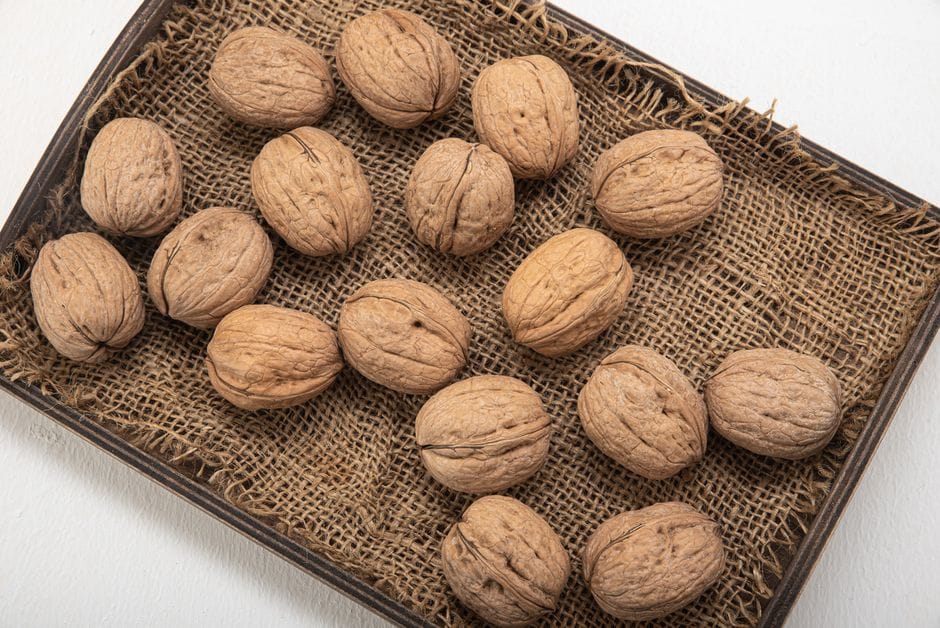
Walnut blasting is a carbon-removal procedure that shoots crushed walnut shells at high pressure into your engine’s intake ports to clean carbon build-up off intake valves. The process uses specialized equipment: a walnut blaster unit that holds the media, a compressed air supply (typically 90–120 PSI), and a nozzle that directs the stream precisely at the valve faces and ports. The walnut shells are screened to specific particle sizes—usually between 0.5mm and 1.5mm—which are hard enough to fracture carbon deposits but soft enough to avoid scratching or pitting the underlying metal surfaces.
The Direct-Injection Carbon Problem Explained
Direct injection engines—including GDI, FSI, TFSI, EcoBoost, and SkyActiv—inject fuel directly into the combustion chamber. This bypasses the intake valves entirely. There is no fuel detergent washing over the valves to keep them clean. Instead, oil vapors from the PCV system and combustion blow-by condense on the hot intake valves, baking into a hard carbon crust over time. This condition is known as Intake Valve Carbon Build-up (IVCB). Symptoms include rough idle, hesitation on acceleration, reduced fuel economy, and eventually misfire codes (P0300 series) or reduced power. The problem is most pronounced on turbocharged GDI engines, which run hotter and recirculate more oil vapor.
How Walnut Blasting Works: Media, Pressure, and Process
The procedure begins by removing the intake manifold to expose the intake ports. The technician rotates the crankshaft to close the valves on the cylinder being cleaned. They then seal the intake port with a specialized adapter that has a vacuum attachment. The blaster nozzle is inserted through the adapter, and crushed walnut shells are propelled at high velocity against the carbon deposits. The vacuum simultaneously extracts the spent media and dislodged carbon, preventing debris from entering the cylinder. Each valve typically takes 5–10 minutes of blasting, followed by a solvent wipe and visual inspection. The entire job—all four or six cylinders—usually takes 3–5 hours for a professional.
Walnut Blasting vs. Chemical Cleaners vs. Other Media
Chemical cleaners like Seafoam, CRC Intake Valve Cleaner, or BG 203 are sprayed into the intake while the engine runs. They can soften light carbon but rarely remove heavy, baked-on deposits. They also carry the risk of loosening large chunks that can damage valves or catalytic converters. Soda blasting is gentler but less effective on thick carbon. Glass bead blasting is too aggressive and can damage valve stem seals. Walnut shells strike the ideal balance. They are hard enough to fracture carbon, yet friable enough to shatter on impact without harming metal. This makes walnut blasting the industry standard for IVCB remediation.
Top Picks


Signs Your Engine Needs Walnut Blasting (Diagnostic Checklist)
Performance Symptoms
If your GDI vehicle exhibits any of the following, carbon build-up may be the culprit: rough or fluctuating idle, hesitation or stumbling during cold acceleration, a noticeable loss of low-end torque, reduced highway fuel economy (more than 10% drop), or intermittent misfire codes that return after clearing. These symptoms typically appear between 30,000 and 60,000 miles on turbocharged engines. Naturally aspirated GDI units usually show symptoms between 60,000 and 100,000 miles.
Diagnostic Verification
Before committing to walnut blasting, confirm the diagnosis. Use an OBD-II scanner to check for misfire codes (P0301–P0306) and fuel trim anomalies. Long-term fuel trim above +10% indicates the engine is compensating for restricted airflow. A borescope inspection through the spark plug hole or intake port is the definitive test—you will visually see the carbon crust on the valve stems and seats. Some shops also perform a cylinder leak-down test to rule out valve seal wear. This condition would require a different repair.
Mileage and Maintenance Triggers
As a rule of thumb, plan for walnut blasting every 40,000–60,000 miles on turbocharged GDI engines, and every 60,000–80,000 miles on naturally aspirated units. However, if you use high-quality synthetic oil, catch cans to reduce PCV oil vapor, and occasionally run a chemical cleaner, you may extend the interval. Conversely, short-trip driving, heavy traffic, and poor fuel quality accelerate carbon formation.
DIY vs. Professional Walnut Blasting: Cost, Tools, and Feasibility
Professional Service Costs
Professional walnut blasting typically ranges from $400 to $800 for a 4-cylinder engine, and $600 to $1,200 for a 6-cylinder or V8. This includes labor (3–5 hours), media, and the use of specialized equipment. Dealerships charge a premium, often $800–$1,200, while independent European or performance shops are usually more affordable. Some shops offer a package that includes new intake manifold gaskets and spark plugs, which adds $100–$200 to the total.
DIY Kits and Equipment
DIY walnut blasting kits are available for $200–$400 and include the blaster gun, intake adapters for your specific engine, and a media supply (typically 10–20 lbs of walnut shells). You will also need a shop compressor capable of delivering at least 10 CFM at 90 PSI, a vacuum with a fine filter bag, and basic hand tools to remove the intake manifold. If you already own a compressor, the DIY route can save you $300–$600 per job, and the kit pays for itself after one or two uses. However, the learning curve is steep—incorrect valve positioning or inadequate sealing can send media into the cylinder, causing catastrophic engine damage.
Feasibility Assessment
DIY walnut blasting is feasible for experienced home mechanics with good mechanical aptitude and access to service manuals or video guides. You must be comfortable removing the intake manifold, rotating the crankshaft manually
(using a breaker bar on the crank pulley bolt), and verifying each cylinder is at TDC with both valves closed. You also need a reliable vacuum setup to extract media in real-time. If you have any doubt about your ability to perform these steps correctly, the $400–$800 professional cost is a wise investment compared to a potential $3,000–$5,000 engine repair.
Step-by-Step Walnut Blasting Procedure (Professional Method)
Preparation and Disassembly
Begin by disconnecting the battery and allowing the engine to cool completely. Remove the engine cover, intake ducting, and any sensors or wiring harnesses that obstruct access to the intake manifold. Drain the coolant if the manifold is water-cooled (common on many European GDI engines). Label and disconnect all vacuum lines, fuel lines (if applicable), and electrical connectors. Remove the intake manifold bolts in a crisscross pattern and carefully lift the manifold away. Cover the open intake ports with clean rags or tape to prevent debris from falling in during disassembly.
Valve Positioning and Sealing
Rotate the crankshaft using a breaker bar and socket on the crank pulley bolt until the piston of cylinder #1 is at Top Dead Center (TDC) on the compression stroke—both intake and exhaust valves closed. Confirm this by feeling for compression through the spark plug hole or using a compression gauge. Install the intake adapter from your walnut blasting kit over the port, ensuring a tight seal. Connect the vacuum hose to the adapter’s vacuum port and verify strong suction. This vacuum is critical: it captures the spent media and carbon dust before it can enter the cylinder.
Blasting Technique
Fill the blaster with walnut shell media (typically 0.5–1.0 mm grade for intake valves). Set the compressor regulator to 90–100 PSI. Insert the blaster nozzle through the adapter’s access hole and begin blasting in a sweeping motion across the valve face and port walls. Work in short bursts, periodically stopping to inspect progress with a flashlight and mirror. The carbon should flake away cleanly, revealing bare metal. Pay special attention to the valve stem area and the valve seat contact surface. After blasting, use a pick or small screwdriver to gently dislodge any stubborn carbon chunks, then re-blast the area. Finally, spray a solvent like brake cleaner into the port and vacuum it out to remove any residual dust.
Reassembly and Verification
After all cylinders are cleaned, remove the adapters and inspect each port visually. Install new intake manifold gaskets and reattach the manifold, torquing bolts to spec in the correct sequence. Reconnect all sensors, hoses, and wiring. Refill coolant if drained. Reconnect the battery and start the engine. Expect some smoke from the exhaust initially as residual solvent burns off. Let the engine idle for 5 minutes, then take it for a test drive. Verify that idle is smooth, throttle response is crisp, and no misfire codes return. Re-scan with OBD-II to confirm fuel trims have normalized.
Safety Precautions and Common Mistakes to Avoid
Critical Safety Rules
Always wear safety glasses and a respirator rated for particulate matter—walnut dust is an irritant and can cause respiratory issues. Never blast with the engine running or warm; media can ignite or cause thermal shock. Ensure the vacuum is functioning before you begin blasting; a failed vacuum will allow media to enter the cylinder, which can score cylinder walls or lodge under valves. Never use excessive pressure above 120 PSI, as this can damage valve stem seals or bend valve faces. Always rotate the crankshaft manually—never use the starter motor—when positioning valves.
Common Mistakes
The most frequent DIY error is failing to verify both valves are fully closed before blasting. If an exhaust valve is slightly open, media can enter the exhaust port and damage the turbocharger or catalytic converter. Another common mistake is using too coarse a media grade (above 1.5 mm), which can pit aluminum ports. Conversely, media that is too fine (below 0.3 mm) is ineffective on thick carbon. Skipping the final solvent rinse leaves abrasive dust in the port, which will be ingested by the engine on startup. Finally, many DIYers forget to replace the intake manifold gaskets—reusing old gaskets often leads to vacuum leaks and rough idle after reassembly.
When NOT to Walnut Blast
Walnut blasting is not a cure-all. If your engine has excessive oil consumption (more than 1 quart per 1,000 miles), the root cause is likely worn valve guides or piston rings, not carbon build-up. Blasting will remove the carbon temporarily, but it will return quickly and the underlying problem remains. Similarly, if a borescope reveals heavy oil fouling on the valves (wet, oily deposits rather than dry carbon), you have a PCV system failure or turbo seal leak that must be fixed first. In these cases, walnut blasting is wasted money—address the mechanical issue before considering carbon cleaning.
Alternative Carbon-Cleaning Methods Compared
Chemical Induction Cleaning (Seafoam, CRC, BG)
Chemical cleaners are sprayed into the intake manifold while the engine idles, or added to the fuel tank. They are inexpensive ($10–$30 per treatment) and easy to apply, but their effectiveness is limited to light, oily deposits. On heavy carbon, they often fail to penetrate the hard crust. Worse, they can dislodge large chunks that get sucked into the combustion chamber, potentially damaging valves or spark plugs. For severe IVCB, chemical cleaning is a temporary band-aid at best.
Hydrogen / Ozone Decarbonization
This method introduces hydrogen gas or ozone into the intake while the engine runs at elevated RPM. The gas reacts with carbon, converting it to CO2 and water vapor. It is non-invasive and requires no disassembly, but results are inconsistent—many technicians report it only cleans the combustion chamber, not the intake valves. It is also expensive ($150–$300) and can be dangerous if not performed with proper ventilation and safety equipment. For intake valve carbon specifically, walnut blasting is far more reliable.
Soda Blasting and Glass Bead Blasting
Soda blasting (sodium bicarbonate) is gentler than walnut shells and is sometimes used on aluminum surfaces, but it is ineffective on thick, baked carbon. Glass bead blasting is too aggressive—it can erode valve stem seals and leave embedded particles that cause premature wear. Neither is recommended for intake valve cleaning. Walnut shells remain the preferred media because they are organic, friable, and leave no harmful residue.
Manual Scraping and Wire Brushing
Some DIYers attempt to scrape carbon off with picks, screwdrivers, or wire brushes. This is extremely labor-intensive, risks scratching valve faces, and often leaves residual carbon in hard-to-reach areas. It is only viable for very light deposits and is not a practical solution for a full IVCB remediation. Walnut blasting is faster, more thorough, and safer for the valve surfaces.
Tools, Equipment, and Media Specifications
Essential Equipment List
To perform walnut blasting, you need: a walnut blaster gun (available from OEM tool suppliers or aftermarket kits), a compressed air source (minimum 10 CFM at 90 PSI), a vacuum with a fine particulate filter bag, intake port adapters specific to your engine model, a set of hand tools for intake manifold removal, a torque wrench, a breaker bar and socket for crankshaft rotation, a borescope for inspection, and safety gear (gloves, goggles, respirator). Professional shops often use a dedicated walnut blasting machine with an integrated vacuum and media recovery system, which costs $1,500–$3,000.
Media Grade Selection
Walnut shell media is available in several grades. For intake valve cleaning, the optimal grade is 0.5–1.0 mm (sometimes labeled as “fine” or “medium-fine”). This size provides enough mass to fracture carbon without damaging aluminum. Coarser grades (1.5–2.5 mm) are used for
heavier deposits but carry a higher risk of surface damage. Finer grades (below 0.3 mm) are suitable for light cleaning but are less effective on baked-on carbon. Most professional kits include a 10–20 lb bag of 0.5–1.0 mm media, which is sufficient for a 4-cylinder engine. Replacement media costs $30–$60 per 10 lb bag. Always use food-grade, untreated walnut shells—never use walnut shell blasting media that has been mixed with abrasives or chemical additives.
Compressor and Vacuum Requirements
Your air compressor must deliver a minimum of 10 CFM at 90 PSI to maintain consistent blasting pressure. Smaller hobby compressors (2–5 CFM) will struggle and produce inconsistent results. The vacuum must have a fine filter bag (5-micron or finer) to capture walnut dust and carbon particles without clogging. A standard shop vacuum with a HEPA filter works, but you must empty it frequently. Professional setups use a cyclone separator between the vacuum and the adapter to prevent media from reaching the vacuum motor.
Intake Adapters and Sealing
Intake port adapters are engine-specific—they must match the port shape and bolt pattern of your intake manifold. Universal adapters are available but often leak, allowing media to escape. For European vehicles (VW/Audi, BMW, Mercedes), OEM or aftermarket kits are widely available. For Asian and American GDI engines, you may need to fabricate an adapter or use a universal kit with multiple inserts. A proper seal is non-negotiable: any gap will allow media to enter the cylinder or escape into the engine bay.
Cost-Benefit Analysis: Is Walnut Blasting Worth It?
Financial Perspective
Professional walnut blasting costs $400–$1,200 depending on engine configuration and shop rates. Compare this to the cost of ignoring the problem: reduced fuel economy (5–15% loss), potential catalytic converter damage from misfires ($800–$2,500 replacement), and accelerated engine wear from lean conditions. Over 20,000 miles, the fuel savings alone from restored efficiency can offset 30–50% of the service cost. For vehicles with high resale value or those you plan to keep long-term, walnut blasting is a sound investment.
Performance and Reliability Gains
After walnut blasting, most drivers report smoother idle, restored throttle response, and improved fuel economy (often 2–4 MPG on the highway). The engine also runs quieter, with less valve train noise. More importantly, walnut blasting prevents long-term damage: carbon build-up can eventually cause valve seat recession, leading to compression loss and expensive head repairs. By addressing IVCB proactively, you extend the life of your engine and avoid catastrophic failures.
When It’s NOT Worth It
If your vehicle has over 150,000 miles with significant oil consumption, or if you plan to sell it within 6 months, walnut blasting may not be cost-effective. Similarly, if the engine has other major issues (timing chain wear, turbo failure, head gasket leak), address those first—carbon cleaning is a maintenance item, not a repair. For high-mileage engines with multiple issues, the money is better spent on a replacement vehicle or a comprehensive engine overhaul.
Frequently Asked Questions (FAQ)
How Often Should I Get Walnut Blasting Done?
Most manufacturers and independent shops recommend walnut blasting every 40,000–60,000 miles for turbocharged GDI engines, and every 60,000–80,000 miles for naturally aspirated GDI engines. However, driving conditions matter—frequent short trips, heavy traffic, and poor fuel quality accelerate carbon formation. If you notice symptoms earlier, don’t wait for the mileage interval.
Can Walnut Blasting Damage My Engine?
When performed correctly, walnut blasting is safe and will not damage engine components. The walnut shells are softer than metal and will not scratch or pit valve surfaces. However, improper technique—such as blasting with valves open, using excessive pressure, or failing to seal the port—can cause serious damage. Always follow the manufacturer’s procedure or hire a qualified professional.
Does Walnut Blasting Fix All Carbon Problems?
No. Walnut blasting only cleans the intake valves and ports. It does not clean the combustion chamber, piston crowns, or fuel injectors. If you have carbon build-up in those areas, you may need additional treatments such as chemical decarbonization or injector cleaning. However, for most GDI engines, intake valve carbon is the primary issue, and walnut blasting addresses it effectively.
Can I Use Walnut Blasting on a Port-Injected Engine?
Technically yes, but it’s rarely necessary. Port-injected engines wash fuel over the intake valves, which naturally prevents carbon build-up. If you have a port-injected engine with carbon issues, it’s usually due to a different problem (e.g., oil burning, PCV failure) that should be diagnosed separately. Walnut blasting on a port-injected engine is typically a waste of money.
How Long Does Walnut Blasting Take?
A professional walnut blasting service typically takes 3–5 hours, including disassembly, cleaning, and reassembly. DIY jobs can take 6–10 hours if you’re working carefully and have the right tools. The actual blasting time per valve is only 5–10 minutes, but the intake manifold removal and reinstallation are the time-consuming parts.
Conclusion: Making the Right Call for Your Engine
Walnut blasting is the gold standard for removing intake valve carbon build-up on direct-injection engines. It is safe, effective, and cost-efficient when compared to the long-term damage caused by untreated IVCB. Whether you choose a professional service or tackle it as a DIY project, the key is to diagnose the problem correctly, use the right equipment and media, and follow proper safety procedures.
If you’re experiencing rough idle, reduced fuel economy, or misfire codes on your GDI vehicle, don’t ignore it. A borescope inspection will confirm whether carbon build-up is the culprit. If it is, walnut blasting is the definitive solution. With proper maintenance—including quality oil, catch cans, and occasional chemical treatments—you can extend the interval between walnut blasting services and keep your engine running smoothly for years to come.
Remember: walnut blasting is a maintenance procedure, not a repair. It restores your engine to its original performance level but does not fix underlying mechanical issues. Always address root causes like oil consumption or PCV system failures before investing in carbon cleaning. With the right approach, walnut blasting will keep your GDI engine performing at its best.
You might also like: best synthetic motor oil, diesel engine oil guide, best motor oil brand