Timing Belt Water Pump Replacement: Do Both Together?
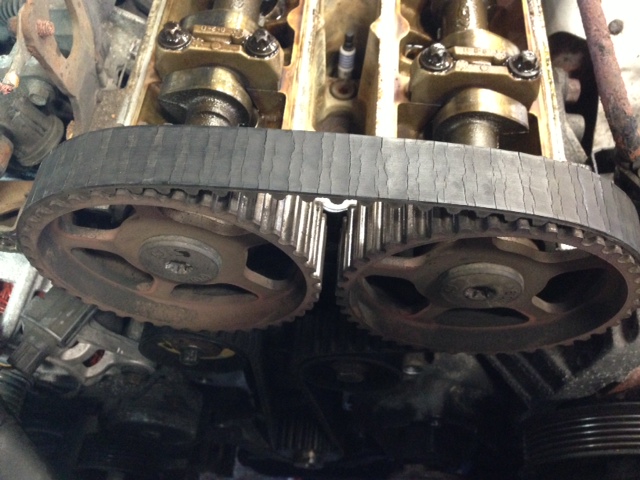
It was a rainy Tuesday in mid-November, the kind of damp morning that makes every old bolt in the shop feel like it’s been welded shut by time. A customer towed in a 2012 Honda Odyssey with a “no-start” condition. As soon as I pulled the upper timing cover, I saw it: a shredded belt and a water pump seized tighter than a drum. The kicker? He’d paid a cut-rate shop to replace just the belt 10,000 miles ago to “save” $150 on the pump. Now, he was looking at a $4,500 bill for a rebuilt head because the valves met the pistons in a very violent introduction.I’ve been an ASE-certified master tech for over 15 years, and if there is one hill I am willing to die on, it is this: when you perform a timing belt water pump replacement, you never, ever leave the old pump behind. It is the ultimate “while you’re in there” repair. In this guide, I’m going to break down the technical “why,” the actual costs, and the step-by-step process so you don’t end up like the guy with the Odyssey.
Quick Answer: Should you replace them together?
Quick Answer: Details
Yes.On most interference engines, the timing belt drives the water pump. If the pump leaks or seizes, it can snap or derail the belt, causing catastrophic engine failure. Since 90% of the labor cost is just getting to the belt, replacing the pump simultaneously is the only logical choice. You can find detailed breakdowns in our [timing belt replacement guide, water pump replacement, timing belt costs](timing-belt-replacement-guide, water-pump-replacement, timing-belt-replacement-cost).
The Anatomy of the Timing System
VehicleBar Affiliate Product Box
Parts & Tools You’ll Need
As an Amazon Associate, VehicleBar earns from qualifying purchases at no extra cost to you.
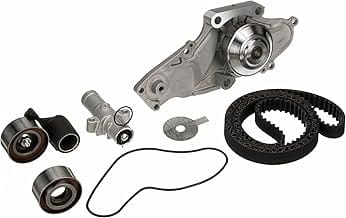
Parts
Tools
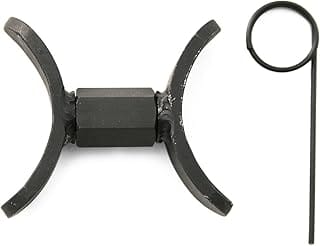
Timing alignment tools
CTA Tools 2670 Timing Belt Tensioner Compressor – Compatible with Toyota
End VehicleBar Affiliate Product Box
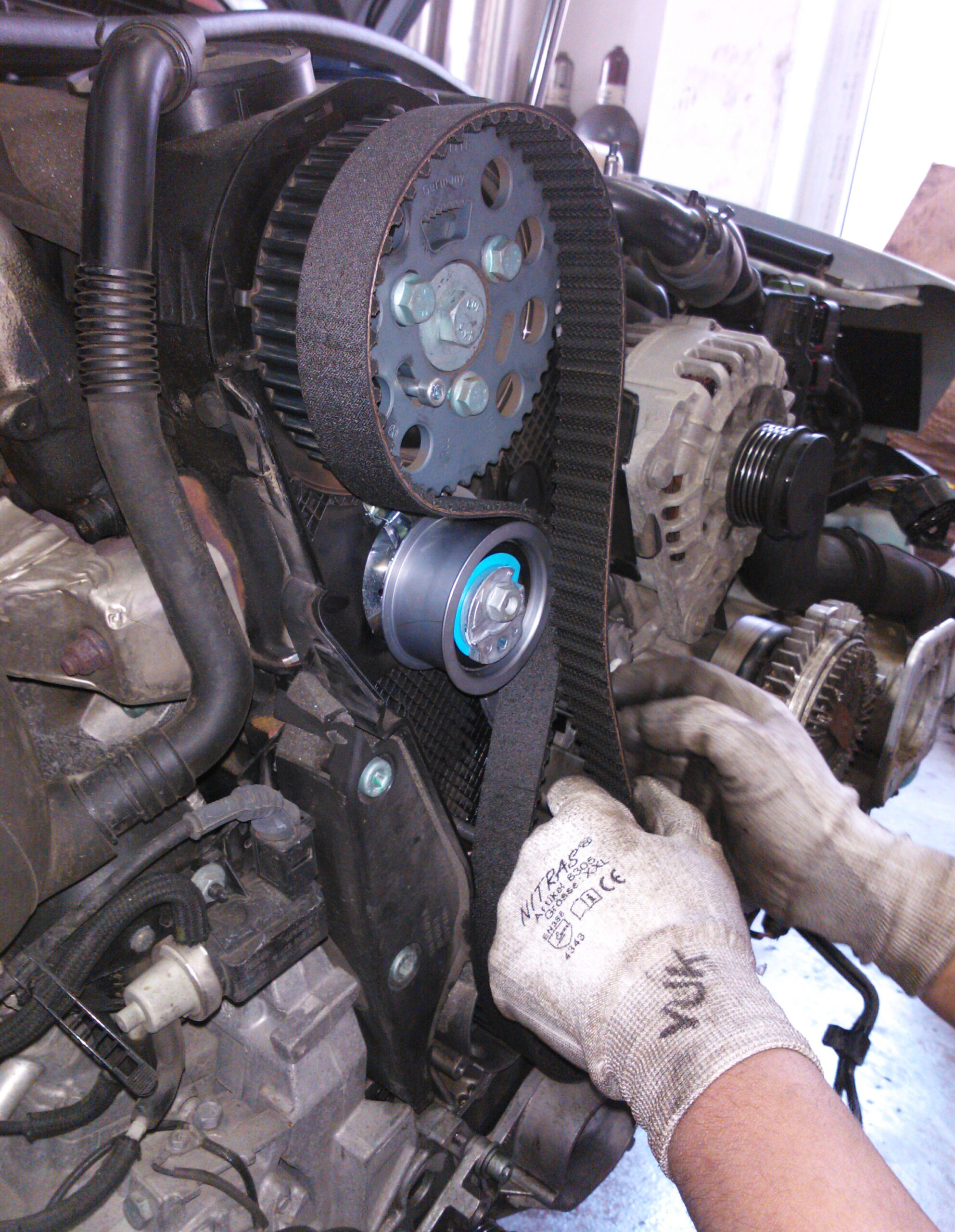
Most modern overhead cam (OHC) engines use a rubber-composite belt to synchronize the crankshaft and camshafts. In many designs—especially from Honda, Toyota, and VW—this belt also wraps around the water pump pulley. This means the water pump acts as an idler. If the bearing inside that pump starts to wobble or the internal seal fails, it introduces heat and friction directly onto the belt.
Common Torque Specs & Capacities
While every car is different, here are the standard values for a common 3.5L V6 (J-Series) engine, which is a staple in the DIY world:
| Component | Torque Specification | Notes |
|---|---|---|
| Crankshaft Bolt | 181 ft-lbs | Requires a 19mm weighted socket |
| Water Pump Bolts (M6) | 8.8 ft-lbs (106 in-lbs) | Do NOT overtighten; aluminum block strips easily |
| Timing Belt Tensioner | 9 ft-lbs | Always replace the hydraulic tensioner |
| Coolant Capacity | 1.8 – 2.2 Gallons | Use OEM Long-Life Blue/Pink (Premixed) |
Pro Tip:When choosing parts, I always recommend atiming belt and water pump kitfrom brands likeGates, Aisin, or Continental. Aisin is the actual OEM manufacturer for many Japanese brands. Avoid the “no-name” $60 kits on eBay; I’ve seen those belts snap in under 5,000 miles.
Required Tools & Materials
You can’t do this job with a basic $20 tool kit. Here is what you need to have on your bench before you pull the first plastic clip.
- Harmonic Balancer Socket:Specifically a “weighted” 19mm (for Honda/Acura) or 22mm (for Toyota). $30 on Amazon.
- Torque Wrench:You need two. A 1/2″ drive (up to 250 ft-lbs) and a 1/4″ drive (in-lbs) for the small water pump bolts.
- Coolant Funnel Kit:The “no-spill” type that attaches to the radiator neck. Essential for burping the air out.
- Paint Pen:For marking your timing marks. Don’t rely on your memory.
- Serpentine Belt Tool:To release the accessory belt tensioner in tight engine bays.
CRITICAL SAFETY WARNING
Battery Disconnect:Always disconnect the negative battery terminal. You will be working near the alternator and starter wiring. One accidental spark near a fuel line or a wrench grounding out can cause a fire.
Engine Support:On many FWD cars, you must remove the passenger-side engine mount. Ensure you have a floor jack with a wood block supporting the oil pan before removing mount bolts.
Step-By-Step Instructions
This process generally takes a seasoned DIYer 6-8 hours. Don’t rush it.
Access the System:Remove the passenger front wheel and the inner splash shield. Remove the serpentine belt and the crankshaft pulley (harmonic balancer).Safety: Use a jack stand; never trust a floor jack while your head is in the wheel well.
Set Top Dead Center (TDC):Rotate the crankshaft clockwise until the “0” mark aligns with the pointer on the engine block. Ensure the camshaft gear marks align with the marks on the rear cover or cylinder head.
Drain and Remove:Drain the radiator. Remove the timing belt tensioner and the belt. Unbolt the old water pump.Warning: About a quart of coolant will dump out of the pump housing even if the radiator is empty. Keep a bucket underneath.
Clean and Install:Clean the water pump mating surface with a Scotch-Brite pad. Install the newwater pump timing belt combocomponents. Torque the pump bolts in a star pattern to 106 in-lbs.
The Final Spin:After installing the new belt and pulling the tensioner pin, rotate the crankshaft 720 degrees (two full turns) by hand. If you feel any hard resistance,STOP. Your timing is off, and the pistons are hitting the valves.
Troubleshooting & Symptoms
If you aren’t sure if your timing belt water pump replacement is due, look for these “red flags” I see daily in the shop.
- The “Chirp” or “Whine”:A failing water pump bearing often sounds like a dry bird chirping. If the sound changes with engine RPM, it’s likely a pulley or the pump.
- The Pink/Blue Crust:Look at the bottom of the lower timing cover. If you see dried, crusty coolant (often pink for Toyota or blue for Honda), the water pump “weep hole” is leaking.
- Oil Contamination:If your front main seal or cam seals are leaking, oil will get on the belt. Oil rots rubber. If you see oil in the timing area,replace the belt immediately regardless of mileage.
Cost Analysis: DIY vs. Professional
The price gap here is massive because the labor is so intensive. Shops usually charge by the “Book Time,” which is often 4.5 to 7 hours.
| Expense | DIY Cost | Professional Shop |
|---|---|---|
| Parts (Premium Kit) | $180 – $350 | $400 – $600 (Markup) |
| Labor ($120/hr avg) | $0 (Your Saturday) | $600 – $1,100 |
| Specialty Tools | $50 – $100 | Included |
| Total | $230 – $450 | $1,000 – $1,700 |
By opting to replace water pump with timing belt yourself, you are essentially paying yourself about $150 an hour in savings.
Frequently Asked Questions
“My belt looks fine. Can I wait another 20,000 miles?”I get this all the time. Timing belts are reinforced with internal cords. They don’t usually “look” bad until the moment they strip their teeth. If you are at the 100,000-mile mark, you are playing Russian Roulette with your engine. Just change it.
“Does my car even have a timing belt?”Great question. Many newer cars (and most GDI engines) have switched to timing chains, which theoretically last the life of the engine. However, if you drive a Honda V6, a Subaru, or an older VW/Audi, you almost certainly have a belt that needs servicing every 60k-105k miles.
“What happens if I don’t change the water pump?”If the pump fails 10,000 miles later, you have to pay the exact same labor cost ($800+) all over again to replace a $60 part. Even worse, if the pump seizes, it snaps the belt, and your engine is likely scrap metal. It is the definition of “penny wise, pound foolish.”
The Mechanic’s Bottom Line
In 15 years of turning wrenches, I have never once had a customer regret spending the extra money for a timing belt water pump replacement combo. On the flip side, I’ve had dozens of customers cry in my lobby when I told them their engine was ruined because a $50 water pump bearing gave up and took the timing belt with it.
This is a “Difficult” rated DIY project, mostly due to the tight spaces and the high stakes. But if you take your time, use a timing belt and water pump kit from a reputable brand, and double-check your marks, you can save over $1,000. Just remember: torque everything to spec, and never skip the hand-rotation test before you turn that key. You’ve got this.