
Engine Air Filter vs Cabin Air Filter: What’s the Differe…
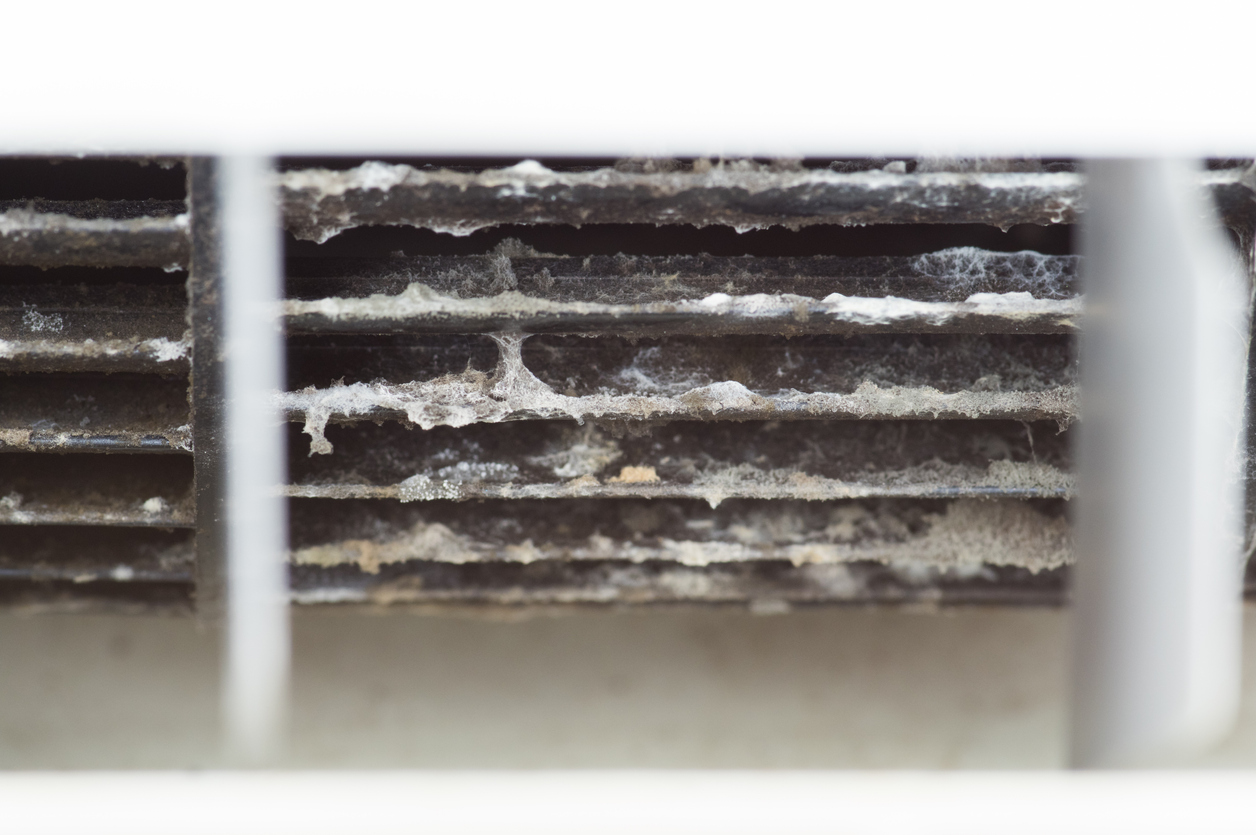
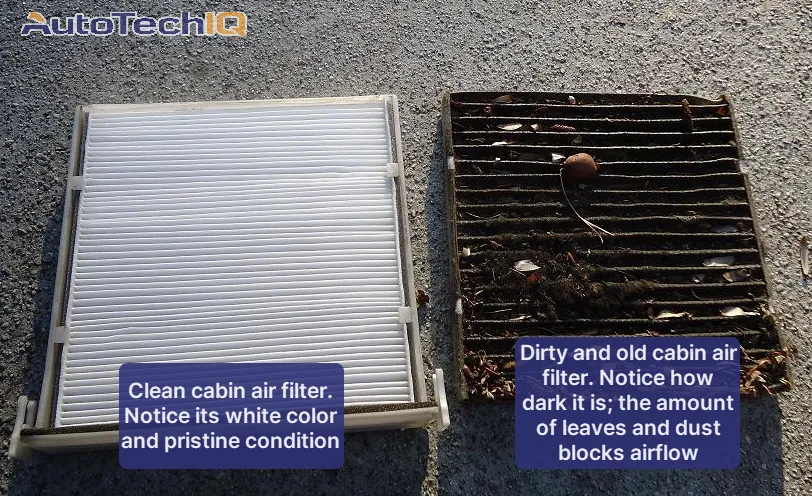
Last summer, it was one of those sticky August days where the shop fans couldn’t keep up. A lady brings in her 2015 Honda Accord, windows fogging up inside even with the AC blasting, and she’s complaining about a musty smell like old gym socks every time she turns on the vents. Her kids are in the back holding their noses. I pop the glove box, pull out the cabin air filter, and it’s black with mold and leaves—looked like a science experiment gone wrong. She had no idea there were two separate air filters in her car. Most folks mix up the engine air filter vs cabin air filter, thinking one’s enough. I’ve seen neglected engine filters cause sluggish acceleration and check engine lights, while bad cabin ones turn the interior into a pollen nightmare. That’s why I’m breaking it down for you today.
The engine air filter cleans air going into the engine for combustion—located under the hood in a black plastic box. Replace every 15,000-30,000 miles.
The cabin air filter (HVAC filter) cleans air blowing into the passenger compartment—usually behind the glove box. Replace every 15,000-30,000 miles or yearly for fresh interior air.
Both are cheap and easy DIY jobs that save you big over time.


The Big Differences: Engine vs Cabin Filter
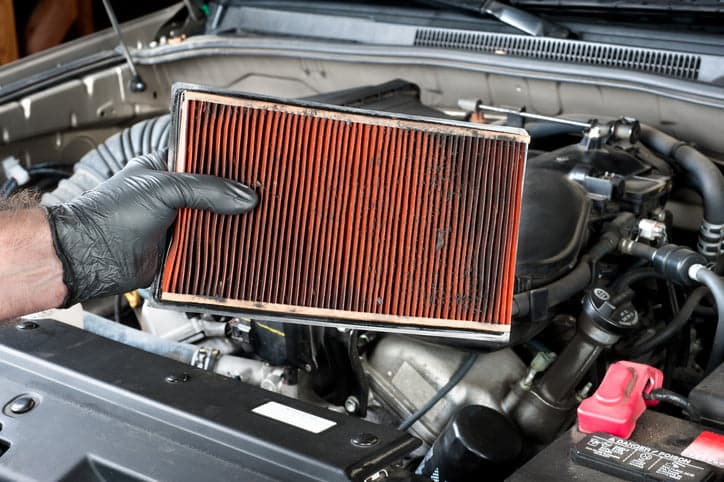
Think of it like this: the engine air filter is your motor’s lungs, sucking in huge volumes of air for burning fuel. It has to handle road dust, bugs, and debris at high flow rates. The cabin filter is like the mask you wear—filtering what you and your passengers breathe, catching pollen, exhaust fumes, and odors.
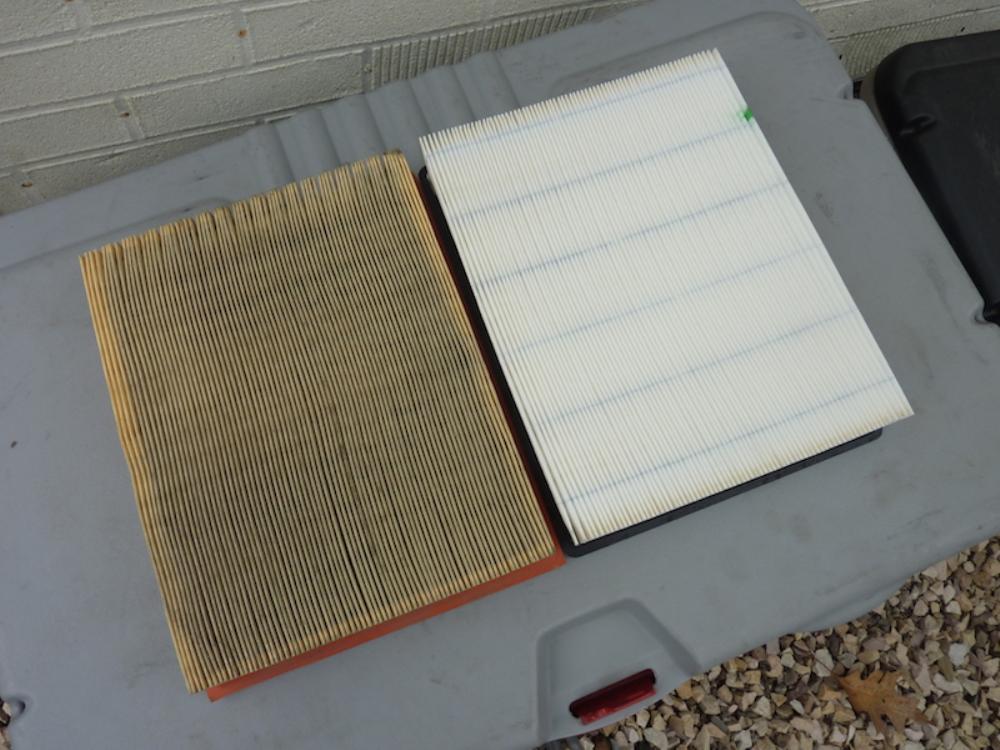
Engine filters are bigger, often rectangular or conical, made of pleated paper. Cabin filters are flatter, sometimes with activated carbon for smell control. Wrong one in the wrong spot? Won’t fit, and you’ll have problems fast.
| Feature | Engine Air Filter | Cabin Air Filter |
|---|---|---|
| Location | Under hood, air box near engine | Behind glove box or under dash/cowl |
| Purpose | Protects engine from dirt | Keeps cabin air clean and fresh |
| Size | Larger, high airflow | Smaller, pleated panel |
| Replacement Interval | 15k-30k miles | 15k-30k miles or yearly |
| Common Brands | FRAM Extra Guard, K&N, Purolator | FRAM Fresh Breeze, ATP, Bosch |


Air Filter Location and OEM vs Aftermarket Options
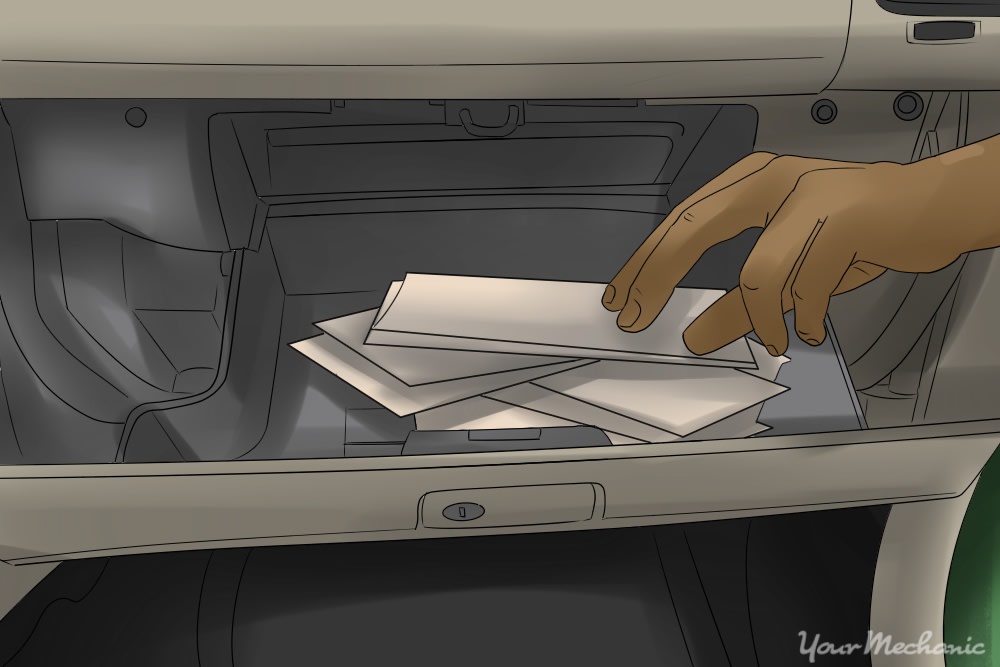
Engine air filter location is easy—pop the hood, look for the big black box with a hose going to the throttle body. Cabin filter? Drop the glove box (push in the sides on most Hondas/Toyotas) or remove a panel under the passenger dash.
Stick with OEM if you’re picky, but I’ve used FRAM, Purolator, and Wix for years with zero issues. FRAM Fresh Breeze cabin filters have baking soda for odors—great for that musty smell. K&N reusables flow better but need cleaning; fine for performance, but I prefer disposable for daily drivers.
Pro tip: Buy the carbon-activated cabin filter if you drive in traffic a lot. Costs a few bucks more but knocks down exhaust smells.
Tools & Materials List
- Must-have:None for most—clips or a Phillips screwdriver at worst.
- Nice to have:Flashlight, gloves (dirty filters are gross), shop vac for debris.
- Filters: Engine $15-40, Cabin $15-50 (Amazon/AutoZone carry all common ones).
- Total DIY: Under $100 for both.
Safety Warnings
Don’t drop dirtinto the intake when removing old engine filter—cover with a clean rag.
If you see mold on cabin filter and have allergies, wear a mask. Bad ones can kick up spores.
How to Replace Your Engine Air Filter
Check our full [engine air filter guide](how-to-replace-engine-air-filter) for vehicle-specifics, but here’s the basics:
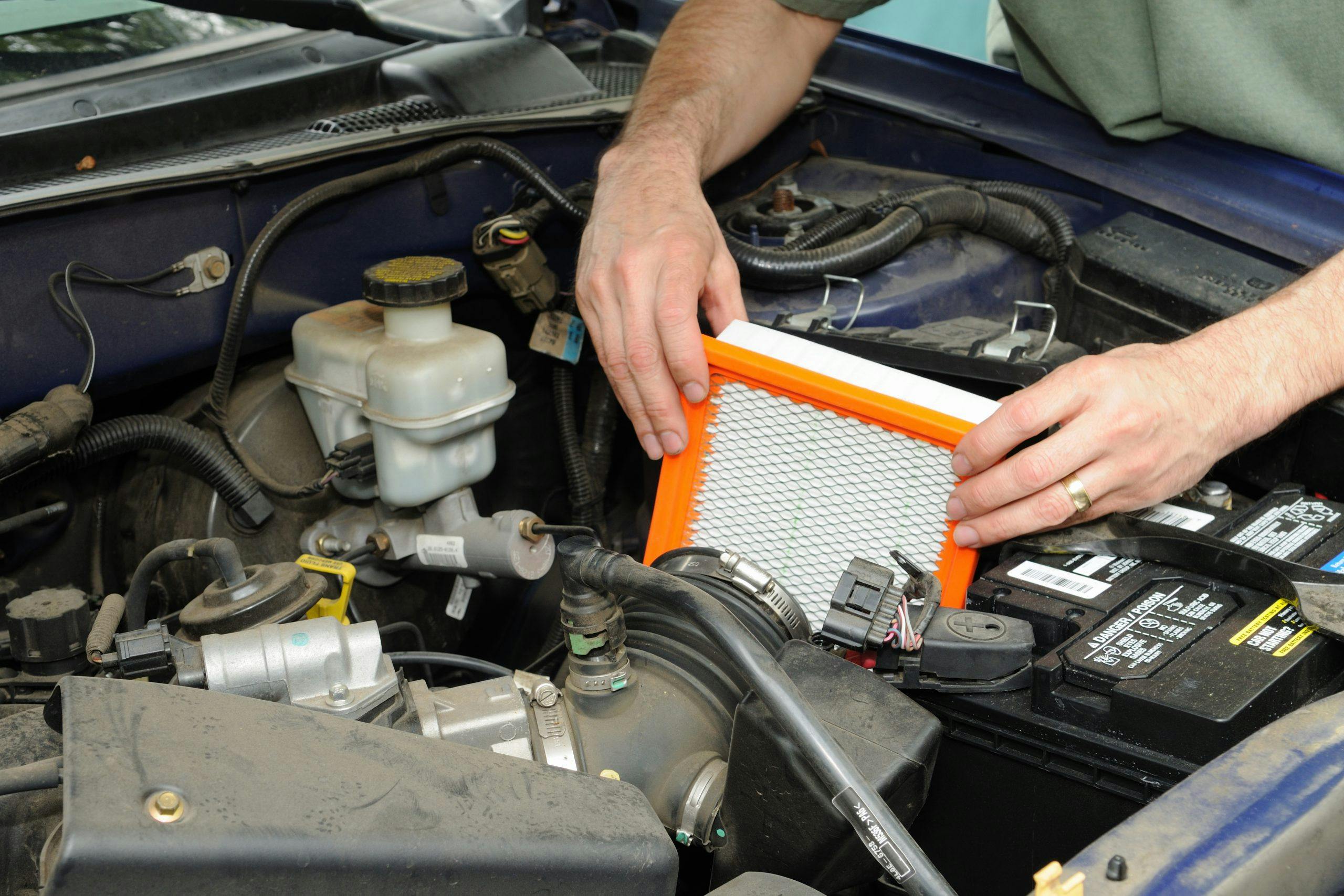
Open hood, locate air box.
Unclip or unscrew lid (usually 4-6 clips).
Lift old filter, note direction (airflow arrow).
Wipe box clean.
Install new filter, secure lid.
Time: 5-10 minutes. Easier than checking tire pressure.
Cabin Filter Replacement Steps
See our detailed [cabin filter replacement](cabin-air-filter-replacement) guide, especially if your AC smells bad—link to our [AC odor solutions](ac-smells-bad-fix).
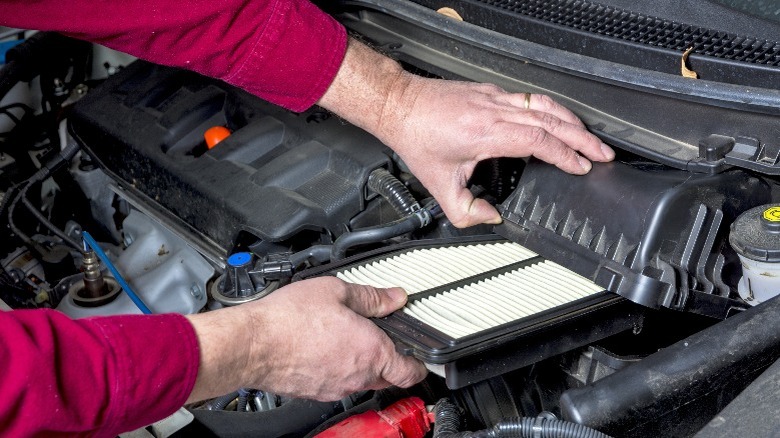
Empty glove box.
Release glove box stops (squeeze sides).
Remove cover panel, pull old filter.
Vacuum tray, insert new filter (arrow toward airflow).
Reassemble.
Time: 10-20 minutes. Some trucks need under-dash access—bit trickier.
Troubleshooting: Symptoms of Dirty Filters
Engine filter dirty? Sluggish throttle, worse gas mileage, check engine light, black smoke from exhaust.
Cabin filter clogged? Weak airflow, musty odors, foggy windows, more allergies, dusty dash.
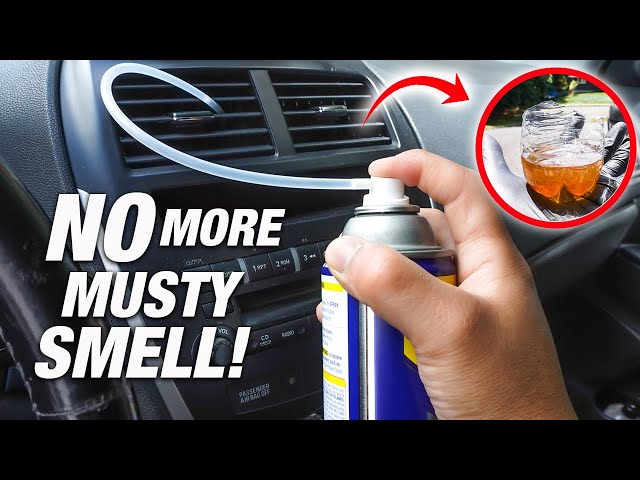
If AC smells like vinegar—mold in evaporator. Change cabin filter first, then try a cleaner. Still bad? See our [HVAC maintenance tips](hvac-system-maintenance).
Cost Analysis
DIY Cabin Filter:$15-50.
Both DIY:Under $100, 30 minutes total.
Shop:$50-150 per filter installed—dealers charge more.
Long-term: Clean filters save fuel, prevent repairs, keep you breathing easy.
Money-saving trick: Change both at oil changes. Parts stores often have buy-one-get-one deals.
FAQ
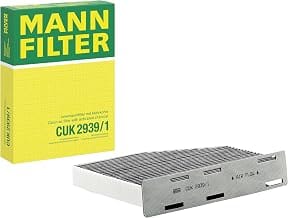
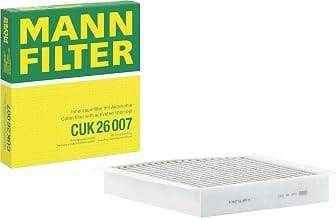
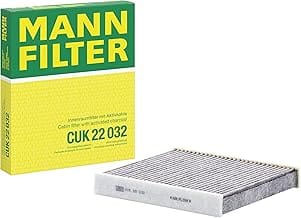
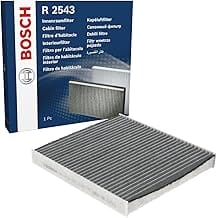
Top Engine Air Filter Vs Cabin Air Filter – Our Picks
Wrapping It Up From the Shop Floor
Bottom line: These two filters do completely different jobs, but ignoring either costs you. A clean engine air filter keeps your ride responsive and efficient—I’ve seen 2-3 mpg gains on dirty ones. Fresh cabin filter means no more musty smells or sneezing fits. Both are dead-easy DIYs, moderate at worst, and cost peanuts compared to repairs or bad health days.
Total for both fresh? Maybe $60 and an hour of your weekend. Do it yourself, breathe easy, and pocket the savings. From 20+ years turning wrenches—fresh filters are the cheapest performance and comfort upgrade you’ll ever buy.