It was a Tuesday afternoon in late November—rain tapping on the shop roof like a nervous drumbeat—and a 2014 Ford F-150 rolled in with the driver clutching his ear like it was ringing from artillery fire. “Sounds like a diesel with a coffee can full of bolts under the hood,” he said. I popped the hood, started the engine, and within 10 seconds knew exactly what it was: a failing belt tensioner with a seized bearing. The entire serpentine belt system was vibrating like a washing machine full of bricks. He’d already replaced the belt twice thinking it was the culprit. I showed him the wobble in the tensioner arm—just a fraction of an inch—and his face dropped. “That little thing?” Yep. That little thing powers your alternator, AC compressor, water pump, and more. And when it fails, everything goes sideways—fast.
Over 15 years as an ASE-certified master tech, I’ve seen dozens of engines ruined because someone ignored the early signs of a bad belt tensioner. Most folks blame the serpentine belt first, and while that’s often related, the root cause is usually the tensioner silently failing behind the scenes. Don’t be that guy who gets stranded with a cooked water pump or a dead alternator. In this guide, I’ll walk you through the 7 unmistakable symptoms of a bad belt tensioner, how to diagnose it like a pro, and exactly what it’ll cost to fix—whether you’re doing it yourself or paying a shop.
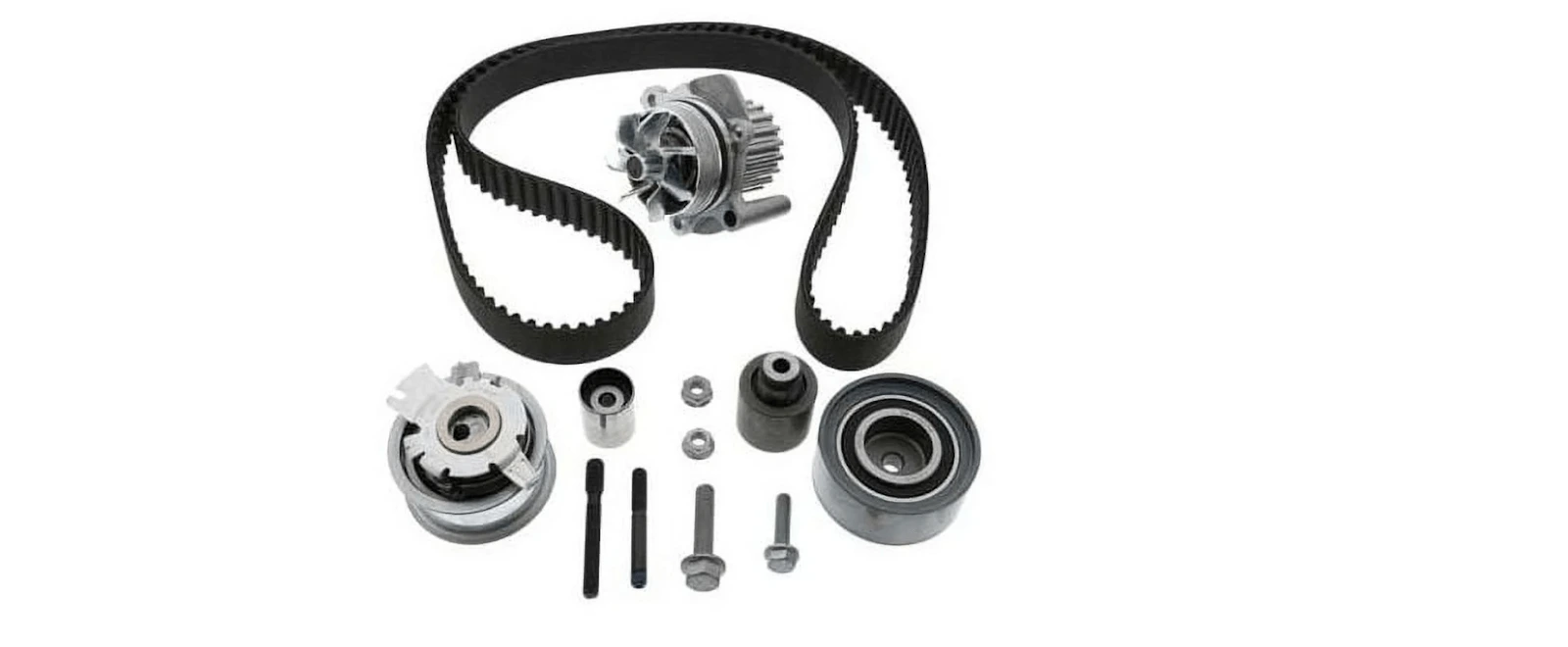
What Does a Belt Tensioner Actually Do?
Before we dive into symptoms, let’s level-set: your serpentine belt doesn’t just magically stay tight. It’s kept under precise pressure—usually between 80 and 120 pounds of force—by the belt tensioner. This spring-loaded or hydraulic device constantly adjusts to maintain proper belt tension as the engine runs, compensating for thermal expansion, belt stretch, and accessory load changes.
On most modern vehicles (2000 and newer), the tensioner includes a sealed bearing, a pivot arm, and an internal spring (or hydraulic damper in high-end applications like BMW or Mercedes). When any part of this system wears out—especially the bearing—you lose consistent tension. The belt slips, skips, or even jumps off entirely. And because this one belt drives your water pump, alternator, power steering pump (if hydraulic), and AC compressor, failure means you lose coolant circulation, charging, and steering assist—all at once.
I’ve seen 2016–2019 Honda Pilots lose water pumps after just 55,000 miles because the tensioner bearing started dragging. Honda even issued TSB 17-047 addressing premature tensioner wear on 3.5L V6 models. Likewise, GM’s 5.3L V8 engines (2014–2020 Silverado/Sierra) are notorious for tensioner arm wobble around 70,000 miles due to weak pivot bushings.
7 Warning Signs of a Bad Belt Tensioner
1. Squealing, Chirping, or Rattling Noises from the Front of the Engine
This is the most common complaint—and the most misdiagnosed. Most DIYers assume it’s a worn serpentine belt, and yes, a glazed or cracked belt will squeal. But if you’ve recently replaced the belt and the noise returns within a few weeks, the tensioner is likely the real offender.
Here’s how to tell the difference:
- Chirping (high-pitched, rhythmic): Often belt misalignment caused by a bent or wobbling tensioner pulley.
- Squealing (steady, worse on startup or AC engagement): Could be low tension allowing the belt to slip.
- Rattling or knocking (metallic, idle-speed noise): Classic sign of tensioner bearing failure. The bearing is dry, pitted, or seized, causing the pulley to knock against the housing.
Pro tip: Spray water on the belt while the engine is running. If the noise stops temporarily, it’s belt slippage due to low tension—not the belt itself.
2. Visible Wobble or Play in the Tensioner Arm
With the engine off, grab the tensioner pulley (use gloves!) and try to wiggle it side-to-side. There should be **zero** lateral play. Any movement—more than 1/16 inch—means the internal bearing or pivot shaft is worn.
[Diagram: Cross-section showing normal vs. wobbly tensioner arm with measurement callouts]
I check this on every oil change. On a 2018 Toyota Camry with the 2.5L 4-cylinder, I’ve seen the tensioner develop play at just 48,000 miles. Toyota uses a compact, non-serviceable unit (part #16671-0R010), and once it wobbles, it’s done.
3. Serpentine Belt Misalignment or Premature Wear
A healthy tensioner keeps the belt perfectly aligned with all pulleys. If the tensioner mount is bent or the arm is binding, the belt will ride off-center. Look for:
- Glazing (shiny, smooth rubber) on one edge
- Fraying or shredding on the belt ribs
- Rubber dust buildup on one side of the tensioner pulley
This uneven wear drastically shortens belt life and can cause sudden failure. Learn more about diagnosing serpentine belt noise and wear patterns in our dedicated guide.
4. Engine Overheating (Despite Coolant Level Being Fine)
If your water pump is belt-driven (most are), a slipping or loose belt won’t spin the pump fast enough. Result? Coolant isn’t circulating, and your engine overheats—even if the radiator is full and the thermostat is fine.
I had a customer in a 2015 Ram 1500 tow in after his “check engine” light came on with P0128 (coolant thermostat performance). We replaced the thermostat—no fix. Then we noticed the serpentine belt was glazed and the tensioner arm barely moved under load. Replaced both the belt tensioner and belt, and the overheating vanished.
5. Battery Warning Light or Electrical Issues
Your alternator is also belt-driven. If tension is too low, the alternator undercharges. Symptoms include:
- Dim headlights that brighten at higher RPM
- Slow cranking or frequent dead batteries
- Battery warning light on the dash
Before replacing the alternator (a $500+ mistake), test the belt tension. Use a belt tension gauge like the Gates 91130. Most OEM specs call for 80–120 lbs of force on the long span between the crank and alternator. If it’s below spec, the tensioner is likely fatigued.
6. Visible Rust, Cracks, or Oil Leaks Around the Tensioner
Inspect the tensioner housing. Rust spots, hairline cracks, or oil seepage around the mounting bolts are red flags. Oil contamination (from a leaking valve cover gasket, for example) can degrade the tensioner’s internal spring or bearing lubricant.
On VW/Audi 2.0T engines (2008–2014), I’ve seen tensioners fail prematurely when oil from the camshaft adjuster solenoid leaks onto the unit. The oil eats through the bearing seals in under 20,000 miles.
7. Belt Jumps Off or Completely Fails While Driving
This is the worst-case scenario—and it happens fast. One minute you’re cruising; the next, your power steering goes stiff, the battery light glows red, and steam pours from the hood. If the tensioner spring breaks or the arm seizes, the belt can derail instantly.
Never ignore intermittent noises or belt wobble. On a properly maintained system, the serpentine belt should last 60,000–100,000 miles. If it’s failing before 40,000, suspect the tensioner.
How to Diagnose a Failing Belt Tensioner: Step-by-Step
Here’s my go-to diagnostic routine—takes 15 minutes and costs nothing:
Visual Inspection: Open the hood and locate the serpentine belt routing diagram (usually on the radiator shroud or under the hood). Check the belt for cracks, fraying, or glazing. Then inspect the tensioner pulley for wobble, rust, or misalignment.
Check Tensioner Arm Movement: With the engine off, use a long breaker bar or pry bar to gently move the tensioner arm. It should move smoothly with spring resistance and return to position without sticking. If it’s stiff, noisy, or doesn’t return, the internal mechanism is failing.
Listen with a Stethoscope: Start the engine. Use a mechanic’s stethoscope (or a long screwdriver pressed to your ear) and touch the tensioner housing. A healthy unit is quiet. A failing belt tensioner will emit a grinding, whirring, or knocking sound from the bearing.
Measure Belt Tension (Optional but Recommended): Use a Gates Sonic Tension Meter or similar tool. Compare readings to OEM specs (e.g., Ford 3.5L EcoBoost: 100–110 lbs; Toyota 2AR-FE: 90–100 lbs). Consistently low readings point to a weak spring.
Check for TSBs: Search your VIN at NHTSA.gov or your manufacturer’s site. Many models have known tensioner issues covered under extended warranties or service campaigns.
Tools & Materials List
Must-Have Tools:
- 15mm or 18mm socket (most tensioners use these sizes for the release bolt)
- Long breaker bar or serpentine belt tool (e.g., OTC 4617 or Powerbuilt 648548)
- Torque wrench (accurate to ±5%)
- New belt tensioner and serpentine belt (OEM recommended)
- Safety glasses and nitrile gloves
Nice-to-Have (But Not Essential):
- Belt tension gauge (Gates 91130 – ~$120)
- Inspection mirror with LED light
- Dielectric grease (for electrical connectors if removing alternator)
Estimated Tool Cost: $0 if you already have basic sockets and a wrench. $30–$50 for a dedicated belt tool (available at AutoZone, O’Reilly, or Amazon).
Cost Analysis: DIY vs. Professional Repair
| Item | DYI Cost | Shop Cost |
|---|---|---|
| OEM Tensioner (e.g., Gates T42048) | $65–$95 | — |
| Serpentine Belt (e.g., Continental 4060915) | $30–$45 | — |
| Labor (DIY time: 1–1.5 hours) | $0 | $120–$220 |
| Total | $95–$140 | $215–$360 |
Pro Tip: Always replace the belt when you replace the tensioner—even if it looks okay. They wear as a system. I’ve seen brand-new tensioners fail within weeks because they were paired with a stretched, glazed belt.
Also, OEM vs. aftermarket matters. I’ve had mixed results with Dorman tensioners on GM trucks—they often develop noise within 18 months. Stick with Gates, Dayco, or OEM (ACDelco, Motorcraft, Toyota Genuine). The extra $20 is worth 50,000 miles of peace of mind.
When to Replace Your Belt Tensioner: Mileage Guidelines
There’s no universal mileage, but here’s what I’ve observed in the shop:
- Ford F-150 (2011–2020, 3.5L/5.0L): Replace at 75,000–90,000 miles
- Honda Pilot/CR-V (2016–2022, 3.5L/1.5T): Watch for noise after 60,000 miles
- Toyota Camry/Rav4 (2013–2023, 2.5L/2.0L): Typically lasts 100,000+ miles
- GM Silverado (2014–2020, 5.3L): Replace tensioner at 70,000 miles preventively
If you live in extreme climates (desert heat or sub-zero winters), reduce these intervals by 15–20%. Heat degrades springs; cold makes rubber brittle.
Common Mistakes to Avoid
Other rookie errors I see weekly:
- Overtightening the tensioner mounting bolt. Most specs are 18–25 ft-lbs. Over-torquing cracks the aluminum housing. Example: Toyota 2.5L = 21 ft-lbs (not 30!).
- Installing the belt incorrectly. Always follow the under-hood routing diagram. A flipped belt will shred in minutes.
- Ignoring the idler pulley. While you’re in there, spin the idler. If it’s noisy or wobbly, replace it too. Gates sells combo kits (tensioner + idler + belt) for many models.
FAQs: Real Questions from Real Customers
How much does it cost to replace a belt tensioner?
Diy: $95–$140 for parts. At a shop: $215–$360, depending on your vehicle and labor rates. Luxury brands (BMW, Mercedes) can exceed $500 due to accessory removal.
Can I drive with a bad belt tensioner?
Technically, yes—for a few miles. But it’s Russian roulette. A seized tensioner can snap the belt at highway speed, leaving you without power steering or coolant circulation. If you hear grinding or see wobble, stop driving and tow it.
Is belt tensioner noise the same as serpentine belt noise?
Not always. Belt noise is usually a consistent squeal or chirp. Tensioner noise is often a knock, rattle, or grinding that changes with engine speed. Use the water spray test or stethoscope to isolate the source.
How long does a belt tensioner last?
Typically 60,000 to 100,000 miles, but some fail as early as 40,000 (especially on turbocharged engines with high underhood temps). If your belt is due for replacement, inspect the tensioner—it’s the perfect time to catch early wear.
Can a bad tensioner cause check engine codes?
Indirectly, yes. If the alternator isn’t charging properly, you might see P0562 (system voltage low). If the water pump slows, P0128 or P0125 (coolant temp issues) can appear. Always check the belt system before replacing sensors or modules.
Do I need to replace the water pump when replacing the tensioner?
Only if it’s driven by the serpentine belt AND shows signs of failure (weep hole leakage, bearing noise). On most modern cars, the water pump is timing-belt-driven and unrelated. Check your service manual.
Final Thoughts: Don’t Ignore the Little Things
Replacing a belt tensioner is a **moderate-difficulty DIY job**—most folks can do it in under 90 minutes with basic tools. The total investment is under $150, and you’ll avoid hundreds in tow bills or engine repairs down the road.
From my bay-stained coveralls to your garage floor: that “little thing” under your hood is the silent guardian of your engine’s vital systems. When it fails, everything fails. But catching it early—thanks to these 7 symptoms—means you stay in control, save money, and keep your ride reliable.
I’ve lost count of how many customers told me, “I wish I’d listened to that noise sooner.” Don’t be one of them. Pop the hood this weekend. Give that tensioner a wiggle. Your engine will thank you.