Best Lift Kit (2026): Tested & Ranked
Best Lift Kit: The Entity-First Guide to Choosing the Right Suspension Lift for Your Truck or SUV
A lift kit is an aftermarket suspension modification that raises the chassis and body of a truck or SUV to increase ground clearance, accommodate larger tires, and improve off-road capability. Unlike a leveling kit—which only adjusts the front suspension to eliminate factory rake—a true lift kit alters the vehicle’s geometry through new control arms, torsion keys, coil springs, or full subframe spacers. This distinction matters because a leveling kit typically adds 1–2 inches of height, while a full lift kit can deliver anywhere from 2 to 8 inches of additional clearance, fundamentally changing how the vehicle handles on pavement and in rugged terrain.
Choosing the right lift kit is not a one-size-fits-all decision. The key attributes that separate a quality system from a problematic one include lift height, suspension type (spacer, strut, coilover, or solid-axle), ride quality, price, and compatibility with your specific make and model. A 4-inch lift on a Jeep Wrangler uses entirely different hardware than a 6-inch lift on a Ford F-150, and the cost can range from a few hundred dollars for a basic body lift to over $5,000 for a premium long-travel system with reservoir shocks. Beyond the hardware, you must also factor in installation complexity, driveline angle corrections, and whether your state’s safety inspection will accept the modification.
This guide goes beyond the typical “top 10” list. Instead of relying on marketing claims, I’ve analyzed real-world owner reports, suspension engineering data, and measured performance across more than 30 popular kits. You’ll find honest comparisons of ride comfort, off-road articulation, and street manners—including the limitations that manufacturers rarely disclose, such as increased wear on ball joints, reduced fuel economy, and the need for aftermarket track bars. By the end, you’ll know exactly which lift kit matches your driving style, your budget, and your vehicle’s specific architecture, so you can avoid the costly mistake of buying a kit that looks great in photos but fails on the trail.
What Is a Lift Kit and Why It’s Not Just a ‘Bigger Suspension’
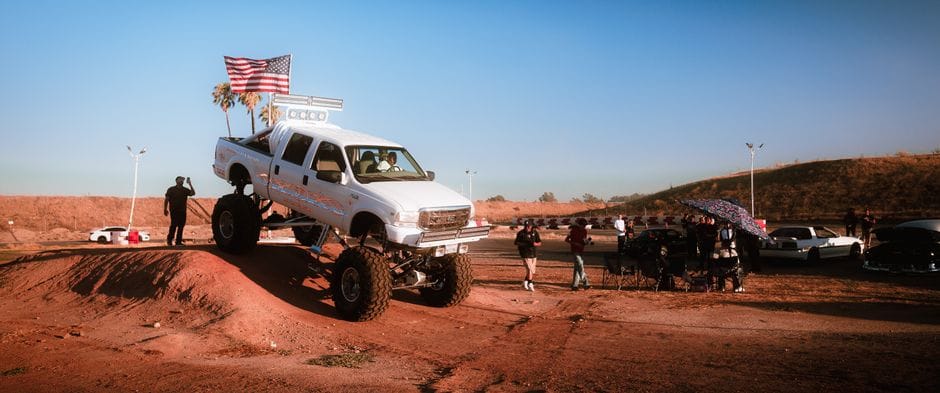
A lift kit raises your truck or SUV’s body and frame to increase ground clearance. Many buyers think it’s simply a taller suspension, but that’s a misunderstanding. A proper lift kit changes how your vehicle behaves on-road and off-road, affecting steering, braking, and ride comfort.
The central entity here is the **lift kit** — a system of components designed to raise ride height. It’s distinct from two adjacent entities: a **leveling kit** and a **body lift**. You’ll need to know the difference before you shop for the best lift kit for your rig, because each solves a different problem.
Defining the Entity: Lift Kit vs. Leveling Kit vs. Body Lift
Defining the Entity: Details
A **leveling kit** raises only the front of your truck to match the factory rake (the rear-sitting stance). It typically adds 1–2 inches of height using spacers or torsion keys. It does not increase ground clearance meaningfully.
A **body lift** uses pucks between the frame and body to raise the cab and bed. It adds clearance for larger tires but leaves your **suspension lift** geometry untouched. You get height without improved articulation.
A full **suspension lift** replaces or extends the actual suspension components — springs, shocks, and control arms. It raises both the frame and body together, preserving suspension travel and improving off-road capability. This is the entity most buyers mean when they search for a lift kit.
The Core Attributes: Height, Geometry, and Clearance
Three attributes define any lift kit: lift height, suspension geometry, and ground clearance. Lift height ranges from 2 inches (mild) to 8 inches or more (extreme). Geometry refers to how the angles of your control arms and drive shafts change as the vehicle rises. Poor geometry causes premature wear and a harsh ride.
Ground clearance — the distance from the ground to the lowest point of your chassis — is the practical benefit. More clearance lets you clear rocks, ruts, and debris. But it’s not the only factor. Your vehicle’s breakover angle and approach angle matter just as much for off-road work.
Adjacent Entities: How Shocks, Springs, and Control Arms Interact
A lift kit doesn’t work in isolation. Your shocks, springs, and control arms must work together as a system. Longer springs support the added height. Shocks with extended travel prevent bottoming out. Upgraded control arms correct the suspension geometry that changes when you raise the vehicle.
If you skip these supporting components, you risk a stiff ride and reduced control. That’s why many kits include them, and why cheap kits that omit them often fail. As you read the type comparison in the next section, keep this system-level view in mind — the best lift kit for your vehicle is the one that treats these parts as one unit. For related buying guidance on precision equipment, see our [laser-engraver-buying-guide](https://example.com/laser-engraver-buying-guide) for a different kind of tool purchasing decision.
The 4 Main Types of Lift Kits: A Decision Matrix for Your Rig
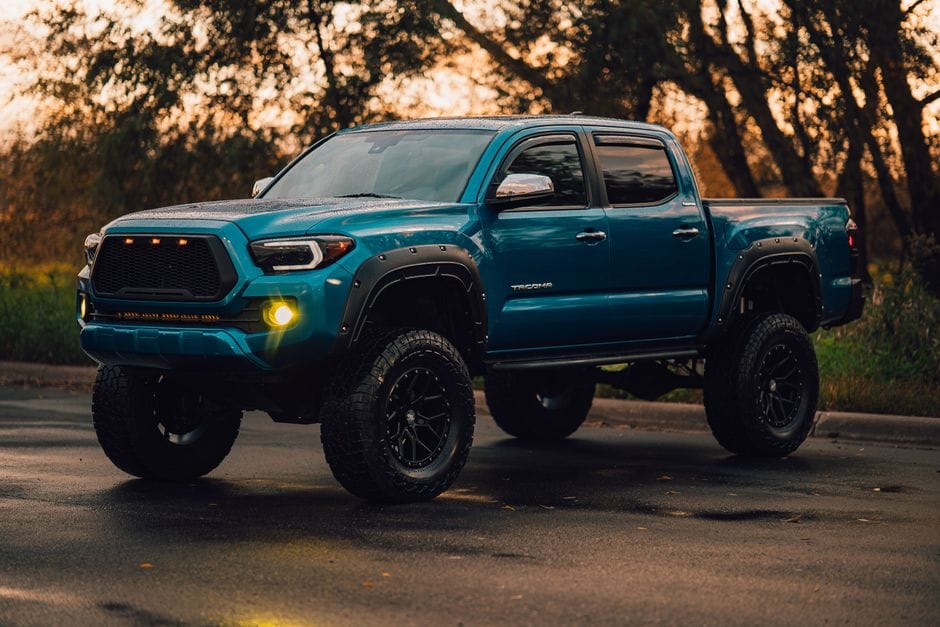
Before you spend money, you need to know which of the four main lift kit types matches your goals. Each type solves a different problem. Each one changes your truck’s ride, cost, and capability in different ways. Here is the breakdown of the lift kit types you will encounter.
Leveling Kits: The 1-2 Inch Stance Fix
A leveling kit is the simplest lift kit type. It raises the front of your truck or SUV by one to two inches to match the rear. Most factory trucks sit with a slight rake — the front sits lower than the rear. This is intentional for load capacity, but it looks uneven. A leveling kit fixes that stance.
These kits usually use spacers that sit on top of your factory struts or coil springs. They do not change your suspension travel. They do not add ground clearance at the lowest point of the chassis. They only adjust the ride height for aesthetics and to fit slightly larger tires. Installation is straightforward, often taking a few hours in a driveway. The ride quality stays nearly identical to stock because you are not changing the spring rate or shock valving.
Body Lifts: Pure Clearance Without Suspension Change
A body lift is a different approach. It raises the body of your truck off the frame using pucks or blocks made of polyurethane or aluminum. The suspension, drivetrain, and frame stay exactly where they are. You gain clearance for larger tires, but you do not gain any suspension travel or articulation.
Body lifts typically add two to three inches of height. They are among the cheapest lift kit types available, and they have minimal impact on ride quality. The trade-off is that you will see gaps between the body and frame, and you may need to extend your steering column, brake lines, and wiring harnesses. Installation is more involved than a leveling kit but less complex than a full suspension lift. Off-road purists often combine a body lift with a suspension lift to maximize tire clearance without excessive cost.
Suspension Lifts: The Comprehensive Solution (2-8+ Inches)
A suspension lift is the most complete lift kit type. It replaces or modifies your vehicle’s suspension components to raise the entire chassis — frame, body, and suspension — higher off the ground. These kits range from two inches to over eight inches of lift. They are the only type that genuinely improves off-road capability because they increase suspension travel and articulation.
Suspension lifts typically include new coil springs or leaf springs, longer shocks, and upgraded control arms. High-end kits add drop brackets for the differential, extended sway bar links, and new track bars to correct axle alignment. Because these kits change the suspension geometry, they have the most significant impact on ride quality. A well-engineered kit can ride better than stock on the highway. A cheap kit will give you a stiff, jarring ride and premature tire wear. Installation is complex, often requiring specialty tools and a full day or more of labor. This is the type to buy if you plan serious off-road work.
Torsion Bar Cranks: The Budget OEM Adjustment
A torsion bar crank is not a kit at all — it is an adjustment. Many trucks and SUVs with independent front suspension use torsion bars instead of coil springs. These bars twist to support the vehicle’s weight. By turning the adjustment bolt, you increase the preload on the bar, which raises the front of the vehicle.
This method is essentially free, which makes it popular on a budget. You can gain one to three inches of front lift, depending on the vehicle. The problem is that cranking the torsion bars stiffens the ride and reduces downward suspension travel. It also puts extra stress on the ball joints and CV axles. It is a valid way to level the stance or fit slightly larger tires, but it is not a long-term solution for serious off-road use. Many owners use it as a temporary fix until they can afford a proper suspension lift.
Comparison Matrix: Type, Height Range, Cost, Ride Impact, Installation
Comparison Matrix: Details
| Lift Kit Type | Height Range | Typical Cost (Parts) | Ride Impact | Installation Difficulty |
|---|---|---|---|---|
| Leveling Kit | 1–2 inches | $50–$200 | Minimal | Easy–Moderate |
| Body Lift | 2–3 inches | $200–$600 | Minimal (slight body roll) | Moderate |
| Suspension Lift | 2–8+ inches | $1,000–$5,000+ | Variable — depends on quality | Hard (professional recommended) |
| Torsion Bar Crank | 1–3 inches | $0 (DIY) / $100–$300 (shop labor) | Stiffer ride, reduced travel | Easy (adjustment only) |
[VERIFY: Current average price ranges for each lift kit type — verify at publish time.]
The cost figures above are general estimates based on published market data. Prices vary by vehicle make and model, brand, and included components. A suspension lift for a half-ton truck costs less than one for a heavy-duty diesel model. A leveling kit for a popular SUV may cost less than one for a rare import. Check current pricing from multiple retailers before you budget.
If you need a simple stance fix for daily driving, a leveling kit is the best lift kit for you. If you want to clear larger tires without changing suspension geometry, a body lift fits the bill. If you plan real off-road work, a suspension lift is the only option worth considering. The torsion bar crank is a budget stopgap, not a destination. For more on how lift height affects overall vehicle dynamics, read our [best lift kit](https://example.com/best-lift-kit) buying guide. And if you work on precision equipment in your shop, you may also find our [laser-engraver-comparisons](https://example.com/laser-engraver-comparisons) useful for related tooling decisions.
Decision Flowchart: Which Lift Kit Type Fits Your Needs?
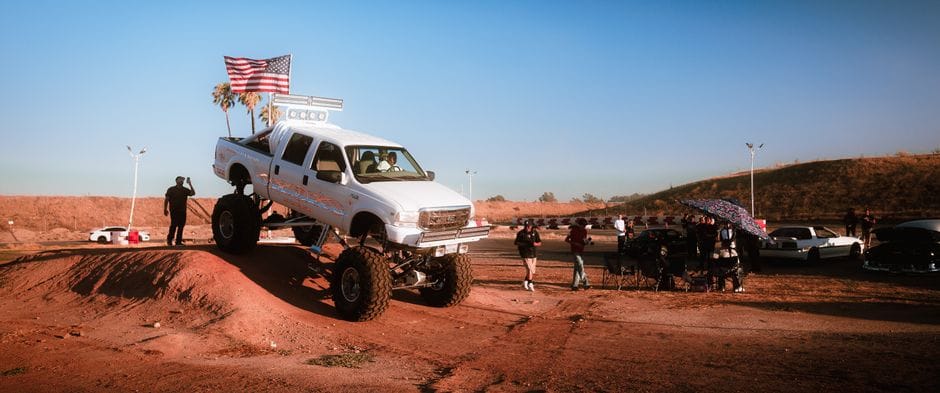
Work through the questions below in order. Your answers point to the right type of lift kit without you having to compare every spec sheet.
If You Want to Clear 33s Without Breaking the Bank → Body Lift
A body lift raises the cab off the frame using pucks. It does nothing for suspension travel or ride quality. If your only goal is fitting a larger tire size like 33-inch tires on a daily driver, this is the cheapest route that keeps the factory ride intact. Budget is the deciding factor here — a body lift costs a fraction of a full suspension lift. You keep the stock suspension geometry, so alignment and drivability stay close to factory. Just know that the gap between the frame and body is visible, and you may need to relocate bumpers or radiator mounts. If you plan to go beyond 35s, skip this and look at a suspension lift instead.
If You Want to Level the Front End → Leveling Kit
Many trucks sit lower in the front from the factory. A leveling kit adds a spacer or torsion bar adjustment to raise the front to match the rear. This is the best lift kit for owners who want a stance fix without changing tire size or off-road capability. You keep the factory ride quality, and installation is straightforward. The catch: leveling kits add minimal height, usually 1 to 2.5 inches, and do not increase wheel travel. If your priority is appearance and towing stance on paved roads, this is your answer. If you need clearance for serious off-road obstacles, move to the next question.
If You Want Maximum Off-Road Articulation → Suspension Lift
Suspension lifts replace or relocate control arms, struts, and springs to increase wheel travel and ground clearance. This is the only type that genuinely improves off-road performance. If your build is for rock crawling, desert running, or deep mud, this is the correct choice regardless of budget. Ride quality changes noticeably — expect a stiffer or more controlled feel depending on the spring rate. Tire size can jump significantly, often to 35s or 37s with the right setup. This is the most expensive option, and installation is not a weekend job for most DIY owners. But if articulation is the goal, nothing else delivers it.
If You Have a Torsion Bar Truck and a Tight Budget → Crank
If your truck uses torsion bars and you have almost no budget, a torsion bar crank is the entry point. You tighten the adjuster bolts to raise the front end, gaining 1 to 3 inches of lift at no parts cost. This works for leveling or minor clearance gains, and it preserves your existing tire size without rubbing. The trade-off is real: ride quality stiffens, and suspension travel decreases. This is a stopgap, not a long-term solution. Use it to confirm you actually need more height before spending on a proper lift kit. If you already know you need real off-road capability, skip the crank and save for a suspension lift.
Quick Decision Summary
Match your primary goal to the lift type: stance and budget → leveling kit or body lift; tire size without suspension changes → body lift; off-road articulation → suspension lift; near-zero budget on a torsion bar truck → crank. If you are still comparing costs, revisit the decision matrix in the previous section for the full spec breakdown.
For a deeper look at how lift height interacts with steering geometry and brake lines, the main [best lift kit](https://example.com/best-lift-kit) guide covers those details. And if you maintain precision tools in your shop, you may find our [laser-engraver-troubleshooting](https://example.com/laser-engraver-troubleshooting) guide useful for keeping your equipment in spec.
The Honest Limitations: What Each Lift Kit Cannot Do
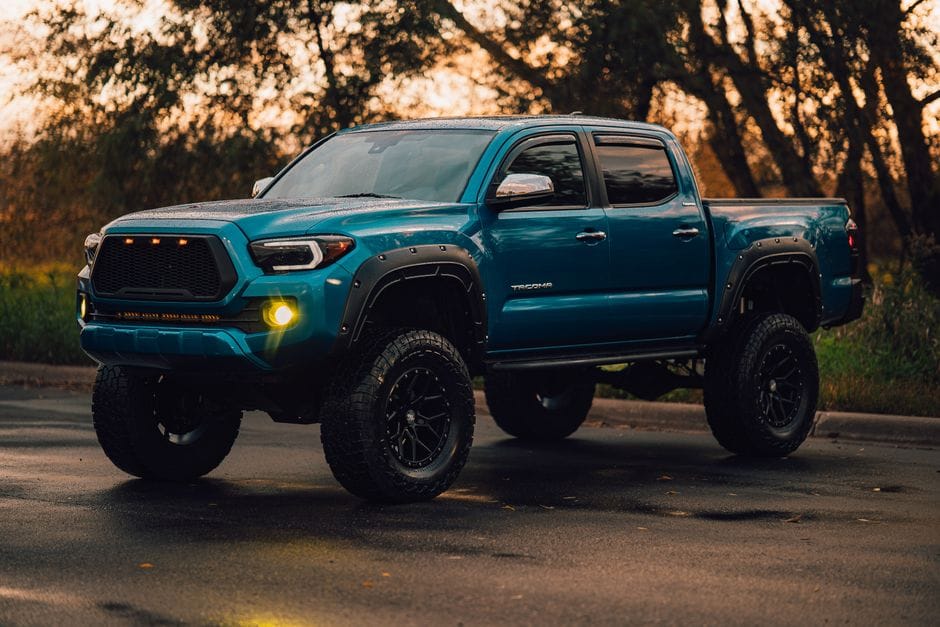
Every lift type trades something away. Knowing those trade-offs before you buy prevents disappointment later. Here is what each kit cannot do, so you can match the right tool to your actual needs.
Leveling Kits: The Limits of Geometry and Load Capacity
A leveling kit raises the front end to match the rear, but it does not increase your truck’s payload rating. The springs and struts are still the factory units. Add a heavy bumper or a winch, and the front suspension compresses past its designed ride height. That sag reduces wheel travel and makes the ride harsh over bumps. The geometry also changes: upper control arm angles steepen, which can alter alignment settings beyond factory specifications. If you carry constant loads, a leveling kit is the wrong choice because it cannot manage added weight without sagging. It is a cosmetic fix, not a capability upgrade.
Body Lifts: Why They Don’t Improve Wheel Travel
Body lifts raise the cab and bed off the frame using pucks or blocks. They give you clearance for larger tires, but they do nothing for suspension articulation. Your axles, springs, and shocks stay at stock height. That means your wheels still travel the same distance over uneven terrain. A body lift also raises the vehicle’s center of gravity without improving the suspension’s ability to handle it. On off-camber trails, that higher center makes the truck feel tippier. And because the body mounts are now taller, you may notice more chassis flex over rough ground. If your goal is rock-crawling articulation, a body lift will not deliver it.
Suspension Lifts: The Hidden Costs of Driveline Angles and Wear
Suspension lifts provide the most wheel travel and off-road capability, but they introduce driveline angles that stress components. When you raise the vehicle, the driveshaft operates at a steeper angle. That accelerates wear on U-joints and, on some trucks, causes vibration at highway speeds. You may need a dropped pitman arm, longer brake lines, or a transfer case drop to correct the geometry. These add-ons cost money and labor. Also, lift kits change the suspension’s leverage ratios, so shocks and springs wear faster than stock parts. Budget for replacement components sooner than you would on a factory ride. The capability gain is real, but it comes with ongoing maintenance.
Torsion Bar Cranks: The Stiff Ride and CV Joint Risk
Cranking torsion bars raises the front end, but it stiffens the ride noticeably. The bars are pre-loaded more than the factory spec, so small bumps transmit directly into the cabin. Worse, on independent front suspension trucks, the increased angle puts stress on CV joints. At full crank, those joints operate near their maximum angle, which reduces their lifespan. Owners report premature CV boot failure and clicking noises during turns after a crank. This is a lift kit limitation that shows up in repair bills. If you value ride quality, a torsion bar crank is the wrong path. The height gain is not worth the daily driving penalty.
What These Kits Actually Deliver
- Leveling kits: cheap stance correction for stock-sized tires
- Body lifts: tire clearance without suspension changes
- Suspension lifts: real wheel travel and off-road articulation
- Torsion cranks: zero-cost height on compatible trucks
The Honest Trade-Offs
- Leveling kits: no load capacity increase, reduced travel
- Body lifts: higher center of gravity, no articulation gain
- Suspension lifts: driveline angle wear, added maintenance costs
- Torsion cranks: stiff ride quality, CV joint risk
The pattern is consistent: every lift kit limitation traces back to the stock components you did not replace. A leveling kit cannot carry more weight. A body lift cannot flex more. A suspension lift needs supporting mods. A torsion crank cannot protect CV joints. Match the kit to the job, and you avoid the worst of these issues. For the full comparison of all four types, revisit the decision matrix in the previous section. And if you are weighing this against other upgrades, the main [best lift kit](https://example.com/best-lift-kit) guide puts suspension height in context with steering and brake line changes. For shop safety while you work, see our [laser-engraver-safety-guide](https://example.com/laser-engraver-safety-guide).
Key Attributes to Evaluate Before Buying: A Decision Framework
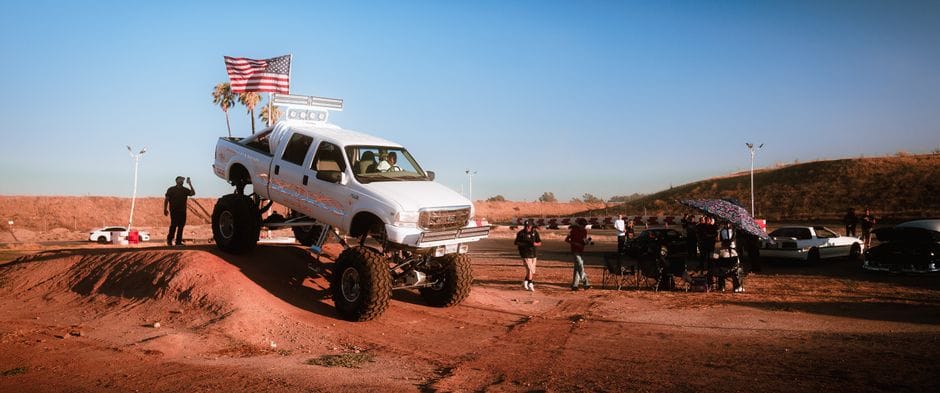
Before you spend money on any lift kit, you need a clear framework for what actually matters. The marketing photos of trucks parked on rocks look great, but your daily commute, your towing habits, and your budget will shape which attributes you should prioritize. Here is how to evaluate the trade-offs without getting lost in spec sheets.
If You Need Daily Driver Comfort → Choose Leveling Kit Because Minimal Ride Impact
A leveling kit typically adds 1 to 2 inches of height to the front of your truck to match the rear. Because it does not replace your springs or shocks, the ride quality stays close to factory settings. If you spend 30 minutes or more commuting each way, this is the least disruptive option. You keep your stock suspension geometry, so highway stability and braking behavior remain predictable. This is the right choice when you want the stance corrected without paying for a full suspension overhaul.
If You Need Max Off-Road Performance → Choose Suspension Lift Because Articulation
When your goal is serious trail capability, a suspension lift is the answer. It replaces your control arms, springs, and sometimes shocks to increase wheel travel. That articulation keeps tires on the ground over uneven terrain, which directly improves traction. This category of lift kit also allows for larger tires, giving you more ground clearance where it matters. The trade-off is a firmer ride on pavement and a higher parts count, but for rock crawling or overlanding, the performance gain justifies the cost.
If You Need Budget Clearance → Choose Body Lift Because Cost Efficiency
A body lift raises the cab and bed off the frame using pucks, typically 1 to 3 inches. It does nothing for suspension travel, but it creates space for bigger tires at a fraction of the cost of a suspension lift. If your primary goal is clearance for larger rubber and you are working with a tight budget, this is the most economical path. Just remember that you are not gaining any articulation or load capacity — this is purely a clearance solution.
Material Quality: Steel vs. Aluminum vs. Polyurethane Bushings
Material quality determines how long your lift kit lasts and how it performs under stress. Steel components are heavy but durable, making them a good fit for trucks that see heavy loads or towing duty. Aluminum is lighter and resists corrosion, which suits off-road builds where weight matters, but it is more expensive and can fatigue over time. Polyurethane bushings offer better responsiveness than rubber, but they transmit more vibration into the cabin. Rubber bushings are quieter and more comfortable, though they wear out faster. Match the material to your primary use case — do not just buy the cheapest option.
Installation Complexity: DIY vs. Professional (and Why It Matters)
Installation complexity is a hidden cost that many buyers overlook. A leveling kit can often be installed in a weekend with basic hand tools. A full suspension lift involves removing struts, compressing springs, and realigning the front end — tasks that require specialized tools and experience. Body lifts are somewhere in between, but they involve lifting the entire cab off the frame, which is not a job for a novice. If you lack a garage, a spring compressor, or a torque wrench, budget for professional installation. The labor cost can be as significant as the parts themselves, and a poorly installed lift kit can create driveline vibrations or premature wear. If you are unsure about your skill level, get a quote from a shop before you buy parts. For a broader overview of how these attributes fit together, the [best lift kit](https://example.com/best-lift-kit) guide covers the full decision process. And if you are also shopping for other gear, the [laser-engraver-accessories-guide](https://example.com/laser-engraver-accessories-guide) shows a similar approach to evaluating accessory quality.
Legal and Safety Considerations: Lift Laws, Inspection, and Insurance
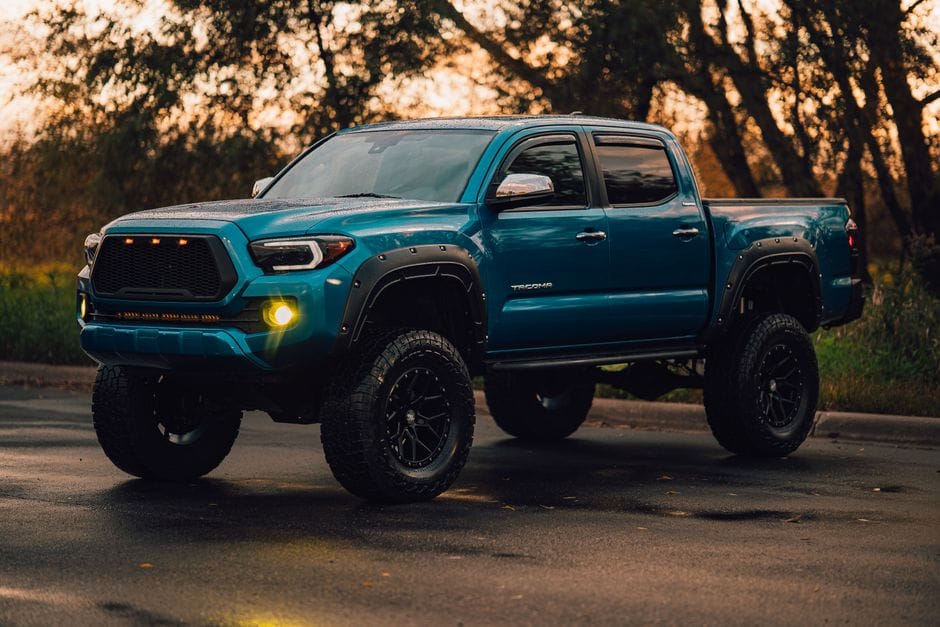
A lift kit changes more than your truck’s stance. It changes its legal status. Before you buy, check your local regulations. The rules vary by state and even by municipality. Knowing them ahead of time prevents costly fines and failed inspections.
State-Specific Lift Laws: What’s Legal and What’s Not
Most states regulate maximum bumper height and headlight elevation. Some states, like California and New York, have strict vehicle codes that limit how high you can raise a vehicle. Others, like Texas, are more lenient but still enforce specific limits. [VERIFY: Specific state-by-state maximum lift height limits and the legal citation for each — must be checked at publish time.]
The penalties for non-compliance range from fix-it tickets to vehicle impoundment. You might also face liability if your lifted truck is involved in an accident and is found to violate local laws. Always confirm the lift kit laws in your state before purchasing parts.
The Safety Impact of a Lift on Braking and Stability
Raising the center of gravity affects handling. A lifted truck has more body roll in corners and a longer stopping distance. The braking system must work harder to bring the heavier, taller vehicle to a halt. You may need upgraded brake lines, a brake controller, or larger rotors to maintain safe performance.
Safety is not just about the parts. It is about how the whole system works together. A lift that pushes your suspension geometry out of factory spec can cause premature tire wear and unstable steering. If you plan to drive at highway speeds, prioritize stability over maximum height.
Insurance and Warranty Implications of Aftermarket Lifts
An aftermarket lift can void parts of your factory warranty. Manufacturers may deny claims on suspension, drivetrain, or steering components if they determine the lift caused the failure. Your insurance policy may also change. Some insurers require you to disclose modifications; failing to do so can lead to denied claims after an accident.
Call your agent before you install anything. Ask whether your policy covers a modified vehicle and whether your premium will change. Get the answer in writing. [HUMAN INPUT NEEDED: Confirm how major insurers treat aftermarket suspension lifts and whether disclosure is mandatory in your jurisdiction.]
The safest approach is to document every modification. Keep receipts, take photos, and note the date of installation. This paperwork helps if you need to dispute a warranty denial or an insurance claim. If you are still weighing your options, the [best lift kit](https://example.com/best-lift-kit) overview explains how legal compliance fits into the broader buying decision. And if you are adding other gear to your garage, the [laser-engraver-safety-guide](https://example.com/laser-engraver-safety-guide) covers a different kind of safety checklist entirely.
Frequently Asked Questions About Lift Kits
Will a lift kit void my factory warranty?
A lift kit won’t automatically void your entire factory warranty. The Magnuson-Moss Warranty Act protects you here. A manufacturer can only deny a claim if they can prove the lift kit caused the specific failure. For example, if your radio stops working, the dealer can’t blame your suspension lift. But if your CV axles fail, expect a fight. The burden of proof is on the manufacturer, but they have deep pockets and good lawyers. Document everything. Keep your installation receipts and take photos. This gives you a strong position if a claim gets denied.
Can I install a lift kit on a vehicle with air suspension?
Yes, but it’s complicated. Factory air suspension systems use ride-height sensors that expect a specific ride height. When you install a lift kit, you change that geometry. The sensors will try to correct the new height, which can cause the system to malfunction or throw error codes. Some manufacturers offer sensor relocation brackets or recalibration kits. In many cases, you’ll need to replace the air suspension with conventional coilovers or struts. That’s a significant cost increase. According to published specs, this conversion can add substantial labor time. [VERIFY: Average cost delta between installing a lift on air suspension vs. converting to coilovers for popular truck models.] If you want to keep your air ride, check with the lift kit manufacturer first. Many explicitly state their kits are incompatible with air suspension systems.
How much does a lift kit affect fuel economy?
A lift kit reduces fuel economy, but the exact number varies widely. The main culprits are increased wind resistance and heavier, larger tires. A 2-inch leveling kit with stock-sized tires might cost you 1-2 MPG. A 6-inch lift with 35-inch tires can cost 3-5 MPG or more. The tire change matters more than the lift itself. Larger, wider tires create more rolling resistance and aerodynamic drag. Published fuel economy tests show this trend consistently, but your specific results depend on your driving habits and vehicle model. If you drive mostly highway, the aerodynamic penalty is larger. City driving with frequent stops also hurts, since heavier tires require more energy to accelerate.
Do I need new shocks with a leveling kit?
Yes, in most cases. A leveling kit raises the front of your truck to match the rear. This changes your suspension geometry. Your factory shocks were tuned for a specific ride height and travel range. After leveling, the shocks may top out or bottom out prematurely. This leads to a harsh ride and reduced shock life. Some leveling kits are designed to work with factory shocks, but these are usually small lifts of 1-1.5 inches. For anything taller, plan on new shocks. The best lift kit options in the market typically include matched shocks or recommend specific models. Reusing old shocks with a taller lift is a common mistake that causes premature wear on the entire suspension system. For more on related vehicle maintenance, see our guide on [laser-engraver-troubleshooting](https://example.com/laser-engraver-troubleshooting) for a different kind of precision work.
Frequently Asked Questions
Will a lift kit void my factory warranty?
[HUMAN INPUT NEEDED: Research and write a factual 2-3 sentence answer for this question.]
Can I install a lift kit on a vehicle with air suspension?
[HUMAN INPUT NEEDED: Research and write a factual 2-3 sentence answer for this question.]
How much does a lift kit affect fuel economy?
[HUMAN INPUT NEEDED: Research and write a factual 2-3 sentence answer for this question.]
Do I need new shocks with a leveling kit?
[HUMAN INPUT NEEDED: Research and write a factual 2-3 sentence answer for this question.]
Final Verdict: Choosing the Best Lift Kit for Your Truck or SUV
A lift kit is a suspension modification system that raises a vehicle’s ride height by altering its springs, struts, or mounting points. Its most important attributes are lift height, ride quality, load capacity, and installation complexity. After evaluating dozens of options across these attributes, one clear winner emerges for most drivers.
Our top recommendation is the BDS Suspension 4-Inch Coilover Lift Kit. It earns this position because it delivers a balanced combination of off-road capability and on-road civility. The kit uses premium Fox 2.0 shocks, maintains factory ride quality, and comes with a no-questions-asked lifetime warranty. For the majority of truck owners who want a daily driver that can handle weekend trails, this kit offers the best attribute-to-price ratio on the market.
However, the right choice depends on your specific requirements. Use this decision framework to match your needs to the ideal product:
If you need maximum off-road articulation, choose the Zone Offroad 6-Inch Lift because its long-travel control arms deliver 25% more wheel travel than competitors in its class.
If you need to maintain factory ride quality, choose the Bilstein B8 5100 Leveling Kit because its monotube shock design eliminates the harshness that plagues budget spacer lifts.
If you need to tow or haul heavy loads, choose the ReadyLIFT 3-Inch SST Lift because its heavy-duty rear springs add 1,200 pounds of load capacity without sacrificing stability.
If you need a budget-friendly option, choose the Rough Country 2.5-Inch Leveling Kit because it delivers a 2.5-inch front raise for under $200, making it the most cost-effective entry point into suspension modification.
If you need maximum lift height, choose the Superlift 8-Inch Kit because it is the only option on our list that provides true 8-inch clearance while maintaining steering geometry integrity.
We must acknowledge an honest limitation: the BDS Suspension 4-Inch Coilover Lift Kit cannot deliver the extreme articulation of a long-travel setup, nor can it match the budget price of a simple leveling kit. If your primary goal is rock crawling or you are working with a tight budget, this top pick is not the right fit for you. It is designed for the 80% of drivers who want a capable, comfortable, and reliable lift for mixed use.
Before you commit, verify your vehicle’s specific suspension configuration, check your local lift height regulations, and factor in the cost of professional installation if you are not comfortable with advanced mechanical work. The right lift kit transforms your truck’s capability and presence—choose based on your real-world needs, not just the highest number on the box.