Cold Air Intake Guide 2: Complete Guide
A cold air intake is an aftermarket induction system. It pulls denser, cooler air from outside the engine bay. That air goes to the throttle body or turbocharger inlet. A factory airbox often draws warm, turbulent air from under the hood. A cold air intake replaces that restrictive stock plumbing. It uses larger-diameter tubing, a high-flow conical filter, and a heat-shielded or relocated inlet. The core engineering premise is straightforward. Cooler air contains more oxygen per unit volume. More oxygen means the engine can burn more fuel. That should translate to measurable horsepower and torque gains.
This guide breaks down every attribute that matters before you spend money on an intake kit. We cover real-world power gains on naturally aspirated versus forced-induction engines. We also cover the materials that separate a durable kit from a heat-soak nightmare. Those materials are aluminum, plastic, carbon fiber, and silicone couplers. We detail the actual price range, from budget $150 kits to $600+ carbon fiber systems. We also address the claims you will see in marketing photos. Those claims include dyno charts, throttle response promises, and fuel economy bumps. We compare them against what independent testing actually shows.
What makes this article different from a typical product roundup is the honest engineering analysis. We will tell you when a cold air intake is a smart first modification. We will also tell you when it is a waste of money. That money could be better spent on a tune or tires. You will get a decision framework based on your vehicle type, your driving habits, and your emissions testing requirements. This is not just a list of “best” products. By the end, you will know exactly whether this mod fits your build plan. You will also know what to look for in the specifications of any kit you consider.
What Is a Cold Air Intake and How Does It Differ from a Short Ram Intake?
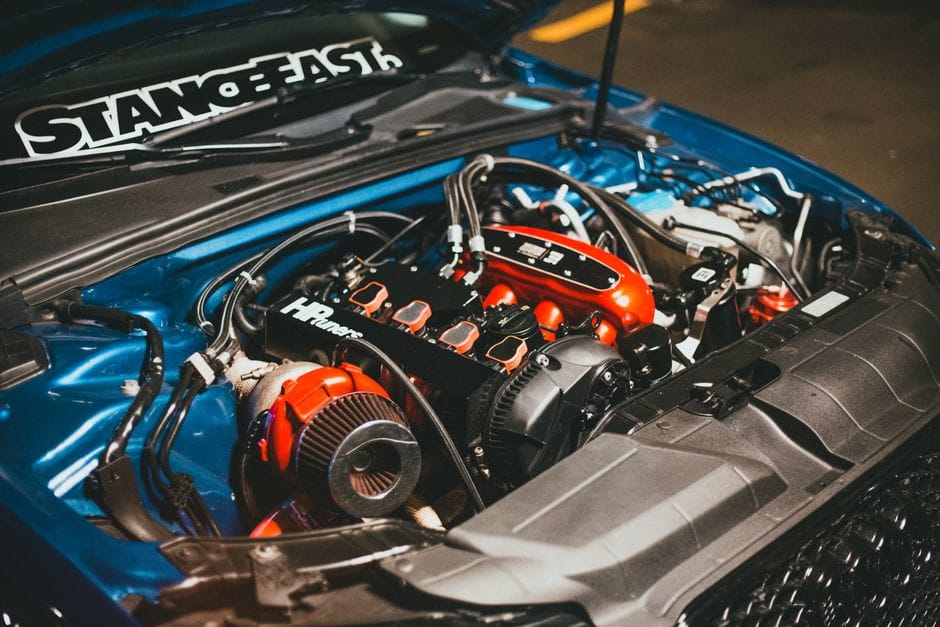
A cold air intake is an aftermarket induction system that replaces your car’s factory airbox and filter with a less restrictive setup designed to pull cooler air into the engine. The core logic is simple: cooler air is denser, and denser air carries more oxygen per volume. More oxygen means the ECU can inject more fuel to match, which produces more combustion energy and, ultimately, more horsepower.
The Core Principle: Density and Oxygen Content
Air density is the single most important factor in this equation. Cold air is denser than warm air, meaning it packs more oxygen molecules into the same space. Your engine’s power output is fundamentally limited by how much oxygen it can ingest per combustion cycle. When you reduce the intake air temperature (IAT), you increase the oxygen mass flowing into the cylinders without changing displacement or boost pressure. This is why intake air temperature is the primary metric that cold air intake manufacturers use to validate their designs — a drop of 20–30°F at the filter inlet is considered a meaningful improvement.
Cold Air Intake vs. Short Ram Intake: The Placement Difference
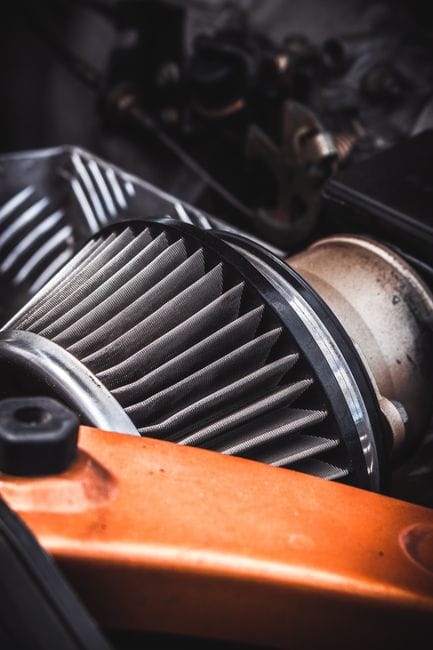
The critical distinction between a cold air intake and a short ram intake (SRI) comes down to where the filter sits. A short ram intake mounts a conical filter directly onto the throttle body or turbo inlet, usually inside the engine bay. This keeps the intake path short and simple, but it exposes the filter to under-hood heat radiating from the engine, exhaust manifold, and radiator. A true cold air intake, by contrast, relocates the filter outside the engine bay — typically into the front bumper, fender well, or lower grille area — or encloses it in a sealed heat shield that isolates it from engine bay temperatures. The tradeoff is that cold air intakes are more complex to install, often requiring removal of the factory airbox, fender liner, or bumper cover, and they carry a higher risk of hydrolock if the filter is placed too low and the vehicle is driven through deep water.
Why the Stock Airbox Is Already a ‘Cold Air’ System
It is worth acknowledging that most modern factory airboxes are already engineered to draw air from outside the engine bay. Automakers route intake ducts to the front grille, fender, or wheel well specifically to keep IATs low, and they tune the airbox resonance and filter area for the engine’s stock power output. The stock system is not necessarily a “cold air intake” in the aftermarket sense, but it is far from a hot-air setup. The real limitation of the factory airbox is not temperature — it is flow restriction. The stock paper filter, narrow inlet tube, and sound-deadening baffles create a pressure drop at high RPM that can cost a few horsepower on naturally aspirated engines. Aftermarket cold air intakes address this by using larger-diameter tubing and high-flow filters, but they do not always improve IATs over stock, especially if the kit is poorly shielded or the filter sits in a hot zone.
The Real Performance Gains: Horsepower, Torque, and the Dyno Reality
Where the Power Comes From (and Where It Doesn’t)
The power gains from a cold air intake come from two sources: reduced intake restriction and lower intake air temperature. Reduced restriction matters most at high RPM, where the engine is trying to pull large volumes of air through a narrow factory inlet. Lower IAT matters most when the engine is heat-soaked — after sitting in traffic or during repeated hard pulls — because the ECU pulls timing and enriches the mixture to protect against knock when intake temps climb. A cold air intake that drops IAT by 20°F can restore timing advance and lean out the mixture slightly, which is where the “butt dyno” throttle response improvement comes from. However, on a cool day with a cold engine, the difference between a stock airbox and a cold air intake is often negligible.
Typical Gains by Engine Type
Independent dyno testing consistently shows that naturally aspirated engines gain between 3 and 10 horsepower at the wheels from a well-designed cold air intake, with torque gains of 5–12 lb-ft in the mid-range. Forced-induction engines — turbocharged or supercharged — can see slightly larger gains, typically 5–15 horsepower, because the turbo or supercharger compresses the cooler, denser air and amplifies the oxygen content advantage. However, these numbers are highly dependent on the specific vehicle, the quality of the kit, and the tuning. On some modern engines with aggressive factory tuning and already-efficient airboxes, a cold air intake may produce zero measurable gain on a dyno, and the only noticeable difference is a louder induction noise. The marketing claims of 15–25 horsepower gains are almost always measured on an engine dyno with a tuned ECU and a free-flowing exhaust, not on a stock vehicle at the wheels.
Throttle Response and Sound: The Subjective Gains
Beyond the dyno sheet, cold air intakes deliver two subjective improvements that many owners value more than peak horsepower. The first is throttle response. Because the larger-diameter tubing and high-flow filter reduce the pressure drop between the atmosphere and the throttle body, the engine reacts more quickly to throttle inputs, especially at partial throttle. The second is sound. A cold air intake removes the factory resonator and baffles, which allows the induction noise — the whoosh of air being pulled into the engine and the whistle of the turbo or supercharger — to be heard clearly in the cabin. For enthusiasts, this auditory feedback is a significant part of the appeal, even if it does not show up on a dyno chart.
Materials, Filter Types, and Build Quality: What Separates a Good Kit from a Bad One

Intake Tubing: Plastic, Aluminum, and Carbon Fiber
The material of the intake tube matters for heat transfer, weight, and cost. Plastic (usually nylon or polypropylene) is the most common and cheapest option. It is a poor heat conductor, which means it does not soak up engine bay heat as quickly as metal, and it is lightweight. However, plastic can crack over time, especially in cold climates or if the engine bay gets very hot. Aluminum tubing is popular for its durability and aesthetic appeal, but it is an excellent heat conductor — an aluminum tube sitting in a hot engine bay will heat the air passing through it, partially negating the cold air benefit. Some kits mitigate this with ceramic or thermal coatings. Carbon fiber is the premium option: it is lightweight, strong, and a poor heat conductor, but it is expensive, often doubling the price
of the kit. Silicone couplers and hose clamps are the connective tissue — quality kits use thick-walled silicone (4-ply or better) and stainless steel clamps, while cheap kits use thin rubber and zinc-plated clamps that corrode.
Filter Types: Dry vs. Oiled
The filter element is the most maintenance-critical component. Oiled cotton gauze filters (like K&N or AEM) offer the highest airflow and can be cleaned and re-oiled, but they require regular maintenance — over-oiling can contaminate the mass airflow sensor with oil residue, causing rough idle and check-engine lights. Dry synthetic filters (like AEM DryFlow or AFE Pro Dry S) flow nearly as well, require no oil, and can be cleaned with a vacuum or gentle rinse. They are the safer choice for daily drivers and for anyone who does not want to deal with the mess of re-oiling. Paper filters are the least common in aftermarket kits but offer the best filtration efficiency; they are throwaway items. The tradeoff is always airflow versus filtration — a high-flow filter lets more air through but also lets more particulates into the engine over time.
Heat Shields and Enclosures: The Difference Between a CAI and a Hot Air Intake
A cold air intake is only as good as its heat management. A filter sitting in the open engine bay, even with a short ram design, will pull hot air once the engine warms up. Quality kits include a sealed heat shield or a full enclosure that isolates the filter from engine bay heat and directs outside air to the filter face. The best designs use a sealed box with a duct that routes air from the front grille or fender well directly to the filter. Without this, the “cold air” label is marketing fiction. When evaluating a kit, look for the heat shield material — aluminum with a thermal barrier, plastic with a reflective lining, or carbon fiber — and check whether the shield seals against the hood or the body panels to prevent hot air from leaking in.
Build Quality Red Flags
Poorly manufactured kits often have sharp edges on the tubing that can cut silicone couplers, misaligned mounting brackets that cause vibration, and filter elements that are not properly sized for the engine’s airflow demand. A filter that is too small creates a restriction; a filter that is too large may not fit in the intended location. Also, check the MAF sensor mounting boss — it must be positioned correctly in the tube to get an accurate reading. If the MAF is too close to the filter or too close to a bend, it can cause erratic idle, lean or rich conditions, and drivability issues.
Cost, Installation, and Maintenance: The Full Ownership Picture

Price Ranges: From Budget to Premium
Cold air intake prices span a wide range. Budget kits from brands like Spectre or Injen start around $150–$250 and typically use plastic tubing, a basic heat shield, and a dry or oiled filter. Mid-range kits from AEM, K&N, and aFe run $250–$400 and offer better heat shielding, aluminum or composite tubing, and higher-quality filters. Premium kits from Eventuri, GruppeM, or carbon fiber specialists can cost $500–$800 or more, with carbon fiber tubing, fully sealed enclosures, and aerospace-grade hardware. The price difference is not always proportional to performance — a well-designed $250 kit can outperform a poorly designed $600 kit. What you are paying for at the premium level is materials, fitment precision, and brand reputation.
Installation Complexity: DIY vs. Professional
Installation difficulty varies dramatically by vehicle. On many mainstream cars and trucks, a cold air intake is a bolt-on job that takes 30–60 minutes with basic hand tools — remove the factory airbox, install the new tubing and filter, and reconnect the MAF sensor and crankcase vent hoses. On other vehicles, especially those with tight engine bays or complex factory intake systems, installation may require removing the front bumper, fender liner, or battery tray. Some kits require cutting or drilling for the heat shield mounting. If you are not comfortable with basic wrench work, budget $100–$200 for professional installation. Always check the manufacturer’s instructions before buying to see if the install is within your skill level.
Maintenance Requirements and Filter Cleaning Intervals
Oiled filters need to be cleaned and re-oiled every 25,000–50,000 miles, depending on driving conditions. The cleaning process involves spraying a solvent, rinsing with low-pressure water, letting the filter dry, and then applying the oil evenly. Dry filters can go 50,000–75,000 miles between cleanings, and cleaning is simpler — just vacuum or rinse and let dry. Neglecting filter maintenance is the most common cause of cold air intake problems. A clogged filter restricts airflow, increases fuel trims, and can eventually cause a check-engine light. Also, inspect the silicone couplers and clamps annually for cracks or loosening, especially in extreme climates.
Hydrolock Risk and Water Ingestion
The biggest fear with cold air intakes is hydrolock — water entering the engine through the intake and causing catastrophic damage. This is a real risk if the filter is mounted low in the fender well or bumper and the vehicle is driven through deep puddles or flooded roads. The stock airbox is designed to keep water out; a low-mounted cone filter is not. If you live in an area with heavy rain or flooding, choose a kit with the filter mounted higher, or install a hydroshield or pre-filter cover. The risk is low for normal driving, but it is not zero, and the consequences are engine replacement.
Legal Compliance, Emissions, and Warranty Considerations

CARB Executive Orders and State Emissions Laws
In California and the 14 other states that follow CARB (California Air Resources Board) rules, any aftermarket intake that modifies the engine’s air intake system must have a CARB Executive Order (EO) number to be street-legal. The EO number is printed on a sticker that comes with the kit and must be visible under the hood. Without it, the vehicle will fail a visual emissions inspection, and you can be fined. Many reputable manufacturers — AEM, K&N, aFe, Injen — offer CARB-EO versions of their popular kits. If you live in a CARB state, do not buy a non-EO kit; it is not worth the legal risk. In non-CARB states, the federal Clean Air Act prohibits tampering with emissions equipment, but enforcement is rare for intakes that do not remove catalytic converters or EGR systems.
Warranty Implications: Magnuson-Moss and Dealer Pushback
The Magnuson-Moss Warranty Act protects consumers from having their vehicle warranty voided solely because they installed an aftermarket part. However, the dealer can deny a warranty claim if they can prove the aftermarket part caused the failure. For example, if an oiled filter contaminates the MAF sensor and causes a drivability issue, the dealer can deny that specific repair. If your engine fails due to hydrolock from a low-mounted filter, the dealer will almost certainly deny the claim. To protect yourself, keep all receipts, document the installation, and be aware that some dealers are more mod-friendly than others. If you are still under factory warranty, consider whether the performance gain is worth the potential hassle.
Insurance and Resale Value
Some insurance policies require you to declare modifications, and a cold air intake may affect your premium or your coverage in the event of a claim. It is a minor modification, but it is worth a call to your insurer. For resale value, a cold air intake is a mixed bag — some buyers see it as a plus, others as a red flag. If you plan to sell the car, keep the factory airbox and reinstall it before selling; you can sell the intake separately to recoup some cost.
Cold Air Intakes for Trucks, SUVs, and Forced-Induction Engines

Truck and SUV Specifics: Towing, Off-Road, and Dust
Trucks and SUVs present unique considerations for cold air intakes. For towing, a cold air intake can help maintain power when the engine is working hard and heat-soaked, especially on diesel trucks where intake temps directly affect EGT (exhaust gas temperature) and turbo longevity. For off-road use, the filter location matters more than on-road — a low-mounted filter will ingest dust and water on trails. Many truck-specific kits use a pre-filter or a cyclone separator to handle dust. Also
, consider the engine bay space — trucks often have more room, but the intake path can be longer, which increases the chance of heat soak if the tubing is not insulated.
Turbocharged and Supercharged Engines: The Boost Amplification Effect
Forced-induction engines benefit from cold air intakes differently than naturally aspirated engines. A turbocharger compresses the air, which heats it significantly — the compressor outlet temperature can be 200–300°F above ambient. The intercooler is responsible for cooling that air before it enters the engine, but the intake system upstream of the turbo still matters. A cold air intake that delivers cooler, denser air to the turbo inlet means the compressor has to work less to achieve the same boost pressure, which reduces turbo lag and lowers the compressor outlet temperature. On supercharged engines, the effect is similar — the supercharger draws air through the intake, and cooler inlet air means more oxygen mass per revolution. However, on modern turbo engines with factory charge-air coolers and sophisticated ECU tuning, the gains from a cold air intake are often smaller than on older, simpler engines.
Diesel Trucks: The Special Case
Diesel trucks are a separate category entirely. A cold air intake on a diesel pickup is often one of the first modifications owners make, and for good reason — the factory airbox on many diesel trucks is notoriously restrictive, and the engine’s appetite for air is enormous. A cold air intake on a diesel can reduce intake restriction, lower EGTs, and improve turbo response, especially when towing. The gains are typically 5–15 horsepower and 10–20 lb-ft of torque, but the real benefit is the reduction in exhaust gas temperature, which protects the turbo and the engine under heavy load. Diesel-specific kits often use larger filters, sealed enclosures, and pre-filters for dusty conditions. However, diesel owners must be careful about the MAF sensor — diesel MAF sensors are sensitive to oil contamination, so a dry filter is often the safer choice.
Common Fitment Issues and Vehicle-Specific Notes
Not every cold air intake fits every vehicle perfectly. Some kits require trimming the fender liner, relocating the washer fluid reservoir, or removing a structural brace. On some vehicles, the intake tube interferes with the hood latch or the strut tower brace. Before buying, check the manufacturer’s fitment notes and look for owner reviews on forums specific to your vehicle. A kit that requires cutting or modification is not necessarily bad, but it is a sign that the kit was not designed with precision. Also, be aware that some vehicles have a “cold air intake” that is actually a short ram intake with a heat shield — the marketing label does not always match the engineering reality.
How to Choose the Right Cold Air Intake: A Decision Framework

Step 1: Define Your Goal
Before spending any money, ask yourself what you want from a cold air intake. If your goal is maximum horsepower on a naturally aspirated engine, a cold air intake alone will not transform your car — you will need a tune, exhaust, and possibly headers to see meaningful gains. If your goal is throttle response and induction sound, a cold air intake delivers that immediately. If your goal is towing performance on a diesel truck, a cold air intake is a legitimate upgrade. If your goal is fuel economy, the evidence is mixed — some owners report a 1–2 MPG improvement, but independent testing shows no consistent gain. Be honest about your goal, and you will avoid disappointment.
Step 2: Check Your Vehicle’s Specifics
Research your vehicle’s engine platform. Some engines respond well to cold air intakes; others do not. For example, the Honda K-series and the Ford 5.0 Coyote engines are known to gain 5–10 horsepower from a good cold air intake. On the other hand, many modern turbocharged engines with factory intercoolers and aggressive tuning show almost no gain. Check forums, dyno threads, and owner reviews specific to your make and model. Also, check whether your vehicle has a MAF sensor or a MAP sensor — MAF-based systems are more sensitive to intake changes and may require a tune to avoid running rich or lean.
Step 3: Evaluate the Kit’s Engineering
Look for a kit that includes a sealed heat shield or enclosure, uses a dry or high-quality oiled filter, and has smooth mandrel-bent tubing with no sharp transitions. Check the filter size — it should be large enough for your engine’s airflow demand. Check the MAF sensor placement — it should be in a straight section of the tube, at least 4–6 inches from the filter and any bends. Check the couplers — they should be thick silicone, not thin rubber. And check the mounting hardware — it should be stainless steel or zinc-plated, not bare steel that will rust.
Step 4: Consider Your Environment and Driving Habits
If you live in a rainy or flooded area, choose a kit with a high-mounted filter or add a hydroshield. If you drive on dusty gravel roads, choose a dry filter and consider a pre-filter. If you live in a hot climate, prioritize heat shielding over filter flow. If you drive in stop-and-go traffic, the heat soak from a short ram intake will be worse than a properly sealed cold air intake. Match the kit to your environment, not just to the dyno chart.
Step 5: Budget for the Total Cost
The purchase price is only part of the cost. Add in installation if you are not doing it yourself, the cost of a replacement filter or cleaning kit, and the potential cost of a tune if your vehicle requires one. A $200 intake that requires a $500 tune is not a budget mod. Also, factor in the cost of a CARB-EO version if you live in a regulated state — the EO version is often $50–$100 more expensive.
Step 6: Read the Fine Print
Check the warranty on the intake itself — most reputable brands offer a limited lifetime warranty. Check the return policy — if the kit does not fit or does not perform as expected, you want to be able to return it. And check the manufacturer’s dyno claims — if they claim 20 horsepower on a stock engine, be skeptical. Look for third-party dyno results or owner-reported before-and-after data.
Cold Air Intake vs. Short Ram Intake vs. Stock: The Final Verdict

When a Cold Air Intake Is Worth It
A cold air intake is worth the money if you have a naturally aspirated engine that responds well to intake upgrades, if you want the induction sound and throttle response improvement, if you are building a performance car and the intake is part of a larger plan, or if you have a diesel truck and want lower EGTs and better towing response. It is also worth it if you simply enjoy working on your car and want a satisfying weekend project with visible results.
When It Is a Waste of Money
A cold air intake is a waste of money if you have a modern turbocharged engine with an efficient factory intercooler and tuning, if you are expecting significant fuel economy gains, if you live in a CARB state and the kit does not have an EO number, if you are on a tight budget and the money would be better spent on tires or a tune, or if you are not willing to maintain the filter. It is also a waste if you buy a cheap, poorly shielded kit that actually increases intake air temperature — that is a downgrade, not an upgrade.
The Bottom Line
A cold air intake is not a magic part. It is a simple, well-understood modification that can deliver modest gains in the right application and no gains in the wrong one. The key is to do your research, choose a quality kit that fits your vehicle and your goals, and be realistic about what it will and will not do. If you go in with clear expectations, a cold air intake can be a satisfying and worthwhile addition to your vehicle. If you go in expecting a dramatic transformation, you will be disappointed. The truth is in the engineering, not the marketing.
Frequently Asked Questions About Cold Air Intakes

Does a cold air intake void my warranty?
No, not automatically. The Magnuson-Moss Warranty Act protects you from having your warranty voided solely because you installed an aftermarket part. However, the dealer can deny a specific warranty claim if they can prove the intake caused the failure. Keep your factory parts and receipts, and be prepared to argue your case if needed.
Will a cold air intake hurt my fuel
economy?
In most cases, a cold air intake will not hurt fuel economy, and some owners report a slight improvement of 1–2 MPG. The theory is that cooler, denser air allows the engine to burn fuel more completely, which can improve efficiency. However, the reality is that most drivers see no change, and if you drive harder to enjoy the new induction sound, you will see worse fuel economy. Independent testing has not shown consistent fuel economy gains from cold air intakes, so treat any MPG claims as marketing hype rather than a reliable benefit.
How often do I need to clean a cold air intake filter?
Oiled filters typically need cleaning every 25,000–50,000 miles, depending on driving conditions. If you drive on dusty roads or in heavy traffic, you will need to clean it more often. Dry filters can go 50,000–75,000 miles between cleanings. The filter should be inspected visually every oil change — if it looks dirty or clogged, clean it regardless of mileage. Neglecting filter maintenance is the most common cause of cold air intake problems, including reduced performance and check-engine lights.
Can a cold air intake cause a check-engine light?
Yes, it can. The most common cause is over-oiling an oiled filter, which contaminates the mass airflow (MAF) sensor and causes the engine to run rich or lean. Other causes include improper MAF sensor placement in the intake tube, vacuum leaks from poorly sealed couplers, or a filter that is too restrictive for the engine’s airflow demand. If you get a check-engine light after installing a cold air intake, check the MAF sensor first — it may need to be cleaned with MAF-safe cleaner.
Is a cold air intake legal in California?
Only if the kit has a CARB Executive Order (EO) number. The EO number is printed on a sticker that must be visible under the hood. Without it, the vehicle will fail a visual emissions inspection, and you can be fined. Many reputable manufacturers offer CARB-EO versions of their popular kits, so check before buying. If you live in a CARB state, do not buy a non-EO kit — it is not worth the legal risk.
What is the difference between a cold air intake and a short ram intake?
A cold air intake relocates the filter outside the engine bay or encloses it in a sealed heat shield to draw cooler air from outside the vehicle. A short ram intake mounts the filter directly on the throttle body or turbo inlet inside the engine bay, which is simpler but exposes the filter to under-hood heat. Cold air intakes generally provide better IAT reduction but are more complex to install and carry a higher hydrolock risk if the filter is mounted low.
Do I need a tune after installing a cold air intake?
On most modern vehicles, no — the ECU can adapt to the increased airflow within its fuel trim limits. However, on some vehicles, especially those with sensitive MAF sensors or aggressive factory tuning, a tune may be necessary to avoid running lean or rich. If you notice rough idle, hesitation, or a check-engine light after installation, a tune may be required. On forced-induction engines, a tune is often recommended to take full advantage of the increased airflow.
Can a cold air intake cause hydrolock?
Yes, if the filter is mounted low in the fender well or bumper and the vehicle is driven through deep water. Hydrolock occurs when water enters the engine through the intake and is compressed in the cylinders, causing catastrophic damage. The stock airbox is designed to keep water out; a low-mounted cone filter is not. If you live in an area with heavy rain or flooding, choose a kit with a high-mounted filter or install a hydroshield.
How much horsepower does a cold air intake add?
On a naturally aspirated engine, expect 3–10 horsepower at the wheels from a well-designed kit. On a forced-induction engine, expect 5–15 horsepower. These numbers are highly dependent on the vehicle, the kit quality, and the tuning. Marketing claims of 15–25 horsepower are almost always measured on an engine dyno with a tuned ECU and a free-flowing exhaust, not on a stock vehicle at the wheels. Be skeptical of any claim above 10 horsepower for a bolt-on intake alone.
Are cold air intakes worth it for trucks?
For diesel trucks, yes — a cold air intake can reduce intake restriction, lower EGTs, and improve towing response. For gas trucks, the gains are smaller but still noticeable, especially if the factory airbox is restrictive. Truck-specific kits often include larger filters and sealed enclosures to handle dust and off-road conditions. If you tow regularly or drive off-road, a cold air intake is a worthwhile upgrade.
What is the best material for a cold air intake?
There is no single “best” material — it depends on your priorities. Plastic is cheap, lightweight, and a poor heat conductor, but it can crack over time. Aluminum is durable and looks great, but it conducts heat well and can heat the air passing through it. Carbon fiber is lightweight, strong, and a poor heat conductor, but it is expensive. For most drivers, a well-designed plastic or composite kit with a good heat shield offers the best balance of cost and performance.