How to Replace a Timing Belt: Complete DIY Guide

How to Replace a Timing Belt: Complete DIY Guide

Quick Answer: Replacing a timing belt is a complex but doable DIY job for intermediate mechanics. It requires precision, patience, and the right tools. Expect to spend 6-10 hours and save $500-$1,000 compared to a shop. Always replace the water pump, tensioners, and idlers at the same time. Introduction: A Mechanic’s Perspective It was a … Read more

PCV Valve Failure: Signs and Replacement

PCV Valve Failure: Signs and Replacement

It was a Tuesday morning in March, still cold enough that you could see your breath in the shop. A regular customer—let’s call him Mike—rolled in with his 2008 Honda Accord. He’d been ignoring the check engine light for three weeks, and now the car was burning through a quart of oil every 800 miles. … Read more

Compression Test: How to Check Engine Health

Compression Test: How to Check Engine Health

Quick Answer: An engine compression test measures the pressure in each cylinder to diagnose issues like worn piston rings, leaking valves, or a blown head gasket. A healthy engine should have compression between 125-175 PSI per cylinder, with no more than 10% variation between cylinders. The Day I Diagnosed a “Dead” Engine with a $40 … Read more

EGR Valve Problems: Symptoms and Cleaning

EGR Valve Problems: Symptoms and Cleaning

It was a cold December morning last year, frost still on the ground, when Mrs. Johnson pulled her 2008 Honda Accord into the bay. She said the car had been hesitating on acceleration for weeks, idling rough like it wanted to stall at every stoplight, and that darn check engine light had been glaring at … Read more

Timing Belt vs Timing Chain Problems: What to Know

Timing Belt vs Timing Chain Problems: What to Know

Quick Answer: Timing belts typically need replacement every 60,000-100,000 miles and can cause catastrophic engine damage if they fail. Timing chains last longer but can develop noise and wear issues. Watch for symptoms like ticking noises, oil leaks near the timing cover, or Check Engine lights with cam/crank correlation codes. Opening: The Day Everything Stopped Cold … Read more

Engine Vibration Problems: Diagnosis and Solutions

Engine Vibration Problems: Diagnosis and Solutions

It was 7:30 AM on a Tuesday that felt like Monday—rain coming down in sheets, coffee gone cold in my mug, and Mrs. Henderson’s 2012 Honda Accord on the lift doing its best paint-shaker impression. The poor woman’s hands were still tingling from her 20-minute drive to the shop. “It started last week,” she said, … Read more

Black Smoke from Exhaust: Common Causes

Black Smoke from Exhaust: Common Causes

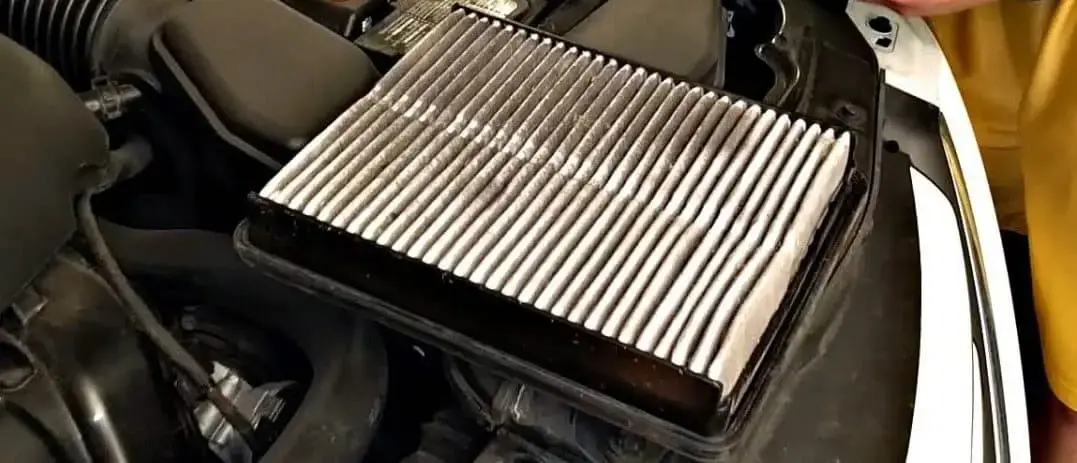
Quick Answer: Black smoke from your exhaust usually means your engine is running “rich”—burning too much fuel or not enough air. Common culprits include a leaking fuel injector, a clogged air filter, a bad sensor (MAF or O2), or a stuck open fuel pressure regulator. The $3,000 Mistake: A Shop Floor Story It was a Tuesday … Read more

Blue Smoke from Exhaust: Diagnosis Guide

Blue Smoke from Exhaust: Diagnosis Guide

Quick Answer: Blue smoke exhaust is a classic sign your engine is burning oil. The culprit is usually worn valve seals or piston rings, but it could also be caused by a faulty PCV system, turbocharger issues (on turbocharged engines), or using the wrong oil viscosity. Ignoring it will lead to increased oil consumption, poor … Read more

White Smoke from Exhaust: What It Means

White Smoke from Exhaust: What It Means

It was a cold December morning in the shop, the kind where your breath hangs in the air like a ghost. I was sipping my third coffee of the day when Mrs. Thompson rolled in, her 2012 Honda Accord puffing white smoke like a steam locomotive. She’d been ignoring the temperature gauge for weeks, she … Read more

Engine Burning Oil: Causes and Solutions

Engine Burning Oil: Causes and Solutions

Quick Answer: If your engine is burning oil, it’s usually due to worn piston rings, failing valve seals, a clogged PCV system, or internal engine wear. Blue smoke from the exhaust, dropping oil levels, and fouled spark plugs are the most common signs. Some causes are manageable with targeted repairs, while others point to deeper … Read more