
Timing Belt Tensioner: Replacement Guide
Timing Belt Tensioner: What It Is, How It Works, and When to Replace It
A timing belt tensioner is a spring-loaded or hydraulic pulley that maintains the correct amount of tension on the timing belt, keeping the engine’s camshaft and crankshaft in perfect synchronization. It is a relatively small component, but it plays a critical role in preventing belt slippage, which can lead to catastrophic engine damage. Without a properly functioning tensioner, the timing belt can skip teeth or fail entirely, causing valves to collide with pistons in interference engines.
This article covers everything you need to know about the timing belt tensioner. You will learn how it works and the different types: mechanical, hydraulic, and automatic. We also explain common signs of failure and a realistic replacement schedule based on mileage and driving conditions. Finally, we break down replacement costs, including parts and labor, so you can budget accordingly. You will also learn how to inspect a tensioner and what tools are required. We cover whether DIY replacement is feasible for the average home mechanic.
Most guides simply repeat the manufacturer’s recommended service interval. This one goes further. We analyze real-world tensioner failure data. We also explain how to distinguish a failing tensioner from a worn belt or a faulty water pump. We provide a decision framework for whether to replace the tensioner proactively alongside the belt. If you are debating between a cheap aftermarket tensioner and an OEM part, we cover the trade-offs in durability and fitment. This helps you make an informed choice.
What Is a Timing Belt Tensioner and Why Does It Matter?
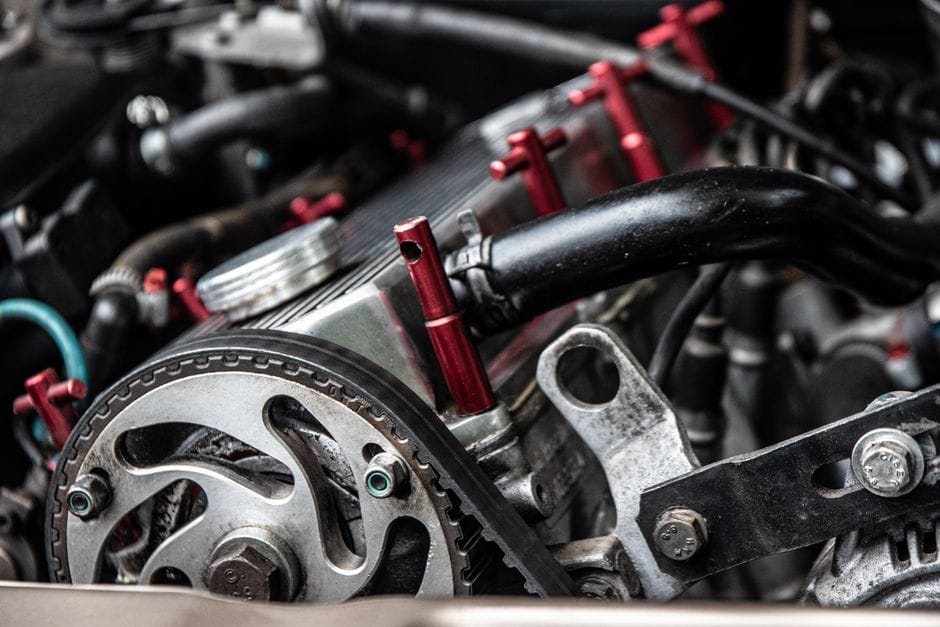
A **timing belt tensioner** is a small but critical engine component that maintains the correct amount of **belt tension** on your engine’s timing belt. Without it, the belt would slacken, skip teeth on the sprockets, and throw off the entire **engine timing**. If you’ve ever wondered what keeps the camshaft and crankshaft in perfect sync, the tensioner is part of that answer.
Why the Tensioner Matters More Than You Think
Your engine’s valves and pistons move at thousands of cycles per minute. If the timing belt slips even one tooth, the camshaft and crankshaft fall out of sync. On interference engines, that means bent valves, damaged pistons, and a repair bill that dwarfs the cost of a tensioner.
The Role of the Tensioner in Your Engine’s Timing System
The timing belt connects the **crankshaft** to the **camshaft** (or camshafts). The crankshaft spins from combustion force; the camshaft opens and closes valves. For the engine to run smoothly, these two shafts must rotate in perfect sync. The timing belt is the physical link between them, and the tensioner ensures the belt stays tight enough to grip the sprockets without slipping.
The tensioner is typically mounted on a pivot or slide, with a pulley that presses against the back of the belt. It applies a constant, controlled force to the belt, compensating for normal belt stretch and thermal expansion as the engine heats up and cools down. Without this constant pressure, the belt would develop slack, especially at higher RPMs, leading to timing errors and potential engine damage.
Timing Belt Tensioner vs. Serpentine Belt Tensioner: Key Differences
Many drivers confuse the timing belt tensioner with the **serpentine belt tensioner**, but they serve completely different systems. The serpentine belt drives accessories like the alternator, power steering pump, and air conditioning compressor. It sits outside the engine and is relatively easy to access and replace. The timing belt tensioner, by contrast, is inside the engine, usually behind a cover, and it manages the timing belt that controls valve operation.
The serpentine belt tensioner is often spring-loaded and can be released with a simple tool. The timing belt tensioner may be spring-loaded, hydraulic, or manual, and it requires more disassembly to reach. Also, failure of the serpentine belt tensioner typically results in loss of power steering or charging, while failure of the timing belt tensioner can destroy the engine. The stakes are much higher with the timing belt tensioner, which is why it is included in the timing belt replacement service.
How a Timing Belt Tensioner Works: Spring-Loaded vs. Hydraulic
How a Timing Belt Tensioner Works: Details
There are two primary types of timing belt tensioners: spring-loaded and hydraulic. Spring-loaded tensioners use a coiled spring to push a pulley against the belt. The spring maintains a constant force, and an internal damping mechanism prevents the pulley from bouncing or vibrating at certain RPMs. These are the most common type found on modern engines because they are simple, reliable, and inexpensive to manufacture.
Hydraulic tensioners use engine oil pressure to maintain tension. A small piston inside the tensioner is pushed by oil pressure, which presses the pulley against the belt. Hydraulic tensioners are often used on engines with higher performance demands because they can adapt more quickly to changes in belt load. However, they are more complex and can fail if oil pressure drops or if the internal seals leak. Some engines use a manual tensioner, which requires the mechanic to set the tension by hand and lock it in place — these are less common on modern vehicles but still appear on some older or heavy-duty applications.
Signs Your Timing Belt Tensioner Is Failing
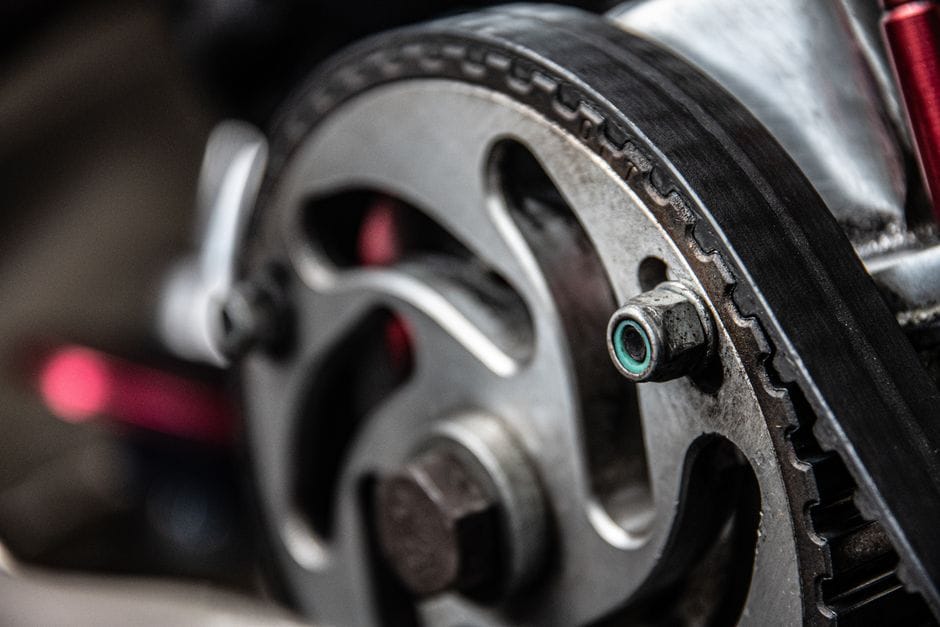
A failing timing belt tensioner rarely fails without warning. Recognizing the early signs can save you from a catastrophic engine failure. Here are the most common symptoms to watch for.
Audible Warning Signs: Ticking, Rattling, and Chirping
The most common early symptom of a failing tensioner is noise. A worn or loose tensioner may produce a rhythmic ticking or rattling sound, especially when the engine is cold or at idle. This noise is caused by the pulley bearing wearing out or the tensioner arm bouncing against the belt. A chirping or squealing sound, particularly on startup, can also indicate that the belt is slipping due to insufficient tension.
If you hear any of these sounds coming from the timing belt area, do not ignore them. The noise will typically get louder and more frequent as the tensioner degrades. In some cases, the noise may disappear temporarily as the engine warms up, which can be misleading. If you suspect a tensioner issue, have it inspected immediately.
Visual and Performance Indicators: Belt Wear, Vibration, and Engine Misfires
Beyond noise, there are visual and performance clues. If you can access the timing belt cover, inspect the belt for unusual wear patterns. Glazing, cracking, or fraying on one side of the belt can indicate that the tensioner is pressing unevenly. Excessive belt deflection — more than half an inch of play when pressed — is a clear sign that the tensioner is no longer maintaining proper tension.
Performance-wise, a failing tensioner can cause engine vibration, rough idle, or even misfires. When the belt slips, the camshaft timing changes, which can cause the engine to run poorly. In severe cases, the belt may jump teeth, leading to a complete loss of power and potential internal damage. If your check engine light comes on with a timing-related code, the tensioner should be one of the first components inspected.
How to Diagnose a Failing Tensioner vs. a Worn Belt or Water Pump
Detailed Steps Diagnose a Failing Tensioner vs. a Worn Belt or Water Pump
Diagnosing a failing tensioner requires distinguishing it from other components in the timing system. A worn timing belt often produces a slapping or flapping sound, while a failing water pump typically makes a grinding or whining noise. The tensioner, by contrast, tends to produce a rhythmic ticking or rattling that is synchronized with engine speed.
A simple diagnostic test is to use a mechanic’s stethoscope or a long screwdriver placed against the tensioner housing while the engine is running. If the noise is loudest at the tensioner, that is the culprit. You can also check for excessive play by removing the timing belt cover and attempting to move the tensioner pulley by hand. If it moves more than a few millimeters, it is worn. If the pulley spins roughly or makes noise when spun, the bearing is failing.
When to Replace Your Timing Belt Tensioner

Knowing when to replace the timing belt tensioner is just as important as knowing how to spot failure. Replacing it too early wastes money; replacing it too late risks engine destruction.
Replacement Interval: Mileage and Time Guidelines
Most manufacturers recommend replacing the timing belt tensioner at the same time as the timing belt,
loading=”lazy” class=”vb-content-img”>
Knowing when to replace the timing belt tensioner is just as important as knowing how to spot failure. Replacing it too early wastes money; replacing it too late risks engine destruction.
Most manufacturers recommend replacing the timing belt tensioner at the same time as the timing belt, typically every 60,000 to 100,000 miles. Some vehicles have a time-based interval as well, often 5 to 7 years, because rubber and plastic components degrade over time even if the vehicle is not driven frequently. Always consult your owner’s manual for the specific interval for your make and model.
It is important to note that the tensioner is a wear item, not a lifetime component. Even if it appears to be functioning correctly at the time of belt replacement, the internal spring or hydraulic seal may be near the end of its service life. Replacing the tensioner proactively alongside the belt is almost always recommended, as the labor cost to access it is identical. Skipping the tensioner to save money on parts is a false economy — if it fails 20,000 miles later, you will pay for the entire labor job again.
Factors That Shorten Tensioner Lifespan
Several factors can cause a tensioner to wear out faster than the recommended interval. Extreme temperatures, both hot and cold, accelerate the degradation of the internal spring and rubber components. Frequent short trips that prevent the engine from reaching operating temperature can also cause condensation and corrosion inside the tensioner. High engine RPMs, such as those seen in aggressive driving or towing, place additional stress on the tensioner.
Oil contamination is another major factor. If the engine has a valve cover gasket leak, oil can seep onto the timing belt and tensioner, causing the belt to slip and the tensioner to lose grip. A failing water pump can also leak coolant onto the tensioner, which can corrode the bearing and cause premature failure. If you have any of these issues, inspect the tensioner more frequently.
Should You Replace the Tensioner with the Belt? A Decision Framework
The general consensus among professional mechanics is yes — always replace the tensioner when you replace the timing belt. The cost of the tensioner is typically $50 to $150 for the part, which is a small fraction of the total job cost. The labor to replace the belt alone is the same as the labor to replace the belt and tensioner together, since the tensioner is removed as part of the belt replacement process.
The only exception is if you are replacing the belt due to a one-off event, such as a damaged belt from a foreign object, and the tensioner is relatively new and in perfect condition. In that case, you may choose to reuse it, but this is rare. For the vast majority of drivers, replacing the tensioner with the belt is the safest and most cost-effective decision. Also, many manufacturers include the tensioner in the timing belt kit, which also includes idler pulleys and sometimes a water pump.
Timing Belt Tensioner Replacement Cost and Process
Belt Tensioner Replacement Cost and Process – timing belt tensioner” class=”vb-content-img” loading=”lazy” src=”/output/images/timing_belt_tensioner_3.jpeg”/>
Understanding the cost and process of replacing a timing belt tensioner helps you budget and decide whether to tackle the job yourself or hire a professional.
Parts and Labor Cost Breakdown
The cost of a timing belt tensioner replacement varies widely depending on the vehicle make and model. For the part alone, expect to pay between $50 and $200 for an aftermarket tensioner, and $150 to $400 for an OEM (original equipment manufacturer) part. Labor costs are the larger expense, as the job requires significant disassembly. On a typical four-cylinder engine, labor runs $300 to $600. On a V6 or V8 engine, where access is more difficult, labor can reach $800 to $1,200.
If you are replacing the tensioner as part of a full timing belt service, the total cost — including the belt, tensioner, idler pulleys, and possibly a water pump — typically ranges from $500 to $1,500 depending on the vehicle. Luxury and performance vehicles can cost significantly more. Always get a written estimate before authorizing the work.
Step-by-Step Installation Overview and Torque Specifications
Replacing a timing belt tensioner is not a beginner-level job. It requires mechanical knowledge, specialized tools, and careful attention to detail. Here is a high-level overview of the process:
1. Disconnect the battery and drain the coolant if the water pump is being replaced.
2. Remove the serpentine belt, crankshaft pulley, and any engine covers that block access.
3. Remove the timing belt cover to expose the timing belt and tensioner.
4. Rotate the crankshaft to align the timing marks on the camshaft and crankshaft sprockets.
5. Loosen the tensioner and remove the timing belt.
6. Unbolt the old tensioner and install the new one, ensuring it is properly seated.
7. Install the new timing belt, ensuring the timing marks remain aligned.
8. Apply the specified torque to the tensioner bolt — typically 15 to 25 ft-lbs for most vehicles, but always check the service manual.
9. Set the belt tension according to the manufacturer’s procedure (some tensioners are self-adjusting).
10. Rotate the crankshaft two full turns by hand to verify timing alignment.
11. Reassemble all components and refill coolant if drained.
Torque specifications are critical. Over-tightening can damage the tensioner or the bolt; under-tightening can allow the tensioner to shift. Always use a torque wrench and consult the factory service manual for your specific vehicle.
DIY vs. Professional Replacement: What You Need to Know
DIY vs. Professional Replacement: Details
DIY replacement is feasible for an experienced home mechanic with the right tools, including a torque wrench, a crankshaft pulley holder, and a timing belt kit. However, it is not recommended for beginners. Mistakes in timing alignment or torque can cause immediate engine damage. If you are not confident in your ability, the cost of a professional is worth the peace of mind.
If you choose DIY, purchase a complete timing belt kit that includes the belt, tensioner, and idler pulleys. This ensures all components are new and matched. Also, take photos before disassembly to help with reassembly, and label all bolts and components. Allow a full weekend for the job, as it is time-consuming and requires patience.
Related Components and Proactive Maintenance

The timing belt tensioner does not work in isolation. It is part of a larger system of components that must all be in good condition for the engine to run reliably.
The Timing Belt, Idler Pulleys, and Water Pump
The timing belt is the primary component that the tensioner supports. It is a reinforced rubber belt with teeth that mesh with the sprockets. Over time, the belt stretches and the rubber hardens, which is why the tensioner must compensate. The belt should always be replaced with the tensioner.
Idler pulleys are smooth pulleys that guide the belt along its path and maintain proper wrap around the sprockets. They are not adjustable and rely on the tensioner for correct belt tension. Idler pulleys have bearings that can wear out, producing a grinding noise. They are inexpensive and should be replaced at the same time as the belt and tensioner.
The water pump is often driven by the timing belt on many engines. If the water pump fails, it can seize and destroy the timing belt. Since the water pump is already accessible during a timing belt job, many mechanics recommend replacing it proactively. The cost of the water pump is typically $50 to $150, and the labor is already covered.
Camshaft Sprocket and Crankshaft Pulley Considerations
The camshaft sprocket and crankshaft pulley are the components that the timing belt connects. These are typically made of hardened steel and do not wear out as quickly as the belt or tensioner. However, they should be inspected for damage, such as chipped teeth or cracks, during a timing belt service. If they are damaged, they must be replaced.
The crankshaft pulley, also known as the harmonic balancer, is a larger component that drives the serpentine belt and may also have a timing mark. It is bolted to the crankshaft and must be removed to access the timing belt. If it has a rubber isolator, it can degrade over time and cause vibration. Inspect it for cracks or separation during the service.
Serpentine Belt Tensioner vs. Timing Belt Tensioner: A Final Comparison
It is worth repeating the distinction between the serpentine belt tensioner and the timing belt tensioner, as they are often confused. The serpentine belt tensioner is external, easy to access, and maintains tension on the belt that drives accessories. The timing belt tensioner is internal, requires significant disassembly to reach, and maintains tension on the belt that controls engine timing.
The serpentine belt tensioner typically lasts longer than the timing belt tensioner because it operates in a cleaner environment and is not exposed to engine
heat and oil contamination. However, both should be inspected regularly as part of routine maintenance. A failing serpentine belt tensioner will cause squealing or accessory drive issues, while a failing timing belt tensioner can destroy your engine. Understanding the difference is essential for proper vehicle care.
Proactive Maintenance Tips to Extend Tensioner Life
To maximize the lifespan of your timing belt tensioner, follow these proactive maintenance practices. First, adhere strictly to the manufacturer’s recommended service intervals for the timing belt and tensioner. Do not delay replacement based on the belief that “it still looks fine” — internal wear is not always visible externally.
Second, address any oil or coolant leaks immediately. A leaking valve cover gasket or water pump can contaminate the timing belt and tensioner, accelerating wear. Regularly inspect the area around the timing belt cover for signs of seepage. Third, avoid excessive engine idling and aggressive driving, which place unnecessary stress on the tensioner. Finally, use high-quality replacement parts — OEM or reputable aftermarket brands — to ensure reliable performance and longevity.
Frequently Asked Questions About Timing Belt Tensioners

Can I Drive with a Bad Timing Belt Tensioner?
Driving with a bad timing belt tensioner is extremely risky. If the tensioner fails completely, the timing belt can slip or break, which can cause catastrophic engine damage in interference engines. Even if your engine is non-interference, a broken belt will leave you stranded. It is strongly recommended to stop driving and have the vehicle repaired as soon as you suspect a tensioner issue.
How Long Does a Timing Belt Tensioner Last?
A timing belt tensioner is designed to last as long as the timing belt, typically 60,000 to 100,000 miles. However, its lifespan can be shortened by extreme temperatures, oil contamination, coolant leaks, or high engine loads. If you experience any of these conditions, inspect the tensioner more frequently.
What Happens If the Timing Belt Tensioner Fails While Driving?
If the tensioner fails while driving, the timing belt will lose tension and may skip teeth or break. In an interference engine, this can cause the pistons to strike the valves, resulting in bent valves, damaged pistons, and potentially a destroyed cylinder head. The engine will likely stall and may not restart. The repair cost can be thousands of dollars, far exceeding the cost of a preventive replacement.
Is It Necessary to Replace the Tensioner with the Timing Belt?
Yes, it is highly recommended. The tensioner is a wear item that works in tandem with the belt. Since the labor to access it is identical, replacing both at the same time is the most cost-effective and safest approach. Skipping the tensioner to save money on parts is a false economy that can lead to a much more expensive repair later.
What Tools Do I Need to Replace a Timing Belt Tensioner?
Understanding Tools Do I Need to Replace a Timing Belt Tensioner?
Replacing a timing belt tensioner requires a socket set, torque wrench, breaker bar, crankshaft pulley holder, and sometimes a special tool to hold the camshaft sprockets in place. You will also need a new timing belt kit and possibly a new water pump. Always consult the factory service manual for your specific vehicle to ensure you have the correct tools and procedures.
Conclusion: The Timing Belt Tensioner Is a Small Component with a Big Job
The timing belt tensioner may be small, but its role in your engine’s operation is critical. It maintains the correct tension on the timing belt, ensuring that the camshaft and crankshaft remain in perfect sync. Without it, the engine would not run, and in interference engines, a failure can lead to catastrophic damage.
Recognizing the signs of a failing tensioner — noise, vibration, belt wear, and performance issues — allows you to address the problem before it becomes a major repair. Following the manufacturer’s recommended replacement interval, typically 60,000 to 100,000 miles, and replacing the tensioner alongside the timing belt and related components is the best way to protect your engine.
Whether you choose to perform the replacement yourself or hire a professional, understanding the cost, process, and related components ensures you make informed decisions. The timing belt tensioner is a small investment compared to the cost of engine repair, and proactive maintenance is the key to a long, reliable engine life.