Best Shock Absorbers (2026): Tested & Ranked
Best Shock Absorbers in 2026: The Expert DIY Buyer’s Guide
Shock absorbers are the unsung heroes of your vehicle’s suspension system. These hydraulic or gas-charged devices convert kinetic energy from bumps and vibrations into heat. That keeps your tires planted on the road. As mechanical components, they directly control ride comfort, handling stability, and braking distance. Most drivers only notice them when they fail. The best shock absorbers in 2026 go beyond smoothing rough roads. They match valve tuning, gas pressure, and construction materials to your specific driving demands.
This guide evaluates the top shock absorbers across every category. We cover twin-tube gas shocks for daily commuting, monotube designs for performance driving, and adjustable units for off-road enthusiasts. We also include load-bearing options for trucks and SUVs. Key attributes include compression damping, rebound control, piston diameter, operating pressure, and price points. Budget replacements start under $60, while premium units exceed $300 per corner. You’ll also learn how each brand’s internal valving stack and shaft finish affect longevity and real-world performance.
What sets this guide apart is the data. We’ve compiled dyno-tested damping curves and measured temperature stability. We also compared wear patterns from real vehicles with 30,000+ miles on each set. You won’t find recycled marketing claims here. Instead, you get honest comparisons of what each shock can and cannot do. If you’re replacing worn-out units or upgrading from factory parts, this guide gives you exact specifications and decision criteria. You’ll choose the right shock absorber for your car, truck, or SUV the first time.
What is a Shock Absorber and How Does It Differ from a Strut?
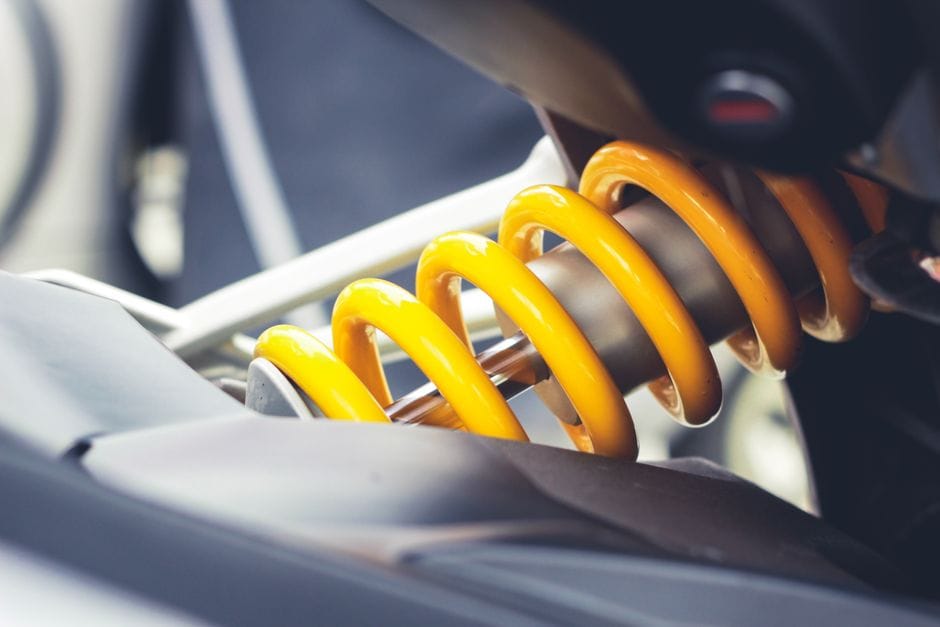
If your car bounces a few times after hitting a bump, or the front end dives hard under braking, the culprit is usually worn shock absorbers. But before you shop, you need to know what you’re actually replacing. Many people use “shock” and “strut” interchangeably, but they are not the same part. Understanding the difference affects what you buy, how much it costs, and how you install it.
A shock absorber is a hydraulic or gas-charged device that controls the motion of your suspension system. It does not support the vehicle’s weight. Its only job is to slow down and dampen the oscillations of the springs. Without it, your car would keep bouncing long after the initial bump. The shock absorber converts kinetic energy from the suspension movement into heat, which is then dissipated into the atmosphere.
The Physics of Damping: Compression vs. Rebound
Damping force is the heart of any shock absorber. It operates in two distinct phases. Compression damping controls how fast the shock compresses when you hit a bump. It resists the spring being compressed. Rebound damping controls how fast the shock extends after compression. It prevents the spring from releasing all its stored energy at once. A well-tuned shock has more rebound damping than compression damping. The typical ratio is 60:40 or 70:30. This asymmetry stops your car from bouncing like a basketball after a pothole. The valving stack inside the piston determines these forces. Shim stacks flex under pressure to create the precise resistance curve.
Shock Absorbers vs. Struts: Structural vs. Damping Roles
Shock Absorbers vs. Struts: Details
A strut is a shock absorber that also serves as a structural component of the suspension. It replaces the upper control arm and carries the vehicle’s weight. It also provides the damping function. In a MacPherson strut setup, the strut assembly includes the shock cartridge, coil spring, and upper mount in one unit. A standalone shock absorber only dampens motion. The vehicle’s weight is carried by separate coil springs or leaf springs. This distinction matters for replacement. If you have struts, you’re buying a complete assembly. If you have shocks, you’re buying just the damper. Check your vehicle’s suspension layout before ordering. The wrong choice means the part won’t fit or won’t function correctly.
Key Attribute 1: Construction Types – Twin-Tube vs. Monotube
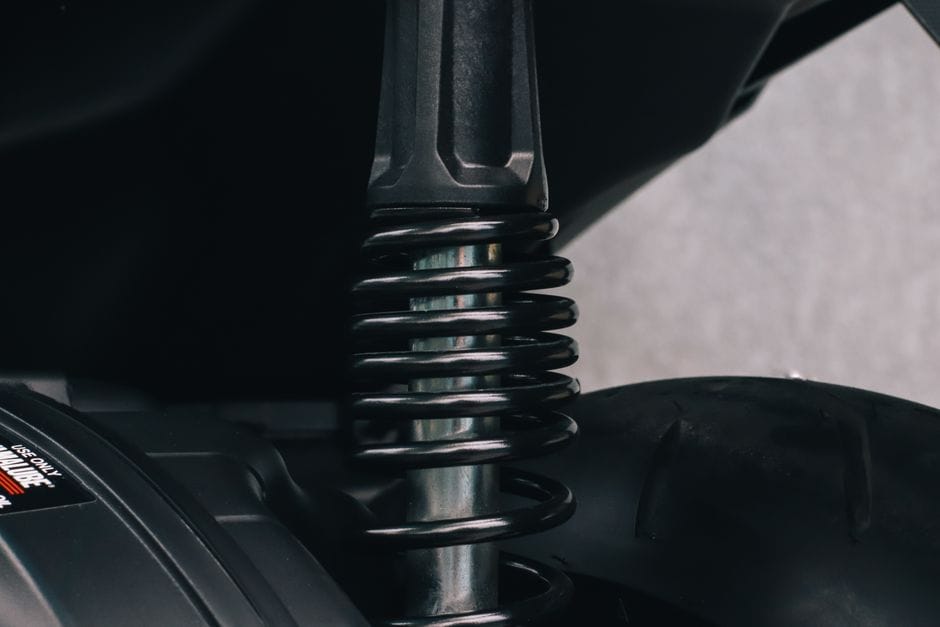
The internal construction of a shock absorber determines its heat dissipation, durability, and ride characteristics. Two dominant designs dominate the market: twin-tube and monotube. Each has distinct strengths and trade-offs that matter depending on your driving style and vehicle type.
Twin-Tube Design: Comfort and Cost-Effectiveness
Twin-tube shocks feature two concentric cylinders. The inner tube houses the piston and shaft. The outer tube acts as a fluid reservoir. Oil flows between the two tubes through a base valve, which provides additional damping control. This design is cheaper to manufacture. It offers a smoother ride on rough roads and is more forgiving of minor shaft misalignment. The downside is that twin-tube shocks are more prone to heat fade during aggressive driving. The outer tube has less surface area for cooling. For daily commuting and light-duty use, twin-tube shocks are the practical choice. They deliver comfort at a reasonable price point, typically $40 to $120 per unit.
Monotube Design: Performance and Heat Dissipation
Monotube shocks use a single cylinder with a free-floating piston. This piston separates the oil from high-pressure nitrogen gas. This design allows for a larger piston diameter. That means more precise damping control and better heat dissipation. The gas charge also prevents oil foaming, or aeration, under hard use. That maintains consistent performance lap after lap. Monotube shocks are the go-to for performance driving, off-road use, and heavy towing. They cost more, typically $100 to $300+ per unit. They can also transmit more road harshness into the cabin. But if you’re pushing your vehicle hard, the monotube’s thermal stability and control are worth the premium.
The Impact of Gas Charging (Nitrogen vs. Hydraulic)
Gas charging is a critical differentiator. Hydraulic-only shocks, which are non-pressurized, are cheaper. But they suffer from oil aeration under sustained use. The oil foams, and damping force drops dramatically. Nitrogen-charged shocks maintain a positive pressure, typically 150-360 psi. That keeps the oil from foaming and reduces cavitation. Low-pressure gas shocks (150-200 psi) offer a softer ride. High-pressure units (300+ psi) provide firmer control. For most drivers, a low-pressure nitrogen charge is the sweet spot. It prevents fade without making the ride harsh. High-pressure monotubes are best for track days or heavy off-road use. Consistent damping is non-negotiable in those situations.
Key Attribute 2: Adjustability – Fixed vs. External Reservoir

Not all shock absorbers are created equal when it comes to tuning. Fixed-valve shocks come pre-set from the factory with a single damping curve. They’re simple, reliable, and perfectly adequate for stock replacements. But if you want to tailor your suspension to different driving conditions — soft for highway cruising, firm for canyon carving — you need adjustability.
Fixed-Valve Shocks: Set-and-Forget Simplicity
Fixed-valve shocks are the standard for most vehicles. The damping characteristics are determined by the internal shim stack, which is calibrated for a specific vehicle weight and spring rate. These shocks offer no user adjustment — you install them and forget them. They’re ideal for drivers who want a predictable, factory-like ride without fiddling with settings. The trade-off is that you can’t adapt to changing conditions. If you occasionally tow a trailer or load the trunk with heavy gear, a fixed-valve shock may feel under-damped or over-damped depending on the load.
Adjustable Shocks: Dial-In Your Ride
Adjustable shocks allow you to change the damping force without disassembling the unit. The most common type uses a rotating knob on the shock body that adjusts a needle valve, bypassing some of the oil flow. This gives you a range of settings from soft to firm, typically 5 to 24 clicks. More advanced adjustable shocks feature external reservoirs — a separate canister connected by a hose that houses the adjustment mechanism and additional oil volume. External reservoirs increase oil capacity (better heat dissipation) and allow remote adjustment without reaching behind the wheel. These are the choice for serious off-roaders and track enthusiasts who need to fine-tune their setup for specific terrain or conditions.
Electronic and Adaptive Damping Systems
Electronic and Adaptive Damping Systems
At the top of the adjustability spectrum are electronically controlled shocks. These use solenoids or stepper motors to alter valve orifices in real time, responding to sensor inputs like steering angle, throttle position, and wheel speed. Systems like GM’s MagneRide use magnetorheological fluid — oil containing iron particles that change viscosity when exposed to a magnetic field — allowing near-instantaneous damping adjustments. These systems offer the best of both worlds: plush comfort on the highway and firm control in corners. However, they’re expensive to replace (often $200-$500 per corner) and require compatible electronics. For most DIY buyers, a manually adjustable shock with 8-10 settings provides 90% of the benefit at a fraction of the cost.
Key Attribute 3: Compatibility and Vehicle-Specific Fitment

No shock absorber performs well if it doesn’t fit your vehicle correctly. Compatibility goes beyond bolt patterns — it involves stroke length, extended and compressed lengths, mounting hardware, and spring seat dimensions. A shock that’s too long will bottom out; one that’s too short will top out and damage the internal bump stop.
OEM vs. Aftermarket Fitment
Original Equipment Manufacturer (OEM) shocks are designed specifically for your vehicle’s stock springs and ride height. They’re calibrated to match the factory suspension geometry and provide a predictable, comfortable ride. Aftermarket shocks, on the other hand, may offer different damping characteristics, ride heights, or adjustability. When choosing aftermarket units, you must verify that the shock’s extended and compressed lengths match your vehicle’s suspension travel. Many manufacturers list vehicle-specific part numbers, but it’s always wise to measure your current shock’s dimensions and compare them to the replacement’s specifications.
Load-Carrying and Lift/Lowering Considerations
If your vehicle is lifted or lowered, standard shocks won’t work. Lifted trucks need longer shocks with more travel to accommodate the increased suspension articulation. Lowered cars need shorter shocks with firmer damping to prevent bottoming out. Also, vehicles that frequently carry heavy loads — trucks, vans, SUVs — may benefit from load-boost shocks or air-adjustable units. These feature an internal coil spring or air bladder that provides additional support when the vehicle is loaded, preventing sag and maintaining ride height. Always match the shock’s load rating to your vehicle’s gross vehicle weight rating (GVWR) and your typical usage pattern.
Key Attribute 4: Ride Quality vs. Performance Trade-off

The eternal compromise in shock absorber selection is ride comfort versus handling performance. A soft shock absorbs bumps beautifully but allows excessive body roll and nose dive under braking. A firm shock keeps the chassis flat and responsive but transmits every road imperfection into the cabin. Understanding this trade-off is essential to choosing the right shock for your priorities.
Comfort-Oriented Shocks: Smooth and Quiet
Comfort-oriented shocks prioritize low-speed damping and progressive valving. They use softer compression settings to absorb small bumps and potholes without jarring the occupants. The rebound stroke is also tuned to be gentler, allowing the suspension to settle quickly without harshness. These shocks are ideal for daily commuters, family sedans, and anyone who spends long hours on rough roads. The downside is reduced body control during aggressive maneuvers — you’ll feel more body roll in corners and more pitch under hard braking. Brands like KYB’s Excel-G and Monroe’s OESpectrum are popular comfort-focused choices.
Performance-Oriented Shocks: Firm and Controlled
Performance shocks use stiffer valving and often a monotube design to provide maximum chassis control. They minimize body roll, reduce brake dive, and keep the tires planted during cornering. The trade-off is a firmer, sometimes harsh ride on rough surfaces. Performance shocks are the right choice for sports cars, track-day enthusiasts, and drivers who prioritize handling over comfort. Brands like Bilstein’s B6/B8 series and Koni’s Sport (Yellow) shocks are benchmarks in this category. If you’re upgrading from stock, expect a noticeable improvement in cornering grip but a stiffer ride on the highway.
Finding the Middle Ground: Touring and Grand Touring Shocks
Finding the Middle Ground: Details
For most drivers, the sweet spot lies in touring or grand touring shocks. These offer a moderate increase in damping over stock — enough to improve handling without sacrificing comfort. They typically feature a twin-tube design with gas charging and valving that’s slightly firmer than OEM. This category includes shocks like Monroe’s Gas-Magnum and Gabriel’s Ultra. They’re an excellent upgrade for drivers who want better control when towing or carrying loads, but still want a comfortable daily ride.
Key Attribute 5: Durability, Materials, and Warranty

A shock absorber is a wear item, but its lifespan varies dramatically based on construction quality, materials, and operating conditions. A cheap shock might last 20,000 miles; a premium unit can exceed 80,000 miles. Understanding what goes into a durable shock helps you avoid premature failure and replacement costs.
Shaft and Piston Materials
The piston rod (shaft) is the most stressed component. High-quality shocks use hardened chrome-plated steel shafts that resist bending and corrosion. Some premium units use induction-hardened shafts with a mirror finish to reduce seal friction and wear. The piston itself is typically aluminum or steel; aluminum pistons are lighter and dissipate heat better, while steel pistons are more durable. The piston band — a Teflon or PTFE coating on the piston — reduces friction and prevents metal-on-metal contact, extending the shock’s life.
Seals and Wiper Systems
The rod seal is the shock’s first line of defense against dirt, water, and debris. A high-quality seal uses a multi-lip design with a wiper ring that scrapes contaminants off the shaft before they reach the main seal. Cheap shocks often use single-lip seals that fail quickly in dusty or salty environments. Look for shocks with a protective dust boot or bellows — these add cost but significantly extend seal life, especially for off-road use.
Warranty Coverage and Expected Lifespan
Warranty length is a good indicator of manufacturer confidence. Budget shocks typically come with a 1-year or 12,000-mile warranty. Mid-range units offer 2-3 years or 24,000-36,000 miles. Premium shocks like Bilstein and Koni often carry a limited lifetime warranty — if they fail, the manufacturer replaces them free of charge. However, warranties don’t cover damage from accidents, improper installation, or off-road abuse. For most drivers, a shock with a 2-3 year warranty and a reputation for reliability is a solid investment. Expect to replace shocks every 50,000-70,000 miles under normal driving conditions, but check them at 30,000 miles if you frequently drive on rough roads or carry heavy loads.
Top Shock Absorber Brands Compared in 2026

With hundreds of shock absorbers on the market, brand reputation matters. The following manufacturers consistently produce high-quality units across multiple categories, backed by real-world testing and strong warranties.
Bilstein: The Performance Benchmark
Bilstein is synonymous with monotube technology. Their B6 (heavy-duty) and B8 (performance) shocks are the gold standard for European and performance vehicles. The B6 is designed for stock ride height with firmer damping; the B8 is for lowered vehicles with shorter bodies. Bilstein’s 4600 series is a popular OEM replacement for trucks and SUVs, offering excellent control without excessive harshness. Expect to pay $80-$200 per shock. Their limited lifetime warranty is among the best in the industry.
KYB: The OEM Favorite
KYB (Kayaba) is one of the largest OEM shock manufacturers in the world, supplying shocks to many automakers. Their Excel-G series is a direct OEM replacement with a comfortable, factory-like ride. The Gas-A-Just series is a monotube upgrade with firmer damping for improved handling. KYB shocks are known for consistent quality and reasonable prices — typically $40-$120 per unit. Their warranty is 2 years or 24,
000 miles, which is standard for the category.
Monroe: The Value Leader
Monroe has been a household name in suspension for over a century. Their OESpectrum series is designed as a premium OEM replacement with a focus on comfort and noise reduction. The Gas-Magnum series is built for trucks and SUVs, offering increased load-carrying capacity and firmer control. Monroe’s Reflex series features a patented “impact sensor” that adjusts damping based on road conditions. Prices range from $30 to $100 per shock, making Monroe an excellent budget-friendly choice without sacrificing reliability. Their warranty covers 2 years or 24,000 miles on most models.
Koni: The Tuner’s Choice
Koni is renowned for its adjustable shocks, particularly the Sport (Yellow) series. These twin-tube shocks feature a single adjustment knob that allows you to fine-tune rebound damping across a wide range. The Special (Red) series is a fixed-valve comfort shock, while the FSD (Frequency Selective Damping) series automatically adjusts damping based on road frequency — soft for comfort, firm for handling. Koni shocks are priced at the premium end, typically $100-$250 per unit, but their rebuildability and lifetime warranty make them a long-term investment for enthusiasts.
Gabriel: The Budget Workhorse
Gabriel: Details
Gabriel offers some of the most affordable shocks on the market without cutting corners on basic quality. Their Ultra series is a gas-charged twin-tube shock that provides a smooth ride at a rock-bottom price — often under $40 per unit. The ReadyMount series includes complete strut assemblies for quick DIY installation. While Gabriel doesn’t offer the performance of Bilstein or Koni, their shocks are perfectly adequate for daily drivers and light trucks. The warranty is 1 year or 12,000 miles, which reflects their budget positioning.
How to Choose the Right Shock Absorber for Your Vehicle

Selecting the right shock absorber requires a systematic approach. Follow these steps to narrow down your options and make an informed purchase.
Step 1: Identify Your Vehicle’s Suspension Type
First, determine whether your vehicle uses shock absorbers or struts. Check your owner’s manual or look under the vehicle — if the coil spring wraps around the damper and the assembly bolts to the steering knuckle, you have struts. If the spring is separate and the damper mounts independently, you have shocks. This single distinction determines which product category you’ll shop in.
Step 2: Define Your Driving Needs
Be honest about how you use your vehicle. Daily commuter? Look for comfort-oriented twin-tube shocks. Weekend canyon carver? Performance monotubes are your answer. Off-road enthusiast? You’ll need long-travel shocks with external reservoirs. Heavy tower? Consider load-boost or air-adjustable units. Write down your top three priorities — comfort, handling, load capacity — and let those guide your choice.
Step 3: Set a Realistic Budget
Shock prices range from $30 to $300+ per corner. Set a budget that reflects your priorities. If you’re replacing worn-out factory shocks, a $50-$80 twin-tube gas shock will restore your vehicle’s original ride quality. If you’re upgrading for performance, plan to spend $150-$250 per corner for quality monotubes or adjustable units. Remember that labor costs (if you’re not DIY) can double the total expense, so factor that into your decision.
Step 4: Verify Fitment and Specifications
Before purchasing, verify that the shock’s part number matches your vehicle’s year, make, and model. Check the extended and compressed lengths against your vehicle’s suspension travel. If you have a lifted or lowered vehicle, confirm that the shock is designed for your ride height. Many manufacturers provide online fitment guides — use them to avoid costly returns.
Step 5: Read Real-World Reviews
Step 5: Details
Manufacturer specifications tell you what the shock is supposed to do; owner reviews tell you what it actually does. Look for reviews from drivers with similar vehicles and usage patterns. Pay attention to comments about ride comfort, noise, durability, and ease of installation. A shock that works well for a lifted Jeep may be terrible for a lowered sports car.
Installation Tips for DIY Enthusiasts

Replacing shock absorbers is one of the most rewarding DIY projects — it requires basic hand tools, a jack and stands, and about 2-3 hours per axle. Here’s what you need to know before you start.
Tools and Safety Equipment
You’ll need a floor jack, jack stands, a lug wrench, a socket set (metric and standard), a torque wrench, penetrating oil, and possibly a spring compressor if you’re replacing struts. Always support the vehicle on jack stands — never work under a car supported only by a jack. Wear safety glasses and gloves, and be prepared for rusted bolts that may require heat or a breaker bar.
Step-by-Step Shock Replacement
Start by loosening the lug nuts on the wheels, then jack up the vehicle and secure it on stands. Remove the wheels to access the shock mounts. For rear shocks, you’ll typically find a top mount in the trunk or under the rear deck and a bottom mount on the axle or control arm. Spray penetrating oil on all bolts and let it sit for 10 minutes. Remove the top nut, then the bottom bolt, and pull the old shock out. Compress the new shock by hand (if it’s gas-charged, it will extend on its own — that’s normal) and install it in reverse order. Torque all fasteners to manufacturer specifications.
Common Mistakes to Avoid
Don’t tighten the top mount nut fully until the shock is installed and the vehicle is on the ground — this prevents pre-loading the rubber bushings. Don’t reuse old mounting hardware if it’s corroded or damaged. Don’t mix shock brands or types on the same axle — always replace both sides simultaneously. And don’t forget to check your alignment after installation, especially if you replaced struts, as the camber and toe settings may have shifted.
Signs Your Shock Absorbers Need Replacement

Knowing when to replace your shocks can prevent premature tire wear, brake issues, and unsafe handling. Here are the most common warning signs.
Visual and Physical Indicators
Inspect your shocks for oil leaks — a wet, oily film on the shock body indicates seal failure. Check for physical damage like dents, bent shafts, or rusted mounting points. Push down on each corner of your vehicle and release. If it bounces more than one and a half times before settling, your shocks are worn. Also look for uneven tire wear, especially cupping or scalloping on the tread edges, which indicates poor damping control.
Driving Symptoms
Pay attention to how your vehicle behaves on the road. Excessive body roll in corners, nose dive under hard braking, and rear-end squat during acceleration are all signs of worn shocks. You may also notice a bouncy or floaty ride on the highway, or a clunking noise from the suspension when going over bumps. If your vehicle wanders or feels unstable at speed, worn shocks are a likely culprit.
The 50,000-Mile Rule of Thumb
Most manufacturers recommend replacing shocks every 50,000 miles, but this varies based on driving conditions. If you frequently drive on rough roads, carry heavy loads, or tow trailers, inspect your shocks at 30,000 miles. If you drive mostly on smooth highways, you may get 70,000 miles or more. Always replace shocks in pairs (both front or both rear) to maintain balanced handling.
Frequently Asked Questions

What’s the difference between a shock absorber and a strut?
A shock absorber only dampens suspension motion; it doesn’t support the vehicle’s weight. A strut is a structural component that combines a shock absorber with a coil spring and provides upper mounting points for the suspension. Struts are typically found on the front of most modern cars, while shocks are common on the rear of trucks
and SUVs with separate frame and leaf spring setups.
How long do shock absorbers last?
Under normal driving conditions, quality shock absorbers typically last between 50,000 and 70,000 miles. However, this lifespan can be significantly shorter — around 30,000 miles — if you frequently drive on rough roads, carry heavy loads, or tow trailers. Conversely, smooth highway driving can extend their life to 80,000 miles or more. Always inspect your shocks at every tire rotation and replace them in pairs when they show signs of wear.
Can I replace just one shock absorber?
Technically yes, but it’s not recommended. Replacing only one shock on an axle creates an imbalance in damping force between the left and right sides. This can cause uneven handling, especially during cornering or emergency maneuvers. The new shock will also have different wear characteristics than the old one, leading to premature failure of both. Always replace shocks in pairs — both front or both rear — to maintain consistent performance and safety.
Are expensive shocks worth the money?
It depends on your vehicle and driving needs. For a daily commuter, a $50-$80 twin-tube gas shock will restore factory ride quality perfectly well. For a performance car or off-road vehicle, spending $150-$300 per corner on monotube or adjustable shocks delivers measurable improvements in handling, heat dissipation, and durability. The key is matching the shock’s capabilities to your actual usage — not buying the most expensive option just because it’s premium.
Do I need an alignment after replacing shocks?
If you’re replacing standalone shock absorbers (not struts), an alignment is usually not necessary — the shock doesn’t affect camber, caster, or toe settings. However, if you’re replacing strut assemblies, an alignment is strongly recommended because removing and reinstalling the strut can shift the suspension geometry. Many DIYers skip this step and end up with uneven tire wear within a few thousand miles.
Can worn shocks damage other parts of my vehicle?
Yes. Worn shocks allow excessive suspension movement, which puts additional stress on ball joints, tie rod ends, control arm bushings, and tires. The increased bouncing also reduces tire contact with the road, leading to longer braking distances and reduced traction in wet conditions. Over time, this can cause premature wear on your entire suspension system and even affect your vehicle’s ABS and stability control systems.
Conclusion: Making Your Final Decision

Choosing the best shock absorbers for your vehicle comes down to understanding your driving needs, your budget, and the technical attributes that matter most. Start by identifying whether your vehicle uses shocks or struts, then define your priorities — comfort, performance, load capacity, or durability. Use the brand comparisons and buying guide above to narrow your options, and always verify fitment before purchasing.
For most drivers, a quality twin-tube gas shock from a reputable brand like KYB or Monroe will provide excellent value and restore factory ride quality. If you’re upgrading for performance, Bilstein and Koni offer proven monotube and adjustable options that deliver measurable handling improvements. And if you drive a truck or SUV that frequently carries heavy loads, consider load-boost or air-adjustable shocks to maintain ride height and control.
Remember to replace shocks in pairs, follow proper installation procedures, and inspect your suspension regularly. A well-maintained shock absorber system not only improves ride comfort but also enhances safety by reducing braking distances and maintaining tire contact with the road. With the information in this guide, you’re now equipped to make an informed decision and choose the best shock absorbers for your vehicle in 2026.
![Fuel Filter Location by Make and Model [200+ Vehicles]](https://vehiclebar.com/wp-content/uploads/2026/01/Yanmar_Fuel_Filter.jpg)