Hard to Shift Gears: Manual Transmission Shifting Problem…
Your manual transmission feels hard to shift when clutch components fail, hydraulic lines leak, gear oil degrades, linkage bushings wear, or synchronizer rings damage. Cold-weather stiffness points to fluid viscosity. Hot-weather grinding signals clutch or syncro failure. Test engine-on versus engine-off to isolate the root cause fast.
- Failing clutch disc or pressure plate
- Air or leaks in hydraulic master/slave cylinders
- Degraded or incorrect GL-4 gear oil
- Worn shifter linkage bushings or cables
- Damaged synchronizer rings or detent springs
Quick fix rule: Hard shifting only when cold? Check fluid viscosity or clutch cable tension. Grinding or resistance when hot? Suspect clutch hydraulics or worn synchronizers. Start diagnostics below.
5 Most Common Causes of Hard Shifting in Manual Transmissions
Five core issues cause stiff manual shifting: worn clutch discs, leaking hydraulic cylinders, degraded GL-4 gear oil, stretched shifter cables, or damaged synchronizer rings. Each creates distinct symptoms. Diagnose by testing pedal feel, fluid condition, linkage play, and shift behavior across temperature ranges.
Worn or Misadjusted Clutch Components
Partial clutch engagement creates shifting resistance. The clutch disc fails to separate fully from the flywheel. Gears grind when the engine runs. The pedal may stay on the floor. Check clutch pedal free-play. Measure 15–25mm travel at the pedal pad. Inspect the release bearing for noise. Replace worn pressure plates. Torque pressure plate bolts to 18–22 ft-lbs. Use a 10mm or 12mm socket for linkage work. Deep dive into [clutch diagnostics] for step-by-step inspection.
Air Pockets or Leaks in the Clutch Hydraulic System
Fluid loss creates air pockets in hydraulic lines. Degraded seals cause master or slave cylinder failure. Symptoms include a spongy pedal feel. Gradual hard shifting develops over weeks. Check for fluid puddles near the firewall. Inspect the bell housing for leaks. Bench-bleed new cylinders before installation. Use DOT 3 or DOT 4 brake fluid only. Torque slave cylinder bolts to 15–20 ft-lbs. Troubleshoot [hydraulic system issues] with pressure testing guides.
Degraded, Low, or Incorrect Transmission Fluid
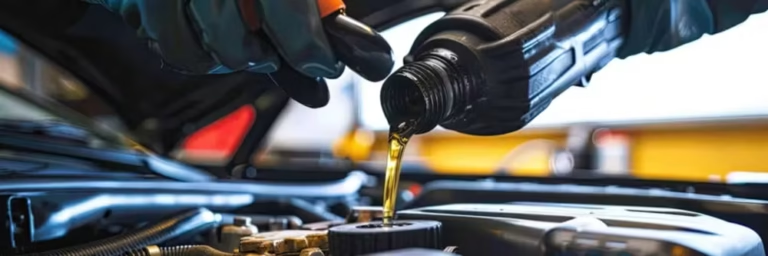
GL-4 viscosity matters for synchronizer protection. Shear breakdown reduces lubrication under load. Temperature sensitivity affects cold-weather shifting. Symptoms include a stiff shifter when cold. Notchy shifts occur under acceleration. Grinding happens in first, second, or reverse. Check fluid level with the transmission warm. Use a 17mm Allen key for fill plugs. Replace fluid every 30,000–50,000 miles. Follow the step-by-step guide to [proper fluid maintenance].
Loose, Worn, or Misaligned Shifter Linkage
Cable stretch creates vague lever positioning. Plastic bushings disintegrate after 80,000 miles. Pivot ball wear causes binding. Bent shift arms block clean engagement. Symptoms include difficulty finding neutral. Hard shifts occur at specific gear gates. Inspect linkage with the vehicle raised. Use 10mm, 12mm, and 14mm sockets for adjustments. Replace bushings with OEM-spec polyurethane parts. Torque linkage bolts to 18–25 ft-lbs. Follow the DIY guide to [linkage repairs].
Damaged Synchronizer Rings & Detent Springs
Synchronizer rings match gear speeds before engagement. Damaged brass rings cause grinding under normal throttle. Worn detent springs create vague gate feedback. Symptoms appear at specific RPM ranges. Double-clutching temporarily improves shifts. Replace synchronizer sleeves during transmission rebuilds. Use a 3/8″ drive torque wrench for internal bolts. Torque synchronizer hub nuts to 80–100 ft-lbs. Verify pilot bearing condition during clutch service.
📊 Table Block: Hard Shifting Symptom → Likely Cause Quick-Reference
|
Symptom
|
Most Probable Cause
|
Check Priority
|
|---|---|---|
|
Grinds only when cold
|
Thick/degraded fluid or synchro wear
|
1
|
|
Hard to shift when engine running
|
Clutch not fully disengaging
|
2
|
|
Vague lever feel / hard to find gates
|
Linkage/bushing wear
|
1
|
|
Pedal sinks / spongy feel
|
Hydraulic leak or air
|
3
|
Step-by-Step Troubleshooting: Isolate the Root Cause
Start troubleshooting hard shifting with simple engine-on versus engine-off tests. Check fluid level, color, and smell. Inspect linkage free-play and clutch pedal travel. Progress to hydraulic pressure tests or synchro analysis only if basic checks fail. This method saves time and prevents unnecessary transmission removal.
Phase 1: Quick DIY Checks Before You Visit a Shop
Test shifting with the engine off. Then test with the engine running. Note any difference. Check transmission fluid level with the vehicle level. Inspect fluid color. Fresh GL-4 fluid appears amber. Dark or metallic fluid needs replacement. Smell for burnt odor. Check linkage free-play at the shifter base. Measure clutch pedal travel. Adjust cable tension per OEM specs. Use a flashlight for bell housing inspection.
Phase 2: Professional Diagnostics Mechanics Use
Mechanics perform hydraulic pressure testing. They bench-bleed master and slave cylinders. They measure flywheel and clutch runout with a dial indicator. Acceptable runout stays under 0.005 inches. Synchro wear analysis uses road load tests. Mechanics listen for grinding under throttle. They test double-clutching effectiveness. Transmission removal becomes necessary for internal inspection. Use a transmission jack for safe removal.
🟦 Info-Box Block: Cold-Weather Shifting Note: Low temps thicken GL-4 fluid and stiffen shift cables. If shifting smooths after 5–10 minutes, suspect fluid viscosity or clutch cable tension rather than catastrophic internal failure.
Repair Cost Breakdown & What to Expect
Fixing hard shifting costs $30 for a fluid flush to $5,000 for a full rebuild. Linkage bushings run $40–$150 in parts. Clutch kits cost $150–$500 DIY. Labor adds 2–8 hours depending on complexity. Get multiple quotes before approving major transmission work.
💰 Cost-Breakdown Block:
|
Repair
|
DIY Cost (Parts)
|
Shop Estimate
|
Labor Time
|
|---|---|---|---|
|
Fluid/Filter Flush
|
$30–$80
|
$100–$200
|
0.5–1 hr
|
|
Linkage Bushings/Cable
|
$40–$150
|
$250–$500
|
1–3 hrs
|
|
Master/Slave Cylinder
|
$80–$300
|
$350–$700
|
2–4 hrs
|
|
Full Clutch Kit
|
$150–$500
|
$900–$2,000+
|
4–8 hrs
|
|
Transmission Rebuild
|
$300–$800 (kits)
|
$2,500–$5,000+
|
1–2 days
|
📊 Comparison Block: DIY vs Professional Repair
- DIY Pros/Cons: Lower cost, learning curve, tool-heavy, risk of improper torque/alignment
- Pro Pros/Cons: Warranty-backed, advanced diagnostics, higher cost, faster turnaround
- Decision matrix: When to DIY (fluid, cables, bushings) vs. When to hire a pro (hydraulics, clutch, internal gears)
Beginner Mistakes vs. Expert Shifting Techniques
New drivers cause hard shifting by riding the clutch, forcing gears, or skipping rev-matches. Experts press the clutch fully, match RPMs smoothly, and let synchronizers work. Practice the three-step shift method. You’ll eliminate 80% of driver-induced resistance and extend transmission life significantly.
5 Rookie Errors That Cause Shifting Resistance
- Riding the clutch pedal during driving
- Pressing the clutch incompletely before shifting
- Forcing the gear lever instead of finding neutral first
- Using GL-5 fluid in a GL-4 specified transmission
- Ignoring minor grinding as “normal wear”
Pro Tips for Smoother, Easier Shifts
✅ Success-Box Block: The 3-Step Smooth Shift Method:
- Press clutch fully → wait 0.5s
- Briefly match RPM to target gear (blip/hold depending on up/downshift)
- Release clutch progressively past the bite point. Result: Eliminates 80% of driver-induced shifting resistance and extends synchro life.
- Advanced techniques: Double-clutch for heavy loads or old transmissions
- Use heel-toe downshifting for stability during braking
- Avoid “money shifting” by confirming neutral before aggressive shifts
- Let synchronizers work without forcing the lever
When to Stop Driving & Call a Mechanic Immediately
⚠️ Warning-Box Block: Do Not Ignore:
- Loud metallic grinding + burning smell
- Complete inability to engage gear or sudden neutral popping
- Clutch pedal touching floor with no return
- Transmission fluid leaking near bell housing + shifting resistance Driving with these symptoms risks full gearbox seizure or flywheel damage.
Prevention & Long-Term Maintenance Guide
Prevent hard shifting by changing GL-4 fluid every 30,000–50,000 miles. Warm up the transmission before aggressive driving. Adjust clutch pedal free-play per OEM specs. Store low-mileage manuals with fresh fluid to protect seals. Switch to synthetic GL-4 for extreme temperature performance and smoother shifts.
- Use a 17mm Allen key for drain/fill plugs
- Torque fill plugs to 25–35 ft-lbs
- Check clutch master cylinder reservoir monthly
- Lubricate shifter pivot points with white lithium grease
- Replace shifter bushings every 80,000 miles preventively
🟦 Info-Box Block: GL-4 vs GL-5 Warning: Many older manuals require GL-4 only. GL-5 contains sulfur-phosphorus EP additives that can corrode yellow brass synchronizers and cause worse hard shifting. Always verify manufacturer spec.
FAQ: Hard to Shift Gears Answered
Voice-search users ask why shifting feels hard when the engine runs, what reverse grinding means, or if cold weather affects manuals. Answers depend on clutch hydraulics, fluid viscosity, or synchronizer wear. Use our symptom table to match your issue with the right fix fast.
Why is it hard to shift gears when the engine is on, but fine when off?
Hard shifting with the engine on points to clutch disengagement failure. The clutch disc stays partially engaged with the flywheel. Hydraulic leaks or air pockets cause this issue. Test by pressing the clutch fully and waiting one second. If grinding persists, inspect the slave cylinder.
What does grinding when shifting manual transmission into reverse mean?
Reverse gears lack synchronizers in most manual transmissions. Grinding occurs when input shaft speed doesn’t match. Wait three seconds after clutch press before engaging reverse. Double-clutching eliminates most reverse grinding. Persistent grinding signals pilot bearing wear.
Can low transmission fluid make my gear shifter feel stiff?
Yes. Low GL-4 fluid reduces lubrication pressure. Synchronizers cannot match gear speeds smoothly. Check fluid level with the transmission at operating temperature. Use the manufacturer-specified fill procedure. Top up with exact GL-4 viscosity weight.
Should I replace my clutch if my car is hard to shift but not slipping?
Not necessarily. Hard shifting without slipping often points to hydraulics or linkage. Test clutch pedal free-play first. Inspect the slave cylinder for leaks. Replace clutch components only after ruling out simpler causes.
Does cold weather really make a manual transmission harder to shift?
Yes. Cold temperatures thicken GL-4 gear oil. Viscosity increases shifting effort temporarily. Shift cables also stiffen in freezing conditions. Allow 5–10 minutes of gentle driving for fluid warm-up. Switch to synthetic GL-4 for better cold-flow performance.
How long does a manual transmission last if it feels notchy?
A notchy transmission can last 50,000+ miles with proper care. Address fluid degradation and linkage wear promptly. Avoid forcing gears during shifting. Monitor for worsening grinding or popping out of gear. Plan for rebuild if symptoms escalate rapidly.
Final Thoughts & Next Steps
Diagnose hard shifting systematically: check fluid first, then linkage, hydraulics, clutch, and internal components last. Use the symptom table to prioritize repairs. Share your vehicle details in comments for personalized troubleshooting. Bookmark this guide for future manual transmission maintenance reference.
- Start with a $30 fluid flush before major repairs
- Document symptoms with temperature and RPM notes
- Use OEM torque specs for all reassembly steps
- Consult factory service manuals for model-specific procedures
Have a make, model, or year-specific shifting issue? Drop your details below. I’ll provide targeted troubleshooting steps from my 15+ years as an ASE Master Technician.
You might also like: Flywheel Resurfacing vs. Replacement: Which Should You Do?, Clutch Adjustment Guide: Cable & Self-Adjusting Clutches, Cable vs Hydraulic Clutch: Which System Is Better for Your Car?