Transmission Slipping in Overdrive
You’re cruising at 70 mph when your RPMs spike to 4,000, but your speed drops. This frustrating scenario plagues drivers with automatic transmissions.
Transmission slipping in overdrive typically occurs when the overdrive clutch or torque converter fails to hold engagement, often due to low/dirty fluid or worn components. Check fluid first, then scan for codes.
Overdrive slipping happens mainly at highway speeds because higher gears experience lower engine load. This guide covers symptoms, causes, diagnosis, and fixes to restore smooth cruising.
What Is Transmission Slipping in Overdrive and Why Does It Happen on the Highway?
Transmission slipping in overdrive occurs when your automatic transmission fails to maintain gear engagement at highway speeds. This causes RPM surges without corresponding acceleration. Common causes include low or contaminated fluid, worn overdrive clutches, or torque converter lock-up issues that prevent efficient power transfer in higher gears.
Understanding Overdrive Gear (4th/5th Gear Efficiency)
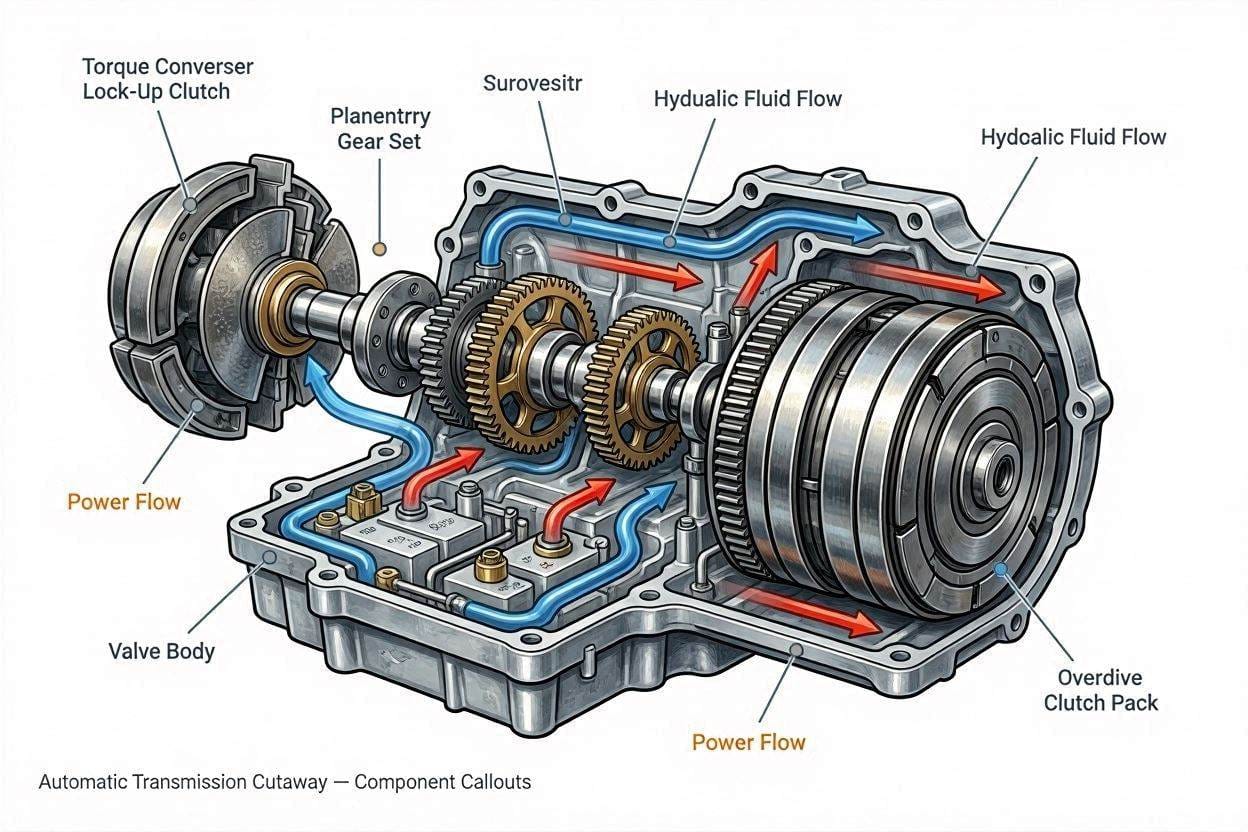
Overdrive is a gear ratio less than 1:1, typically 0.70–0.80:1 in most vehicles. It reduces engine RPM at highway speeds, improving fuel efficiency. Your transmission shifts into overdrive at 45–55 mph in most modern cars.
Key Symptoms of Overdrive Slipping
- RPM flare occurs without acceleration.
- Transmission slips on the highway but holds lower gears.
- 4th gear slips or hunts between gears.
How It Differs from General Transmission Slipping
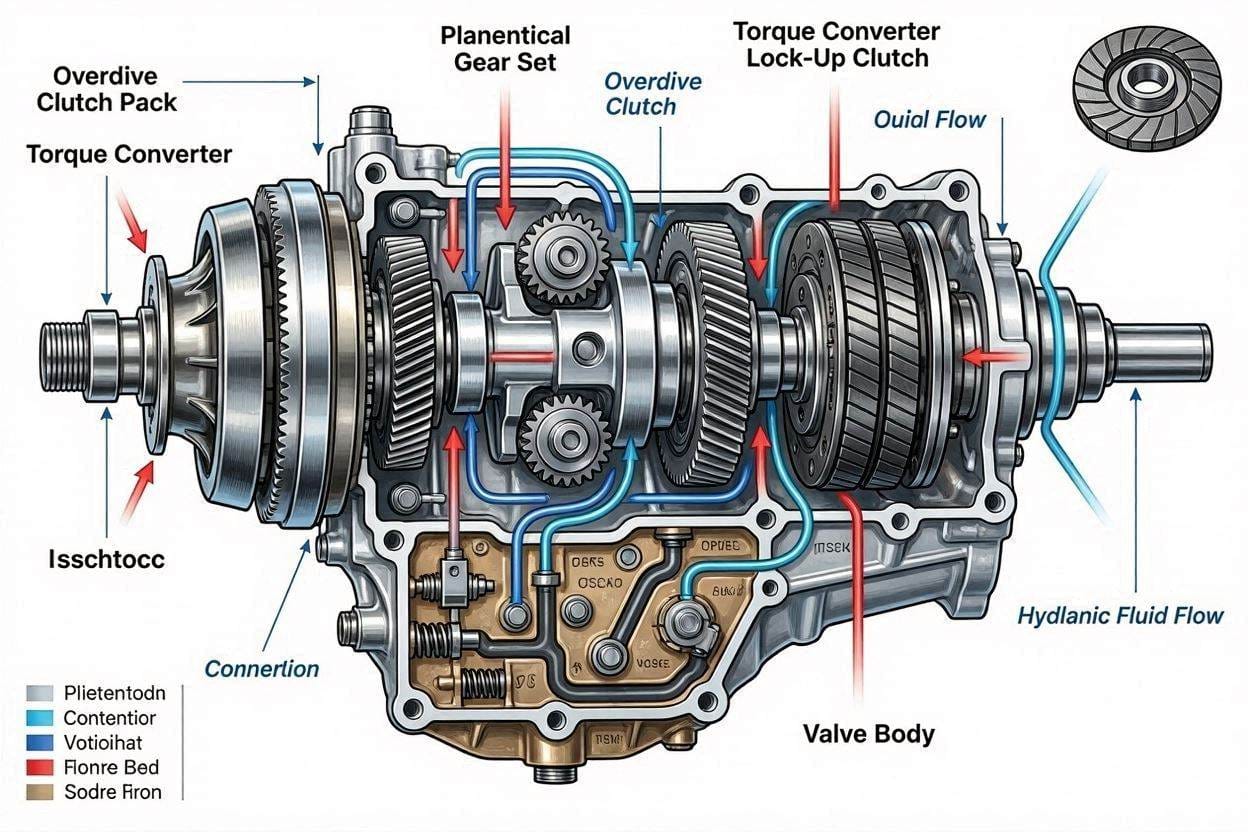
General slipping affects all gears. Overdrive slipping is highway-specific. It involves unique components like the overdrive clutch, planetary gear sets, and lock-up torque converter.
Common Causes of Transmission Slipping Overdrive
Transmission slipping in overdrive typically results from low or contaminated fluid, worn overdrive clutch packs, faulty solenoids, or torque converter lock-up clutch failure. These common issues prevent proper hydraulic pressure or mechanical engagement needed for efficient highway cruising at higher speeds.

Low or Contaminated Transmission Fluid (Most Common)
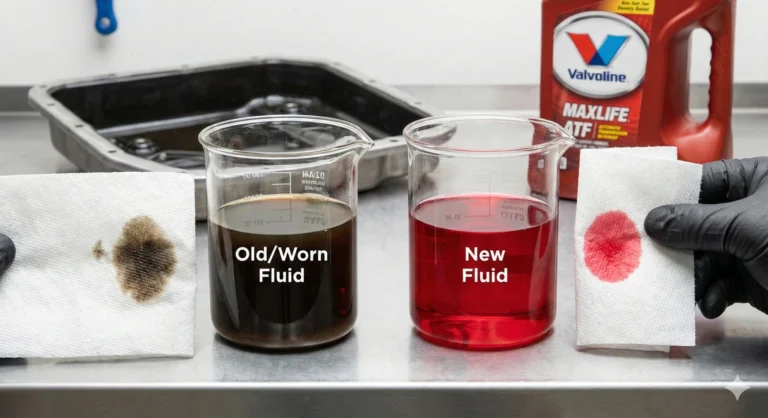
Low fluid reduces hydraulic pressure. Contaminated fluid clogs valves and passages. Check fluid when warm, engine in Neutral. Use the correct ATF type for your vehicle.
Worn Overdrive Clutch Packs or Bands
Overdrive clutches wear out at 100,000–150,000 miles. Worn bands cause delayed or no engagement. Replacement requires transmission removal and disassembly.
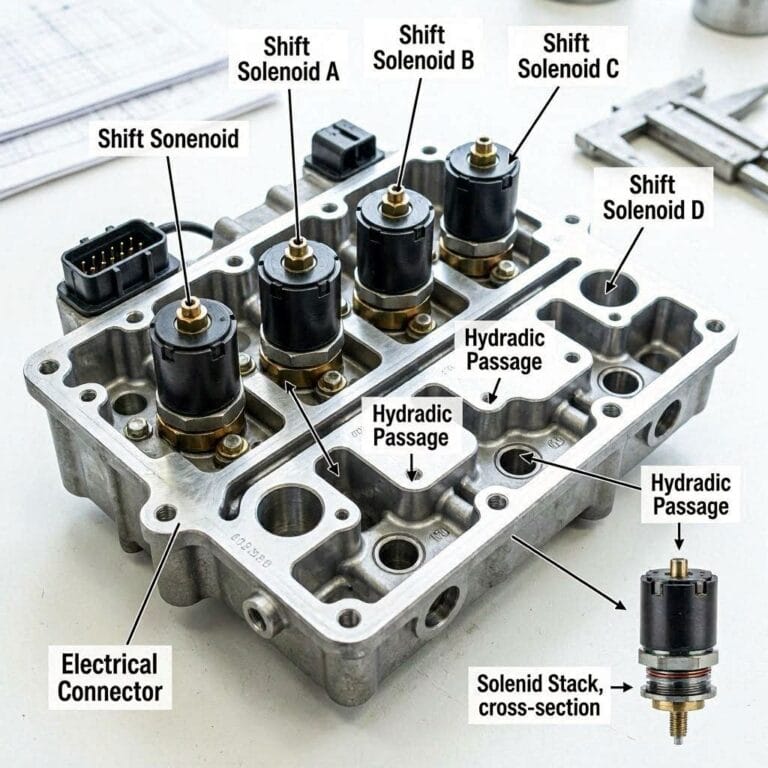
Faulty Solenoids or Valve Body Issues
Solenoids control fluid flow to clutches. A faulty solenoid causes erratic shifting. Valve body issues can cause similar symptoms. Scan for codes: P0730, P0740, P0750.
Torque Converter Problems (Lock-Up Clutch Failure)
The torque converter lock-up clutch engages in overdrive. Failure causes slipping and shuddering. Common in vehicles with towing history.
Other Causes: Sensors, Leaks, Overheating, High Mileage Wear
- Faulty speed sensors provide incorrect input.
- Leaks reduce fluid levels.
- Overheating accelerates wear.
- High mileage vehicles experience natural component degradation.
| Cause | Symptoms | DIY Fix Potential | Cost Range |
|---|---|---|---|
| Low/Dirty Fluid | Slipping when hot | High | $50–$150 |
| Overdrive Clutch | Highway-specific slip | Low | $1,500–$4,000 |
| Torque Converter | Shudder + slip | Low | $800–$2,500 |
| Solenoids/Valve Body | Erratic shifting | Medium | $300–$1,200 |
Diagnosing Transmission Slips on Highway
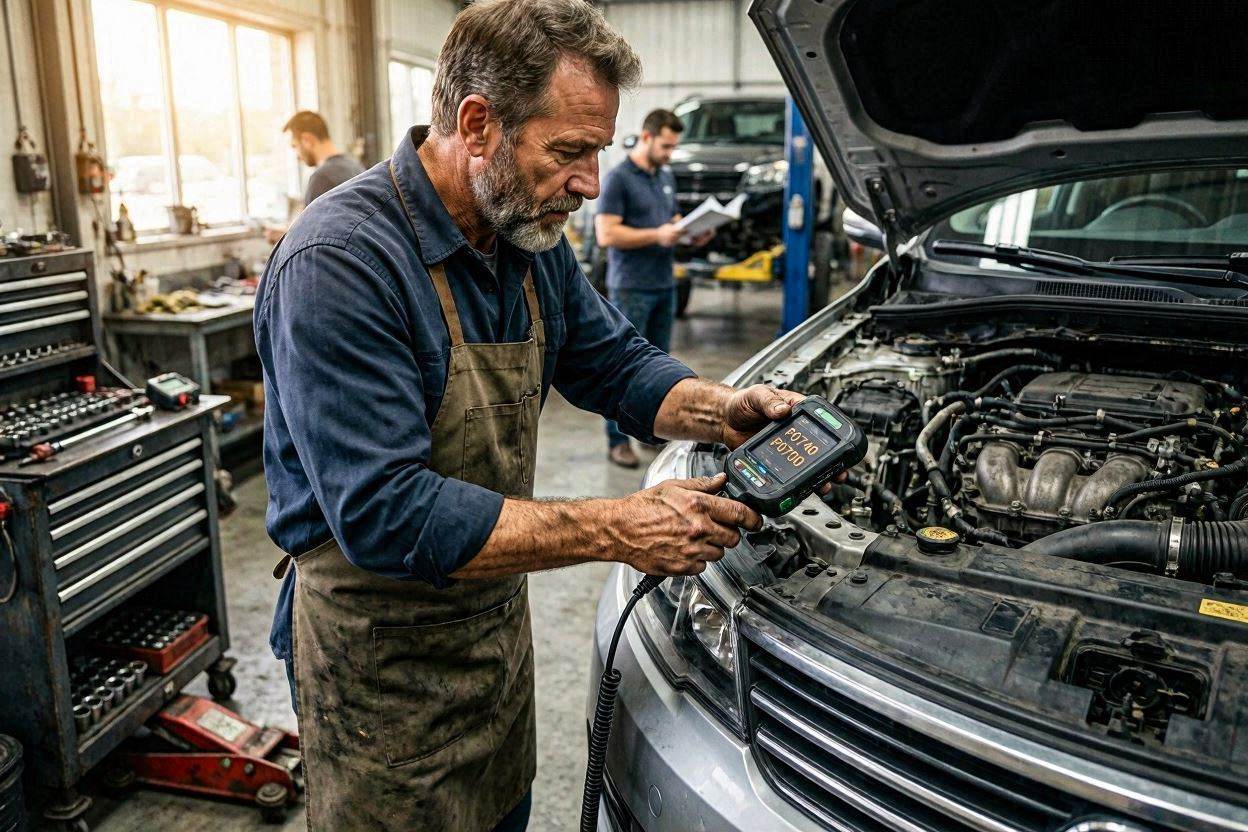
Diagnosing transmission slips on the highway begins with checking fluid level and condition with the engine warm and in Neutral, scanning for OBD-II codes such as P0740 or P0730, and performing a controlled test drive to note specific symptoms. These steps identify most causes.
Step-by-Step DIY Troubleshooting
- Check fluid level and condition. Engine warm, in Neutral. Fluid should be red and smell slightly sweet, not burnt.
- Scan for OBD-II codes. Use a scan tool to read P0740 (Torque Converter Clutch Circuit Malfunction) or P0730 (Incorrect Gear Ratio).
- Test drive. Note when slipping occurs. Check for specific speeds, loads, or dashboard warning lights.
When to Use a Professional Diagnostic Tool
Professional scan tools provide live data and advanced diagnostics. They read manufacturer-specific codes. Use these when basic scanning doesn’t reveal the issue.
✅ Pro Tip: Many drivers fix early slipping with a simple fluid change and filter service. For deeper issues, see our torque converter diagnosis guide.
How to Fix Transmission Slipping in Overdrive
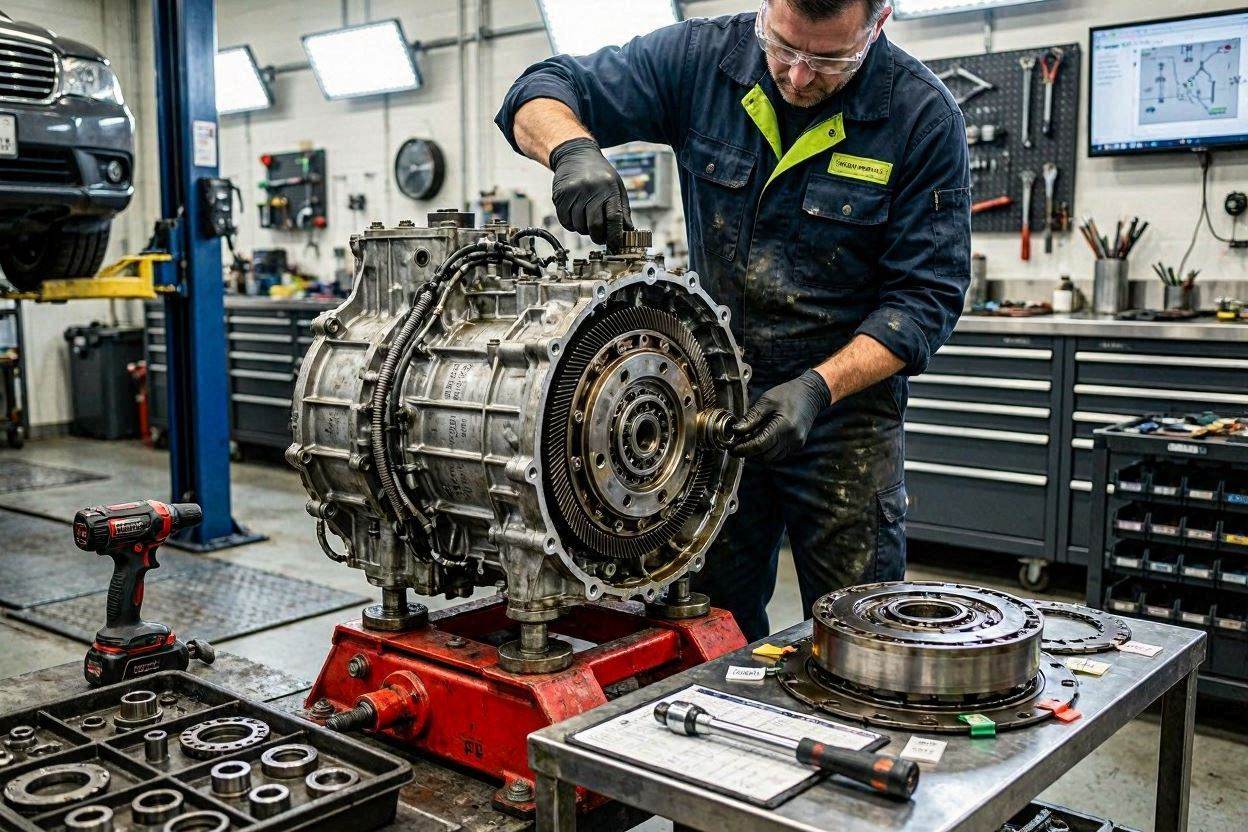
Fixing transmission slipping in overdrive ranges from a simple $50 fluid change to a $7,000+ transmission replacement. The right solution depends on accurate diagnosis of the root cause, your vehicle’s mileage, and overall mechanical condition. Early intervention prevents escalating internal damage.
Beginner Fluid and Filter Change Guide
- Drain old fluid completely.
- Replace the filter.
- Refill with manufacturer-recommended ATF.
- Check for leaks after service.
Cost: $100–$250 at a shop, $50–$100 DIY.
Solenoid and Sensor Repairs
- Replace faulty solenoids with OEM parts.
- Clean valve body passages.
- Recalibrate shift points.
Cost: $400–$1,000 including labor.
Torque Converter Replacement Process
- Remove transmission to access converter.
- Install new or remanufactured unit.
- Replace torque converter clutch solenoid if needed.
Cost: $1,000–$2,500 with labor.
Full Transmission Rebuild vs. Replace Decisions
Consider a rebuild for vehicles in good condition with under 150,000 miles. Replace for high-mileage vehicles with multiple issues. See our rebuild decisions guide for more.
| Option | Pros | Cons |
|---|---|---|
| Rebuild | Lower cost, retains original case | Labor-intensive, warranty varies |
| Replace | New components, full warranty | Higher cost, may need updates |
• Fluid change: **\$100–\$250**
• Solenoid repair: **\$400–\$1,000**
• Torque converter: **\$1,000–\$2,500** (labor included)
• Rebuild: **\$2,500–\$5,000+**
• New/Reman transmission: **\$3,000–\$7,000+**
Top Transmission Slipping In Overdrive – Our Picks
![[(Extruded Cables for High Voltage Direct Current Transmission : Advances in Research and Development)] [By (author) Gio](https://vehiclebar.com/wp-content/uploads/2026/08/repair_transmission-slipping-in-overd_1786809882.jpg)

Expert Tips for Preventing Overdrive Problems
Expert tips for preventing overdrive problems include strictly following your vehicle manufacturer’s maintenance schedule, changing transmission fluid and filter every 30,000–60,000 miles, using only high-quality ATF that meets or exceeds specifications, monitoring transmission temperature with a gauge, and installing an auxiliary cooler when towing or carrying heavy loads.
- Maintenance schedule: Fluid every 30k–60k miles.
- Driving habits: Avoid aggressive acceleration at highway speeds.
- Upgrades: Consider upgraded clutch packs for high-mileage vehicles. Use a higher-capacity transmission for towing.
Beginner Mistakes to Avoid with Automatic Transmission Issues
Beginner mistakes with automatic transmissions include checking fluid in Park instead of Neutral, which gives false readings, ignoring early warning signs like flashing overdrive lights, using the wrong fluid type that can cause damage, overusing stop-leak additives that clog passages, and delaying service until complete failure.
- ❌ Checking fluid in Park → Always use Neutral.
- ❌ Ignoring warning signs → Address overdrive light flashing immediately.
- ❌ Wrong fluid type → Use OEM-specified ATF.
- ❌ Stop-leak additives → Can clog passages and worsen issues.
Transmission Rebuild vs. Replace: Which Is Better?
Determining whether to rebuild or replace a transmission depends on vehicle age, current mileage, and overall mechanical condition. Rebuilding is typically cost-effective for otherwise sound vehicles with under 150,000 miles, while full replacement may be more economical for high-mileage or heavily damaged transmissions with multiple failing components.
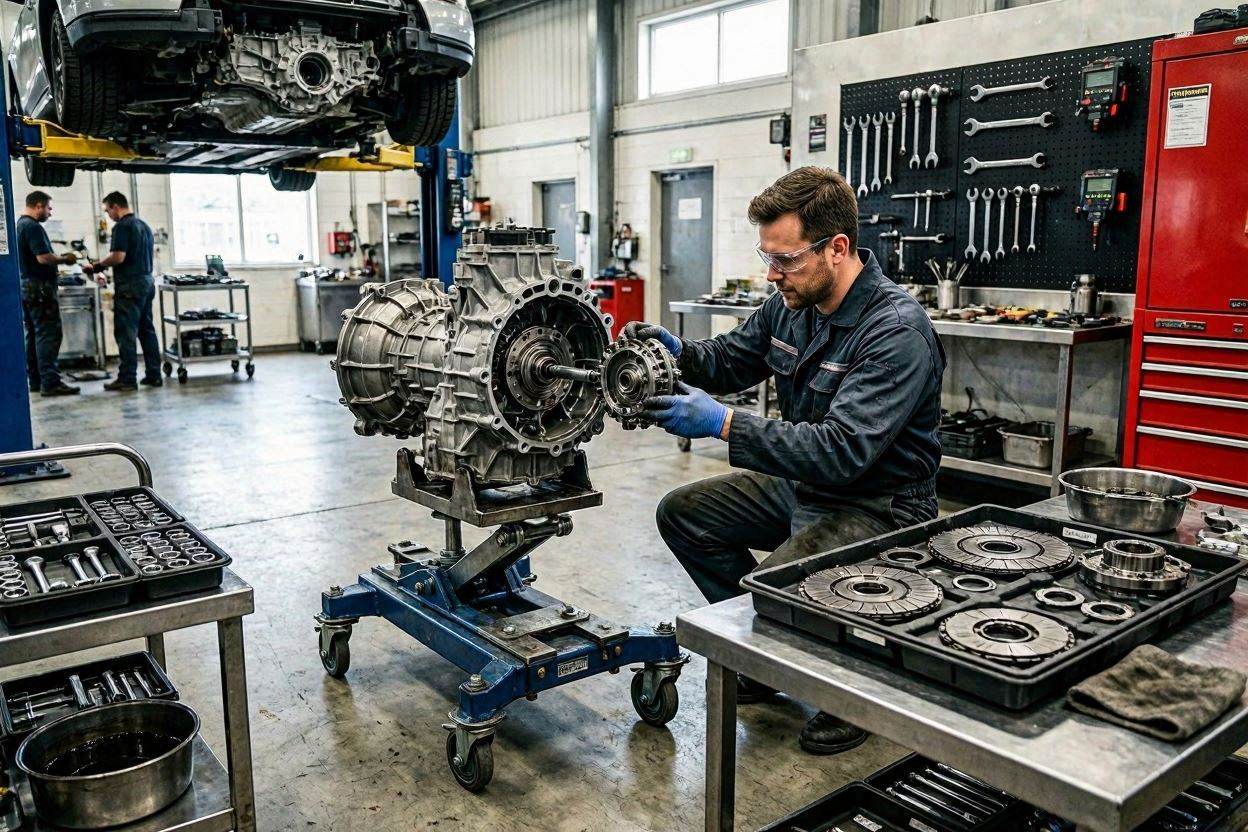
- Rebuild: Best for vehicles in good condition.
- Replace: Best for high-mileage or severely damaged transmissions.
For more, see our rebuild decisions guide.
FAQ (Voice-Search Optimized)
Why does my transmission slip only in overdrive?
Overdrive-specific components like the overdrive clutch or torque converter lock-up mechanism fail. These only engage at highway speeds, causing isolated slipping.
Can low transmission fluid cause slipping on the highway?
Yes. Low fluid reduces hydraulic pressure needed for clutch engagement. This is the most common cause of highway-specific slipping.
How much does it cost to fix transmission slipping in overdrive?
Costs range from $50 for a fluid change to $7,000+ for a new transmission. Average repairs cost $300–$2,500 depending on the component.
Is it safe to drive with a slipping transmission?
No. Continuing to drive can cause catastrophic damage. Severe slipping may lead to complete transmission failure, leaving you stranded.
What causes the overdrive light to flash with slipping?
The TCM detects a problem and triggers the light. Common causes include solenoid failure, torque converter issues, or internal damage. See our overdrive problems guide.
Can a torque converter cause overdrive slipping?
Yes. The torque converter lock-up clutch engages in overdrive. If it fails, the converter cannot transfer power efficiently, causing slipping.
How long does a transmission rebuild last?
A quality rebuild lasts 50,000–100,000 miles with proper maintenance. Use a reputable shop and OEM-quality parts for best results.
Conclusion
Transmission slipping in overdrive is a serious issue requiring prompt attention. Check fluid first, then diagnose the specific cause. Address problems early to avoid expensive repairs.
Call to Action: Address transmission slipping in overdrive early for the best outcome. Consult a trusted mechanic for professional diagnosis and repair.
You might also like: Flywheel Resurfacing vs. Replacement: Which Should You Do?, Clutch Adjustment Guide: Cable & Self-Adjusting Clutches, Cable vs Hydraulic Clutch: Which System Is Better for Your Car?