Synthetic vs Conventional Oil: Complete Comparison Guide
Quick Answer
Use full synthetic if your car was built after 2010, has a turbo, or drives in extreme heat or cold. Conventional oil is acceptable for older vehicles with high mileage driven gently in mild climates. Synthetic blend is rarely the best choice for either situation. When in doubt, open your owner’s manual — it settles the argument.
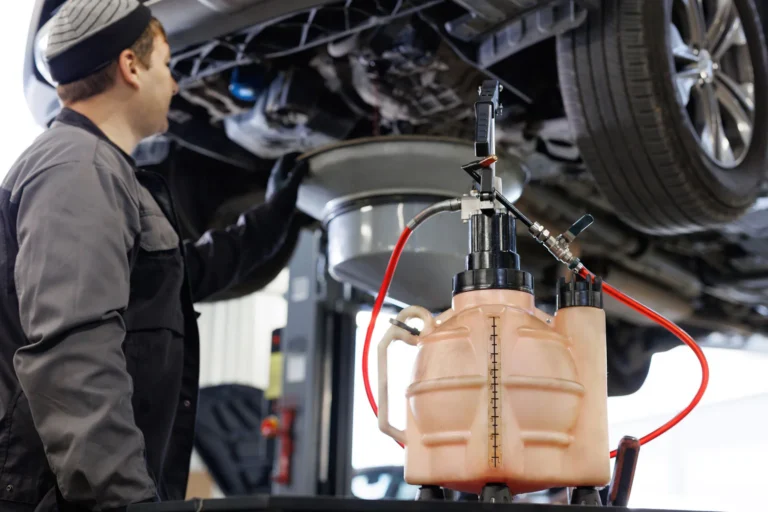
That faint ticking under your hood on a cold morning is your engine asking for better protection. I have spent 15 years turning wrenches in shops across the Midwest. I have seen engines with 300,000 miles that still purr. I have also seen engines with 80,000 miles that sound like coffee grinders. The difference is almost always the oil choice and the change interval.
Choosing between synthetic and conventional motor oil is not just about price. It is about how you drive, where you live, and how long you want your engine to last. In 2026, modern turbocharged engines, hybrid powertrains, and tighter manufacturing tolerances make this decision more important than ever. Here are the shop-floor facts.
Conventional Oil: The Budget-Friendly Baseline
Conventional oil starts as crude pulled from the ground. Refineries distill it and strip out waxes and heavy metals. But the molecules stay uneven. Some are short. Some are long. That inconsistency matters when temperatures swing.
For older vehicles with loose tolerances, conventional oil works fine. It lubricates pistons, bearings, and camshafts well enough in mild weather. It costs about $3 to $5 per quart. A full change runs $35 to $75 at a shop in 2026.
But here is the catch. Conventional oil oxidizes faster under heat. It turns acidic. It forms sludge. I have pulled valve covers off Toyota 2.4L engines from the early 2000s that looked like they were filled with black pudding. Those owners used conventional oil and stretched their intervals to 6,000 miles. That sludge chokes oil galleries and starves bearings. The repair bill for a new engine? Over $4,000.
Conventional oil also thickens in cold weather. At 0°F, it can flow three times slower than synthetic. That means your crankshaft and cam bearings run dry for the first few seconds after startup. Most engine wear happens during those cold starts.
If you drive an older Chevy truck or a basic Civic in moderate climates, conventional oil is acceptable. Just change it every 3,000 to 5,000 miles. Do not push it.
Synthetic Oil: Engineered for Modern Engines
Synthetic oil is built, not refined. Chemists start with natural gas or pure petrochemicals. They strip out every impurity. They build uniform molecules that are all the same size. The result is an oil that flows like water when cold and stays thick when hot.
Full synthetics like Mobil 1 Extended Performance 5W-30 and Pennzoil Ultra Platinum 5W-30 use advanced additive packages. Detergents suspend soot and carbon. Anti-wear agents bond to metal surfaces. Friction modifiers improve gas mileage by 1 to 2 percent in controlled tests.
The real advantage shows up in extremes. In Minnesota winters, synthetic reaches your turbo bearings in under a second. Conventional might take three seconds. That gap matters when your turbo spins at 200,000 RPM. I have replaced turbochargers on Subaru WRXs and Ford EcoBoost engines because oil coked into hard carbon deposits. Synthetic oil prevents that.
At the other end, synthetic resists thinning at 400°F. Towing a trailer through Arizona in July? Your oil will not break down. Lab tests show synthetics reduce wear by up to 47 percent under severe conditions compared to conventional.
Change intervals are where synthetics save time and money. Most 2025-2026 vehicles from Toyota, Honda, and Ford recommend 10,000-mile intervals with full synthetic. Some European brands push to 15,000 miles. Mobil 1 Extended Performance is guaranteed for 20,000 miles or one year.
Do the math. Two synthetic changes per year at $90 each versus four conventional changes at $45 each. The cost is nearly identical. But your engine gets better protection. That is why I run synthetic in every vehicle I own.
Affiliate disclosure: We earn a small commission on purchases at no extra cost to you.
Top Synthetic Oil Picks for 2026
Extended Intervals

Best Overall

High Performance

What Makes Them Different at the Molecular Level
The API classifies base oils into five groups. Conventional oil falls into Group II — refined but not rebuilt. Group III oils are hydrocracked to near-synthetic purity. Most “synthetic” oils on the shelf today start as Group III. True Group IV oils are PAOs, built from ethylene gas. Group V covers esters and other specialty bases.
Pennzoil Platinum uses a unique process. They convert natural gas into crystal-clear base oil with virtually zero impurities. That is why they can offer a 500,000-mile protection guarantee. Mobil 1 blends Group III and Group IV bases with a heavy additive package.
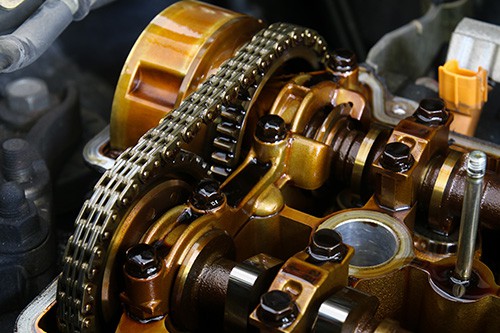
Additives are where the real difference lives. Detergents keep pistons clean. Dispersants hold soot in suspension. Anti-wear agents like ZDDP protect cam lobes and lifters. Friction modifiers improve fuel economy. Conventional oil has these too — but synthetic bases let the additives work longer without breaking down.
Synthetic blends mix 5 to 50 percent synthetic base with conventional. They flow better in cold weather than straight conventional. They cost less than full synthetic. But they do not last as long. I see them as a compromise that satisfies no one. If your manual calls for synthetic, use synthetic. If it allows conventional, conventional is fine. Blends are the middle child nobody asked for.
Performance Showdown: Cold Starts, Heat, and Wear
Synthetic oil flows at temperatures as low as -40°F. Conventional starts to gel around -20°F. In a Chicago winter, that difference means your rod bearings are protected immediately instead of after several grinding seconds.
Under heat, synthetic maintains its viscosity grade. A 5W-30 synthetic stays close to a 30-weight oil at 212°F. Conventional 5W-30 might thin out to a 20-weight. That thinner film allows metal-to-metal contact on crankshaft journals. The result is accelerated wear.
I once had a customer with a 2018 Ford F-150 EcoBoost. He towed a 7,000-pound camper through the Rockies every summer. He used conventional oil and changed it every 5,000 miles. At 90,000 miles, both turbochargers were shot. Oil starvation from coked deposits killed them. The repair was $3,200. He switched to synthetic after that. So did his brother.
Turbocharged Engines Cannot Afford Conventional Oil
Turbo bearings spin at up to 200,000 RPM and reach temperatures above 400°F. Conventional oil coking inside a turbo is one of the most common causes of premature turbo failure I see in the shop. Subaru EJ engines, Ford EcoBoost 1.5T and 2.0T, and GM 1.5T — all of them are vulnerable if you run conventional or stretch intervals too long.
Cost vs Value: The Real Math for 2026
A conventional oil change at a quick-lube shop runs $35 to $75 in 2026. A full synthetic change runs $65 to $130. DIYers pay about $30 for five quarts of conventional plus a filter. Synthetic DIY runs about $45 to $55.
Cost-per-mile tells the real story. Assuming you drive 15,000 miles per year:
| Oil Type | Change Interval | Changes/Year | Cost Per Change | Annual Cost |
|---|---|---|---|---|
| Conventional | 3,750 miles | 4 | $45 | $180 |
| Synthetic Blend | 5,000 miles | 3 | $55 | $165 |
| Full Synthetic | 10,000 miles | 2 | $90 | $180 |
| Extended Synthetic | 15,000 miles | 1 | $110 | $110 |
The numbers look close. But the synthetic driver gets better protection, fewer shop trips, and less engine wear. Factor in a 1 to 2 percent fuel economy gain. At $3.50 per gallon and 25 MPG, that saves $20 to $40 per year. Over ten years, the synthetic user likely avoids a $2,000 turbo or bearing repair.
For a 1995 Chevy C1500 with 180,000 miles seeing 3,000 miles per year of gentle driving, conventional is fine. For a 2024 Toyota Camry Hybrid or a 2025 Ford Bronco, synthetic is the smart play every time.
How to Pick the Right Oil for Your Specific Vehicle
Your owner’s manual is law. If it says “synthetic 0W-20 required,” use it. Skipping this can void your warranty. Many 2025-2026 vehicles from BMW, Mercedes, and GM now require Dexos1 Gen3 or specific ACEA formulations.
Which Oil Type Does Your Vehicle Need?
Switching from conventional to synthetic is safe. No flush needed. Drain the old oil. Replace the filter. Fill with synthetic. Drive 3,000 miles. Change it again — that second change pulls out suspended sludge. After that, run your normal interval.
Affiliate disclosure: We earn a small commission on purchases at no extra cost to you.
Best High-Mileage Oil for Older Engines
75k+ Miles

Best for 75,000+ Mile Engines
Best Filter Pairing

Shop-Floor Tips That Actually Work
Check your dipstick every month. Low oil kills engines faster than dirty oil. A 2020 Honda Accord with a 1.5L turbo can burn a quart every 1,000 miles under hard use. If you do not check, you run dry. The result is a $5,000 engine replacement.
Use a quality filter. The FRAM Ultra Synthetic filters at 99 percent efficiency and is rated for 15,000 miles. Cheap filters collapse internally. When that happens, dirty oil bypasses filtration and goes straight to your bearings.
Consider oil analysis. For $30 to $35, labs like Blackstone tell you exactly how much life is left in your oil. They also detect metal particles that signal bearing or ring wear. I recommend this for anyone running extended intervals or towing regularly.
A friend of mine drives a 2015 Subaru Outback with the 2.5L engine. He switched to synthetic after hearing piston slap on cold mornings. The noise was gone in two weeks. He now changes it every 7,500 miles and has 140,000 miles with zero oil consumption.
Another customer towed a 6,000-pound travel trailer with a Ram 1500 Hemi using conventional 5W-20. At 60,000 miles, his cam phasers failed from oil sludge. The repair was $1,800. Synthetic would have prevented the varnish buildup that killed those phasers.
Switched to Synthetic and Noticed a Small Leak?
Do not panic. Synthetic’s better flow can seep past a dried-out gasket that conventional oil was too thick to find. That is the gasket telling you it was already failing. Replace it and enjoy the better protection. The synthetic did not cause the leak — it revealed one that was waiting to happen.
Related Guides on VehicleBar
- How Often to Change Synthetic Oil — The Real Intervals by Vehicle Type
- Best Oil Filters for Every Budget — Tested and Ranked
- Oil Leak Diagnosis and Repair — Every Common Leak Explained
- When to Replace Your Engine Air Filter — Signs It’s Time
- Best Spark Plugs for Your Car — What the Shop Actually Recommends
- The 3,000-Mile Oil Change Myth — What Modern Engineers Won’t Tell You
- 0W-20 Motor Oil: When to Use and Best Brands
- Diesel Engine Oil vs. Gasoline Engine Oil
Frequently Asked Questions
Can I mix synthetic and conventional oil in an emergency?
Yes. They are fully compatible. You will not damage your engine by mixing them. But you will dilute the synthetic’s benefits. Top off with the correct oil type as soon as possible. Mixing is a temporary fix, not a maintenance strategy.
How often should I change synthetic oil in 2026?
Most 2025-2026 vehicles recommend 7,500 to 10,000 miles with full synthetic under normal driving. Severe service — towing, short trips, stop-and-go, extreme temperatures — cuts that to 5,000 miles. Always follow your oil life monitor or owner’s manual. Never exceed one year between changes, even if mileage is low.
Is synthetic oil better for high-mileage cars over 100,000 miles?
Yes, but use a high-mileage formula. Oils like Valvoline MaxLife contain seal conditioners that reduce leaks and extra detergents to clean sludge. Do a 3,000-mile change on the first fill to flush deposits, then extend to normal intervals.
Does synthetic oil improve gas mileage?
It can improve fuel economy by 1 to 2 percent. The uniform molecules reduce internal friction. Your engine works less hard to push oil through tight clearances. Over a year at 15,000 miles, that saves $20 to $40 for the average driver. Not dramatic, but consistent.
What is a synthetic blend, and is it worth buying?
A synthetic blend mixes 5 to 50 percent synthetic base with conventional oil. It flows better in cold weather than straight conventional. It costs less than full synthetic. But it does not last as long. I only recommend blends if budget is a hard constraint and your manual allows conventional. Otherwise, go full synthetic.
Will synthetic oil void my car’s warranty?
No. The Magnuson-Moss Warranty Act protects your right to choose oil brands. Just make sure the synthetic meets the API and manufacturer specs listed in your manual. Many automakers now require synthetic to maintain warranty coverage on turbocharged engines — so conventional might void your warranty, not synthetic.
Should I use synthetic oil in a hybrid vehicle?
Yes. Hybrid gas engines run intermittently and rarely reach full operating temperature. Moisture accumulates in the oil faster than in a conventional vehicle. Synthetic resists acid formation and sludge better than conventional. Toyota recommends 10,000-mile full synthetic intervals for the Prius, RAV4 Hybrid, and Camry Hybrid.
Do I need to flush my engine before switching to synthetic?
No flush is needed. Synthetic and conventional are fully compatible. Drain the old oil, replace the filter, fill with synthetic, drive 3,000 miles, then change it again to remove suspended sludge. After that, resume your normal interval. Engine flush products can dislodge large sludge chunks and clog your oil pickup — avoid them.
Making the Smart Choice for Your Engine
Your engine is the most expensive component in your vehicle. A new one costs $4,000 to $10,000. An oil change costs $40 to $90. The math is simple.
Conventional oil works for old trucks in mild weather with low annual mileage. Synthetic protects modern turbos, hybrids, and daily drivers that face real heat and cold. The cost difference per mile is small. The protection difference is massive.
I have pulled apart enough engines to know. The ones that ran synthetic look clean inside. The ones that ran conventional and stretched intervals look like tar pits. You get to choose which one yours becomes. Check your manual, pick the right grade, change it on time. Your engine will still be running strong at 200,000 miles.