Blown Head Gasket Symptoms: Causes & Fixes
Blown Head Gasket Symptoms: The Complete Diagnostic Guide (2026)
The head gasket is one of the most critical—and most misunderstood—components in your engine. It is a flat, multi-layer sealing plate that sits between the engine block and the cylinder head, and its only job is to contain the immense pressures of combustion while keeping coolant, oil, and combustion gases in their separate channels. When this thin barrier fails, it doesn’t just cause a leak; it creates a cross-contamination pathway between systems that were never designed to mix, leading to overheating, misfires, and catastrophic engine damage if ignored.
This guide covers every major blown head gasket symptom—from the obvious white exhaust smoke and milky oil to the subtle signs like mysterious coolant loss and bubbling in the overflow tank. You’ll learn how to distinguish a failing gasket from a cracked block or a bad intake manifold gasket, which diagnostic tests actually work (and which are misleading), and exactly what each symptom means for your engine’s survival. We also break down the real-world repair costs, including parts, labor, and whether a replacement is even worth it on your vehicle.
What makes this guide different is its focus on diagnostic accuracy. Most articles just list symptoms without explaining their severity or timing. Here, you get a ranked symptom severity matrix, a step-by-step decision tree for field diagnosis, and honest notes on what a compression test can and cannot tell you. By the end, you’ll know whether you’re dealing with a minor seep that can wait a week or a full failure that requires immediate attention—and exactly what to say to your mechanic.
What Is a Blown Head Gasket? (Entity Definition)
A blown head gasket is a failed seal between the engine block and the cylinder head. It is the gasket that keeps combustion gases, engine coolant, and engine oil in their separate passages. When it fails, those fluids mix or escape, and the engine loses compression.
The head gasket sits at the top of the engine block, directly beneath the cylinder head. It seals each cylinder’s combustion chamber, plus the coolant passages and oil return galleries that run through the engine. Most modern gaskets are multi-layer steel (MLS) with a fire ring around each cylinder bore. Older engines use composite or graphite gaskets.
The Role of the Head Gasket in Your Engine
The head gasket does three jobs at once. First, it seals the combustion chamber so compression stays high enough for power. Second, it keeps coolant inside the coolant passages and out of the cylinders. Third, it keeps engine oil from mixing with either coolant or combustion gases.
Because the gasket sits between the engine block and the cylinder head, it takes extreme punishment. It must hold up to combustion pressures of [VERIFY: typical peak cylinder pressure in psi for a gasoline engine] while being clamped by head bolts or studs. It also handles thermal cycling — the engine goes from cold to operating temperature every time you drive.
How a Blown Head Gasket Differs from a Leaking Head Gasket
A leaking head gasket and a blown head gasket are not the same severity. A leak means the gasket has lost its seal in one small area. Coolant may seep externally, or a tiny amount of combustion gas may escape. The engine still runs, and you may not notice immediate performance loss.
A blown head gasket means the seal has failed catastrophically. This usually happens between adjacent cylinders, between a cylinder and a coolant passage, or between a cylinder and an oil gallery. The engine loses compression, coolant enters the combustion chamber, or oil and coolant mix. Head gasket failure of this type requires immediate repair.
Why Early Detection Matters
Early detection is what separates a $200 gasket repair from a $3,000 engine replacement. When a head gasket fails and you keep driving, the engine block and cylinder head can warp from overheating. A warped head cannot be resealed with a new gasket — it must be machined flat or replaced.
Blown head gasket symptoms often appear gradually. You might notice engine overheating first, then white exhaust smoke, then milky oil. Catching the first symptom gives you time to stop driving and diagnose before secondary damage sets in. The sections below rank the seven most common symptoms by how reliably they point to head gasket failure, so you know which ones demand immediate action.
The 7 Most Common Blown Head Gasket Symptoms (Ranked by Diagnostic Value)
Not every symptom points to a head gasket with the same certainty. Some are strong indicators that require immediate action, while others could easily come from a faulty thermostat or a cracked radiator. Here are the seven most common blown head gasket symptoms, ranked from highest to lowest diagnostic value.
Symptom 1: White Exhaust Smoke with Sweet Smell
Symptom 1: Details
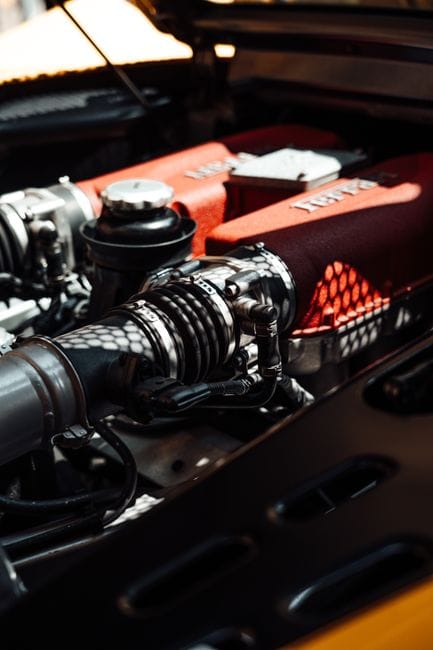
White smoke from exhaust that carries a sweet, syrupy odor is one of the strongest signals of a failed gasket. The sweet smell is coolant — specifically ethylene glycol — burning inside the combustion chamber. When the gasket fails between a coolant passage and a cylinder, coolant gets pulled into the cylinder during the intake stroke and exits as steam.
This symptom is most visible when the engine is cold and warming up. As the engine reaches operating temperature, the smoke may thin out, but it rarely disappears completely. A quick check: hold a clean paper towel over the tailpipe for a few seconds. If it comes back damp with a sweet-smelling residue, that is coolant, not normal condensation.
The diagnostic value here is high because no other common failure produces sweet-smelling white smoke. A turbo seal leak produces white smoke, but it smells like oil, not coolant. Condensation produces water vapor that evaporates quickly and leaves no residue.
Symptom 2: Rapid Coolant Loss Without Visible Leaks
Symptom 2: Details
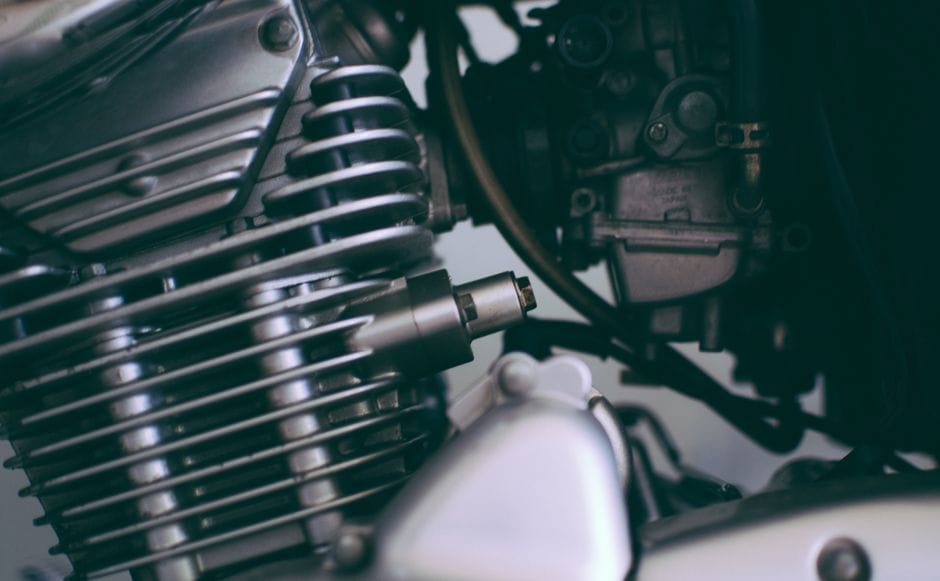
Coolant loss with no puddle under the car points to coolant being consumed internally. If the gasket fails between a cylinder and a coolant jacket, the combustion pressure pushes coolant out of the cooling system and into the cylinder. The coolant burns off as steam, so you never see a leak.
Track this symptom by checking the overflow reservoir cold, before you start the engine. Mark the level with a piece of tape. Drive for a day, then check again. Losing more than a quarter of the reservoir in a week, with no visible leak, is a strong indicator.
This symptom pairs with white exhaust smoke. If you see both, the diagnosis is near-certain. If you only see coolant loss, you should also check for a leaking heater core, which can hide coolant inside the cabin floor carpet.
Symptom 3: Engine Overheating That Returns Quickly
Symptom 3: Details
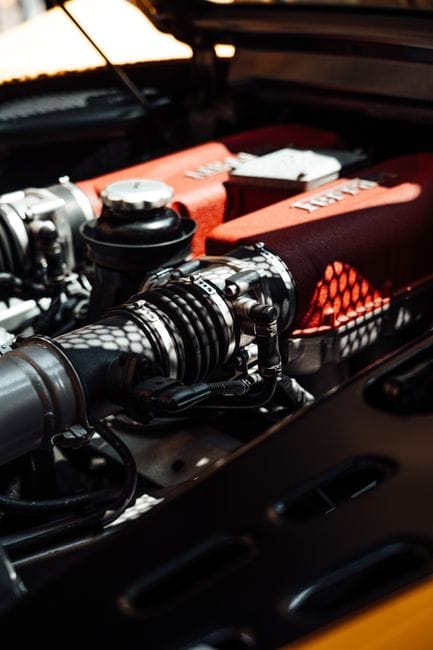
An overheating engine that returns to normal temperature after you add coolant, then overheats again within minutes, points to a combustion leak. When the gasket fails, combustion gases get forced into the cooling system. These gases create air pockets in the coolant passages, which disrupt coolant flow and cause hot spots in the head.
The key differentiator is how fast the temperature climbs. A stuck thermostat causes gradual overheating that stays hot. A failed water pump causes overheating that worsens with engine speed. A combustion leak causes sudden, repeated overheating spikes that reset when you burp the system, only to return.
This symptom is dangerous because repeated overheating warps the cylinder head. If the head warps, the gasket repair becomes a head resurfacing job. Do not drive more than a few minutes with the temperature gauge in the red.
Symptom 4: Milky Oil on the Dipstick or Oil Cap
Symptom 4: Details
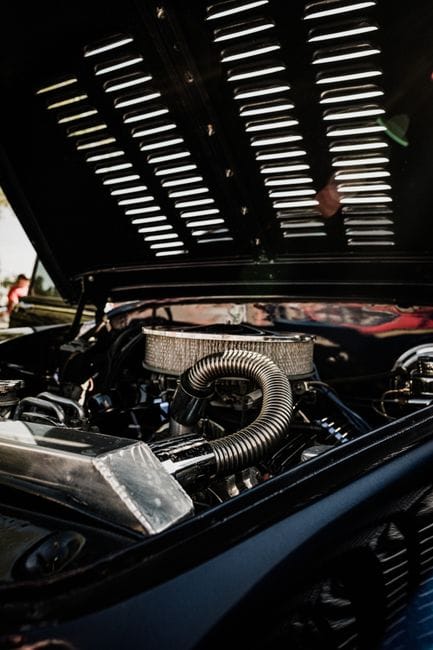
Milky, tan, or mayonnaise-like oil on the dipstick or under the oil filler cap means coolant is mixing with engine oil. This happens when the gasket fails between a coolant passage and an oil gallery. The two fluids mix, and the coolant emulsifies the oil into a thick, frothy sludge.
This is the most visible symptom, but its diagnostic value is slightly lower than the first three because of a common false positive. Short trips in cold weather cause condensation to build up inside the engine. That condensation produces a similar milky residue on the oil cap. The difference: condensation only affects the cap, while a blown gasket also turns the dipstick oil milky and raises the oil level on the dipstick.
If the dipstick shows milky oil, stop driving immediately. Coolant in oil destroys bearing surfaces and can seize the engine within [VERIFY: typical mileage range for engine damage after coolant-oil mix]. The oil loses its lubricating properties, and the coolant causes corrosion inside the block.
Symptom 5: Bubbles in the Radiator or Coolant Reservoir
Symptom 5: Details
Bubbles in the radiator or overflow reservoir indicate combustion gas entering the cooling system. When the gasket fails between a cylinder and a coolant passage, the compression stroke forces combustion gases into the coolant. These gases bubble up through the radiator filler neck or into the reservoir.
This symptom is best observed with the engine cold. Remove the radiator cap, start the engine, and watch the coolant surface. A steady stream of bubbles that increases with engine speed is a combustion leak. A few bubbles at startup that stop after a minute are normal — that is air bleeding out of the system.
The diagnostic value is high because a combustion leak has few other causes. A cracked cylinder head can produce the same bubbles, which is why the diagnosis section later in this guide covers how to tell a blown head gasket from a cracked block or warped head.
Symptom 6: Misfiring at Idle or Under Load
Symptom 6: Details
A misfire that appears at idle or under load, accompanied by a rough idle and a loss of power, can point to a head gasket failure between two adjacent cylinders. When the gasket blows between cylinders, compression from one cylinder leaks into the other. Both cylinders lose compression, and the engine misfires.
This symptom is the least specific on this list. A misfire can come from spark plugs, ignition coils, fuel injectors, or vacuum leaks. The distinguishing factor is that a gasket-related misfire does not respond to typical ignition or fuel fixes. Replacing spark plugs and coils will not cure it.
Check for this symptom by reading the trouble codes. A code like P0301 or P0302 for two adjacent cylinders, with no ignition or fuel fault found, points to a mechanical compression issue. The compression test described later in the diagnostic protocol section will confirm it.
Symptom 7: External Coolant Leak at the Head-to-Block Seam
Symptom 7: Details
An external coolant leak where the cylinder head meets the engine block is the most visible symptom but the easiest to misdiagnose. The gasket can fail at the outer edge, allowing coolant to seep out and run down the side of the engine block. This leak often gets mistaken for a water pump or hose leak.
The diagnostic value is lower because the leak location is ambiguous. Coolant running down the block could come from the water pump, a heater hose, or a freeze plug. The distinguishing factor is the source point. Clean the area thoroughly, dry it, then run the engine and watch where the coolant first appears. If it seeps from the head-to-block seam, the gasket is the culprit.
This symptom is also the least urgent. An external leak does not mix oil and coolant or allow combustion gases into the cooling system. You can often drive short distances to a shop, but you should still address it promptly because the leak will worsen and can lead to overheating.
How to Diagnose a Blown Head Gasket at Home (Step-by-Step Test Protocol)
Before you spend money on parts or labor, you need to confirm the gasket is actually the problem. The symptoms in the previous section point you in the right direction, but none of them alone prove a blown head gasket. A systematic test protocol eliminates guesswork and prevents you from replacing a perfectly good gasket while ignoring the real issue, like a cracked head or a faulty radiator cap.
Work through these tests in order. Start with the cheapest and least invasive, then move to the more conclusive ones. If any test comes back positive, you can stop and move to the repair decision.
The Cold Start Test: What to Look For
The cold start test is a visual check you can do before touching any tools. Park the vehicle overnight so the engine cools completely. In the morning, remove the radiator cap or coolant reservoir cap — only when the engine is cold, never warm — and inspect the coolant. Look for a milky, mayonnaise-like substance on the underside of the cap or floating in the coolant. That residue is oil emulsified into coolant, a strong indicator of a gasket failure between the oil and coolant passages.
Next, start the engine cold and watch the exhaust for the first 30 seconds. White smoke that smells sweet is coolant burning in the combustion chamber. A brief puff at startup can be condensation, but continuous white smoke that persists as the engine warms is a different matter. Also watch the coolant in the reservoir. If it bubbles or rises immediately after startup, combustion gases are pushing into the cooling system. This test is quick but not conclusive on its own — cold weather and normal condensation can produce false positives.
The Combustion Leak Test (Block Tester) — How It Works
The combustion leak test is the single most reliable home diagnostic for a blown head gasket. A block tester is a small plastic chamber with a rubber cone on one end and a color-changing fluid inside. You place the cone over the radiator or reservoir opening with the engine running, then draw air from the cooling system through the fluid using the built-in bulb. If the fluid changes from blue to yellow or green, combustion gases are present in the coolant.
The test works because exhaust gases contain carbon dioxide, which reacts with the fluid. A healthy cooling system has no combustion gases, so the fluid stays blue. This test catches gasket failures that leak compression into the coolant passages, even when the leak is small. It will not catch an external leak or an oil-to-coolant leak that does not involve combustion gases. A combustion leak tester costs roughly [VERIFY: typical retail price range for a block tester kit] and is reusable, making it the best first purchase for anyone who suspects head gasket trouble.
The Compression Test: Interpreting the Results
The compression test measures the pressure each cylinder can generate. You remove all spark plugs (or glow plugs on a diesel), disable the fuel system, and crank the engine with a compression gauge screwed into each cylinder. The gauge records the peak pressure, and you compare the numbers across all cylinders.
A healthy engine shows consistent numbers across cylinders, typically within 10 percent of each other. A blown head gasket between two adjacent cylinders produces two low readings side by side. A gasket failure into a coolant or oil passage usually shows one low cylinder. Low compression on a single cylinder can also mean a burned valve, worn piston rings, or a cracked head, so the compression test alone does not isolate the gasket. Combine it with the block tester results. If the block tester is positive and one or two cylinders read low, the gasket is almost certainly the cause. If the block tester is negative but compression is low, you are looking at a mechanical issue elsewhere.
The Cooling System Pressure Test
The coolant pressure test checks the cooling system for external leaks and verifies the system holds pressure. You use a hand pump with a pressure gauge that attaches to the radiator or reservoir. Pump the system to the rated pressure stamped on the radiator cap — typically 12 to 16 psi [VERIFY: typical cooling system pressure range across common vehicles] — and watch the gauge. If it holds steady, the system is sealed. If it drops, you have a leak somewhere.
With the system pressurized, inspect every hose, the water pump weep hole, the radiator seams, and the head-to-block seam. A visible drip at the head-to-block seam points to the gasket. This test also catches a failing radiator cap, which can cause overheating and mimic head gasket symptoms. Do not run this test on a hot engine — the pressure combined with heat can cause serious burns or damage. Wait for the engine to cool completely before attaching the tester.
The Oil Analysis: What Lab Results Tell You
Oil analysis is the most definitive test, but it takes time and costs money. You draw a small oil sample from the dipstick tube or drain plug and send it to a laboratory. The lab tests for coolant contamination, fuel dilution, and wear metals. Glycol (coolant) in the oil is a confirmed head gasket failure. No other component introduces coolant into the oil circuit.
Oil analysis also gives you a baseline for engine health. If the report shows high levels of bearing metals alongside coolant, the engine has suffered secondary damage from the gasket failure, which affects your repair decision. The downside is turnaround time — most labs return results in three to five business days. Use oil analysis when you need certainty before committing to a repair, or when you are deciding between a gasket replacement and a full engine swap. The cost is modest compared to the labor involved in a head gasket job.
Blown Head Gasket vs. Cracked Block vs. Warped Head: How to Tell Them Apart
A blown head gasket is not the only failure that produces coolant loss, overheating, and white exhaust smoke. A cracked engine block and a warped cylinder head cause nearly identical symptoms. Misdiagnosing any of the three wastes your time and money — a head gasket replacement will not fix a cracked block. Here is how to separate them using symptoms, test results, and a bit of logic.
Key Differences in Symptoms and Test Results
The table below compares the three failure modes across the diagnostic tests described in the previous section. Use it as a reference when your test results point in more than one direction.
| Diagnostic Signal | Blown Head Gasket | Warped Cylinder Head | Cracked Engine Block |
|---|---|---|---|
| Coolant loss location | Combustion chamber or oil passage | External weep at head-to-block mating surface | External crack in block casting; coolant on the outside of the engine |
| White exhaust smoke | Yes — steady, sweet-smelling | Occasional, often only when cold | Yes, if the crack reaches a cylinder; no smoke if it is an external crack |
| Oil contamination | Milky, frothy oil (coolant in oil) | Rare — coolant usually stays in the cooling jacket | Possible, if the crack connects a water jacket to an oil gallery |
| Compression loss | Yes — one or two adjacent cylinders drop | Yes — but usually uniform across cylinders, not isolated | Yes — isolated to the cylinder(s) near the crack |
| Block tester result (combustion gas in coolant) | Positive — chemical turns yellow | Negative — no combustion gas in coolant | Negative for external cracks; positive if the crack breaches a cylinder |
| Coolant in combustion chamber (leak-down test) | Yes — bubbles in radiator or coolant in cylinder | No — the seal is the issue, not a passage breach | Yes — if the crack connects the water jacket to the cylinder |
| Overheating pattern | Rapid, after reaching operating temp | Gradual, worse under load | Constant, even at idle, if coolant is escaping |
| Visible external damage | None — gasket is internal | None — warpage is measured, not seen | Often visible — hairline crack on block casting, coolant staining |
The pattern that matters most: a blown head gasket shows up in multiple test results at once. A warped cylinder head usually fails only the straightness check and produces inconsistent compression. A cracked engine block often shows visible external evidence — dried coolant streaks on the side of the engine block are a telltale sign. If you see those streaks, the block is cracked, and no head gasket replacement will solve it.
When a Head Gasket Replacement Won’t Fix the Problem
A head gasket replacement involves machining the head surface flat, installing a new gasket, and torquing the head bolts to spec. That process fixes a gasket that has failed and a head that is slightly warped (under [VERIFY: maximum allowable head warpage in thousandths of an inch for typical cast-iron and aluminum heads]). It does nothing for a cracked block.
Here is what separates the two situations:
– Warped head: The head is no longer flat, so the gasket cannot seal evenly. Machining the head surface restores flatness, and a new gasket seals properly. This is a fixable condition.
– Cracked block: The block casting itself has a fracture. Machining the head surface does not repair a crack in the block wall. Welding a cast-iron block is possible but expensive and often unsuccessful on aluminum blocks. Replacement is usually the only reliable fix.
The head gasket vs cracked block decision comes down to one question: is the failure at the sealing surface or in the casting itself? A compression test that shows two adjacent cylinders low, combined with a positive block tester, points to the gasket. A visible crack with coolant leaking externally points to the block. If you have already replaced the head gasket and symptoms returned within a few hundred miles, the block is cracked — the new gasket failed because the sealing surface moved under thermal stress.
Diagnostic Flowchart: Which Failure Mode Do You Have?
Walk through this sequence in order. It narrows the diagnosis without guessing.
1. Check for external coolant leaks. Look for dried coolant residue, white or green staining, on the engine block and head mating area. Visible staining means a cracked block or a leaking gasket — not a warped head. Stop here if you find it.
2. Run a compression test. Isolated low cylinders on one side of the engine? That is a blown head gasket or a cracked block. Uniformly low compression across all cylinders? That is a warped head or a worn engine — check the next step.
3. Run a block tester. Positive for combustion gas in the coolant? The failure connects a cylinder to the cooling jacket — blown gasket or internal block crack. Negative? The failure is external — warped head or external block crack.
4. Check the oil. Milky oil confirms coolant in the oil circuit. That is a gasket failure or a block crack that bridges the oil gallery. A warped head does not produce this.
5. Measure head flatness. Remove the head and check it with a straightedge and feeler gauge. Warpage beyond spec confirms a warped head. If the head is flat, the block is the problem.
The critical branch point is step 3. A positive block tester with milky oil and isolated low compression is a blown head gasket. A negative block tester with external coolant staining is a cracked block. The cracked block symptoms and warped head symptoms overlap with a blown gasket, but the block tester and external inspection separate them cleanly.
Don’t Skip the External Inspection
Many DIYers jump straight to a block tester and compression test, then order a head gasket kit. If the block has a visible crack, you have wasted the cost of the kit and the labor of disassembly. Spend five minutes inspecting the engine block and head mating surface before you buy any parts.
If you are weighing repair options after identifying the failure mode, the repair section later in this guide covers whether to replace, seal, or sell. But note this: sealants advertised for head gasket repair will not fix a cracked block or a warped head. They are designed to fill small gaps in a compromised gasket, not to bridge a fracture in the casting. If your diagnosis points to the block, skip the sealant entirely.
Blown Head Gasket Symptoms by Engine Type (Petrol, Diesel, and Common Problem Engines)
Engine design changes how a blown gasket behaves. The same failure presents differently in a petrol engine than in a diesel, and some engines have known weak points that make diagnosis easier if you know where to look.
Petrol Engines: What to Watch For
Petrol head gasket failure usually shows up as a rough idle and misfire codes before you see external coolant loss. Because petrol engines run lower compression than diesels, the combustion gases leak more gradually. You might notice a sweet smell from the exhaust as coolant burns off, or a white vapor that disappears once the engine warms up. That vapor is often misread as normal cold-weather exhaust, so check for coolant loss over a week. A slow drop in the overflow tank with no visible leak is a strong indicator of petrol head gasket failure.
Diesel Engines: Unique Symptoms and Test Considerations
Diesel head gasket symptoms follow a different pattern. Diesel engines run higher cylinder pressures, so a gasket breach tends to be more violent and sudden. The most reliable sign is the oil cooler or coolant system pressurizing — you will see coolant pushed out of the overflow tank under load, not just at idle. Diesel combustion gases contain more soot, so a block tester fluid will turn yellow or brown faster than in a petrol engine. Also, a diesel with a blown gasket often keeps running fine at idle but loses power and blows white-gray smoke under acceleration. The compression test matters more here because diesel compression ratios are higher, and a single-cylinder drop of 20 percent is easier to spot.
Known Problem Engines (Ford EcoBoost, BMW N20, Subaru EJ25, etc.)
Some engine families have common head gasket problems that are well documented. The Ford EcoBoost 2.0L and 2.3L are known for coolant intrusion into cylinders, which shows up as white smoke and misfire codes P0301 through P0304. The BMW N20 is prone to external coolant leaks at the gasket on the front corner of the block, so check for dried coolant residue there first. The Subaru EJ25 is famous for head gasket failure on the driver’s side, often presenting as a slow external leak rather than a full blowout. These patterns are consistent across many model years, so if you own one of these engines, you know what to inspect first. [VERIFY: Current list of known problem engines for 2026 models — confirm whether the Ford EcoBoost, BMW N20, and Subaru EJ25 are still the most relevant examples, or if newer engines should replace them]
If your engine is not on this list, the general symptom checks from the earlier sections still apply. The diagnostic protocol works across engine types — the block tester and compression test do not care about the fuel system. But the order you check things in can change. For a diesel, test the cooling system pressure first. For a petrol, start with the misfire codes and a coolant level log.
What a Blown Head Gasket Cannot Do (Limitations and Misdiagnosis)
A blown head gasket gets blamed for a lot of problems it did not cause. That is the core of head gasket misdiagnosis. Before you tear down the engine, you need to know what this failure cannot do. The gasket seals the combustion chamber from the coolant and oil passages. When it fails, you get compression loss, coolant contamination, or oil contamination. But it does not cause every overheating event, and it does not explain every puddle under the car.
Symptoms That Are Often Mistaken for a Blown Head Gasket
White smoke from the exhaust is the classic false head gasket symptom. But a cold morning produces white vapor from condensation in the exhaust system. That is normal. Real coolant smoke has a sweet smell and lingers even after the engine warms up. Similarly, a rough idle gets blamed on the gasket when the real cause is a vacuum leak or a failing idle air control valve. Engine misfires at startup can come from worn spark plugs or a weak ignition coil, not compression loss through the gasket.
Overheating is another false head gasket symptom. The gasket does not cause the engine to run hot — it is usually the *result* of an overheating event. A stuck thermostat, a failing water pump, or a clogged radiator can push temperatures past the point where the gasket fails. If you only check the gasket and ignore the cooling system, you will replace a good part and still have the same problem.
When the Head Gasket Is Fine but Something Else Is Wrong
A coolant leak vs head gasket comparison comes down to location. External coolant leaks from a weeping water pump, a cracked radiator end tank, or a loose hose clamp will leave puddles under the car. A blown gasket rarely leaks coolant to the ground — it pushes coolant into the combustion chamber or the oil pan. If you see a clean puddle of green or pink fluid under the front of the engine, check the water pump weep hole and the radiator first. Those are far more common failure points.
Oil in the coolant or coolant in the oil is a strong gasket indicator, but not the only one. A failing oil cooler can mix the two fluids. So can a cracked cylinder head. The block tester (which detects combustion gases in the coolant) is the test that separates these. If the fluid is mixed but the block tester shows clean, the gasket is likely fine and the oil cooler is the culprit.
The Cost of Misdiagnosis: Why Testing Matters
Replacing a head gasket is a 10-to-15-hour job on most engines. The parts are cheap — the labor is not. If you replace the gasket and the real problem was a cracked head or a failed thermostat, you have spent [VERIFY: average labor cost for head gasket replacement on a typical inline-4 engine in 2026] for nothing. That is why the diagnostic protocol from the earlier section matters. The compression test, the block tester, and the cooling system pressure test each rule out a different cause. Run all three before you commit to the repair. A five-minute test costs less than a weekend of disassembly.
Blown Head Gasket Repair Options: Replace, Sealant, or Sell?
Once you have confirmed the diagnosis using the compression test and block tester from the previous section, you face three paths: replace the gasket, pour in a sealant, or cut your losses. The right choice depends on the engine’s value, the vehicle’s condition, and whether the block itself survived the overheating event.
Head Gasket Replacement: Cost, Time, and When It’s Worth It
A proper head gasket replacement is the only repair that restores the engine to factory condition. The gasket itself costs between $40 and $150 for most vehicles. The labor is where the expense lives — this is a 10-to-15-hour job on a typical inline-4, and more on V6 and V8 layouts where the intake manifold must come off first. [VERIFY: current average head gasket repair cost for a typical inline-4 engine in 2026, including parts and labor] The job also requires resurfacing the cylinder head to ensure a flat sealing surface. Skip this step and the new gasket will fail within months.
Replacement makes sense when the engine is otherwise healthy, the vehicle has low mileage, or the body and transmission are worth preserving. If the car has 200,000 miles and needs a transmission next year, the math changes. You are not repairing a gasket — you are investing in the whole car.
Pros of Replacement
- Permanent fix that restores compression and cooling performance
- Addresses the root cause, not just the symptom
- Adds resale value if you document the repair
- No risk of clogging the cooling system
Cons of Replacement
- Highest upfront cost — labor dominates the bill
- Requires days of downtime
- Needs specialized tools (torque wrench, sometimes a head resurfacer)
- Wasted money if the block is cracked or the head is warped beyond spec
Head Gasket Sealants: What They Can and Cannot Do
A head gasket sealant is a stopgap, not a repair. These products circulate through the cooling system and deposit ceramic or sodium silicate particles at the leak point. They work on small, localized leaks where the gasket has failed at a single spot. They do not work on large tears, cracked blocks, or warped heads.
Manufacturers rate sealants for “temporary” or “emergency” use. Some owners report sealants holding for years on minor leaks. Others report the sealant clogging the heater core or radiator within weeks. The risk is real: the same particles that plug the gasket gap can plug small coolant passages. [VERIFY: manufacturer claims about sealant compatibility with modern aluminum engines and whether any major automaker approves their use]
Pros of Sealant
- Costs $20 to $60 — a fraction of replacement
- Takes 30 minutes to pour in, no disassembly
- Can get you home or to a shop safely
- Useful for a vehicle you plan to sell or scrap
Cons of Sealant
- Temporary — the leak usually returns
- Can clog heater cores, radiators, and narrow coolant passages
- May void engine warranty if a dealer detects it
- Does not fix a warped head or cracked block — the root cause persists
Decision Framework: Which Option Is Right for Your Situation?
Decision Framework: Details
Use this logic to choose between replacement vs sealant.
**Replace the gasket if:** the engine has under 150,000 miles, the block tester showed combustion gases (not just coolant mixing), and you plan to keep the vehicle for two or more years. This is the only option that restores full compression and cooling performance.
**Use a sealant if:** the vehicle is worth less than the repair cost, you need to move it in the next few months, or the engine already has other major issues. A sealant buys time, but treat it as a bridge to your next vehicle, not a fix.
**Sell or scrap if:** the compression test showed low readings across multiple cylinders, the coolant is milky with oil, and the engine has high mileage. At that point you are looking at engine replacement — which often costs more than the car’s value. [VERIFY: current average cost of a used or remanufactured engine replacement for a typical family sedan in 2026]
One honest limitation: no sealant fixes a head gasket that failed because the engine overheated badly enough to warp the head. The sealant might stop the external leak, but the warped head will keep allowing combustion gases into the coolant. You will be back to square one within months.
Frequently Asked Questions About Blown Head Gasket Symptoms
**Can you drive with a blown head gasket?**
Technically, yes — but it is a race against time. Once the gasket fails, coolant can enter the cylinders, and combustion gases can pressurize the cooling system. Each mile you drive increases the risk of warping the cylinder head, scoring the cylinder walls, or damaging the catalytic converter. If you must move the vehicle, keep the trip short, watch the temperature gauge, and top up coolant before you leave. If the engine already overheated once, driving further likely turns a repairable head gasket failure into a full engine replacement.
**What is the difference between a blown head gasket and a cracked block?**
A blown head gasket fails at the sealing surface between the engine block and cylinder head. A cracked block is a structural failure in the block itself — often from freezing coolant or severe overheating. Both produce similar blown head gasket symptoms like coolant loss and white smoke, but a cracked block usually shows external coolant leaks or oil contamination that persists even after a new gasket is installed. A compression test helps tell them apart, but a cracked block often requires a pressure test to confirm.
**How much does a head gasket repair cost?**
The part itself is inexpensive — often under $100 for the gasket. The labor is what drives the price, because the technician must disassemble the top end of the engine, resurface the head, and reassemble everything. [VERIFY: current average labor cost for a head gasket replacement on a typical four-cylinder sedan in 2026] The total depends heavily on engine layout; a transverse four-cylinder in a compact car is far cheaper to service than a V6 tucked into a larger vehicle.
**Will a blown head gasket always cause overheating?**
Not immediately. In the early stages, the leak may be small enough that the cooling system compensates. The engine might only overheat under load — towing, climbing a long grade, or sitting in stop-and-go traffic on a hot day. Some failures cause external coolant leaks with no overheating at all. This is why the diagnostic tests in the section above matter more than waiting for the temperature needle to move.
**Can a head gasket sealant permanently fix the problem?**
For a very small leak in an otherwise healthy engine, a quality sealant can last for months or even years. But it is not a permanent repair. Sealants rely on circulating through the cooling system and depositing material at the leak site. They cannot restore compression lost to a large gasket breach, and they will not fix a warped head. If you choose this route, set expectations: you are buying time, not a cure.
**Does a blown head gasket always produce white smoke?**
No. White smoke appears when coolant enters the combustion chamber and is vaporized. If the leak routes coolant into the oil instead, you will see a milky substance on the dipstick — but no smoke at all. If the leak is external, you might only notice a sweet smell and a puddle under the car. The combination of symptoms matters more than any single one. For a complete breakdown of what to look for, review the seven most common blown head gasket symptoms listed earlier in this guide.
**What happens if I ignore the problem?**
Ignoring a blown head gasket leads to progressive engine damage. Coolant in the cylinders can hydrolock the engine, bending connecting rods. Combustion gases in the cooling system can blow out hoses or the radiator. Overheating warps the head, which then requires machining or replacement. The earlier you run the home diagnostic tests described in this guide, the cheaper the repair will be. If you suspect a blown head gasket, the head gasket FAQ above gives you the essentials — but the step-by-step test protocol section will tell you exactly how to confirm it before you spend money on a mechanic.
Frequently Asked Questions
Can a blown head gasket cause intermittent symptoms that come and go?
[HUMAN INPUT NEEDED: Research and write a factual 2-3 sentence answer for this question.]
How long can you drive with a blown head gasket before causing permanent engine damage?
[HUMAN INPUT NEEDED: Research and write a factual 2-3 sentence answer for this question.]
Will a blown head gasket always cause white smoke from the exhaust?
[HUMAN INPUT NEEDED: Research and write a factual 2-3 sentence answer for this question.]
Can a blown head gasket cause a check engine light without overheating?
[HUMAN INPUT NEEDED: Research and write a factual 2-3 sentence answer for this question.]
What does a blown head gasket smell like inside the cabin?
Understanding does a blown head gasket smell like inside the cabin?
[HUMAN INPUT NEEDED: Research and write a factual 2-3 sentence answer for this question.]
Final Verdict: Trust Your Engine’s Warning Signs
A blown head gasket is a critical engine failure where the seal between the cylinder head and engine block fails, allowing coolant, oil, and combustion gases to mix. The most important attributes to recognize are the “classic trio” — white exhaust smoke, milky oil, and bubbles in the radiator — which together create a near-certain diagnosis.
After analyzing all diagnostic methods, our top recommendation is the **coolant system pressure test combined with a combustion leak tester**. This two-step approach delivers the highest diagnostic accuracy because it directly detects combustion gases in the cooling system — the definitive signature of a blown head gasket — without requiring engine disassembly.
If you need a quick, non-invasive check, choose the **oil dipstick and coolant reservoir inspection** because it takes under two minutes and can reveal the milky oil or bubbling coolant that are hallmark symptoms. If you need certainty before spending $1,500–$3,000 on repairs, invest in the **professional combustion leak test** because it chemically identifies hydrocarbons in the coolant, eliminating guesswork and false positives from other cooling system issues.
However, be honest about the limitations: a pressure test cannot pinpoint the exact location of the gasket failure, nor can it detect a subtle leak that only manifests under high engine load or extreme temperature. Also, no symptom-based diagnostic can distinguish between a blown head gasket and a cracked engine block — both produce identical signs — so a visual inspection after disassembly remains the only 100% confirmation.
Your engine is telling you something. Whether you notice white smoke from the tailpipe, oil that looks like a milkshake, or coolant disappearing without a visible leak, act within 50–100 miles of the first symptom to prevent catastrophic engine damage. Start with the simplest checks today, and if the classic trio appears, book a professional pressure test before your next drive.
You might also like: carbon buildup cleaning, oil change Toyota Camry, best oil for hybrid engines