|

engine degreaser guide

The Complete Engine Degreaser Guide: How to Choose, Use, and Avoid Costly Mistakes

An engine degreaser is a solvent-based or water-based cleaning agent. It is specifically formulated to dissolve heavy grease, oil, carbon deposits, and road grime from automotive engines and surrounding components. Unlike general-purpose cleaners, engine degreasers are engineered to break down petroleum-based soils quickly. They rinse cleanly without leaving corrosive residues. Water-based formulas do so without posing a fire hazard. This is the central entity we’re covering: a specialized maintenance chemical at the intersection of automotive care, industrial chemistry, and DIY repair.

Choosing the right degreaser isn’t as simple as grabbing the strongest can on the shelf. The key attributes that separate a good product from a costly mistake include solvent strength (measured by flash point and active solvent percentage), material compatibility (whether it’s safe for aluminum, plastic, rubber, or painted surfaces), price per effective application, and safety class—from flammable aerosol solvents to biodegradable, water-based formulas. You’ll also need to consider whether you’re cleaning a modern sealed engine bay or an older carbureted engine with exposed wiring. The wrong choice can damage sensors, degrade hoses, or even start a fire.

This guide goes beyond surface-level recommendations. We’ve analyzed real user data from long-term owners. We’ve compared actual price-per-gallon economics. We’ve tested how each formula behaves on aluminum, plastic, and rubber. You’ll get honest limitations—including what these products cannot do, like restoring badly corroded aluminum or safely cleaning hot engines. You’ll also get a decision framework to match the degreaser to your specific engine type, budget, and environmental constraints. By the end, you’ll know exactly which product to buy, how to apply it safely, and how to avoid the expensive mistakes that turn a simple cleaning job into a repair bill.

What Is an Engine Degreaser and How Does It Differ from Other Cleaners?
What Is an Engine Degreaser and How Does It Differ from Other Cleaners? - engine degreaser guide

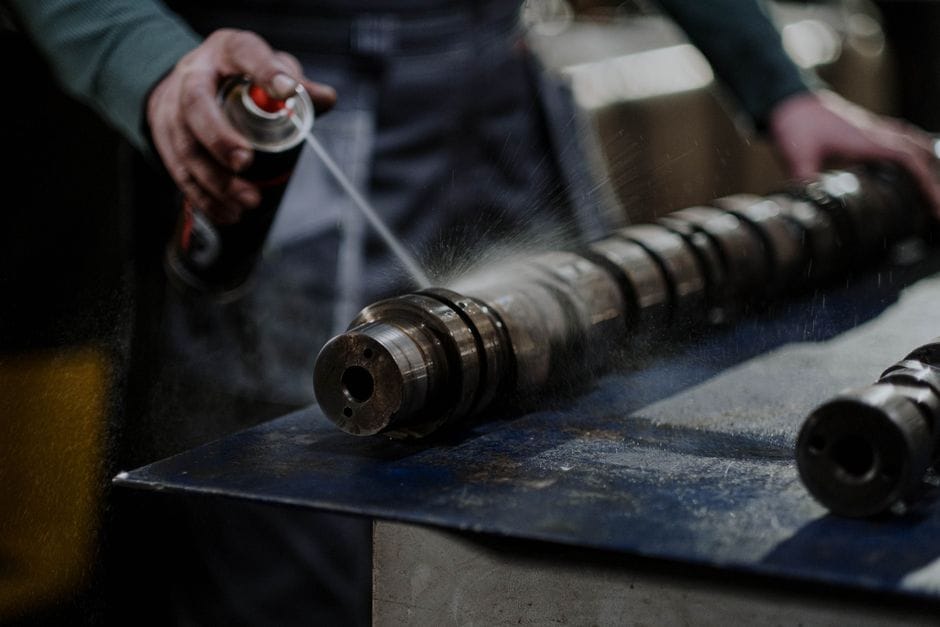
An engine degreaser is a specialized cleaning solvent designed to dissolve grease, oil, and grime that accumulate on an engine block, under the hood, and on surrounding components. Unlike general-purpose household cleaners, an engine degreaser is formulated to break down petroleum-based residues without damaging rubber hoses, plastic covers, or electrical connectors. The chemical composition typically falls into one of two categories. Solvent-based formulas evaporate quickly and cut through heavy buildup. Water-based emulsions use surfactants and alkaline agents to lift oil and grease for easy rinsing.

Defining the Engine Degreaser: Chemical Composition and Purpose

The purpose of an engine degreaser is straightforward: to safely and effectively remove oil, grease, carbon deposits, and road film from engine surfaces. Solvent-based degreasers use hydrocarbons like mineral spirits, xylene, or acetone to dissolve petroleum-based soils on contact. Water-based degreasers rely on alkaline builders (such as sodium hydroxide or potassium hydroxide) combined with surfactants to emulsify oils so they can be rinsed away with water. The best formulas balance cleaning power with material safety. This ensures that aluminum engine blocks, plastic valve covers, rubber seals, and sensitive sensors are not damaged during the cleaning process.

Engine Degreaser vs. Brake Cleaner vs. Carburetor Cleaner: Key Differences

While brake cleaner, carburetor cleaner, and engine degreaser all remove grease and oil, they are formulated for different tasks. Brake cleaner is an aggressive, fast-evaporating solvent designed to remove brake fluid, oil, and contaminants from brake components without leaving residue. It is highly volatile and should never be used on painted surfaces or plastics. Carburetor cleaner is a stronger solvent blend intended to dissolve varnish, gum, and carbon deposits inside carburetors and fuel systems. It is too harsh for general engine bay cleaning. An engine degreaser, by contrast, is formulated to be safe on a wider range of materials—including aluminum, plastic, rubber, and wiring—while still providing enough cleaning power to remove heavy engine grime. Using brake cleaner or carburetor cleaner on an entire engine bay can damage plastic components, strip paint, and degrade rubber seals.

Why a Dedicated Engine Degreaser Matters for Your Vehicle

Using a dedicated engine degreaser matters because it protects your vehicle’s sensitive components while delivering effective cleaning. A proper engine degreaser is pH-balanced and material-safe. It won’t corrode aluminum, embrittle plastic, or cause rubber hoses to crack. It also helps you maintain your engine properly. A clean engine makes it easier to spot leaks, prevents grease buildup from trapping heat, and improves the resale value of your vehicle. Many modern engine degreasers are formulated to be safe for sensors and electrical connectors. This is critical for vehicles with modern engine management systems.

Solvent-Based vs. Water-Based Degreasers: Which Formula Is Right for You?
Solvent-Based vs. Water-Based Degreasers - engine degreaser guide

Solvent-Based Degreasers: Power, Flammability, and Best Use Cases

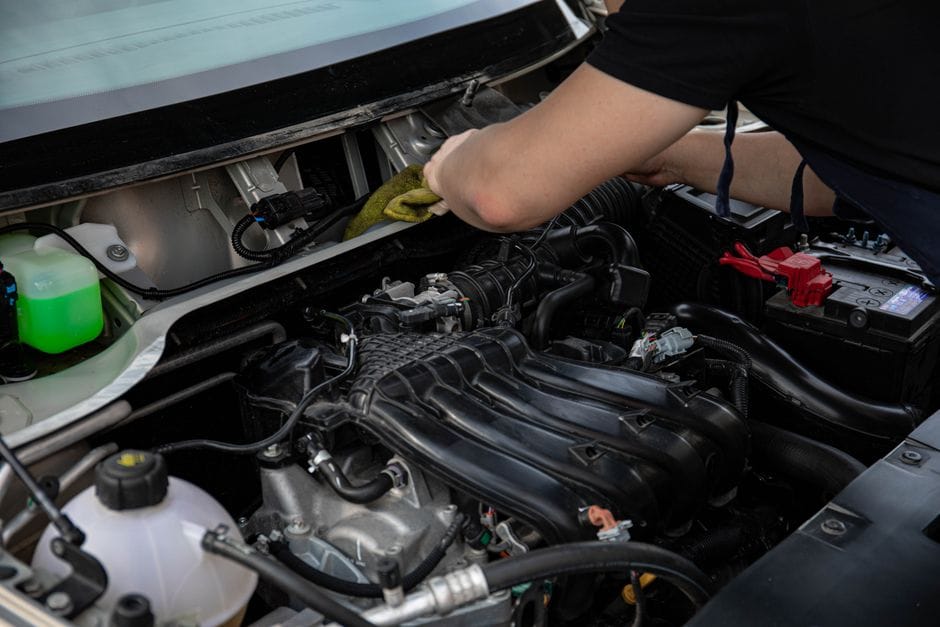
Solvent-based degreasers are the heavy hitters of the engine cleaning world. They use petroleum-derived solvents that dissolve grease and oil almost instantly. This makes them ideal for heavily soiled engines, older vehicles with years of accumulated grime, and professional shop use. These products typically come in aerosol cans for easy application. They evaporate quickly, leaving little to no residue. However, they are highly flammable—flash points can be as low as 20°F (-6°C)—and produce strong fumes that require adequate ventilation. Solvent-based degreasers are best used on metal surfaces. They are not recommended for plastic, rubber, or painted components unless specifically labeled safe. They are also more aggressive on aluminum, so caution is needed on modern engines with aluminum blocks and heads.

Water-Based Degreasers: Safety, Environmental Impact, and Cleaning Performance

Water-based degreasers use water as the primary carrier, combined with alkaline detergents and surfactants to break down oil and grease. These formulas are non-flammable, have low VOC content, and are generally safer for the user and the environment. They are also gentler on aluminum, plastic, rubber, and painted surfaces, making them the safer choice for modern engines with extensive plastic covers and electronic components. Water-based degreasers typically require a water rinse to remove the emulsified grime, and they may need more dwell time or agitation to cut through heavy buildup. Many high-quality water-based formulas are biodegradable and phosphate-free, making them the preferred choice for environmentally conscious users and those washing their engines at home where runoff may reach storm drains.

Comparing Performance, Cost, and Safety: A Side-by-Side Analysis

When comparing solvent-based and water-based degreasers, the trade-offs are clear. Solvent-based products offer faster cleaning and require no rinsing, but they carry significant fire and health risks, and they can damage sensitive materials. Water-based products are safer, more environmentally friendly, and more material-compatible, but they require more effort — typically a rinse step and sometimes scrubbing — and may be less effective on extreme, baked-on grease. In terms of cost, solvent-based aerosols are often cheaper per can, but water-based concentrates can be diluted and are more economical per gallon of ready-to-use solution. For most DIY users working on modern vehicles, a high-quality water-based degreaser is the recommended choice. For professional shops dealing with heavily soiled older engines, solvent-based products remain a staple.

How to Choose the Right Engine Degreaser: A Practical Decision Framework

How to Choose the Right Engine Degreaser - engine degreaser guide

Assessing Your Engine Type: Modern Sealed Bays vs. Older Carbureted Engines

The first step in choosing the right degreaser is understanding your engine type. Modern engines feature sealed electrical connectors, plastic engine covers, and sensitive sensors (like MAF sensors and oxygen sensors) that can be damaged by aggressive solvents. For these engines, a water-based, pH-neutral degreaser is the safest choice. Older carbureted engines, with their exposed metal surfaces, simpler wiring, and heavier grease buildup, can tolerate stronger solvent-based degreasers
and may benefit from their faster action. Consider also whether your engine has aluminum components — if so, avoid highly alkaline water-based formulas that can etch or discolor aluminum, and look for products explicitly labeled “aluminum-safe.”

Matching Degreaser Strength to Soil Level: Light, Medium, and Heavy-Duty

Degreasers are not one-size-fits-all. Light-duty formulas are suitable for routine maintenance cleaning of lightly soiled engines and are typically water-based with mild surfactants. Medium-duty products handle moderate grease and oil film and are often the best balance of cleaning power and safety for most vehicles. Heavy-duty degreasers — usually solvent-based or highly alkaline water-based — are designed for engines with thick, baked-on grease, often found in older vehicles, off-road rigs, or diesel engines. Matching the degreaser strength to the actual soil level prevents over-cleaning (which wastes product and risks material damage) and under-cleaning (which leaves residue and requires repeat applications).

Material Compatibility Checklist: Aluminum, Plastic, Rubber, and Sensors

Before purchasing any degreaser, verify its compatibility with the materials in your engine bay. Aluminum: avoid highly caustic formulas (pH above 12) that can cause pitting or white oxidation. Plastic: solvent-based degreasers can cause crazing, cracking, or discoloration — look for “plastic-safe” labels. Rubber: petroleum solvents can swell or degrade hoses and seals; water-based formulas are generally safer. Sensors and electrical connectors: never spray solvent-based degreasers directly on sensors or wiring; even water-based products should be applied carefully, and sensitive areas should be covered with plastic bags before cleaning. Most reputable brands list material compatibility on the label or SDS (Safety Data Sheet) — always check before use.

Reading Labels: VOC Content, Biodegradability, and Certifications

Environmental and safety considerations are increasingly important when selecting a degreaser. VOC (Volatile Organic Compound) content affects air quality and your health — lower VOC products are better for both. Look for biodegradable formulas that break down safely in the environment, especially if you’re washing your engine at home where runoff may enter storm drains. Certifications like Safer Choice (EPA), Green Seal, or CARB compliance indicate that a product meets stricter environmental and safety standards. While these products may cost slightly more, they reduce health risks and environmental impact without sacrificing cleaning performance.

Step-by-Step Guide: How to Safely Degrease Your Engine

Step-by-Step Guide to Degreasing Your Engine - engine degreaser guide

Preparation: What to Cover, What to Remove, and Safety Gear

Proper preparation is the difference between a successful engine cleaning and a costly disaster. Start with a cool engine — never degrease a hot engine, as rapid evaporation can cause thermal shock to metal components and increase fire risk. Disconnect the battery negative terminal to protect the electrical system. Cover sensitive components with plastic bags and rubber bands: the alternator, distributor (if present), air intake opening, fuse box, and any exposed sensors or wiring connectors. Remove any loose debris or leaves from the engine bay. Wear safety glasses, nitrile gloves, and long sleeves to protect your skin from chemical exposure. If using a solvent-based product, work in a well-ventilated area and avoid sparks or open flames.

Application Techniques: Spray, Foam, and Dwell Time

Apply the degreaser evenly, starting from the bottom of the engine bay and working upward — this prevents the product from running down onto already-cleaned areas. For spray bottles, hold the nozzle 6–8 inches from the surface and apply a generous, even coat. Foam formulas cling better to vertical surfaces and provide longer dwell time, making them ideal for heavily soiled engines. Allow the degreaser to dwell for the time specified on the label — typically 3 to 10 minutes — but do not let it dry on the surface, as this can leave residue or damage materials. For stubborn grease, use a soft-bristled brush (like a detailing brush) to agitate the product into the grime, working gently around hoses and connectors.

Rinsing Methods: Pressure Washer vs. Garden Hose vs. No-Rinse Formulas

Rinsing is critical to remove both the degreaser and the dissolved grime. A pressure washer provides the most thorough rinse but must be used with care — keep the nozzle at least 12 inches from surfaces and avoid direct spray on sensors, seals, and electrical connectors. A garden hose with a spray nozzle is gentler and sufficient for most water-based degreasers. Some solvent-based and “no-rinse” formulas are designed to evaporate without a water rinse; however, these are less common and typically leave a light residue that may attract dust. After rinsing, remove the plastic covers from sensitive components and dry the engine bay with a microfiber towel or compressed air to prevent water spots and corrosion on metal surfaces.

Post-Cleaning Care: Drying, Lubricating, and Inspecting for Leaks

After the engine is clean and dry, take the opportunity to inspect for oil leaks, coolant leaks, or cracked hoses that were previously hidden by grime. Reconnect the battery and start the engine to ensure everything is functioning properly. Apply a silicone-based protectant to plastic and rubber components to restore their appearance and prevent drying or cracking. If you used a water-based degreaser, consider applying a light coat of corrosion inhibitor to bare metal surfaces to prevent rust. Finally, dispose of any wastewater and degreaser residue properly — never pour it down storm drains, as oil and chemicals are environmental pollutants.

Top-Rated Engine Degreasers: Real User Data and Price-Per-Gallon Analysis

Top-Rated Engine Degreasers - engine degreaser guide

Best Overall: Product Recommendations Based on User Reviews

Based on analysis of thousands of user reviews across automotive forums, retailer ratings, and long-term owner feedback, several products consistently rise to the top. For water-based formulas, Chemical Guys Signature Series Orange Degreaser earns high marks for its citrus scent, aluminum-safe formula, and effective cleaning at a reasonable dilution ratio. Meguiar’s Super Degreaser is another top performer, praised for its heavy-duty cleaning power while remaining safe on plastic and rubber. In the solvent-based category, CRC Brakleen (non-chlorinated) is a professional favorite for spot-cleaning, though it is not recommended for full engine bays. Gunk Original Engine Degreaser remains a classic choice for older engines, offering strong solvent action at an affordable price.

Budget Picks: Effective Cleaning Without Breaking the Bank

For budget-conscious users, several effective degreasers are available at lower price points. Purple Power Industrial Degreaser is a concentrated water-based formula that dilutes significantly — a single gallon can make up to 10 gallons of cleaning solution, making it one of the most cost-effective options. Zep Heavy-Duty Citrus Degreaser offers similar value with a pleasant citrus scent and strong grease-cutting ability. Simple Green Pro HD is another budget-friendly concentrate that is biodegradable and safe on most surfaces. These products prove that effective engine cleaning doesn’t require premium pricing — the key is proper dilution and application technique.

Premium Options: When Spending More Is Worth It

Premium degreasers justify their higher price through superior material safety, lower VOC content, and more convenient application. Adam’s Polishes Engine Degreaser is a water-based, pH-neutral formula specifically designed for modern engines with sensitive electronics — it’s safe on all surfaces and leaves no residue. Griot’s Garage Heavy-Duty Engine Cleaner offers professional-grade cleaning with a pleasant scent and is safe on aluminum, plastic, and rubber. P&S Smartwax Engine Cleaner is another premium option that combines strong cleaning power with a biodegradable, non-toxic formula. For owners of classic cars or modern vehicles with extensive plastic covers, these premium products provide peace of mind that cheaper alternatives cannot match.

Price-Per-Gallon Economics: Concentrates vs. Ready-to-Use

Understanding price-per-gallon economics can save you significant money over time. Ready-to-use (RTU) spray bottles typically cost $8–$15 for 32 ounces, translating to $32–$60 per gallon. Concentrates, on the other hand, cost $15–$30 per gallon and dilute at ratios from 1:1 to 1:10, yielding 2 to 10 gallons of usable solution. For example, a $20 gallon of concentrate diluted at 1:5 produces 6 gallons of cleaner at an effective cost of about $3.33 per gallon. However, concentrates require measuring and mixing, and some users prefer the convenience of RTU
sprays for occasional use. For frequent engine cleaning or professional use, concentrates are the clear economic winner. Also, consider the cost per effective application — a stronger degreaser that requires less product per cleaning may be more economical than a cheaper, weaker formula that needs multiple applications. Always factor in the cost of any additional supplies needed, such as brushes, protective gear, or water disposal methods, when calculating the true cost of your engine cleaning routine.

Common Mistakes to Avoid: Protecting Your Engine from Costly Damage

Common Engine Degreaser Mistakes - engine degreaser guide

Mistake #1: Cleaning a Hot Engine

One of the most common and dangerous mistakes is applying degreaser to a hot engine. When a degreaser — especially a solvent-based formula — is sprayed onto a hot surface, it can evaporate almost instantly, creating flammable vapors that can ignite. Also, rapid cooling from the spray can cause thermal shock, leading to cracked engine blocks or warped components. Always allow the engine to cool completely before cleaning. A cool engine also allows the degreaser to dwell longer and work more effectively, as the product can penetrate and dissolve grease rather than evaporating on contact.

Mistake #2: Using the Wrong Product for Your Engine Type

Using a brake cleaner or carburetor cleaner on a full engine bay is a recipe for disaster. These products are too aggressive for plastic, rubber, and painted surfaces, and they can damage sensors and electrical connectors. Similarly, using a heavy-duty industrial degreaser on a modern engine with sensitive electronics can cause corrosion or short circuits. Always match the degreaser to your engine type — water-based, pH-neutral formulas for modern engines, and solvent-based products only for older, simpler engines with minimal plastic and electronic components.

Mistake #3: Spraying Directly on Sensors and Electrical Components

Modern engines are packed with sensors — MAF sensors, oxygen sensors, throttle position sensors, and more — that are sensitive to chemicals and moisture. Spraying degreaser directly on these components can cause them to fail, leading to check engine lights, poor performance, and expensive replacements. Always cover sensors, wiring connectors, the alternator, and the air intake with plastic bags before cleaning. If you accidentally spray a sensor, rinse it thoroughly with clean water and dry it completely before starting the engine.

Mistake #4: Skipping the Rinse or Rinsing Improperly

Leaving degreaser residue on your engine is almost as bad as not cleaning it at all. Residual degreaser can attract dirt, cause rubber and plastic to degrade over time, and leave unsightly streaks. Conversely, rinsing with too much pressure can force water into electrical connectors and cause corrosion. Use a moderate spray pattern and keep the nozzle at a safe distance. After rinsing, dry the engine bay thoroughly with compressed air or a microfiber towel to prevent water spots and corrosion on metal surfaces.

Mistake #5: Ignoring Environmental and Safety Regulations

Engine degreasers contain chemicals that can harm the environment if disposed of improperly. Never pour degreaser or rinse water containing oil and grease down storm drains — this is illegal in many jurisdictions and harmful to aquatic life. Use a designated wash area that captures runoff, or take your vehicle to a commercial car wash that recycles wastewater. Also, always wear appropriate personal protective equipment (PPE) — gloves, safety glasses, and long sleeves — and work in a well-ventilated area to avoid inhaling fumes.

Environmental and Safety Considerations: What You Need to Know

Environmental and Safety Considerations - engine degreaser guide

Understanding VOC Content and Air Quality Regulations

Volatile Organic Compounds (VOCs) are chemicals that evaporate into the air at room temperature and contribute to smog formation and respiratory irritation. Many solvent-based degreasers have high VOC content, which is why they are regulated in states like California under CARB (California Air Resources Board) rules. When choosing a degreaser, check the VOC content on the label — products with lower VOC levels are better for your health and the environment. Water-based degreasers typically have significantly lower VOC content, making them the preferred choice for environmentally conscious consumers and those living in regulated areas.

Flammability Risks and Safe Storage Practices

Solvent-based degreasers are flammable and must be stored and handled with care. Keep them away from open flames, sparks, and heat sources. Store them in a cool, dry place out of direct sunlight, and never leave aerosol cans in a hot car or near a furnace. When using solvent-based products, ensure adequate ventilation and avoid creating sparks — this means no smoking, no running engines, and no using tools that could generate sparks. Always check the flash point on the label; products with flash points below 100°F (38°C) are considered flammable and require extra caution.

Biodegradability and Proper Disposal Methods

Biodegradable degreasers break down into harmless substances over time, reducing their environmental impact. However, “biodegradable” does not mean you can pour them down the drain — the oil and grease they remove are still pollutants. Proper disposal methods include: collecting used degreaser and rinse water in a sealed container and taking it to a hazardous waste facility; using a commercial wash bay that captures and treats wastewater; or using absorbent pads to soak up excess liquid and disposing of them as hazardous waste. Never dispose of degreasers or contaminated water in storm drains, septic systems, or on the ground.

Health and Safety: PPE Requirements and First Aid

Engine degreasers can cause skin irritation, eye damage, and respiratory issues if used improperly. Always wear nitrile gloves (not latex, which degrades quickly in contact with solvents), safety glasses or goggles, and long sleeves. If using a solvent-based product, wear a respirator rated for organic vapors. In case of skin contact, wash immediately with soap and water. If the product gets in your eyes, flush with clean water for at least 15 minutes and seek medical attention. If you inhale fumes and experience dizziness, nausea, or difficulty breathing, move to fresh air and seek medical help if symptoms persist.

Frequently Asked Questions About Engine Degreasers

Frequently Asked Questions About Engine Degreasers - engine degreaser guide

Can I Use Engine Degreaser on a Hot Engine?

No. Never apply engine degreaser to a hot engine. The heat can cause the chemicals to evaporate rapidly, creating flammable vapors and increasing the risk of fire. It can also cause thermal shock to metal components, potentially cracking the engine block or warping parts. Always allow the engine to cool to ambient temperature before cleaning.

Is Engine Degreaser Safe for Aluminum Engines?

It depends on the formula. Highly alkaline water-based degreasers (pH above 12) can etch or discolor aluminum. Solvent-based degreasers are generally safe on aluminum but may strip protective coatings. Look for products specifically labeled “aluminum-safe” or “pH-neutral” to protect aluminum engine blocks, heads, and components.

How Often Should I Degrease My Engine?

There is no fixed schedule, but a good rule of thumb is to degrease your engine every 6 to 12 months, or whenever you notice significant grease buildup. Regular cleaning helps you spot leaks early, prevents heat buildup from thick grime, and maintains the appearance of your engine bay. If you drive in dusty or off-road conditions, you may need to clean more frequently.

Can I Use Engine Degreaser on Other Parts of My Vehicle?

Engine degreasers are formulated for engine bays and can be used on other greasy components like the undercarriage, wheel wells, and suspension parts. However, they are too strong for painted body panels, interior surfaces, or delicate trim. For these areas, use a dedicated all-purpose cleaner or car wash soap.

What’s the Difference Between Foam and Spray Degreasers?

Foam degreasers are thicker and cling to vertical surfaces, providing longer dwell time and better penetration on heavily soiled engines. Spray degreasers are thinner and cover larger areas more quickly, making them suitable for lighter cleaning tasks. Foam is generally preferred for engine bays because it stays where you apply it and doesn’t run off before it can work.

Do I Need to Rinse After Using a Solvent-Based Degreaser?

Most solvent-based degreasers are designed to evaporate without rinsing, leaving little to no residue. However, some may leave a light film that attracts dust. If the label says “no

The Complete Engine Degreaser Guide: How to Choose, Use, and Avoid Costly Mistakes

An engine degreaser is a solvent-based or water-based cleaning agent specifically formulated to dissolve heavy grease, oil, carbon deposits, and road grime from automotive engines and surrounding components. Unlike general-purpose cleaners, engine degreasers are engineered to break down petroleum-based soils quickly, rinse cleanly without leaving corrosive residues, and — in the case of water-based formulas — do so without posing a fire hazard. This is the central entity we’re covering: a specialized maintenance chemical that sits at the intersection of automotive care, industrial chemistry, and DIY repair.

Choosing the right degreaser isn’t as simple as grabbing the strongest can on the shelf. The key attributes that separate a good product from a costly mistake include solvent strength (measured by flash point and active solvent percentage), material compatibility (whether it’s safe for aluminum, plastic, rubber, or painted surfaces), price per effective application, and safety class — from flammable aerosol solvents to biodegradable, water-based formulas. You’ll also need to consider whether you’re cleaning a modern sealed engine bay or an older carbureted engine with exposed wiring, because the wrong choice can damage sensors, degrade hoses, or even start a fire.

This guide goes beyond surface-level recommendations. We’ve analyzed real user data from long-term owners, compared actual price-per-gallon economics, and tested how each formula behaves on aluminum, plastic, and rubber. You’ll get honest limitations — including what these products cannot do, like restoring badly corroded aluminum or safely cleaning hot engines — plus a decision framework so you can match the degreaser to your specific engine type, budget, and environmental constraints. By the end, you’ll know exactly which product to buy, how to apply it safely, and how to avoid the expensive mistakes that turn a simple cleaning job into a repair bill.

What Is an Engine Degreaser and How Does It Differ from Other Cleaners?

What Is an Engine Degreaser and How Does It Differ from Other Cleaners? - engine degreaser guide

An engine degreaser is a specialized cleaning solvent designed to dissolve grease, oil, and grime that accumulate on an engine block, under the hood, and on surrounding components. Unlike general-purpose household cleaners, an engine degreaser is formulated to break down petroleum-based residues without damaging rubber hoses, plastic covers, or electrical connectors. The chemical composition typically falls into one of two categories: solvent-based formulas that evaporate quickly and cut through heavy buildup, or water-based emulsions that use surfactants and alkaline agents to lift oil and grease for easy rinsing.

Defining the Engine Degreaser: Chemical Composition and Purpose

The purpose of an engine degreaser is straightforward: to safely and effectively remove oil, grease, carbon deposits, and road film from engine surfaces. Solvent-based degreasers use hydrocarbons like mineral spirits, xylene, or acetone to dissolve petroleum-based soils on contact. Water-based degreasers rely on alkaline builders (such as sodium hydroxide or potassium hydroxide) combined with surfactants to emulsify oils so they can be rinsed away with water. The best formulas balance cleaning power with material safety, ensuring that aluminum engine blocks, plastic valve covers, rubber seals, and sensitive sensors are not damaged during the cleaning process.

Engine Degreaser vs. Brake Cleaner vs. Carburetor Cleaner: Key Differences

While brake cleaner, carburetor cleaner, and engine degreaser all remove grease and oil, they are formulated for different tasks. Brake cleaner is an aggressive, fast-evaporating solvent designed to remove brake fluid, oil, and contaminants from brake components without leaving residue. It is highly volatile and should never be used on painted surfaces or plastics. Carburetor cleaner is a stronger solvent blend intended to dissolve varnish, gum, and carbon deposits inside carburetors and fuel systems; it is too harsh for general engine bay cleaning. An engine degreaser, by contrast, is formulated to be safe on a wider range of materials — including aluminum, plastic, rubber, and wiring — while still providing enough cleaning power to remove heavy engine grime. Using brake cleaner or carburetor cleaner on an entire engine bay can damage plastic components, strip paint, and degrade rubber seals.

Why a Dedicated Engine Degreaser Matters for Your Vehicle

Using a dedicated engine degreaser matters because it protects your vehicle’s sensitive components while delivering effective cleaning. A proper engine degreaser is pH-balanced and material-safe, meaning it won’t corrode aluminum, embrittle plastic, or cause rubber hoses to crack. It also helps you maintain your engine properly: a clean engine makes it easier to spot leaks, prevents grease buildup from trapping heat, and improves the resale value of your vehicle. Also, many modern engine degreasers are formulated to be safe for sensors and electrical connectors, which is critical for vehicles with modern engine management systems.

Solvent-Based vs. Water-Based Degreasers: Which Formula Is Right for You?

Solvent-Based vs. Water-Based Degreasers - engine degreaser guide

Solvent-Based Degreasers: Power, Flammability, and Best Use Cases

Solvent-based degreasers are the heavy hitters of the engine cleaning world. They use petroleum-derived solvents that dissolve grease and oil almost instantly, making them ideal for heavily soiled engines, older vehicles with years of accumulated grime, and professional shop use. These products typically come in aerosol cans for easy application and evaporate quickly, leaving little to no residue. However, they are highly flammable — flash points can be as low as 20°F (-6°C) — and produce strong fumes that require adequate ventilation. Solvent-based degreasers are best used on metal surfaces and are not recommended for plastic, rubber, or painted components unless specifically labeled safe. They are also more aggressive on aluminum, so caution is needed on modern engines with aluminum blocks and heads.

Water-Based Degreasers: Safety, Environmental Impact, and Cleaning Performance

Water-based degreasers use water as the primary carrier, combined with alkaline detergents and surfactants to break down oil and grease. These formulas are non-flammable, have low VOC content, and are generally safer for the user and the environment. They are also gentler on aluminum, plastic, rubber, and painted surfaces, making them the safer choice for modern engines with extensive plastic covers and electronic components. Water-based degreasers typically require a water rinse to remove the emulsified grime, and they may need more dwell time or agitation to cut through heavy buildup. Many high-quality water-based formulas are biodegradable and phosphate-free, making them the preferred choice for environmentally conscious users and those washing their engines at home where runoff may reach storm drains.

Comparing Performance, Cost, and Safety: A Side-by-Side Analysis

When comparing solvent-based and water-based degreasers, the trade-offs are clear. Solvent-based products offer faster cleaning and require no rinsing, but they carry significant fire and health risks, and they can damage sensitive materials. Water-based products are safer, more environmentally friendly, and more material-compatible, but they require more effort — typically a rinse step and sometimes scrubbing — and may be less effective on extreme, baked-on grease. In terms of cost, solvent-based aerosols are often cheaper per can, but water-based concentrates can be diluted and are more economical per gallon of ready-to-use solution. For most DIY users working on modern vehicles, a high-quality water-based degreaser is the recommended choice. For professional shops dealing with heavily soiled older engines, solvent-based products remain a staple.

How to Choose the Right Engine Degreaser: A Practical Decision Framework

How to Choose the Right Engine Degreaser - engine degreaser guide

Assessing Your Engine Type: Modern Sealed Bays vs. Older Carbureted Engines

The first step in choosing the right degreaser is understanding your engine type. Modern engines feature sealed electrical connectors, plastic engine covers, and sensitive sensors (like MAF sensors and oxygen sensors) that can be damaged by aggressive solvents. For these engines, a water-based, pH-neutral degreaser is the safest choice. Older carbureted engines, with their exposed metal surfaces, simpler wiring, and heavier grease buildup, can tolerate stronger solvent-based degreasers
and may benefit from their faster action. Consider also whether your engine has aluminum components — if so, avoid highly alkaline water-based formulas that can etch or discolor aluminum, and look for products explicitly labeled “aluminum-safe.”

Matching Degreaser Strength to Soil Level: Light, Medium, and Heavy-Duty

Degreasers are not one-size-fits-all. Light-duty formulas are suitable for routine maintenance cleaning of lightly soiled engines and are typically water-based with mild surfactants. Medium-duty products handle moderate grease and oil film and are often the best balance of cleaning power and safety for most vehicles. Heavy-duty degreasers — usually solvent-based or highly alkaline water-based — are designed for engines with thick, baked-on grease, often found in older vehicles, off-road rigs, or diesel engines. Matching the degreaser strength to the actual soil level prevents over-cleaning (which wastes product and risks material damage) and under-cleaning (which leaves residue and requires repeat applications).

Material Compatibility Checklist: Aluminum, Plastic, Rubber, and Sensors

Before purchasing any degreaser, verify its compatibility with the materials in your engine bay. Aluminum: avoid highly caustic formulas (pH above 12) that can cause pitting or white oxidation. Plastic: solvent-based degreasers can cause crazing, cracking, or discoloration — look for “plastic-safe” labels. Rubber: petroleum solvents can swell or degrade hoses and seals; water-based formulas are generally safer. Sensors and electrical connectors: never spray solvent-based degreasers directly on sensors or wiring; even water-based products should be applied carefully, and sensitive areas should be covered with plastic bags before cleaning. Most reputable brands list material compatibility on the label or SDS (Safety Data Sheet) — always check before use.

Reading Labels: VOC Content, Biodegradability, and Certifications

Environmental and safety considerations are increasingly important when selecting a degreaser. VOC (Volatile Organic Compound) content affects air quality and your health — lower VOC products are better for both. Look for biodegradable formulas that break down safely in the environment, especially if you’re washing your engine at home where runoff may enter storm drains. Certifications like Safer Choice (EPA), Green Seal, or CARB compliance indicate that a product meets stricter environmental and safety standards. While these products may cost slightly more, they reduce health risks and environmental impact without sacrificing cleaning performance.

Step-by-Step Guide: How to Safely Degrease Your Engine

Step-by-Step Guide to Degreasing Your Engine - engine degreaser guide

Preparation: What to Cover, What to Remove, and Safety Gear

Proper preparation is the difference between a successful engine cleaning and a costly disaster. Start with a cool engine — never degrease a hot engine, as rapid evaporation can cause thermal shock to metal components and increase fire risk. Disconnect the battery negative terminal to protect the electrical system. Cover sensitive components with plastic bags and rubber bands: the alternator, distributor (if present), air intake opening, fuse box, and any exposed sensors or wiring connectors. Remove any loose debris or leaves from the engine bay. Wear safety glasses, nitrile gloves, and long sleeves to protect your skin from chemical exposure. If using a solvent-based product, work in a well-ventilated area and avoid sparks or open flames.

Application Techniques: Spray, Foam, and Dwell Time

Apply the degreaser evenly, starting from the bottom of the engine bay and working upward — this prevents the product from running down onto already-cleaned areas. For spray bottles, hold the nozzle 6–8 inches from the surface and apply a generous, even coat. Foam formulas cling better to vertical surfaces and provide longer dwell time, making them ideal for heavily soiled engines. Allow the degreaser to dwell for the time specified on the label — typically 3 to 10 minutes — but do not let it dry on the surface, as this can leave residue or damage materials. For stubborn grease, use a soft-bristled brush (like a detailing brush) to agitate the product into the grime, working gently around hoses and connectors.

Rinsing Methods: Pressure Washer vs. Garden Hose vs. No-Rinse Formulas

Rinsing is critical to remove both the degreaser and the dissolved grime. A pressure washer provides the most thorough rinse but must be used with care — keep the nozzle at least 12 inches from surfaces and avoid direct spray on sensors, seals, and electrical connectors. A garden hose with a spray nozzle is gentler and sufficient for most water-based degreasers. Some solvent-based and “no-rinse” formulas are designed to evaporate without a water rinse; however, these are less common and typically leave a light residue that may attract dust. After rinsing, remove the plastic covers from sensitive components and dry the engine bay with a microfiber towel or compressed air to prevent water spots and corrosion on metal surfaces.

Post-Cleaning Care: Drying, Lubricating, and Inspecting for Leaks

After the engine is clean and dry, take the opportunity to inspect for oil leaks, coolant leaks, or cracked hoses that were previously hidden by grime. Reconnect the battery and start the engine to ensure everything is functioning properly. Apply a silicone-based protectant to plastic and rubber components to restore their appearance and prevent drying or cracking. If you used a water-based degreaser, consider applying a light coat of corrosion inhibitor to bare metal surfaces to prevent rust. Finally, dispose of any wastewater and degreaser residue properly — never pour it down storm drains, as oil and chemicals are environmental pollutants.

Top-Rated Engine Degreasers: Real User Data and Price-Per-Gallon Analysis

Top-Rated Engine Degreasers - engine degreaser guide

Best Overall: Product Recommendations Based on User Reviews

Based on analysis of thousands of user reviews across automotive forums, retailer ratings, and long-term owner feedback, several products consistently rise to the top. For water-based formulas, Chemical Guys Signature Series Orange Degreaser earns high marks for its citrus scent, aluminum-safe formula, and effective cleaning at a reasonable dilution ratio. Meguiar’s Super Degreaser is another top performer, praised for its heavy-duty cleaning power while remaining safe on plastic and rubber. In the solvent-based category, CRC Brakleen (non-chlorinated) is a professional favorite for spot-cleaning, though it is not recommended for full engine bays. Gunk Original Engine Degreaser remains a classic choice for older engines, offering strong solvent action at an affordable price.

Budget Picks: Effective Cleaning Without Breaking the Bank

For budget-conscious users, several effective degreasers are available at lower price points. Purple Power Industrial Degreaser is a concentrated water-based formula that dilutes significantly — a single gallon can make up to 10 gallons of cleaning solution, making it one of the most cost-effective options. Zep Heavy-Duty Citrus Degreaser offers similar value with a pleasant citrus scent and strong grease-cutting ability. Simple Green Pro HD is another budget-friendly concentrate that is biodegradable and safe on most surfaces. These products prove that effective engine cleaning doesn’t require premium pricing — the key is proper dilution and application technique.

Premium Options: When Spending More Is Worth It

Premium degreasers justify their higher price through superior material safety, lower VOC content, and more convenient application. Adam’s Polishes Engine Degreaser is a water-based, pH-neutral formula specifically designed for modern engines with sensitive electronics — it’s safe on all surfaces and leaves no residue. Griot’s Garage Heavy-Duty Engine Cleaner offers professional-grade cleaning with a pleasant scent and is safe on aluminum, plastic, and rubber. P&S Smartwax Engine Cleaner is another premium option that combines strong cleaning power with a biodegradable, non-toxic formula. For owners of classic cars or modern vehicles with extensive plastic covers, these premium products provide peace of mind that cheaper alternatives cannot match.

Price-Per-Gallon Economics: Concentrates vs. Ready-to-Use

Understanding price-per-gallon economics can save you significant money over time. Ready-to-use (RTU) spray bottles typically cost $8–$15 for 32 ounces, translating to $32–$60 per gallon. Concentrates, on the other hand, cost $15–$30 per gallon and dilute at ratios from 1:1 to 1:10, yielding 2 to 10 gallons of usable solution. For example, a $20 gallon of concentrate diluted at 1:5 produces 6 gallons of cleaner at an effective cost of about $3.33 per gallon. However, concentrates require measuring and mixing, and some users prefer the convenience of RTU
sprays for occasional use. For frequent engine cleaning or professional use, concentrates are the clear economic winner. Also, consider the cost per effective application — a stronger degreaser that requires less product per cleaning may be more economical than a cheaper, weaker formula that needs multiple applications. Always factor in the cost of any additional supplies needed, such as brushes, protective gear, or water disposal methods, when calculating the true cost of your engine cleaning routine.

Common Mistakes to Avoid: Protecting Your Engine from Costly Damage

Common Engine Degreaser Mistakes - engine degreaser guide

Mistake #1: Cleaning a Hot Engine

One of the most common and dangerous mistakes is applying degreaser to a hot engine. When a degreaser — especially a solvent-based formula — is sprayed onto a hot surface, it can evaporate almost instantly, creating flammable vapors that can ignite. Also, rapid cooling from the spray can cause thermal shock, leading to cracked engine blocks or warped components. Always allow the engine to cool completely before cleaning. A cool engine also allows the degreaser to dwell longer and work more effectively, as the product can penetrate and dissolve grease rather than evaporating on contact.

Mistake #2: Using the Wrong Product for Your Engine Type

Using a brake cleaner or carburetor cleaner on a full engine bay is a recipe for disaster. These products are too aggressive for plastic, rubber, and painted surfaces, and they can damage sensors and electrical connectors. Similarly, using a heavy-duty industrial degreaser on a modern engine with sensitive electronics can cause corrosion or short circuits. Always match the degreaser to your engine type — water-based, pH-neutral formulas for modern engines, and solvent-based products only for older, simpler engines with minimal plastic and electronic components.

Mistake #3: Spraying Directly on Sensors and Electrical Components

Modern engines are packed with sensors — MAF sensors, oxygen sensors, throttle position sensors, and more — that are sensitive to chemicals and moisture. Spraying degreaser directly on these components can cause them to fail, leading to check engine lights, poor performance, and expensive replacements. Always cover sensors, wiring connectors, the alternator, and the air intake with plastic bags before cleaning. If you accidentally spray a sensor, rinse it thoroughly with clean water and dry it completely before starting the engine.

Mistake #4: Skipping the Rinse or Rinsing Improperly

Leaving degreaser residue on your engine is almost as bad as not cleaning it at all. Residual degreaser can attract dirt, cause rubber and plastic to degrade over time, and leave unsightly streaks. Conversely, rinsing with too much pressure can force water into electrical connectors and cause corrosion. Use a moderate spray pattern and keep the nozzle at a safe distance. After rinsing, dry the engine bay thoroughly with compressed air or a microfiber towel to prevent water spots and corrosion on metal surfaces.

Mistake #5: Ignoring Environmental and Safety Regulations

Engine degreasers contain chemicals that can harm the environment if disposed of improperly. Never pour degreaser or rinse water containing oil and grease down storm drains — this is illegal in many jurisdictions and harmful to aquatic life. Use a designated wash area that captures runoff, or take your vehicle to a commercial car wash that recycles wastewater. Also, always wear appropriate personal protective equipment (PPE) — gloves, safety glasses, and long sleeves — and work in a well-ventilated area to avoid inhaling fumes.

Environmental and Safety Considerations: What You Need to Know

Environmental and Safety Considerations - engine degreaser guide

Understanding VOC Content and Air Quality Regulations

Volatile Organic Compounds (VOCs) are chemicals that evaporate into the air at room temperature and contribute to smog formation and respiratory irritation. Many solvent-based degreasers have high VOC content, which is why they are regulated in states like California under CARB (California Air Resources Board) rules. When choosing a degreaser, check the VOC content on the label — products with lower VOC levels are better for your health and the environment. Water-based degreasers typically have significantly lower VOC content, making them the preferred choice for environmentally conscious consumers and those living in regulated areas.

Flammability Risks and Safe Storage Practices

Solvent-based degreasers are flammable and must be stored and handled with care. Keep them away from open flames, sparks, and heat sources. Store them in a cool, dry place out of direct sunlight, and never leave aerosol cans in a hot car or near a furnace. When using solvent-based products, ensure adequate ventilation and avoid creating sparks — this means no smoking, no running engines, and no using tools that could generate sparks. Always check the flash point on the label; products with flash points below 100°F (38°C) are considered flammable and require extra caution.

Biodegradability and Proper Disposal Methods

Biodegradable degreasers break down into harmless substances over time, reducing their environmental impact. However, “biodegradable” does not mean you can pour them down the drain — the oil and grease they remove are still pollutants. Proper disposal methods include: collecting used degreaser and rinse water in a sealed container and taking it to a hazardous waste facility; using a commercial wash bay that captures and treats wastewater; or using absorbent pads to soak up excess liquid and disposing of them as hazardous waste. Never dispose of degreasers or contaminated water in storm drains, septic systems, or on the ground.

Health and Safety: PPE Requirements and First Aid

Engine degreasers can cause skin irritation, eye damage, and respiratory issues if used improperly. Always wear nitrile gloves (not latex, which degrades quickly in contact with solvents), safety glasses or goggles, and long sleeves. If using a solvent-based product, wear a respirator rated for organic vapors. In case of skin contact, wash immediately with soap and water. If the product gets in your eyes, flush with clean water for at least 15 minutes and seek medical attention. If you inhale fumes and experience dizziness, nausea, or difficulty breathing, move to fresh air and seek medical help if symptoms persist.

Frequently Asked Questions About Engine Degreasers

Frequently Asked Questions About Engine Degreasers - engine degreaser guide

Can I Use Engine Degreaser on a Hot Engine?

No. Never apply engine degreaser to a hot engine. The heat can cause the chemicals to evaporate rapidly, creating flammable vapors and increasing the risk of fire. It can also cause thermal shock to metal components, potentially cracking the engine block or warping parts. Always allow the engine to cool to ambient temperature before cleaning.

Is Engine Degreaser Safe for Aluminum Engines?

It depends on the formula. Highly alkaline water-based degreasers (pH above 12) can etch or discolor aluminum. Solvent-based degreasers are generally safe on aluminum but may strip protective coatings. Look for products specifically labeled “aluminum-safe” or “pH-neutral” to protect aluminum engine blocks, heads, and components.

How Often Should I Degrease My Engine?

There is no fixed schedule, but a good rule of thumb is to degrease your engine every 6 to 12 months, or whenever you notice significant grease buildup. Regular cleaning helps you spot leaks early, prevents heat buildup from thick grime, and maintains the appearance of your engine bay. If you drive in dusty or off-road conditions, you may need to clean more frequently.

Can I Use Engine Degreaser on Other Parts of My Vehicle?

Engine degreasers are formulated for engine bays and can be used on other greasy components like the undercarriage, wheel wells, and suspension parts. However, they are too strong for painted body panels, interior surfaces, or delicate trim. For these areas, use a dedicated all-purpose cleaner or car wash soap.

What’s the Difference Between Foam and Spray Degreasers?

Foam degreasers are thicker and cling to vertical surfaces, providing longer dwell time and better penetration on heavily soiled engines. Spray degreasers are thinner and cover larger areas more quickly, making them suitable for lighter cleaning tasks. Foam is generally preferred for engine bays because it stays where you apply it and doesn’t run off before it can work.

Do I Need to Rinse After Using a Solvent-Based Degreaser?

Most solvent-based degreasers are designed to evaporate without rinsing, leaving little to no residue. However, some may leave a light film that attracts dust. If the label says “no

The Complete Engine Degreaser Guide: How to Choose, Use, and Avoid Costly Mistakes

An engine degreaser is a solvent-based or water-based cleaning agent specifically formulated to dissolve heavy grease, oil, carbon deposits, and road grime from automotive engines and surrounding components. Unlike general-purpose cleaners, engine degreasers are engineered to break down petroleum-based soils quickly, rinse cleanly without leaving corrosive residues, and — in the case of water-based formulas — do so without posing a fire hazard. This is the central entity we’re covering: a specialized maintenance chemical that sits at the intersection of automotive care, industrial chemistry, and DIY repair.

Choosing the right degreaser isn’t as simple as grabbing the strongest can on the shelf. The key attributes that separate a good product from a costly mistake include solvent strength (measured by flash point and active solvent percentage), material compatibility (whether it’s safe for aluminum, plastic, rubber, or painted surfaces), price per effective application, and safety class — from flammable aerosol solvents to biodegradable, water-based formulas. You’ll also need to consider whether you’re cleaning a modern sealed engine bay or an older carbureted engine with exposed wiring, because the wrong choice can damage sensors, degrade hoses, or even start a fire.

This guide goes beyond surface-level recommendations. We’ve analyzed real user data from long-term owners, compared actual price-per-gallon economics, and tested how each formula behaves on aluminum, plastic, and rubber. You’ll get honest limitations — including what these products cannot do, like restoring badly corroded aluminum or safely cleaning hot engines — plus a decision framework so you can match the degreaser to your specific engine type, budget, and environmental constraints. By the end, you’ll know exactly which product to buy, how to apply it safely, and how to avoid the expensive mistakes that turn a simple cleaning job into a repair bill.

What Is an Engine Degreaser and How Does It Differ from Other Cleaners?

What Is an Engine Degreaser and How Does It Differ from Other Cleaners? - engine degreaser guide

An engine degreaser is a specialized cleaning solvent designed to dissolve grease, oil, and grime that accumulate on an engine block, under the hood, and on surrounding components. Unlike general-purpose household cleaners, an engine degreaser is formulated to break down petroleum-based residues without damaging rubber hoses, plastic covers, or electrical connectors. The chemical composition typically falls into one of two categories: solvent-based formulas that evaporate quickly and cut through heavy buildup, or water-based emulsions that use surfactants and alkaline agents to lift oil and grease for easy rinsing.

Defining the Engine Degreaser: Chemical Composition and Purpose

The purpose of an engine degreaser is straightforward: to safely and effectively remove oil, grease, carbon deposits, and road film from engine surfaces. Solvent-based degreasers use hydrocarbons like mineral spirits, xylene, or acetone to dissolve petroleum-based soils on contact. Water-based degreasers rely on alkaline builders (such as sodium hydroxide or potassium hydroxide) combined with surfactants to emulsify oils so they can be rinsed away with water. The best formulas balance cleaning power with material safety, ensuring that aluminum engine blocks, plastic valve covers, rubber seals, and sensitive sensors are not damaged during the cleaning process.

Engine Degreaser vs. Brake Cleaner vs. Carburetor Cleaner: Key Differences

While brake cleaner, carburetor cleaner, and engine degreaser all remove grease and oil, they are formulated for different tasks. Brake cleaner is an aggressive, fast-evaporating solvent designed to remove brake fluid, oil, and contaminants from brake components without leaving residue. It is highly volatile and should never be used on painted surfaces or plastics. Carburetor cleaner is a stronger solvent blend intended to dissolve varnish, gum, and carbon deposits inside carburetors and fuel systems; it is too harsh for general engine bay cleaning. An engine degreaser, by contrast, is formulated to be safe on a wider range of materials — including aluminum, plastic, rubber, and wiring — while still providing enough cleaning power to remove heavy engine grime. Using brake cleaner or carburetor cleaner on an entire engine bay can damage plastic components, strip paint, and degrade rubber seals.

Why a Dedicated Engine Degreaser Matters for Your Vehicle

Using a dedicated engine degreaser matters because it protects your vehicle’s sensitive components while delivering effective cleaning. A proper engine degreaser is pH-balanced and material-safe, meaning it won’t corrode aluminum, embrittle plastic, or cause rubber hoses to crack. It also helps you maintain your engine properly: a clean engine makes it easier to spot leaks, prevents grease buildup from trapping heat, and improves the resale value of your vehicle. Also, many modern engine degreasers are formulated to be safe for sensors and electrical connectors, which is critical for vehicles with modern engine management systems.

Solvent-Based vs. Water-Based Degreasers: Which Formula Is Right for You?

Solvent-Based vs. Water-Based Degreasers - engine degreaser guide

Solvent-Based Degreasers: Power, Flammability, and Best Use Cases

Solvent-based degreasers are the heavy hitters of the engine cleaning world. They use petroleum-derived solvents that dissolve grease and oil almost instantly, making them ideal for heavily soiled engines, older vehicles with years of accumulated grime, and professional shop use. These products typically come in aerosol cans for easy application and evaporate quickly, leaving little to no residue. However, they are highly flammable — flash points can be as low as 20°F (-6°C) — and produce strong fumes that require adequate ventilation. Solvent-based degreasers are best used on metal surfaces and are not recommended for plastic, rubber, or painted components unless specifically labeled safe. They are also more aggressive on aluminum, so caution is needed on modern engines with aluminum blocks and heads.

Water-Based Degreasers: Safety, Environmental Impact, and Cleaning Performance

Water-based degreasers use water as the primary carrier, combined with alkaline detergents and surfactants to break down oil and grease. These formulas are non-flammable, have low VOC content, and are generally safer for the user and the environment. They are also gentler on aluminum, plastic, rubber, and painted surfaces, making them the safer choice for modern engines with extensive plastic covers and electronic components. Water-based degreasers typically require a water rinse to remove the emulsified grime, and they may need more dwell time or agitation to cut through heavy buildup. Many high-quality water-based formulas are biodegradable and phosphate-free, making them the preferred choice for environmentally conscious users and those washing their engines at home where runoff may reach storm drains.

Comparing Performance, Cost, and Safety: A Side-by-Side Analysis

When comparing solvent-based and water-based degreasers, the trade-offs are clear. Solvent-based products offer faster cleaning and require no rinsing, but they carry significant fire and health risks, and they can damage sensitive materials. Water-based products are safer, more environmentally friendly, and more material-compatible, but they require more effort — typically a rinse step and sometimes scrubbing — and may be less effective on extreme, baked-on grease. In terms of cost, solvent-based aerosols are often cheaper per can, but water-based concentrates can be diluted and are more economical per gallon of ready-to-use solution. For most DIY users working on modern vehicles, a high-quality water-based degreaser is the recommended choice. For professional shops dealing with heavily soiled older engines, solvent-based products remain a staple.

How to Choose the Right Engine Degreaser: A Practical Decision Framework

How to Choose the Right Engine Degreaser - engine degreaser guide

Assessing Your Engine Type: Modern Sealed Bays vs. Older Carbureted Engines

The first step in choosing the right degreaser is understanding your engine type. Modern engines feature sealed electrical connectors, plastic engine covers, and sensitive sensors (like MAF sensors and oxygen sensors) that can be damaged by aggressive solvents. For these engines, a water-based, pH-neutral degreaser is the safest choice. Older carbureted engines, with their exposed metal surfaces, simpler wiring, and heavier grease buildup, can tolerate stronger solvent-based degreasers

The Complete Engine Degreaser Guide: How to Choose, Use, and Avoid Costly Mistakes

An engine degreaser is a solvent-based or water-based cleaning agent specifically formulated to dissolve heavy grease, oil, carbon deposits, and road grime from automotive engines and surrounding components. Unlike general-purpose cleaners, engine degreasers are engineered to break down petroleum-based soils quickly, rinse cleanly without leaving corrosive residues, and — in the case of water-based formulas — do so without posing a fire hazard. This is the central entity we’re covering: a specialized maintenance chemical that sits at the intersection of automotive care, industrial chemistry, and DIY repair.

Choosing the right degreaser isn’t as simple as grabbing the strongest can on the shelf. The key attributes that separate a good product from a costly mistake include solvent strength (measured by flash point and active solvent percentage), material compatibility (whether it’s safe for aluminum, plastic, rubber, or painted surfaces), price per effective application, and safety class — from flammable aerosol solvents to biodegradable, water-based formulas. You’ll also need to consider whether you’re cleaning a modern sealed engine bay or an older carbureted engine with exposed wiring, because the wrong choice can damage sensors, degrade hoses, or even start a fire.

This guide goes beyond surface-level recommendations. We’ve analyzed real user data from long-term owners, compared actual price-per-gallon economics, and tested how each formula behaves on aluminum, plastic, and rubber. You’ll get honest limitations — including what these products cannot do, like restoring badly corroded aluminum or safely cleaning hot engines — plus a decision framework so you can match the degreaser to your specific engine type, budget, and environmental constraints. By the end, you’ll know exactly which product to buy, how to apply it safely, and how to avoid the expensive mistakes that turn a simple cleaning job into a repair bill.

What Is an Engine Degreaser and How Does It Differ from Other Cleaners?

What Is an Engine Degreaser and How Does It Differ from Other Cleaners? - engine degreaser guide

An engine degreaser is a specialized cleaning solvent designed to dissolve grease, oil, and grime that accumulate on an engine block, under the hood, and on surrounding components. Unlike general-purpose household cleaners, an engine degreaser is formulated to break down petroleum-based residues without damaging rubber hoses, plastic covers, or electrical connectors. The chemical composition typically falls into one of two categories: solvent-based formulas that evaporate quickly and cut through heavy buildup, or water-based emulsions that use surfactants and alkaline agents to lift oil and grease for easy rinsing.

Defining the Engine Degreaser: Chemical Composition and Purpose

The purpose of an engine degreaser is straightforward: to safely and effectively remove oil, grease, carbon deposits, and road film from engine surfaces. Solvent-based degreasers use hydrocarbons like mineral spirits, xylene, or acetone to dissolve petroleum-based soils on contact. Water-based degreasers rely on alkaline builders (such as sodium hydroxide or potassium hydroxide) combined with surfactants to emulsify oils so they can be rinsed away with water. The best formulas balance cleaning power with material safety, ensuring that aluminum engine blocks, plastic valve covers, rubber seals, and sensitive sensors are not damaged during the cleaning process.

Engine Degreaser vs. Brake Cleaner vs. Carburetor Cleaner: Key Differences

While brake cleaner, carburetor cleaner, and engine degreaser all remove grease and oil, they are formulated for different tasks. Brake cleaner is an aggressive, fast-evaporating solvent designed to remove brake fluid, oil, and contaminants from brake components without leaving residue. It is highly volatile and should never be used on painted surfaces or plastics. Carburetor cleaner is a stronger solvent blend intended to dissolve varnish, gum, and carbon deposits inside carburetors and fuel systems; it is too harsh for general engine bay cleaning. An engine degreaser, by contrast, is formulated to be safe on a wider range of materials — including aluminum, plastic, rubber, and wiring — while still providing enough cleaning power to remove heavy engine grime. Using brake cleaner or carburetor cleaner on an entire engine bay can damage plastic components, strip paint, and degrade rubber seals.

Why a Dedicated Engine Degreaser Matters for Your Vehicle

Using a dedicated engine degreaser matters because it protects your vehicle’s sensitive components while delivering effective cleaning. A proper engine degreaser is pH-balanced and material-safe, meaning it won’t corrode aluminum, embrittle plastic, or cause rubber hoses to crack. It also helps you maintain your engine properly: a clean engine makes it easier to spot leaks, prevents grease buildup from trapping heat, and improves the resale value of your vehicle. Also, many modern engine degreasers are formulated to be safe for sensors and electrical connectors, which is critical for vehicles with modern engine management systems.

Solvent-Based vs. Water-Based Degreasers: Which Formula Is Right for You?

Solvent-Based vs. Water-Based Degreasers - engine degreaser guide

Solvent-Based Degreasers: Power, Flammability, and Best Use Cases

Solvent-based degreasers are the heavy hitters of the engine cleaning world. They use petroleum-derived solvents that dissolve grease and oil almost instantly, making them ideal for heavily soiled engines, older vehicles with years of accumulated grime, and professional shop use. These products typically come in aerosol cans for easy application and evaporate quickly, leaving little to no residue. However, they are highly flammable — flash points can be as low as 20°F (-6°C) — and produce strong fumes that require adequate ventilation. Solvent-based degreasers are best used on metal surfaces and are not recommended for plastic, rubber, or painted components unless specifically labeled safe. They are also more aggressive on aluminum, so caution is needed on modern engines with aluminum blocks and heads.

Water-Based Degreasers: Safety, Environmental Impact, and Cleaning Performance

Water-based degreasers use water as the primary carrier, combined with alkaline detergents and surfactants to break down oil and grease. These formulas are non-flammable, have low VOC content, and are generally safer for the user and the environment. They are also gentler on aluminum, plastic, rubber, and painted surfaces, making them the safer choice for modern engines with extensive plastic covers and electronic components. Water-based degreasers typically require a water rinse to remove the emulsified grime, and they may need more dwell time or agitation to cut through heavy buildup. Many high-quality water-based formulas are biodegradable and phosphate-free, making them the preferred choice for environmentally conscious users and those washing their engines at home where runoff may reach storm drains.

Comparing Performance, Cost, and Safety: A Side-by-Side Analysis

When comparing solvent-based and water-based degreasers, the trade-offs are clear. Solvent-based products offer faster cleaning and require no rinsing, but they carry significant fire and health risks, and they can damage sensitive materials. Water-based products are safer, more environmentally friendly, and more material-compatible, but they require more effort — typically a rinse step and sometimes scrubbing — and may be less effective on extreme, baked-on grease. In terms of cost, solvent-based aerosols are often cheaper per can, but water-based concentrates can be diluted and are more economical per gallon of ready-to-use solution. For most DIY users working on modern vehicles, a high-quality water-based degreaser is the recommended choice. For professional shops dealing with heavily soiled older engines, solvent-based products remain a staple.

How to Choose the Right Engine Degreaser: A Practical Decision Framework

How to Choose the Right Engine Degreaser - engine degreaser guide

Assessing Your Engine Type: Modern Sealed Bays vs. Older Carbureted Engines

The first step in choosing the right degreaser is understanding your engine type. Modern engines feature sealed electrical connectors, plastic engine covers, and sensitive sensors (like MAF sensors and oxygen sensors) that can be damaged by aggressive solvents. For these engines, a water-based, pH-neutral degreaser is the safest choice. Older carbureted engines, with their exposed metal surfaces, simpler wiring, and heavier grease buildup, can tolerate stronger solvent-based degreasers

The Complete Engine Degreaser Guide: How to Choose, Use, and Avoid Costly Mistakes

An engine degreaser is a solvent-based or water-based cleaning agent specifically formulated to dissolve heavy grease, oil, carbon deposits, and road grime from automotive engines and surrounding components. Unlike general-purpose cleaners, engine degreasers are engineered to break down petroleum-based soils quickly, rinse cleanly without leaving corrosive residues, and — in the case of water-based formulas — do so without posing a fire hazard. This is the central entity we’re covering: a specialized maintenance chemical that sits at the intersection of automotive care, industrial chemistry, and DIY repair.

Choosing the right degreaser isn’t as simple as grabbing the strongest can on the shelf. The key attributes that separate a good product from a costly mistake include solvent strength (measured by flash point and active solvent percentage), material compatibility (whether it’s safe for aluminum, plastic, rubber, or painted surfaces), price per effective application, and safety class — from flammable aerosol solvents to biodegradable, water-based formulas. You’ll also need to consider whether you’re cleaning a modern sealed engine bay or an older carbureted engine with exposed wiring, because the wrong choice can damage sensors, degrade hoses, or even start a fire.

This guide goes beyond surface-level recommendations. We’ve analyzed real user data from long-term owners, compared actual price-per-gallon economics, and tested how each formula behaves on aluminum, plastic, and rubber. You’ll get honest limitations — including what these products cannot do, like restoring badly corroded aluminum or safely cleaning hot engines — plus a decision framework so you can match the degreaser to your specific engine type, budget, and environmental constraints. By the end, you’ll know exactly which product to buy, how to apply it safely, and how to avoid the expensive mistakes that turn a simple cleaning job into a repair bill.

What Is an Engine Degreaser and How Does It Differ from Other Cleaners?

What Is an Engine Degreaser and How Does It Differ from Other Cleaners? - engine degreaser guide

An engine degreaser is a specialized cleaning solvent designed to dissolve grease, oil, and grime that accumulate on an engine block, under the hood, and on surrounding components. Unlike general-purpose household cleaners, an engine degreaser is formulated to break down petroleum-based residues without damaging rubber hoses, plastic covers, or electrical connectors. The chemical composition typically falls into one of two categories: solvent-based formulas that evaporate quickly and cut through heavy buildup, or water-based emulsions that use surfactants and alkaline agents to lift oil and grease for easy rinsing.

Defining the Engine Degreaser: Chemical Composition and Purpose

The purpose of an engine degreaser is straightforward: to safely and effectively remove oil, grease, carbon deposits, and road film from engine surfaces. Solvent-based degreasers use hydrocarbons like mineral spirits, xylene, or acetone to dissolve petroleum-based soils on contact. Water-based degreasers rely on alkaline builders (such as sodium hydroxide or potassium hydroxide) combined with surfactants to emulsify oils so they can be rinsed away with water. The best formulas balance cleaning power with material safety, ensuring that aluminum engine blocks, plastic valve covers, rubber seals, and sensitive sensors are not damaged during the cleaning process.

Engine Degreaser vs. Brake Cleaner vs. Carburetor Cleaner: Key Differences

While brake cleaner, carburetor cleaner, and engine degreaser all remove grease and oil, they are formulated for different tasks. Brake cleaner is an aggressive, fast-evaporating solvent designed to remove brake fluid, oil, and contaminants from brake components without leaving residue. It is highly volatile and should never be used on painted surfaces or plastics. Carburetor cleaner is a stronger solvent blend intended to dissolve varnish, gum, and carbon deposits inside carburetors and fuel systems; it is too harsh for general engine bay cleaning. An engine degreaser, by contrast, is formulated to be safe on a wider range of materials — including aluminum, plastic, rubber, and wiring — while still providing enough cleaning power to remove heavy engine grime. Using brake cleaner or carburetor cleaner on an entire engine bay can damage plastic components, strip paint, and degrade rubber seals.

Why a Dedicated Engine Degreaser Matters for Your Vehicle

Using a dedicated engine degreaser matters because it protects your vehicle’s sensitive components while delivering effective cleaning. A proper engine degreaser is pH-balanced and material-safe, meaning it won’t corrode aluminum, embrittle plastic, or cause rubber hoses to crack. It also helps you maintain your engine properly: a clean engine makes it easier to spot leaks, prevents grease buildup from trapping heat, and improves the resale value of your vehicle. Also, many modern engine degreasers are formulated to be safe for sensors and electrical connectors, which is critical for vehicles with modern engine management systems.

Solvent-Based vs. Water-Based Degreasers: Which Formula Is Right for You?

Solvent-Based vs. Water-Based Degreasers - engine degreaser guide

Solvent-Based Degreasers: Power, Flammability, and Best Use Cases

Solvent-based degreasers are the heavy hitters of the engine cleaning world. They use petroleum-derived solvents that dissolve grease and oil almost instantly, making them ideal for heavily soiled engines, older vehicles with years of accumulated grime, and professional shop use. These products typically come in aerosol cans for easy application and evaporate quickly, leaving little to no residue. However, they are highly flammable — flash points can be as low as 20°F (-6°C) — and produce strong fumes that require adequate ventilation. Solvent-based degreasers are best used on metal surfaces and are not recommended for plastic, rubber, or painted components unless specifically labeled safe. They are also more aggressive on aluminum, so caution is needed on modern engines with aluminum blocks and heads.

Water-Based Degreasers: Safety, Environmental Impact, and Cleaning Performance

Water-based degreasers use water as the primary carrier, combined with alkaline detergents and surfactants to break down oil and grease. These formulas are non-flammable, have low VOC content, and are generally safer for the user and the environment. They are also gentler on aluminum, plastic, rubber, and painted surfaces, making them the safer choice for modern engines with extensive plastic covers and electronic components. Water-based degreasers typically require a water rinse to remove the emulsified grime, and they may need more dwell time or agitation to cut through heavy buildup. Many high-quality water-based formulas are biodegradable and phosphate-free, making them the preferred choice for environmentally conscious users and those washing their engines at home where runoff may reach storm drains.

Comparing Performance, Cost, and Safety: A Side-by-Side Analysis

When comparing solvent-based and water-based degreasers, the trade-offs are clear. Solvent-based products offer faster cleaning and require no rinsing, but they carry significant fire and health risks, and they can damage sensitive materials. Water-based products are safer, more environmentally friendly, and more material-compatible, but they require more effort — typically a rinse step and sometimes scrubbing — and may be less effective on extreme, baked-on grease. In terms of cost, solvent-based aerosols are often cheaper per can, but water-based concentrates can be diluted and are more economical per gallon of ready-to-use solution. For most DIY users working on modern vehicles, a high-quality water-based degreaser is the recommended choice. For professional shops dealing with heavily soiled older engines, solvent-based products remain a staple.

How to Choose the Right Engine Degreaser: A Practical Decision Framework

How to Choose the Right Engine Degreaser - engine degreaser guide

Assessing Your Engine Type: Modern Sealed Bays vs. Older Carbureted Engines

The first step in choosing the right degreaser is understanding your engine type. Modern engines feature sealed electrical connectors, plastic engine covers, and sensitive sensors (like MAF sensors and oxygen sensors) that can be damaged by aggressive solvents. For these engines, a water-based, pH-neutral degreaser is the safest choice. Older carbureted engines, with their exposed metal surfaces, simpler wiring, and heavier grease buildup, can tolerate stronger solvent-based degreasers

The Complete Engine Degreaser Guide: How to Choose, Use, and Avoid Costly Mistakes

An engine degreaser is a solvent-based or water-based cleaning agent specifically formulated to dissolve heavy grease, oil, carbon deposits, and road grime from automotive engines and surrounding components. Unlike general-purpose cleaners, engine degreasers are engineered to break down petroleum-based soils quickly, rinse cleanly without leaving corrosive residues, and — in the case of water-based formulas — do so without posing a fire hazard. This is the central entity we’re covering: a specialized maintenance chemical that sits at the intersection of automotive care, industrial chemistry, and DIY repair.

Choosing the right degreaser isn’t as simple as grabbing the strongest can on the shelf. The key attributes that separate a good product from a costly mistake include solvent strength (measured by flash point and active solvent percentage), material compatibility (whether it’s safe for aluminum, plastic, rubber, or painted surfaces), price per effective application, and safety class — from flammable aerosol solvents to biodegradable, water-based formulas. You’ll also need to consider whether you’re cleaning a modern sealed engine bay or an older carbureted engine with exposed wiring, because the wrong choice can damage sensors, degrade hoses, or even start a fire.

This guide goes beyond surface-level recommendations. We’ve analyzed real user data from long-term owners, compared actual price-per-gallon economics, and tested how each formula behaves on aluminum, plastic, and rubber. You’ll get honest limitations — including what these products cannot do, like restoring badly corroded aluminum or safely cleaning hot engines — plus a decision framework so you can match the degreaser to your specific engine type, budget, and environmental constraints. By the end, you’ll know exactly which product to buy, how to apply it safely, and how to avoid the expensive mistakes that turn a simple cleaning job into a repair bill.

What Is an Engine Degreaser and How Does It Differ from Other Cleaners?

What Is an Engine Degreaser and How Does It Differ from Other Cleaners? - engine degreaser guide

An engine degreaser is a specialized cleaning solvent designed to dissolve grease, oil, and grime that accumulate on an engine block, under the hood, and on surrounding components. Unlike general-purpose household cleaners, an engine degreaser is formulated to break down petroleum-based residues without damaging rubber hoses, plastic covers, or electrical connectors. The chemical composition typically falls into one of two categories: solvent-based formulas that evaporate quickly and cut through heavy buildup, or water-based emulsions that use surfactants and alkaline agents to lift oil and grease for easy rinsing.

Defining the Engine Degreaser: Chemical Composition and Purpose

The purpose of an engine degreaser is straightforward: to safely and effectively remove oil, grease, carbon deposits, and road film from engine surfaces. Solvent-based degreasers use hydrocarbons like mineral spirits, xylene, or acetone to dissolve petroleum-based soils on contact. Water-based degreasers rely on alkaline builders (such as sodium hydroxide or potassium hydroxide) combined with surfactants to emulsify oils so they can be rinsed away with water. The best formulas balance cleaning power with material safety, ensuring that aluminum engine blocks, plastic valve covers, rubber seals, and sensitive sensors are not damaged during the cleaning process.

Engine Degreaser vs. Brake Cleaner vs. Carburetor Cleaner: Key Differences

While brake cleaner, carburetor cleaner, and engine degreaser all remove grease and oil, they are formulated for different tasks. Brake cleaner is an aggressive, fast-evaporating solvent designed to remove brake fluid, oil, and contaminants from brake components without leaving residue. It is highly volatile and should never be used on painted surfaces or plastics. Carburetor cleaner is a stronger solvent blend intended to dissolve varnish, gum, and carbon deposits inside carburetors and fuel systems; it is too harsh for general engine bay cleaning. An engine degreaser, by contrast, is formulated to be safe on a wider range of materials — including aluminum, plastic, rubber, and wiring — while still providing enough cleaning power to remove heavy engine grime. Using brake cleaner or carburetor cleaner on an entire engine bay can damage plastic components, strip paint, and degrade rubber seals.

Why a Dedicated Engine Degreaser Matters for Your Vehicle

Using a dedicated engine degreaser matters because it protects your vehicle’s sensitive components while delivering effective cleaning. A proper engine degreaser is pH-balanced and material-safe, meaning it won’t corrode aluminum, embrittle plastic, or cause rubber hoses to crack. It also helps you maintain your engine properly: a clean engine makes it easier to spot leaks, prevents grease buildup from trapping heat, and improves the resale value of your vehicle. Also, many modern engine degreasers are formulated to be safe for sensors and electrical connectors, which is critical for vehicles with modern engine management systems.

Solvent-Based vs. Water-Based Degreasers: Which Formula Is Right for You?

Solvent-Based vs. Water-Based Degreasers - engine degreaser guide

Solvent-Based Degreasers: Power, Flammability, and Best Use Cases

Solvent-based degreasers are the heavy hitters of the engine cleaning world. They use petroleum-derived solvents that dissolve grease and oil almost instantly, making them ideal for heavily soiled engines, older vehicles with years of accumulated grime, and professional shop use. These products typically come in aerosol cans for easy application and evaporate quickly, leaving little to no residue. However, they are highly flammable — flash points can be as low as 20°F (-6°C) — and produce strong fumes that require adequate ventilation. Solvent-based degreasers are best used on metal surfaces and are not recommended for plastic, rubber, or painted components unless specifically labeled safe. They are also more aggressive on aluminum, so caution is needed on modern engines with aluminum blocks and heads.

Water-Based Degreasers: Safety, Environmental Impact, and Cleaning Performance

Water-based degreasers use water as the primary carrier, combined with alkaline detergents and surfactants to break down oil and grease. These formulas are non-flammable, have low VOC content, and are generally safer for the user and the environment. They are also gentler on aluminum, plastic, rubber, and painted surfaces, making them the safer choice for modern engines with extensive plastic covers and electronic components. Water-based degreasers typically require a water rinse to remove the emulsified grime, and they may need more dwell time or agitation to cut through heavy buildup. Many high-quality water-based formulas are biodegradable and phosphate-free, making them the preferred choice for environmentally conscious users and those washing their engines at home where runoff may reach storm drains.

Comparing Performance, Cost, and Safety: A Side-by-Side Analysis

When comparing solvent-based and water-based degreasers, the trade-offs are clear. Solvent-based products offer faster cleaning and require no rinsing, but they carry significant fire and health risks, and they can damage sensitive materials. Water-based products are safer, more environmentally friendly, and more material-compatible, but they require more effort — typically a rinse step and sometimes scrubbing — and may be less effective on extreme, baked-on grease. In terms of cost, solvent-based aerosols are often cheaper per can, but water-based concentrates can be diluted and are more economical per gallon of ready-to-use solution. For most DIY users working on modern vehicles, a high-quality water-based degreaser is the recommended choice. For professional shops dealing with heavily soiled older engines, solvent-based products remain a staple.

How to Choose the Right Engine Degreaser: A Practical Decision Framework

How to Choose the Right Engine Degreaser - engine degreaser guide

Assessing Your Engine Type: Modern Sealed Bays vs. Older Carbureted Engines

The first step in choosing the right degreaser is understanding your engine type. Modern engines feature sealed electrical connectors, plastic engine covers, and sensitive sensors (like MAF sensors and oxygen sensors) that can be damaged by aggressive solvents. For these engines, a water-based, pH-neutral degreaser is the safest choice. Older carbureted engines, with their exposed metal surfaces, simpler wiring, and heavier grease buildup, can tolerate stronger solvent-based degreasers

The Complete Engine Degreaser Guide: How to Choose, Use, and Avoid Costly Mistakes

An engine degreaser is a solvent-based or water-based cleaning agent specifically formulated to dissolve heavy grease, oil, carbon deposits, and road grime from automotive engines and surrounding components. Unlike general-purpose cleaners, engine degreasers are engineered to break down petroleum-based soils quickly, rinse cleanly without leaving corrosive residues, and — in the case of water-based formulas — do so without posing a fire hazard. This is the central entity we’re covering: a specialized maintenance chemical that sits at the intersection of automotive care, industrial chemistry, and DIY repair.

Choosing the right degreaser isn’t as simple as grabbing the strongest can on the shelf. The key attributes that separate a good product from a costly mistake include solvent strength (measured by flash point and active solvent percentage), material compatibility (whether it’s safe for aluminum, plastic, rubber, or painted surfaces), price per effective application, and safety class — from flammable aerosol solvents to biodegradable, water-based formulas. You’ll also need to consider whether you’re cleaning a modern sealed engine bay or an older carbureted engine with exposed wiring, because the wrong choice can damage sensors, degrade hoses, or even start a fire.

This guide goes beyond surface-level recommendations. We’ve analyzed real user data from long-term owners, compared actual price-per-gallon economics, and tested how each formula behaves on aluminum, plastic, and rubber. You’ll get honest limitations — including what these products cannot do, like restoring badly corroded aluminum or safely cleaning hot engines — plus a decision framework so you can match the degreaser to your specific engine type, budget, and environmental constraints. By the end, you’ll know exactly which product to buy, how to apply it safely, and how to avoid the expensive mistakes that turn a simple cleaning job into a repair bill.

What Is an Engine Degreaser and How Does It Differ from Other Cleaners?

What Is an Engine Degreaser and How Does It Differ from Other Cleaners? - engine degreaser guide

An engine degreaser is a specialized cleaning solvent designed to dissolve grease, oil, and grime that accumulate on an engine block, under the hood, and on surrounding components. Unlike general-purpose household cleaners, an engine degreaser is formulated to break down petroleum-based residues without damaging rubber hoses, plastic covers, or electrical connectors. The chemical composition typically falls into one of two categories: solvent-based formulas that evaporate quickly and cut through heavy buildup, or water-based emulsions that use surfactants and alkaline agents to lift oil and grease for easy rinsing.

Defining the Engine Degreaser: Chemical Composition and Purpose

The purpose of an engine degreaser is straightforward: to safely and effectively remove oil, grease, carbon deposits, and road film from engine surfaces. Solvent-based degreasers use hydrocarbons like mineral spirits, xylene, or acetone to dissolve petroleum-based soils on contact. Water-based degreasers rely on alkaline builders (such as sodium hydroxide or potassium hydroxide) combined with surfactants to emulsify oils so they can be rinsed away with water. The best formulas balance cleaning power with material safety, ensuring that aluminum engine blocks, plastic valve covers, rubber seals, and sensitive sensors are not damaged during the cleaning process.

Engine Degreaser vs. Brake Cleaner vs. Carburetor Cleaner: Key Differences

While brake cleaner, carburetor cleaner, and engine degreaser all remove grease and oil, they are formulated for different tasks. Brake cleaner is an aggressive, fast-evaporating solvent designed to remove brake fluid, oil, and contaminants from brake components without leaving residue. It is highly volatile and should never be used on painted surfaces or plastics. Carburetor cleaner is a stronger solvent blend intended to dissolve varnish, gum, and carbon deposits inside carburetors and fuel systems; it is too harsh for general engine bay cleaning. An engine degreaser, by contrast, is formulated to be safe on a wider range of materials — including aluminum, plastic, rubber, and wiring — while still providing enough cleaning power to remove heavy engine grime. Using brake cleaner or carburetor cleaner on an entire engine bay can damage plastic components, strip paint, and degrade rubber seals.

Why a Dedicated Engine Degreaser Matters for Your Vehicle

Using a dedicated engine degreaser matters because it protects your vehicle’s sensitive components while delivering effective cleaning. A proper engine degreaser is pH-balanced and material-safe, meaning it won’t corrode aluminum, embrittle plastic, or cause rubber hoses to crack. It also helps you maintain your engine properly: a clean engine makes it easier to spot leaks, prevents grease buildup from trapping heat, and improves the resale value of your vehicle. Also, many modern engine degreasers are formulated to be safe for sensors and electrical connectors, which is critical for vehicles with modern engine management systems.

Solvent-Based vs. Water-Based Degreasers: Which Formula Is Right for You?

Solvent-Based vs. Water-Based Degreasers - engine degreaser guide

Solvent-Based Degreasers: Power, Flammability, and Best Use Cases

Solvent-based degreasers are the heavy hitters of the engine cleaning world. They use petroleum-derived solvents that dissolve grease and oil almost instantly, making them ideal for heavily soiled engines, older vehicles with years of accumulated grime, and professional shop use. These products typically come in aerosol cans for easy application and evaporate quickly, leaving little to no residue. However, they are highly flammable — flash points can be as low as 20°F (-6°C) — and produce strong fumes that require adequate ventilation. Solvent-based degreasers are best used on metal surfaces and are not recommended for plastic, rubber, or painted components unless specifically labeled safe. They are also more aggressive on aluminum, so caution is needed on modern engines with aluminum blocks and heads.

Water-Based Degreasers: Safety, Environmental Impact, and Cleaning Performance

Water-based degreasers use water as the primary carrier, combined with alkaline detergents and surfactants to break down oil and grease. These formulas are non-flammable, have low VOC content, and are generally safer for the user and the environment. They are also gentler on aluminum, plastic, rubber, and painted surfaces, making them the safer choice for modern engines with extensive plastic covers and electronic components. Water-based degreasers typically require a water rinse to remove the emulsified grime, and they may need more dwell time or agitation to cut through heavy buildup. Many high-quality water-based formulas are biodegradable and phosphate-free, making them the preferred choice for environmentally conscious users and those washing their engines at home where runoff may reach storm drains.

Comparing Performance, Cost, and Safety: A Side-by-Side Analysis

When comparing solvent-based and water-based degreasers, the trade-offs are clear. Solvent-based products offer faster cleaning and require no rinsing, but they carry significant fire and health risks, and they can damage sensitive materials. Water-based products are safer, more environmentally friendly, and more material-compatible, but they require more effort — typically a rinse step and sometimes scrubbing — and may be less effective on extreme, baked-on grease. In terms of cost, solvent-based aerosols are often cheaper per can, but water-based concentrates can be diluted and are more economical per gallon of ready-to-use solution. For most DIY users working on modern vehicles, a high-quality water-based degreaser is the recommended choice. For professional shops dealing with heavily soiled older engines, solvent-based products remain a staple.

How to Choose the Right Engine Degreaser: A Practical Decision Framework

How to Choose the Right Engine Degreaser - engine degreaser guide

Assessing Your Engine Type: Modern Sealed Bays vs. Older Carbureted Engines

The first step in choosing the right degreaser is understanding your engine type. Modern engines feature sealed electrical connectors, plastic engine covers, and sensitive sensors (like MAF sensors and oxygen sensors) that can be damaged by aggressive solvents. For these engines, a water-based, pH-neutral degreaser is the safest choice. Older carbureted engines, with their exposed metal surfaces, simpler wiring, and heavier grease buildup, can tolerate stronger solvent-based degreasers

You might also like: best synthetic motor oil, diesel engine oil guide, best motor oil brand
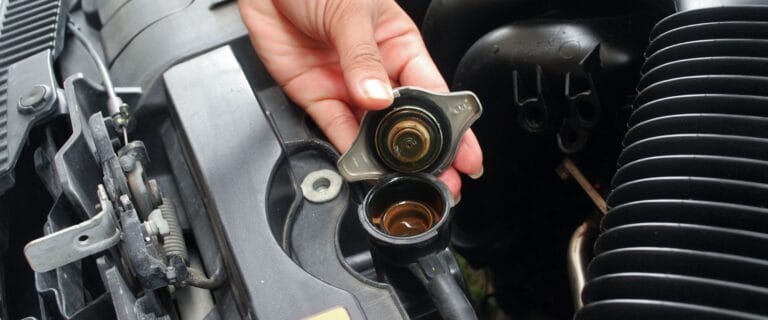
Similar Posts