BMW Timing Chain Problems: Symptoms and Repair Cost
Quick Answer: Most modern BMW engines use a timing chain designed to last the life of the engine — but on certain models, especially early BMW N20 timing chain setups, design flaws and oiling issues cause premature wear. If you hear a cold-start rattle or see timing-related fault codes, stop driving and inspect the chain system immediately.
It Was 7:15 AM, Raining Sideways, and the Tow Truck Was Already Late
I still remember the exact morning I learned just how bad BMW timing chain problems could get. It was early — coffee barely kicking in — and a soaked flatbed rolled into my bay with a 2013 BMW 328i strapped down. The owner, a regular, looked sick to his stomach. He’d heard a rattling noise for months, ignored it, and that morning the engine simply quit on the highway.
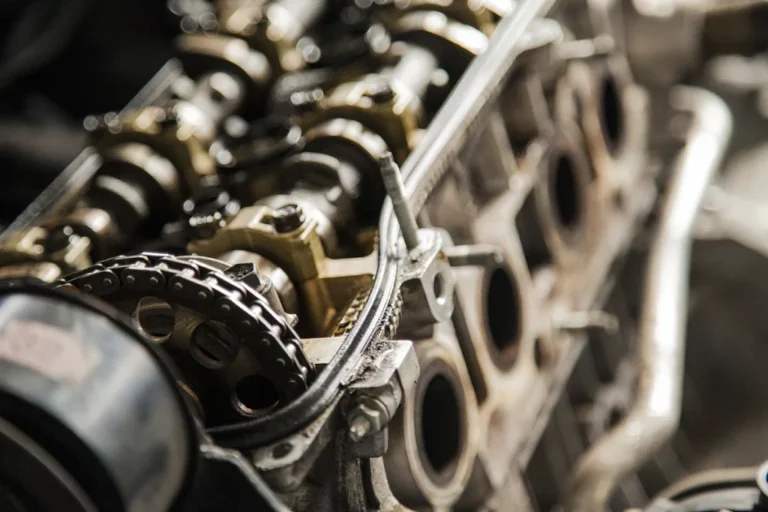
When I pulled the valve cover, my heart sank. The timing chain had stretched so badly it skipped teeth. Bent valves, damaged pistons — the whole mess. What should have been a $2,500 preventative repair turned into a $9,000 engine rebuild. I’ve seen that same story repeat itself dozens of times since, especially with early N20 and N26 engines.
That’s why I’m writing this. BMW timing chain problems aren’t theoretical to me — I’ve rebuilt the aftermath. If you own a BMW, wrench on your own car, or just want to understand what’s going on under the hood, this guide will walk you through the real-world causes, symptoms, repair steps, and costs. No fluff. Just what actually fails and how to deal with it.
What Causes BMW Timing Chain Problems?
BMW timing chains are supposed to be a lifetime component, but in the shop, I treat that phrase with a grain of salt. A timing chain system is only as strong as its weakest part — and on several BMW engines, that weak link is the chain guides and tensioner.
- Premature wear of plastic timing chain guides
- Weak or sticking BMW timing chain tensioner
- Oil starvation from extended oil change intervals
- Early N20/N26 design flaws (pre-2015)
When oil pressure drops or the tensioner fails to maintain load, the chain begins to slap. That slapping is the infamous BMW timing chain rattle customers describe. Ignore it long enough, and the chain stretches or jumps timing.
If you want a broader understanding of how these systems fail across brands, I recommend reading about timing chain problems, replacement costs, and German car timing systems before diving into repairs.
BMW Models Most Affected by Timing Chain Failures
| Engine Code | Model Years | Risk Level | Notes |
|---|---|---|---|
| N20 / N26 | 2012–2015 | 🔴 High | Updated parts released mid-2015 |
| N47 (Diesel) | 2007–2014 | 🔴 High | Rear-mounted chain, labor-intensive |
| N55 | 2011–2018 | 🟡 Moderate | Usually tensioner-related |
Symptoms of BMW Timing Chain Problems
What Customers Tell Me
- Metallic rattling noise on cold start
- Check Engine Light with VANOS or cam correlation codes
- Rough idle or sudden loss of power
- Engine stalls and won’t restart
If X Happens, Check Y
- Rattle under 2 seconds at startup → Inspect timing chain tensioner
- P0012 or P0015 codes → Check chain stretch and cam timing
- Oil pressure warning → Stop driving, inspect guides immediately
Technical Specifications (BMW N20 Example)
| Component | Specification |
|---|---|
| Timing Chain Kit (OEM) | BMW PN varies by VIN — verify before ordering |
| Camshaft Bolt Torque | Check BMW TIS — varies by revision |
| Engine Oil Capacity | 5.0 liters (with filter, N20) |
| Recommended Oil | BMW LL-01 5W-30 or 0W-30 |
BMW revised the chain guides and tensioner design around 2015. Always confirm part numbers by VIN — never assume based on model year alone.
Tools & Materials List
Tool Kit
BMW Timing Tool Kit — Cam Locks, Crank Pin & More
A proper BMW-specific timing tool kit is non-negotiable for this repair. Cam locking tools and a crank pin prevent catastrophic misfires during reassembly.
Crank pin included
E-Torx socket set
Torque wrench compatible
- Must Have: BMW timing tool kit (cam locks, crank pin)
- Must Have: E-Torx sockets (E10–E14)
- Must Have: Torque wrench (inch-pound and foot-pound)
- Nice to Have: Engine support bar
- Nice to Have: Borescope for guide inspection
Most of these tools are available at AutoZone or Amazon. Expect to spend $250–$400 if you don’t already own BMW-specific timing tools.
BMW Timing Chain Replacement Overview
- Disconnect the battery and drain engine oil.
- Remove valve cover and front timing cover.
- Lock crankshaft at TDC and install camshaft locking tools.
- Replace timing chain, guides, and tensioner as a set.
- Verify timing twice before reassembly. I mean it — twice.
BMW Timing Chain Replacement Cost Analysis
Cost Breakdown
$900 – $1,400
$250 – $400
$2,500 – $4,500
$7,000 – $12,000
Replacing a timing chain is expensive — but not replacing it is catastrophic.
Frequently Asked Questions
How long should a BMW timing chain last?
In theory, the life of the engine. In practice, I’ve seen N20 chains fail as early as 60,000 miles when oil changes were skipped.
Is timing chain rattle always serious?
Yes. A brief cold-start noise is often the first warning before complete failure.
Can I just replace the tensioner?
Sometimes — but if the guides are worn, a new tensioner won’t save the chain.
Does BMW cover timing chain failures?
Coverage varies. Some cars received goodwill repairs, but many did not.
Is this a DIY-friendly job?
For experienced DIYers, yes. For beginners, I strongly recommend professional service.
Final Thoughts from the Shop Floor
The repair is difficult, expensive, and precise, but it’s still far cheaper than replacing an engine. For skilled DIYers with patience and the right tools, this is a doable job. For everyone else, catching the problem early and budgeting for a professional repair is the smart move.
From a mechanic’s perspective: the best BMWs are the ones maintained before they fail — not after.
Related Guides
- Ford Timing Chain Problems: Symptoms and Fixes
- Ford Timing Chain Problems: Symptoms and Fixes
- Timing Chain Replacement Cost: What to Expect in 2025
- Timing Chain Problems: Symptoms & Replacement Guide
- Timing Chain vs Timing Belt: Which is Better?
- Nissan Timing Belt Replacement: Cost and Interval
- Hyundai Timing Belt or Chain: Complete Model Guide