Nissan Timing Belt Replacement: Cost and Interval
Quick Answer: Most Nissan models from the late 1990s through early 2000s use a timing belt, but starting around 2002–2004, many switched to timing chains including the Altima and Maxima. Always verify your engine type before assuming you need a belt replacement. For belt-equipped models like the 1995–2001 Altima (KA24DE or VG30E engines), replacement is critical at 60,000–105,000 miles depending on conditions.
It was a Tuesday in late November — gray sky, drizzle on the shop bay door, and the kind of cold that sneaks into your joints if you’re under a car too long. A customer rolled in with a 2000 Nissan Altima that wouldn’t start. No crank, no start, just a hollow clunk when he turned the key.
I popped the valve cover, spun the crank pulley by hand, and watched the camshafts sit still. Snap. Timing belt shredded at 112,000 miles. He’d ignored the maintenance sticker… Now? Cylinder head gasket, bent valves, and a $2,300 repair instead of a $400 one.
I’ve been turning wrenches for 17 years, ASE Master certified since 2008, and I’ve seen more Nissans with catastrophic interference engine failures from neglected timing belts than I can count. But here’s the good news: if you own a belt-driven Nissan and stay on top of it, you’re golden.
Does Your Nissan Even Have a Timing Belt?
Before you buy a single part, let’s clear up the biggest confusion: not all Nissans use timing belts. Many switched to timing chains in the early 2000s.
Timing Belt Models: Most Nissans from the 1980s through early 2000s.
Timing Chain Models: Starting in the early 2000s (e.g., 2002+ Altima 2.5L QR25DE, 2004+ Maxima VQ35DE).
Saying “Nissan Altima timing belt” without specifying the year is unreliable. Always check your owner’s manual, VIN, or physically inspect.
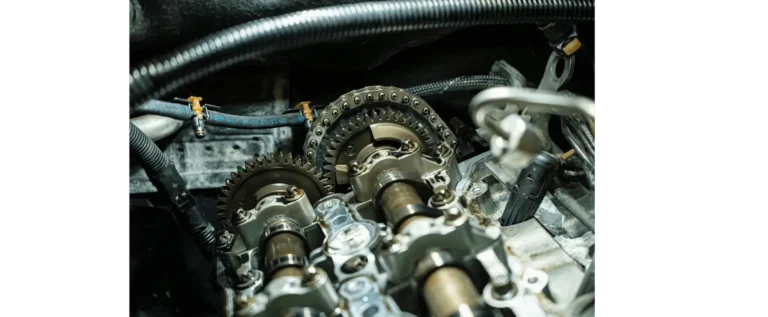
Timing Belt vs. Timing Chain: What’s Under Your Hood?
Nissan’s transition wasn’t overnight. Some models had belt and chain variants in the same year.
Nissan Altima
The Altima is the poster child for confusion. A 2005 model likely uses a chain (unless rare Canadian-market 2.4L).
Nissan Maxima
2003 Maxima needs a belt — 2004 and newer typically use a chain.
Other Common Nissan Models
| Model | Years (Belt) | Engine(s) | Interference? |
|---|---|---|---|
| Sentra | 1991–2000 | GA16DE, SR20DE | Yes |
| Pathfinder | 1990–1995 | VG30E | Yes |
| 240SX | 1989–1998 | KA24DE | Yes |
| Quest | 1993–1998 | VG30E | Yes |
| Xterra | 2000–2004 | KA24DE | Yes |
Note: The 2005+ Xterra (VQ40DE V6) uses a timing chain.
Timing Belt Replacement Interval
Official Interval: 105,000 miles or 84 months (7 years), whichever comes first.
Recommended in harsh conditions: 60,000–90,000 miles.
Tools & Materials List
MUST-HAVE TOOLS
- Socket Set: 10mm, 12mm, 14mm, 17mm, 19mm
- Breaker Bar: 1/2″ drive
- Timing Light or Degree Wheel
- Crankshaft Holder Tool (Nissan OEM 09258-00100 or equivalent)
- Torque Wrench (10–150 ft-lbs)
- Pulley Puller
- Allen Keys: 4mm, 5mm, 6mm
MATERIALS
- Timing Belt Kit (Gates, Aisin, or OEM)
- New Water Pump (highly recommended)
- Cam/Crank Seals
- Engine Coolant & Thermostat
- RTV Silicone
Cost to buy all tools: ~$300–$500. Specialty items: $100–$150 if you already own basics.
Step-by-Step Timing Belt Replacement (KA24DE Example)
CRITICAL SAFETY WARNING: The KA24DE and VG30E are interference engines. If you rotate the crank or cams out of sync, you WILL bend valves.
Estimated time: 5–8 hours for a first-timer.
- Disconnect the battery and drain the coolant.
- Remove accessories (serpentine belt, alternator, A/C compressor, etc.).
- Remove the motor mount (support engine properly).
- Remove crank pulley (181 ft-lbs torque — use holder tool and puller).
- Remove timing cover (10–14 bolts).
- Inspect and mark the old belt.
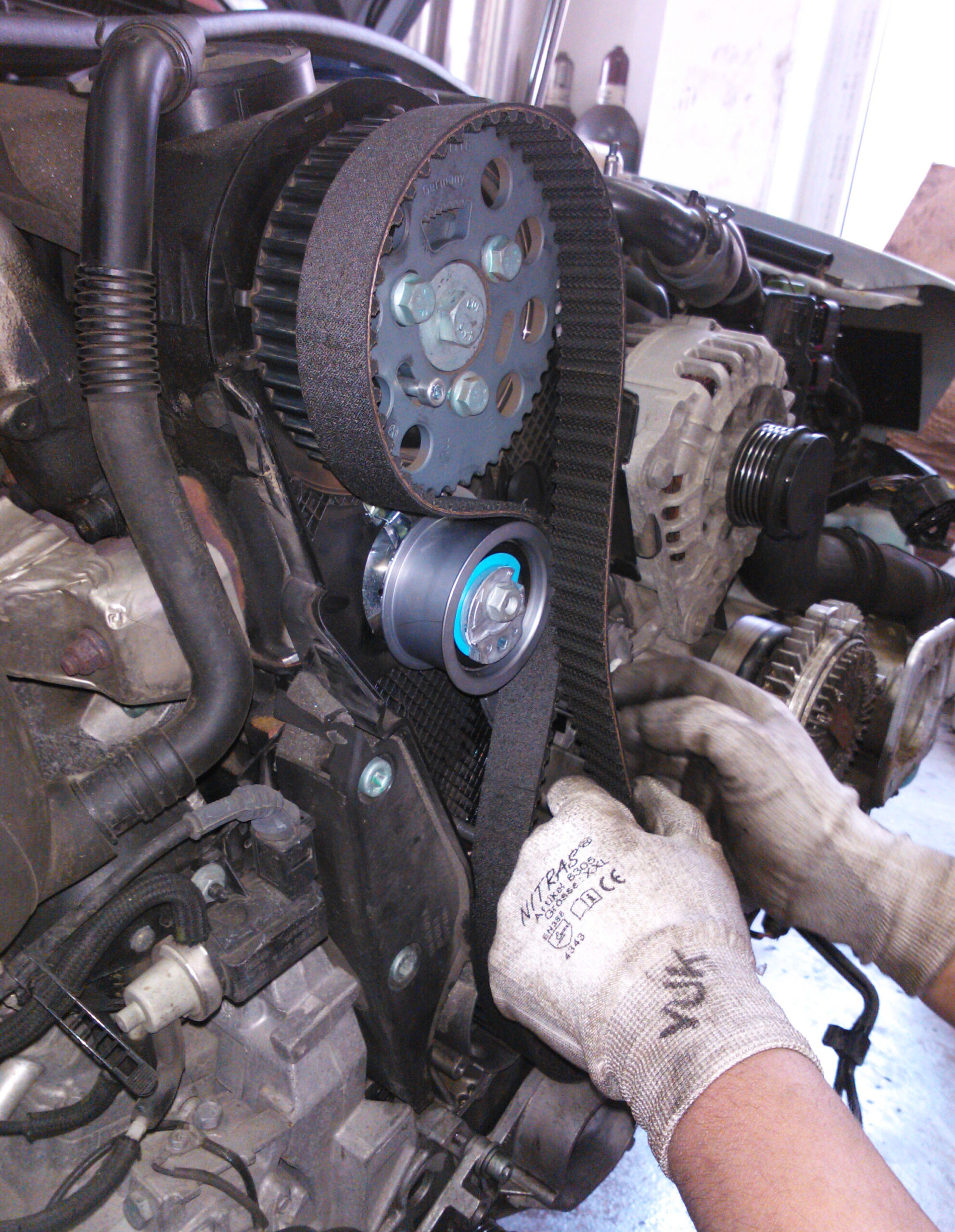
- Relieve tension and remove old belt.
- Replace water pump, seals, and thermostat.
- Install new belt (align all marks to TDC).
- Set tension and rotate crank two full revolutions by hand to verify.
Double-check all alignments before starting the engine.
Related Guides
- Hyundai Timing Belt or Chain: Complete Model Guide
- Acura Timing Belt Replacement Schedule & Costs
- VW Timing Belt Replacement: Cost, Interval & DIY Guide
- Mazda Timing Belt Replacement: Symptoms and Cost
- Ford Timing Belt or Chain: How to Tell by Engine
- Subaru Timing Belt Replacement: Complete Guide & Costs
- Can You Disable ABS for Off-Road? Safety, Risks, and How
- How ABS Works: Anti-Lock Braking Explained
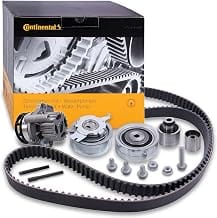
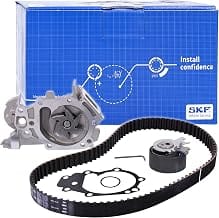
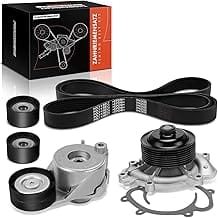
Top Nissan Timing Belt Replacement – Our Picks
Frequently Asked Questions
How long does this job take for a beginner?
Plan for two to three times a professional’s book time on your first attempt. Working slowly and verifying each step prevents the rework that actually costs the most time.
What tools do I need?
A basic metric socket set, jack and stands, torque wrench, and drain pan cover most of this job. Confirm any model-specific tools in the procedure before you begin.
What is the most common mistake?
Rushing reassembly and skipping torque values. Most DIY failures and comebacks trace back to under- or over-tightened fasteners, not the repair itself.
When should I let a shop handle it instead?
If the job involves safety-critical systems, pressurized components, or you lack a safe way to lift and support the vehicle, delegate it. The labor savings are not worth an injury or a dangerous failure.