MAF Sensor Replacement Guide: Symptoms and DIY Steps
It was a sweltering Tuesday afternoon back in June, and I had just finished a marathon session of brake jobs when a 2012 Toyota Camry rolled into my bay. The customer complained about rough idling and sudden hesitation under acceleration. Immediately, my mind went to one culprit I’ve seen countless times in my 15 years as an ASE-certified master technician: the Mass Air Flow (MAF) sensor. By the time the AC in my shop had cooled down, we were already diagnosing the sensor, and within an hour, a MAF sensor replacement had resolved the issue.
If you’ve ever experienced stalling, poor fuel economy, or a check engine light that refuses to go away, chances are your MAF sensor is acting up. In this guide, I’ll walk you through exactly when and how to replace it, tools you need, costs, troubleshooting tips, and insider advice you won’t hear from a dealer.
Understanding the MAF Sensor

VehicleBar Affiliate Product Box
MAF Sensor Replacement
Brand: Delphi
Price: EUR 59.67
eaner.jpg” alt=”MAF Cleaner Spray” />
Try First
MAF Cleaner Spray
Brand: CRC
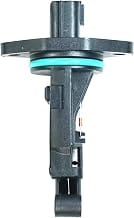
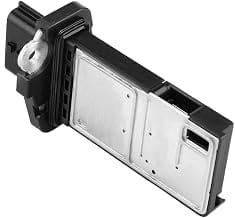
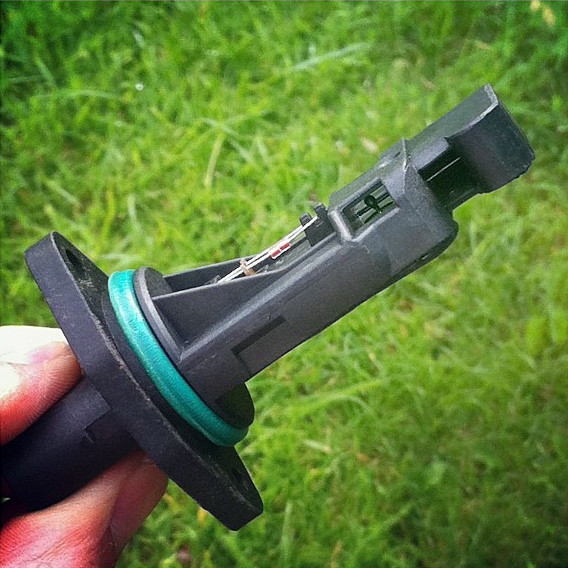
The Mass Air Flow sensor measures the amount of air entering the engine. Your ECU uses this data to balance the air-fuel mixture. If it fails, the engine can run lean or rich, causing a host of drivability issues.
Before diving into replacement, I always recommend reviewing related maintenance guides like MAF sensor symptoms and MAF cleaning to ensure the problem isn’t a simple cleaning job or an upstream air intake issue such as damaged intake tubing or vacuum leaks.
Technical Specifications
| Vehicle | MAF Part Number (OEM) | Aftermarket Options | Torque Specs | Operating Temp |
|---|---|---|---|---|
| Toyota Camry | 22204-0H010 | Bosch, Denso | 18-22 in-lb | -40°F to 250°F |
| Honda Accord | 37980-RTA-003 | Hitachi, Delphi | 20 in-lb | -40°F to 230°F |
| Ford F-150 | AFLS-196 | Motorcraft, Bosch | 18 in-lb | -40°F to 260°F |
Tools & Materials List
- Torx T20 and T25 drivers ($5-$10 each)
- Ratchet set with 8mm and 10mm sockets
- Flathead screwdriver
- O-ring lubricant
- New MAF sensor
- OBD2 scanner
- Gloves and safety glasses
When to Replace MAF Sensor
You should consider replacement if you notice:
- Check engine light with P0100-P0104 codes
- Rough idling or stalling
- Poor acceleration or throttle response
- Sudden drop in fuel economy
- Black smoke from exhaust
Step-by-Step MAF Sensor Replacement
Step 1
Disconnect the battery to prevent electrical shorts. Wear gloves and safety glasses before working in the engine bay.
Step 2
Locate the MAF sensor in the air intake assembly, usually between the air filter housing and throttle body.
Step 3
Disconnect the electrical connector carefully by pressing the locking tab.
Step 4
Remove the Torx mounting screws and store them safely.
Step 5
Remove the sensor and inspect the O-ring. Apply a light amount of silicone grease if needed.
Step 6
Install the new sensor in the correct orientation and tighten to manufacturer torque specifications.
Step 7
Reconnect the electrical connector securely.
Step 8
Reconnect the battery and clear trouble codes using an OBD2 scanner.
Troubleshooting Common MAF Sensor Problems
| Symptom | Potential Cause | DIY Check |
|---|---|---|
| Rough idling | Dirty or failing MAF | Inspect and clean sensor |
| Poor acceleration | Lean air-fuel mixture | Scan for P0101-P0104 codes |
| Check engine light | MAF signal out of range | Monitor live data |
| Black smoke | Sensor failure or clogged intake | Inspect hoses and intake system |
MAF Sensor Replacement Cost Analysis
- DIY Parts: $120-$220
- Tools: Around $25 if needed
- Professional Service: $250-$400
- DIY Time: 30-60 minutes
- Professional Time: 45-90 minutes
- OEM Lifespan: 100k+ miles
Safety Warnings
- Disconnect the battery before starting.
- Wear gloves and safety glasses.
- Never touch the sensor wires directly.
- Stop and seek professional help if unsure.
FAQ
1. How much does a MAF sensor replacement cost?
DIY replacements range from $120-$220 for parts, while professional service typically costs $250-$400 including labor.
2. Can I clean a MAF sensor instead of replacing it?
Yes. Approved MAF cleaner sprays can restore sensor performance if dirt buildup is the primary issue.
3. How do I know if my MAF sensor is bad?
Common symptoms include rough idle, poor acceleration, reduced fuel economy, stalling, and codes P0100-P0104.
4. Should I buy OEM or aftermarket?
OEM offers the best long-term reliability, while trusted aftermarket brands provide excellent value for budget-conscious owners.
5. How difficult is it to replace a MAF sensor?
Most DIYers can complete the job within 30-60 minutes using basic hand tools.
6. Can a failing MAF sensor damage my engine?
Yes. Running too lean or too rich for extended periods can stress engine components and reduce performance.
Conclusion
Replacing a MAF sensor is one of the more approachable DIY repairs, especially if you’re comfortable removing air intake components and working carefully around electronics. Expect to spend $120-$220 on parts and around an hour in the garage.
From a shop perspective, a properly functioning MAF sensor improves fuel economy, restores engine performance, and keeps the check engine light off. Whether you choose OEM reliability or a trusted aftermarket replacement, proper installation ensures smooth driving for years to come.
Related Guides
- Mazda Timing Belt Replacement: Symptoms and Cost
- Carburetor Rebuild Kit Guide: How to Choose the Right Kit
- Carburetor Adjustment: How to Tune for Best Performance
- Carburetor Cleaning: Complete Guide for Classic Cars
- Fuel Injector Cleaning Cost: What to Expect in 2026
- Fuel Pump Replacement Cost: Average Prices by Vehicle
- Fuel Pump Problems: Diagnosis and Replacement Guide
- Bad MAF Sensor Symptoms: 8 Signs of Failure
Top Maf Sensor Replacement Guide – Our Picks