Idler Pulley Replacement: Cost & DIY Guide
Idler Pulley Replacement: Cost & DIY Guide

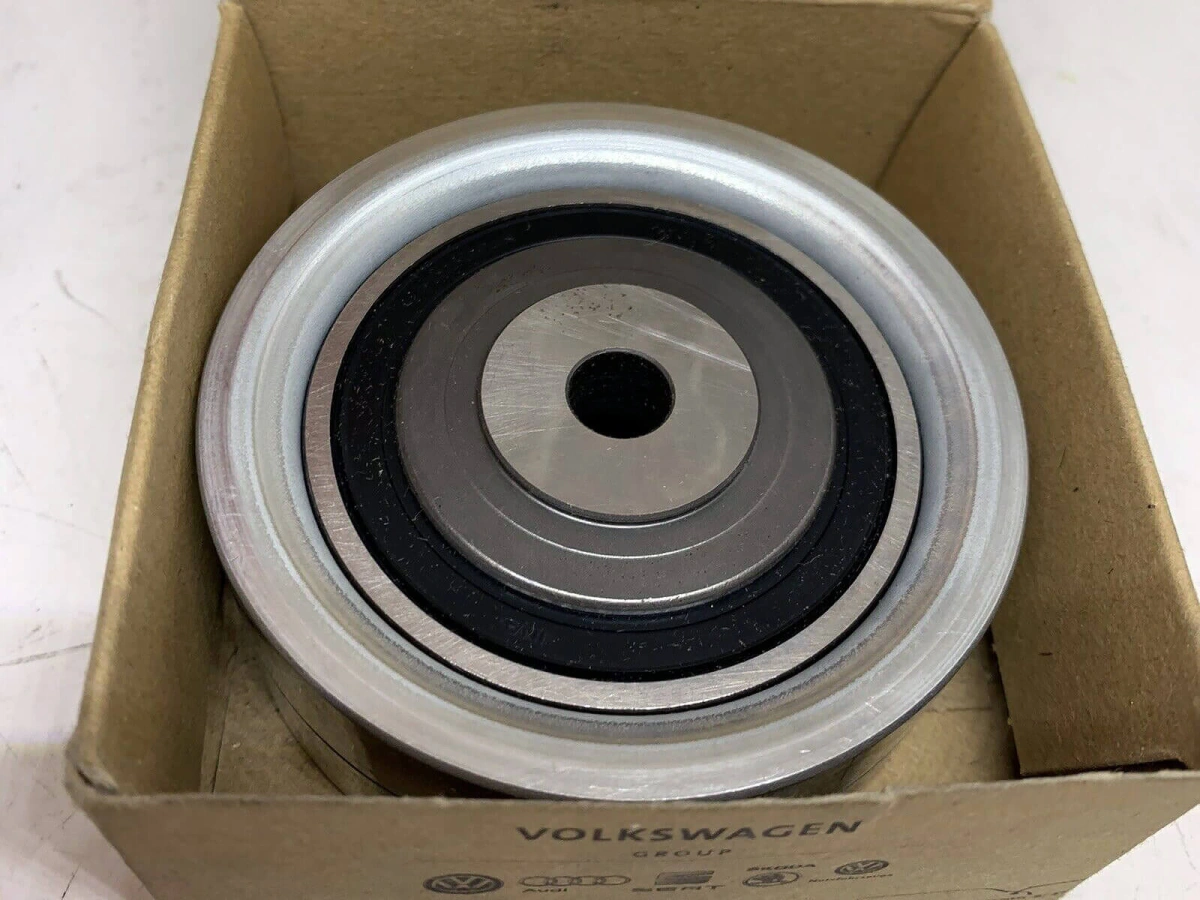
Quick Answer: Idler pulley replacement typically costs $40–$90 for the part if doing it yourself, or $150–$300 at a shop (including labor). It’s a moderate DIY job that most backyard mechanics can handle in under an hour. It was a cold December morning last year, the kind where your breath hangs in the air inside … Read more
Bad Belt Tensioner Symptoms: 7 Warning Signs

Bad Belt Tensioner Symptoms: 7 Warning Signs

It was a Tuesday afternoon in late November—rain tapping on the shop roof like a nervous drumbeat—and a 2014 Ford F-150 rolled in with the driver clutching his ear like it was ringing from artillery fire. “Sounds like a diesel with a coffee can full of bolts under the hood,” he said. I popped the … Read more

Belt Tensioner Replacement: Signs & DIY Guide

Belt Tensioner Replacement: Signs & DIY Guide

Opening: The Day the Belt Tensioner Gave Up It was a sweltering July afternoon in the shop, the kind of heat that makes the air shimmer over the hoods of parked cars. I was elbow-deep in a 2014 Honda Accord when the service writer walked in with a customer who looked like he’d just seen … Read more

Serpentine Belt Noise: Squealing & Chirping Diagnosis

Serpentine Belt Noise: Squealing & Chirping Diagnosis

Quick Answer: Most serpentine belt noise—whether a squeal on cold start or a chirp at idle—is caused by belt slip, improper tension, or a misaligned or failing pulley. The belt itself is often the messenger, not the culprit. Fixing the noise means identifying why the belt is slipping, not just replacing it. That Morning Squeal … Read more

BMW Timing Chain Problems & Replacement Guide

BMW Timing Chain Problems & Replacement Guide

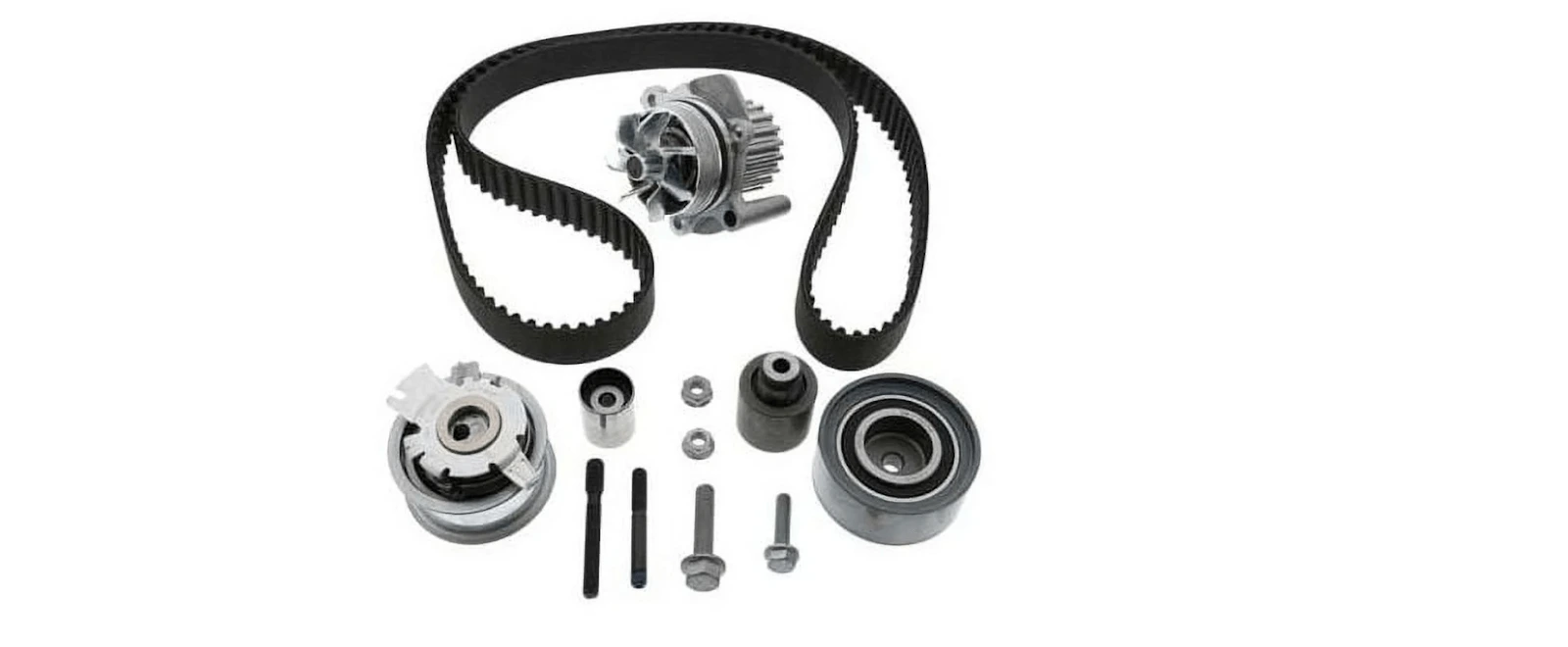
    Quick Answer: Most modern BMW engines use a timing chain designed to last the life of the engine—but on certain models, especially early BMW N20 timing chain setups, design flaws and oiling issues cause premature wear. If you hear a cold-start rattle or see timing-related fault codes, stop driving and inspect the chain … Read more

Timing Chain vs Timing Belt: Which is Better?

Timing Chain vs Timing Belt: Which is Better?

It was 7:30 AM on a Tuesday in February, coldest day we’d seen in Atlanta that winter. My coffee was still steaming when Mrs. Johnson rolled her ’08 Honda Pilot into the bay, engine clattering like a toolbox down a flight of stairs. “It just started making this noise yesterday,” she said, but I knew … Read more

Ford Timing Belt or Chain: The Complete Model-by-Model Breakdown

Ford Timing Belt or Chain: Which Models Have What?

It was 7:15 on a Tuesday morning in early March, the kind of cold that makes your knuckles crack just looking at a wrench. A customer had towed in his wife’s 2013 Ford Escape, convinced the engine was toast. The tow truck driver and I both knew the sound before we popped the hood—that distinctive, … Read more

Toyota Camry Timing Belt or Chain? Complete Guide

Toyota Camry Timing Belt or Chain? Complete Guide

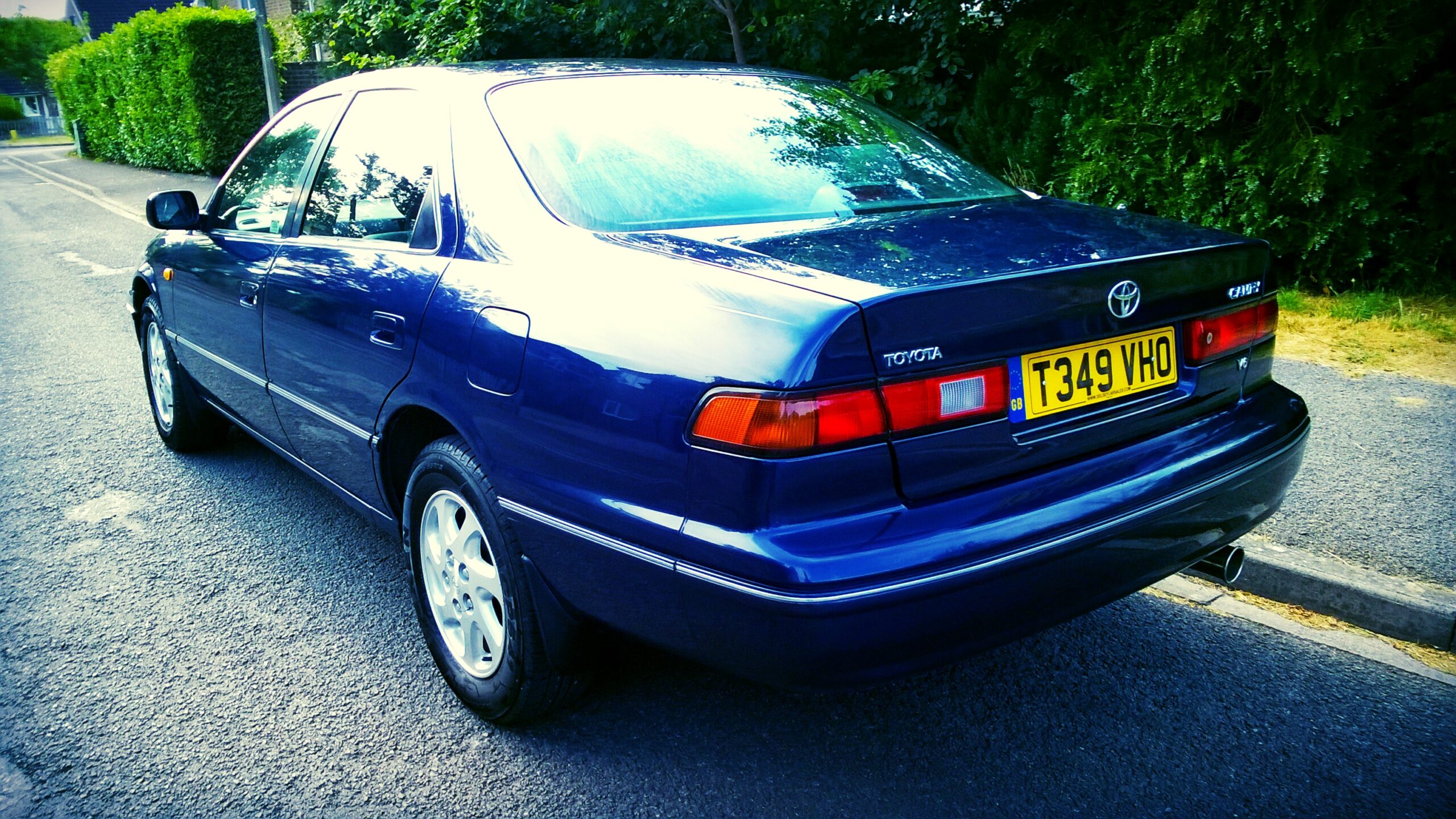
Quick Answer: Most Toyota Camrys from 2002 onward (all 4-cylinder models) and 2007 onward (V6 models) use a timing chain that typically lasts the life of the engine with proper maintenance. Older models (1990-2001 4-cylinder and 1990-2006 V6) have a timing belt that must be replaced every 90,000-100,000 miles, or sooner under severe conditions. Always … Read more

Compression Test: How to Check Engine Health

Compression Test: How to Check Engine Health

Quick Answer: An engine compression test measures the pressure in each cylinder to diagnose issues like worn piston rings, leaking valves, or a blown head gasket. A healthy engine should have compression between 125-175 PSI per cylinder, with no more than 10% variation between cylinders. The Day I Diagnosed a “Dead” Engine with a $40 … Read more

Blue Smoke from Exhaust: Diagnosis Guide

Blue Smoke from Exhaust: Diagnosis Guide

Quick Answer: Blue smoke exhaust is a classic sign your engine is burning oil. The culprit is usually worn valve seals or piston rings, but it could also be caused by a faulty PCV system, turbocharger issues (on turbocharged engines), or using the wrong oil viscosity. Ignoring it will lead to increased oil consumption, poor … Read more