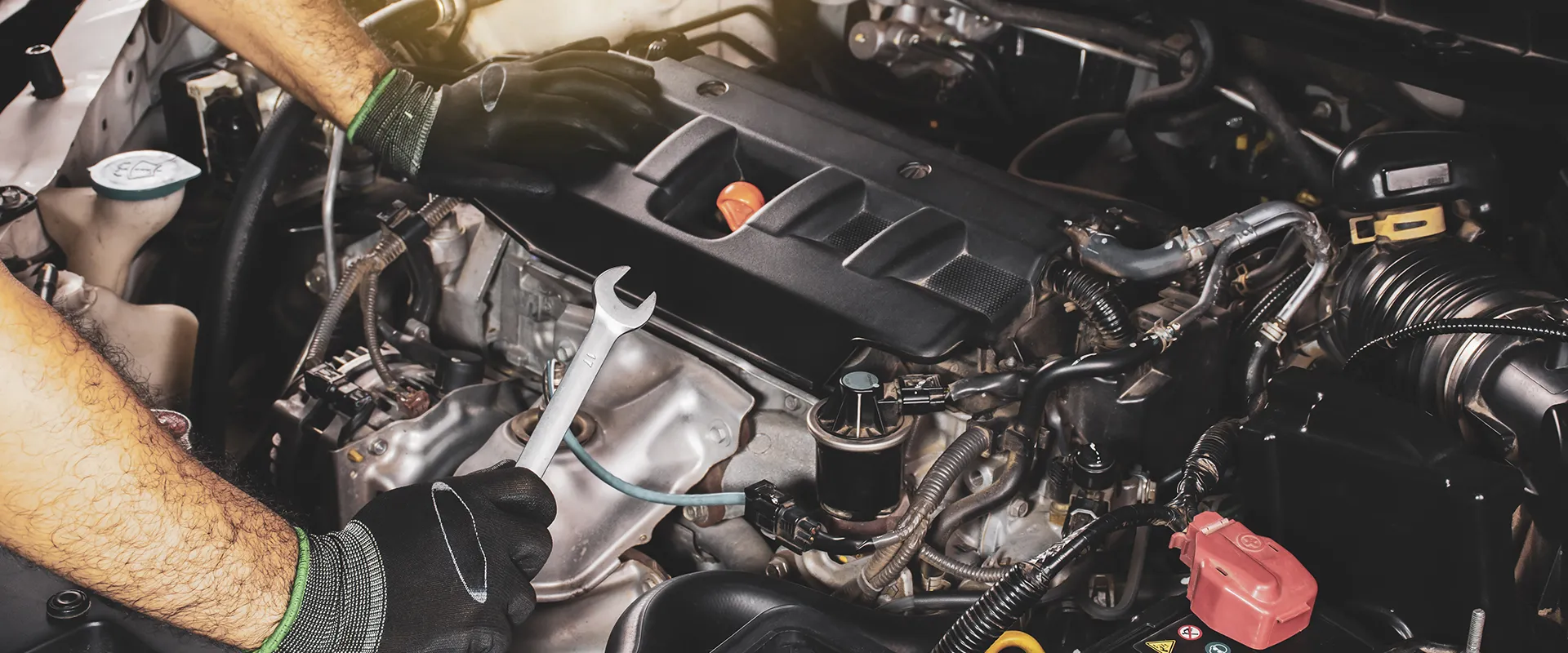
Compression Test: How to Check Engine Health

It was 7:30 a.m., still dark outside, and the rain hadn’t let up all night. A regular customer rolled in with a 2012 Honda Accord that “just didn’t feel right anymore.” Rough idle, sluggish acceleration, and a check engine light that liked to disappear whenever he pulled into the parking lot. I’d heard this story … Read more
Ticking Noise from Engine: Common Causes

Ticking Noise from Engine: Common Causes

Quick Answer: That ticking sound? 8 times out of 10 it’s hydraulic lifters needing oil flow or fuel injectors doing their normal business. But if it’s loud, irregular, or changes with engine speed—especially after an oil change—check lifter noise first. Exhaust leaks and timing chain issues are serious but less common. Diagnose properly before spending money! … Read more

Engine Knocking Noise: What It Means and How to Fix It

Engine Knocking Noise: What It Means and How to Fix It

Quick Answer Engine knocking noise is a metallic pinging or rattling sound caused by abnormal combustion (detonation) or worn mechanical parts. Common fixes: use higher-octane fuel, clean carbon buildup, replace spark plugs, or repair bottom-end bearings. DIY cost: $20–$400. Shop cost: $200–$3,500. Tuesday, 7:15 a.m., 38 °F in the shop—my coffee hadn’t even cooled when … Read more

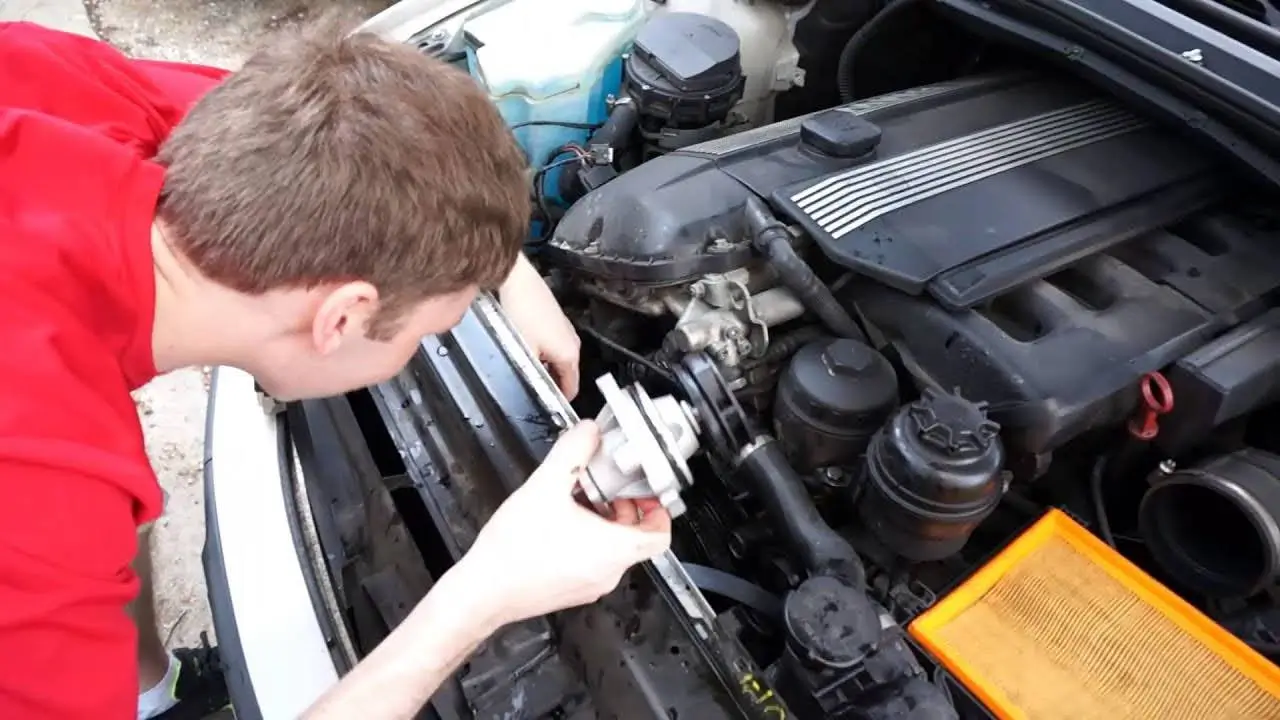
Water Pump Failure: Warning Signs and Solutions

Water Pump Failure: Warning Signs and Solutions

A Tuesday Morning That Almost Cost a Customer Their Engine It was 7:45 AM on a cold February morning when Sarah rushed into my shop, panic written all over her face. Her 2011 Honda Civic was steaming like a teapot on the highway, and she’d barely made it to my parking lot. The temperature gauge … Read more

Thermostat Failure: Symptoms and Replacement — A Master Tech’s Deep Dive

Thermostat Failure: Symptoms and Replacement

Few components in your vehicle’s cooling system are as deceptively simple—and critically important—as the humble thermostat. About the size of a hockey puck, this unassuming device regulates coolant flow between your engine and radiator, ensuring your engine runs at its optimal temperature. Yet, when it fails—which it inevitably will over time—it can trigger a cascade … Read more

Radiator Issues: Signs Your Radiator Is Failing

Radiator Issues: Signs Your Radiator Is Failing

Quick Answer: Top Signs of Radiator Problems Engine overheating (temperature gauge in the red) Coolant leaks under the vehicle Discolored or sludgy coolant Clogged radiator fins blocking airflow Sweet smell from the engine bay It was a scorching July afternoon in Phoenix a couple years back—must’ve been 115 degrees out. This lady pulls into the … Read more

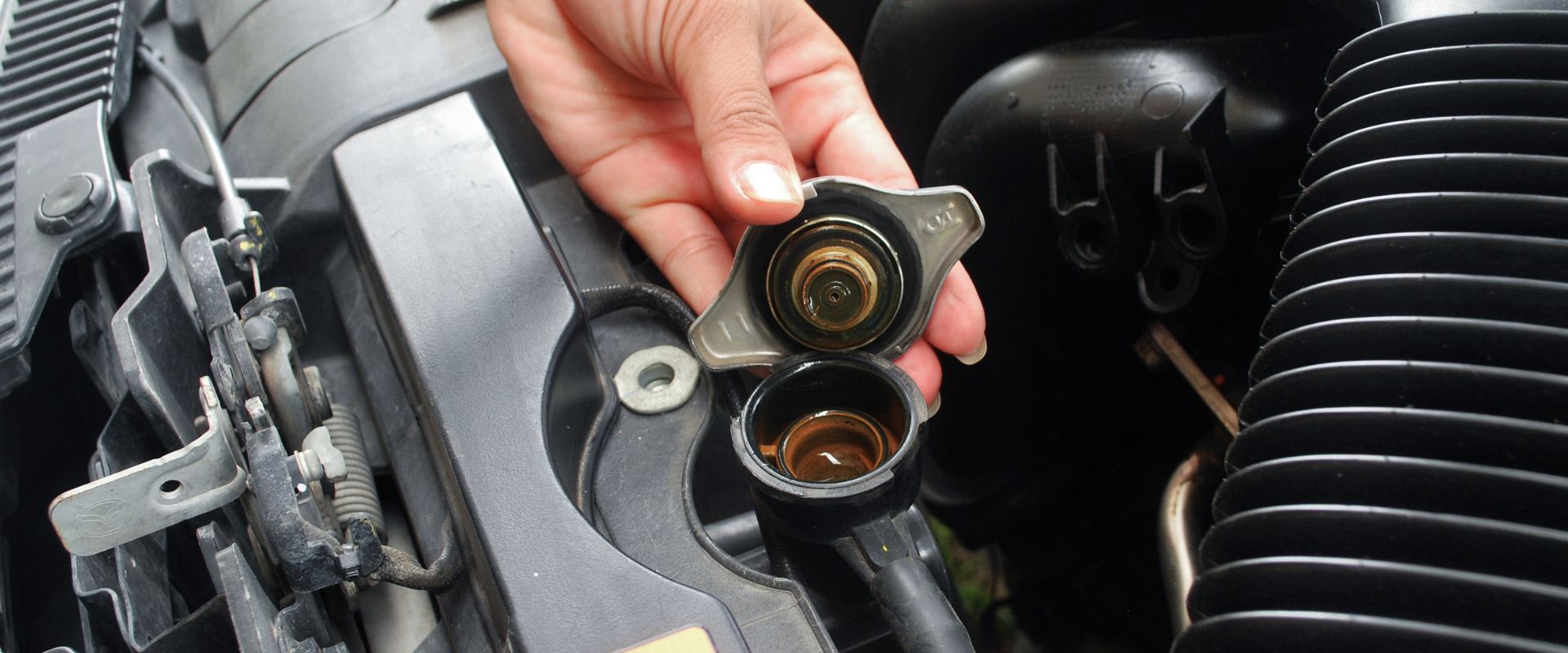
Coolant System Problems: Diagnosis and Repair

Coolant System Problems: Diagnosis and Repair

  Quick Answer: Coolant system problems often manifest as overheating, leaks, or contamination. A pressure test and visual inspection can diagnose most issues. Repair costs range from $50 for a DIY thermostat replacement to $800+ for a professional radiator replacement. It was a sweltering July afternoon in the shop when Ahmed rolled in with his … Read more

How to Fix an Overheating Engine: Step-by-Step Guide

How to Fix an Overheating Engine: Step-by-Step Guide

Quick Answer: To fix an overheating engine, start by checking coolant level and condition, inspect the thermostat and radiator fans, flush contaminated coolant, repair leaks, and properly bleed the coolant system. Most overheating problems are caused by airflow loss, coolant flow restriction, or trapped air—not engine failure. What an Overheating Engine Really Looks Like in … Read more

Engine Overheating: Common Causes and Quick Fixes

Engine Overheating: Common Causes and Quick Fixes

Last Tuesday afternoon, a panicked customer pulled into our bay with steam billowing from under her hood. She’d been sitting in bumper-to-bumper traffic on I-95 when her temperature gauge suddenly pinned itself in the red zone. “I just had the oil changed last week,” she said, as if that should’ve prevented this. I popped the … Read more

Spark Plug Problems: How to Identify Bad Plugs

Spark Plug Problems: How to Identify Bad Plugs

Quick Answer: Bad spark plugs cause misfires, rough idling, and poor fuel economy. Check for electrode wear, carbon buildup, or oil contamination. Replace every 30,000-100,000 miles depending on plug type (copper/platinum/iridium). DIY replacement costs $20-$80; professional service runs $150-$300. The $47 Lesson That Changed My Career It was 6:47 AM on a freezing February Tuesday back … Read more