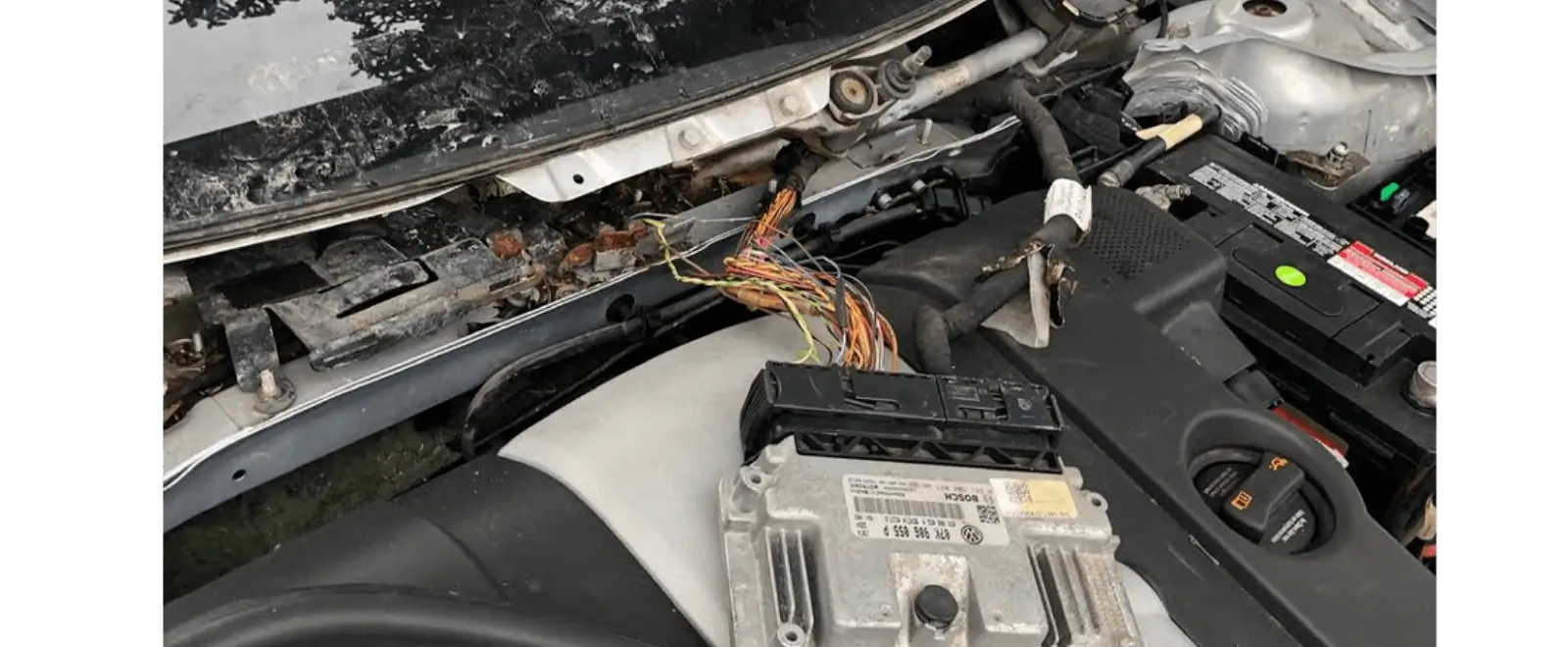
Throttle Position Sensor Failure: Signs and Solutions

Throttle Position Sensor Failure: Signs and Solutions
Last Tuesday afternoon, a silver 2015 Honda Accord rolled into my bay with the check engine light glowing amber on the dash. The customer—a schoolteacher named Maria—told me her car had been “acting weird” for two weeks. “It hesitates when I step on the gas, and sometimes it just surges forward like it has a … Read more
Ticking Noise from Engine: Common Causes

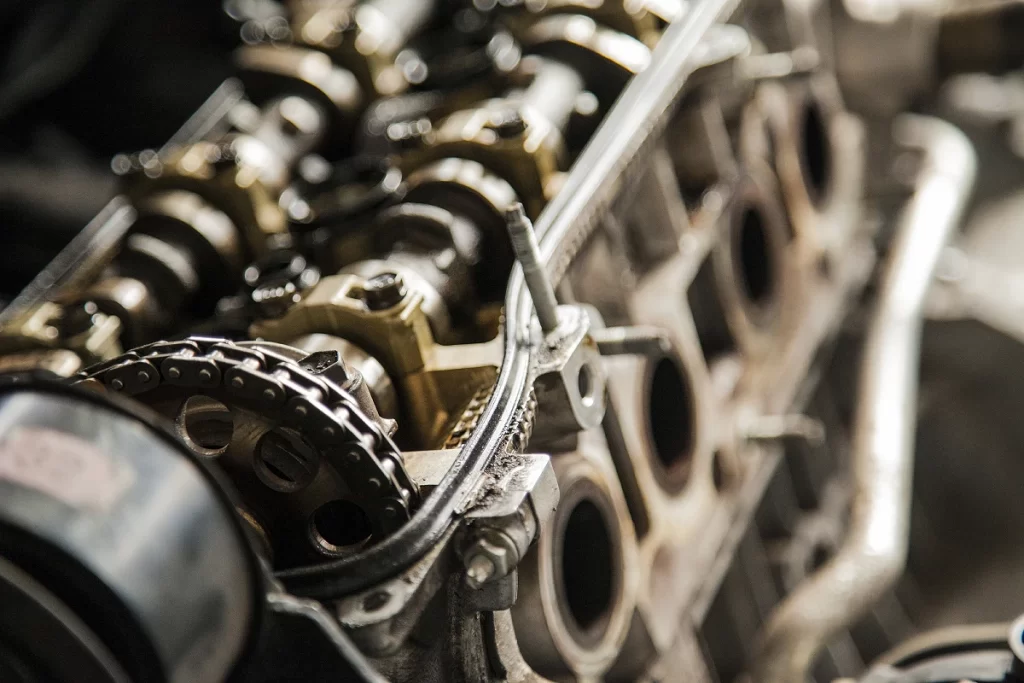
Ticking Noise from Engine: Common Causes

Quick Answer:That ticking sound? 8 times out of 10 it’s hydraulic lifters needing oil flow or fuel injectors doing their normal business. But if it’s loud, irregular, or changes with engine speed—especially after an oil change—check lifter noise first. Exhaust leaks and timing chain issues are serious but less common. Diagnose properly before spending money! … Read more

How to Fix an Overheating Engine: Step-by-Step Guide

How to Fix an Overheating Engine: Step-by-Step Guide

To fix an overheating engine, start by checking coolant level and condition, inspect the thermostat and radiator fans, flush contaminated coolant, repair leaks, and properly bleed the coolant system. Most overheating problems are caused by airflow loss, coolant flow restriction, or trapped air—not engine failure.   What an Overheating Engine Really Looks Like in the … Read more

Ignition Coil Failure: Signs and Diagnosis

Ignition Coil Failure: Signs and Diagnosis

Quick Answer:A failing ignition coil causes rough idle, misfires, poor fuel economy, and a flashing check-engine light. Swap the suspect coil to a different cylinder—if the misfire follows the coil, you’ve found the culprit. Expect $80-$180 for a single OEM coil versus $400-$700 at a dealership for the same part plus labor.   It was … Read more

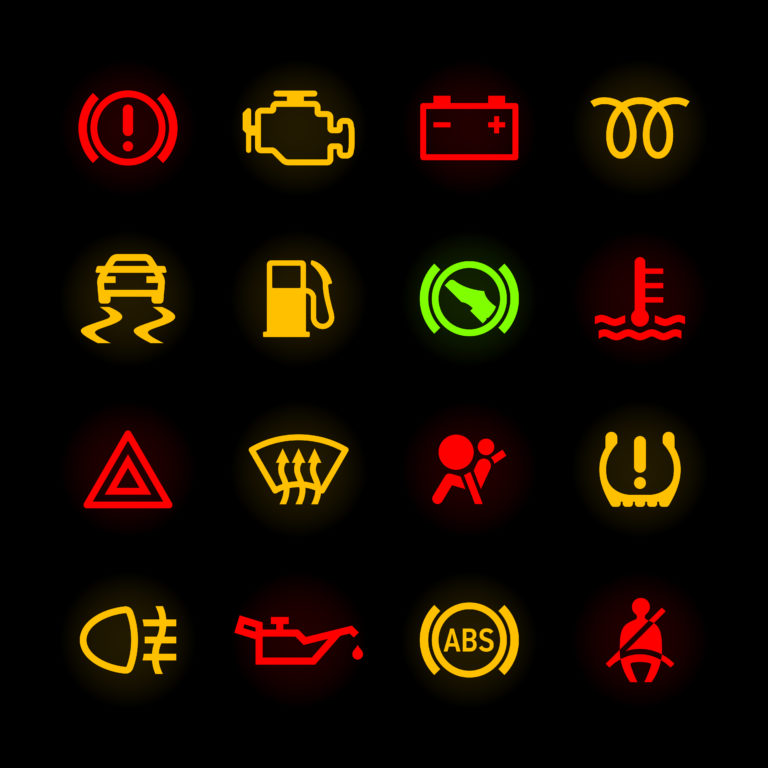
Top 10 Most Common Check Engine Light Codes Explained

Top 10 Most Common Check Engine Light Codes Explained

Quick Reference:Before we dive deep, understand that OBD2 codes follow a pattern. The first character tells you the system (P = Powertrain, B = Body, C = Chassis, U = Network). The second digit indicates if it’s generic (0) or manufacturer-specific (1). The remaining digits specify the exact fault. Most common check engine codes start … Read more