Walnut Blasting Guide: The Complete Carbon-Cleanup Playbo…
It Was 7:30 AM, Pouring Rain, and the Car Wouldn’t Idle
DIY Kit
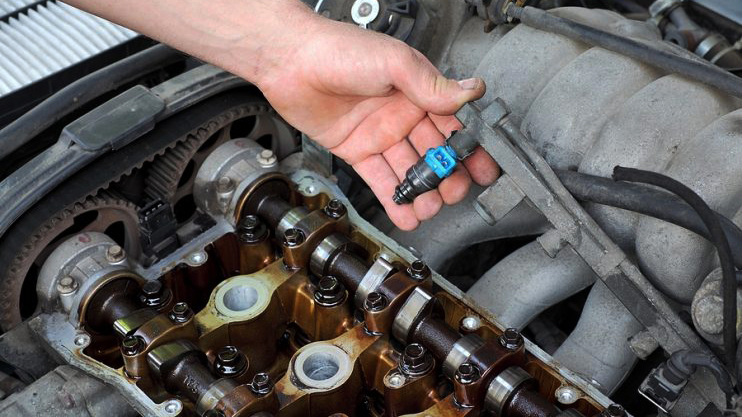
I still remember that Tuesday morning like it was yesterday. Cold rain, gray sky, and a 2014 Toyota Camry LE sitting outside my bay, shaking like it had a bad caffeine addiction. The owner—delivery driver, about 120,000 miles on the clock—told me, “It runs fine on the highway, but at stoplights it feels like it’s about to die.”
I popped the hood, listened for about 30 seconds, and already had a hunch. No misfire codes. Fuel trims creeping positive at idle. Classic partially clogged injectors. He’d been running bargain-basement gas and never touched the fuel system beyond oil changes.
Here’s the part most people don’t hear from shops: not every injector problem needs replacement, and not every cleaning service is worth the money. Over 15+ years as an ASE-certified master tech, I’ve cleaned thousands of injectors—some successfully, some not. The trick is knowing which method actually works for your situation.
If you’re here to learn DIY fuel injector cleaning that genuinely makes a difference—and not snake oil—you’re in the right place. I’ll walk you through the three methods I trust, when to use each one, exact tools, real costs, and the mistakes that send cars to tow trucks.
How Fuel Injectors Actually Get Dirty (Shop Reality)
Fuel injectors don’t clog overnight. What I see most often is slow buildup from low-quality fuel, short trips, and heat soak. Modern injectors spray in precise patterns measured in microns. It doesn’t take much varnish to mess that up.
Think of an injector like a showerhead. You don’t need a rock stuck in it—just a few partially blocked holes, and suddenly the spray pattern is uneven. That’s when you get rough idle, hesitation, and poor fuel economy.
Before grabbing tools, it helps to understand where DIY methods fit compared to professional injector cleaning and fuel system care. Some methods are maintenance. Others are corrective. Mixing those up wastes time and money.
Method 1: Fuel Injector Cleaner Additive (Maintenance-Level Cleaning)
When This Method Actually Works
I recommend a fuel injector cleaner additive when:
- No active misfire codes
- Rough idle only when cold
- Mileage under ~80,000 miles
- No long-term neglect
This is preventive cleaning, not resurrection. If someone tells you an additive will fix a dead injector, they’re selling something.
Recommended Products (What I Use in the Shop)
| Product | Active Ingredient | Notes |
|---|---|---|
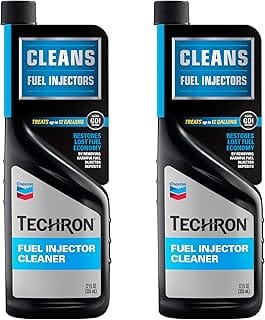
| Chevron Techron | PEA | OEM-approved, safe for catalytic converters |
| Seafoam Injector Treatment | Petroleum-based | Milder, good for regular maintenance |
Avoid no-name additives with zero ingredient disclosure. PEA (polyetheramine) is what you want—it survives combustion heat.
Step-by-Step: Additive Cleaning
Step-by-Step: Details
Run the fuel tank down to about¼ full.
[Photo: Fuel gauge showing quarter tank]
Pour the entire bottle into the tank. Do not split doses unless the product says so.
Fill up with Top Tier fuel(87 or higher—match your owner’s manual).
Drive normally for at least 50–100 miles. Highway driving helps.
Cost Analysis
- Cleaner additive: $10–$25
- Time required: 5 minutes
- Effectiveness: Low to moderate
If symptoms improve but don’t disappear, you’ve confirmed injector-related issues. That’s when we step up.
Method 2: On-Car Pressurized Fuel Rail Cleaning (The Sweet Spot)
This is my go-to DIY method for cars between 80,000–150,000 miles with noticeable drivability issues. It’s also the closest thing to what many shops do—without paying shop labor.
What You’re Doing Mechanically
You’re disconnecting the fuel pump and running the engine directly on a concentrated fuel system cleaner. That means 100% cleaner through the injectors—no dilution.
Tools & Materials
- Fuel pressure gauge with Schrader adapter ($30–$50)
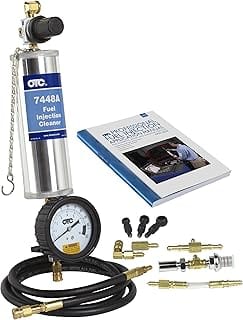
- Pressurized injector cleaning kit ($40–$80)
- Fuel system cleaner (rated for pressurized use)
- Basic hand tools (8mm–12mm sockets common)
- Safety glasses & nitrile gloves (must-have)
Step-by-Step: Pressurized Cleaning
Step-by-Step: Details
Relieve fuel pressure. Most vehicles have a Schrader valve on the fuel rail.
[Diagram: Fuel rail Schrader valve location]
Disable the fuel pump by removing the fuel pump fuse or relay. Check the fuse box diagram.
Connect the pressurized cleaning canister to the fuel rail.
Set pressure to manufacturer recommendation (usually40 PSI, but verify).
Start the engine and let it run until the canister is empty (10–15 minutes).
Troubleshooting
- If engine won’t start: Check fuel pump fuse is removed and cleaner valve is open.
- If idle surges: Slight surging is normal—shut down if severe.
Compared to shop pricing outlined in our cleaning cost comparison, this method saves serious money.
Method 3: Off-Car Manual Injector Cleaning (Advanced DIY)
This is where things get real. I only recommend manual injector cleaning if you’re comfortable pulling fuel rails and replacing O-rings. Done right, it’s extremely effective. Done wrong, it’s a fire hazard.
When This Is Worth It
- Persistent misfires on specific cylinders
- Injector balance issues
- High-mileage engines (150k+)
Key Specs (Always Verify)
| Specification | Typical Range |
|---|---|
| Injector O-ring torque | Check service manual |
| Fuel rail bolt torque | Usually 7–12 ft-lbs |
I’m not guessing here—always check your factory service manual for exact values.
Manual Cleaning Process (Overview)
Remove fuel rail and injectors carefully.
Replace all injector O-rings (do not reuse).
Pulse injector with 12V while spraying cleaner through inlet.
Cost Comparison: DIY vs Professional
- Additive method: $15–$25
- Pressurized cleaning: $70–$120
- Manual cleaning DIY: $100–$200
- Professional service: $150–$400+
For most people, Method 2 hits the sweet spot. Full breakdowns are covered in our guide on top fuel additives and fuel system maintenance.
Frequently Asked Questions
How often should I do DIY fuel injector cleaning?
Additives every 5,000–7,500 miles. Pressurized cleaning only when symptoms appear.
Can cleaning damage injectors?
Improper manual cleaning can. Additives and pressurized systems are safe when used correctly.
Is Seafoam injector cleaner safe?
Yes, when used as directed. It’s milder than PEA-based cleaners.
Will cleaning fix a dead injector?
No. Electrical failures or internal mechanical damage require replacement.
Should I clean or replace injectors?
Clean first unless diagnostics show electrical failure.
Final Thoughts from the Shop Floor
DIY fuel injector cleaning isn’t magic—but done correctly, it works. For most DIYers, the pressurized method offers the best balance of cost, effectiveness, and safety. Expect to spend $80–$120 and about an hour of your time.
From a mechanic’s perspective, I’d rather see someone clean injectors properly than throw parts at a problem. Start simple, diagnose honestly, and stop if things feel unsafe. Fuel systems demand respect.
Do it right, and your engine will thank you every time you turn the key.