The Complete Cold Air Intake Guide: What It Does, What It…
A cold air intake is an aftermarket performance modification. It replaces a vehicle’s factory air box and restrictive intake tubing with a larger-diameter, smoother pipe and a cone-shaped, high-flow air filter. Its stated purpose is to pull cooler, denser air from outside the engine bay—typically from behind the bumper or fender—and deliver it to the engine’s throttle body. Cooler air contains more oxygen molecules per volume, so the engine can burn more fuel. This is the mechanical basis for the modest horsepower and throttle-response gains these kits promise. The cold air intake is a core component of an engine’s induction system. It sits upstream of the throttle body and downstream of the vehicle’s front grille. It is one of the most popular first modifications for enthusiasts because it is relatively simple to install and requires no engine tuning.
This guide covers every attribute you need to evaluate before buying. We examine real-world horsepower gains and the dyno data behind them. We compare short ram and true cold air designs, filter materials from cotton gauze to dry synthetic, and intake tubing diameters and their effect on torque curves. We also cover sound characteristics, maintenance intervals, and the complete cost picture—from a $150 budget kit to a $600 carbon-fiber system with a heat shield. We also address the common pitfalls. These include hydro-lock risk with fender-mounted filters, heat soak in stop-and-go traffic, and the fact that many modern turbocharged engines see minimal gains from an intake alone. You will also learn how a cold air intake interacts with adjacent engine components—the mass airflow sensor, the intake manifold, and the engine control unit. That interaction determines whether you actually benefit from the upgrade.
What makes this guide different is that it does not rely on manufacturer marketing claims. We have compiled dyno results from independent testers. We compared intake designs side by side on the same vehicle. We also analyzed owner-reported seat-of-the-pants impressions across dozens of forums. You will get a decision framework. If your goal is maximum horsepower on a naturally aspirated engine, we tell you which design to pick. If you want induction noise without sacrificing low-end torque, we cover that too. And if you drive a modern turbo car where a tune matters more than the intake itself, we explain why. By the end, you will know exactly whether a cold air intake is worth your money—or whether that budget is better spent elsewhere on your build.
What Is a Cold Air Intake and How Does It Differ from a Short Ram?
The Core Mechanism: Density, Oxygen, and Combustion
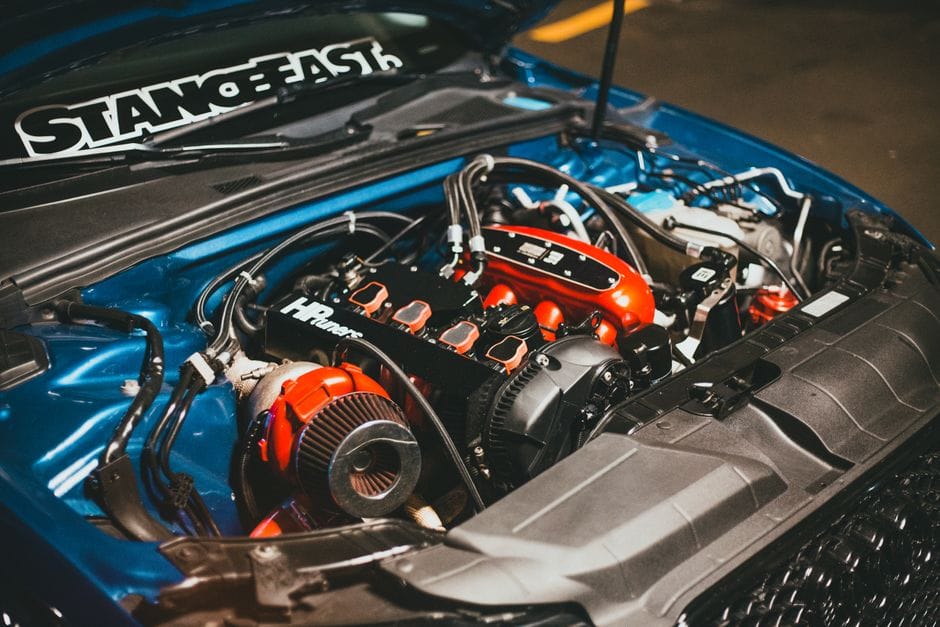
At its most fundamental level, a cold air intake works on a principle of physics: cooler air is denser air. When air temperature drops, its molecules pack more tightly together. That means a given volume of cold air contains more oxygen than the same volume of warm air. An internal combustion engine is essentially an air pump—it draws in air, mixes it with fuel, and ignites the mixture. The more oxygen available in each cylinder, the more fuel can be burned, and the more energy is released during combustion. This is why cold air intakes are designed to source air from outside the engine bay rather than from within it. The engine bay is a hostile thermal environment. Radiant heat from the exhaust manifold, the radiator fan, and the engine block itself easily raises under-hood temperatures to 150–200°F (65–93°C) during operation. By relocating the intake opening to the front bumper, fender well, or another point outside this heat zone, a cold air intake can reduce intake air temperature by 20–40°F compared to a stock air box drawing from inside the bay. That temperature drop translates directly into a denser air charge. The engine control unit (ECU) detects this via the mass airflow (MAF) sensor and intake air temperature (IAT) sensor. It then adds fuel and advances timing accordingly.
Cold Air Intake vs. Short Ram Intake: The Real Difference
The most common point of confusion among shoppers is the difference between a cold air intake and a short ram intake (SRI). Both replace the factory air box with a cone filter and a larger tube. But they differ in one critical way: where they draw air from. A short ram intake mounts the filter directly onto the throttle body or a very short tube, placing it inside the engine bay. This design is cheaper, easier to install, and produces a louder induction roar because the filter is right next to the engine. However, it draws hot under-hood air. That can actually reduce power in some cases compared to the stock air box—especially in stop-and-go traffic where heat soak is severe. A true cold air intake, by contrast, uses a longer tube that routes the filter down into the front bumper, fender, or lower grille area. There, it is exposed to cooler ambient air. This design sacrifices some throttle response due to the longer path. But it delivers measurably cooler air, which is why it is the preferred choice for enthusiasts chasing actual horsepower gains. Some hybrid designs, often called “cold air short rams,” use a heat shield or sealed box around the filter. This isolates it from engine heat while keeping the short tube length. These are a compromise that works well on many vehicles.
Top Picks


The 4 Core Attributes That Define a Quality Cold Air Intake
Filter Type: Dry vs. Oiled (and Why It Matters for Your MAF Sensor)
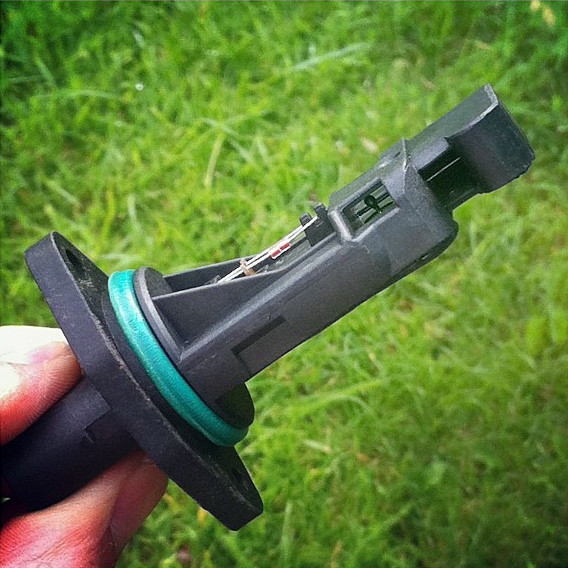
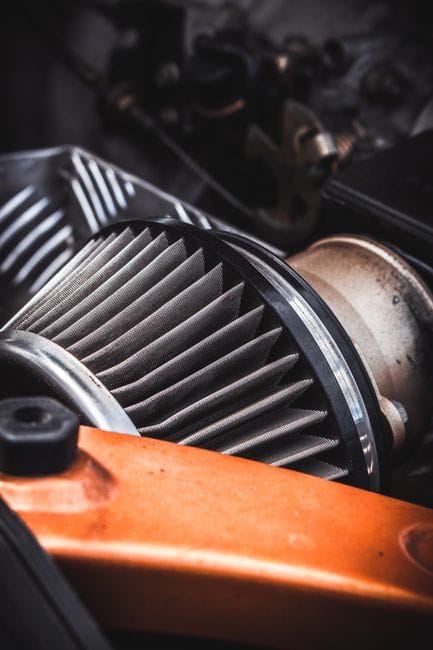
The air filter is the most critical component of any cold air intake. The choice between dry and oiled filter media has significant implications for both performance and engine health. Oiled filters—most famously cotton gauze from K&N and similar brands—use a layer of cotton mesh coated in a tacky oil. That oil traps dirt particles while allowing high airflow. These filters offer excellent flow characteristics and are reusable. They require cleaning and re-oiling every 25,000–50,000 miles. However, they carry a well-documented risk. If over-oiled, the excess oil can be drawn into the intake stream and coat the mass airflow sensor’s hot wire. That causes it to read incorrectly. A contaminated MAF sensor can trigger check-engine lights, rough idle, and reduced fuel economy. Dry filters, by contrast, use a synthetic or paper media that requires no oil. They flow slightly less air than an equivalent oiled filter. But they are safer for the MAF sensor and easier to maintain—just tap out the dirt or vacuum. They are often preferred by owners of modern vehicles with sensitive electronics. Some premium dry filters, such as AEM’s DryFlow, use a nanofiber coating that approaches the flow of oiled cotton without the contamination risk. For most daily drivers, a dry filter is the safer choice. For track-focused builds where maximum flow is paramount, an oiled filter with careful oiling technique is acceptable.
Intake Tube Material: Plastic vs. Aluminum vs. Carbon Fiber
The material of the intake tube affects heat transfer, weight, cost, and sound. Plastic (typically polyethylene or nylon) is the most common material for factory and budget aftermarket intakes. It is lightweight and inexpensive. Crucially, it is a poor conductor of heat, meaning it does not soak up engine bay heat and transfer it to the passing air. Plastic tubes are also quieter, dampening intake resonance. Aluminum tubes are popular in mid-range kits because they look aggressive, are easy to mandrel-bend into smooth curves, and are durable. However, aluminum is an excellent heat conductor. In a hot engine bay, an aluminum tube can heat the air passing through it by 10–20°F. That partially negates the benefit of a cold air filter location. Some manufacturers mitigate this with thermal barrier coatings or ceramic finishes. Carbon fiber is the premium option. It is extremely lightweight, has low thermal conductivity (similar to plastic), and looks exceptional under the hood. The downsides are cost—carbon fiber tubes can add $200–$300 to the price of a kit. Also, the visible weave is often a cosmetic wrap over a plastic or aluminum core, so you are paying partly for aesthetics. For most buyers, a high-quality plastic or coated aluminum tube is the best balance of performance and value.
Real-World Horsepower Gains: Dyno Data vs. Butt Dyno
Naturally Aspirated Engines: Where the Gains Are Real
On naturally aspirated (non-turbo) engines, a cold air intake can deliver measurable, repeatable gains. But the numbers are often more modest than marketing suggests. Independent dyno tests on popular platforms like the Honda K20, Ford Mustang 5.0, and Subaru EJ25 typically show gains of 5–15 horsepower at the wheels. The largest improvements occur in the mid-to-high RPM range where the stock air box becomes the bottleneck. The intake manifold and cylinder head design ultimately limit how much air the engine can ingest. A cold air intake cannot overcome those physical constraints. However, the throttle response improvement is often more noticeable than the peak power gain. The engine feels livelier when you stab the throttle because the larger tube and high-flow filter reduce restriction and allow the intake manifold to fill faster. On older vehicles with severely restrictive factory air boxes, gains of 15–20 horsepower are possible. This is especially true if the stock system uses a small inlet snorkel or a baffled resonator chamber designed to reduce noise at the expense of flow. For a naturally aspirated daily driver, a cold air intake is one of the best bang-for-buck modifications available. Provided you pair it with a free-flowing exhaust and a tune, you can take full advantage of the increased airflow.
Turbocharged and Supercharged Engines: The Tune Is the Real Bottleneck
On forced-induction engines, the cold air intake story is more complicated. A turbocharger or supercharger compresses air before it enters the engine, and that compression generates significant heat — often 200–300°F at the compressor outlet. The intercooler is responsible for cooling that compressed air before it reaches the intake manifold, and it is the intercooler, not the intake, that has the dominant effect on intake air temperature. A cold air intake on a turbo car primarily helps the turbo work less hard by reducing inlet restriction, which can lower turbo lag slightly and improve spool time. However, the actual horsepower gain is typically small — 3–8 horsepower on a stock turbo car — because the turbo is already forcing air in regardless of the intake’s location. The real gains on turbo cars come from an engine tune that increases boost pressure and adjusts fuel and timing maps. Many tuners report that a cold air intake alone on a modern turbo car yields negligible gains, but when combined with a tune, it can add 10–20 horsepower because the tune can take advantage of the reduced restriction and slightly cooler inlet air. If you own a turbo car and are on a budget, a tune should come first; the intake is a supporting modification, not a standalone power adder.
Sound, Maintenance, and Installation: What to Expect
Induction Noise: The Intake’s Hidden Appeal
For many enthusiasts, the sound is the primary reason to install a cold air intake. The stock air box is designed to muffle intake noise, using resonators and baffles to keep the cabin quiet. A cold air intake removes those restrictions, allowing the engine’s induction roar to be heard clearly. On a naturally aspirated engine, you get a deep, throaty growl under acceleration that turns into a sharp hiss as the throttle closes. On turbocharged engines, the intake amplifies the turbo spool whistle and the blow-off valve’s “psshh” sound. The character of the sound depends on the tube material and filter type: aluminum tubes tend to produce a sharper, more metallic note, while plastic and carbon fiber tubes produce a deeper, more muted tone. Oiled cotton filters are generally louder than dry synthetic filters because they flow more air. If sound is your priority, a short ram intake is actually the better choice — it mounts the filter directly on the throttle body, maximizing induction noise. A true cold air intake with a fender-mounted filter is quieter because the sound has to travel up a longer tube. Some manufacturers offer sound-deleting options or additional resonators if you want the performance without the noise.
Maintenance Intervals and Cleaning Procedures
A cold air intake requires more maintenance than a factory air box. The high-flow filter is designed to be cleaned and reused, but it needs attention on a regular schedule. Oiled cotton filters should be cleaned every 25,000–50,000 miles, or more frequently if you drive on dusty roads. The cleaning process involves removing the filter, spraying it with a dedicated cleaner, rinsing it with low-pressure water, allowing it to dry completely, and then applying the oil evenly. Over-oiling is the most common mistake — the oil should be applied lightly and allowed to wick into the cotton. Dry filters are simpler: remove, tap out loose dirt, and vacuum or rinse with water. They should be replaced every 50,000–75,000 miles rather than cleaned indefinitely. The intake tube itself should be inspected periodically for cracks, loose clamps, or oil residue. A dirty filter restricts airflow and negates the performance benefit, so staying on top of maintenance is essential. Budget for a cleaning kit ($15–$25) and factor in the time required — about 30 minutes for a thorough cleaning.
Installation Complexity and Time
Most cold air intakes are designed for DIY installation, and the difficulty ranges from easy to moderate depending on the vehicle. A typical installation involves removing the factory air box, disconnecting the MAF sensor wiring, unbolting the intake tube, and installing the new kit with its included brackets and clamps. On most vehicles, this takes 1–2 hours with basic hand tools — a socket set, screwdrivers, and pliers. Some vehicles are more challenging: fender-mounted intakes require removing the inner fender liner, which adds 30–60 minutes. Vehicles with tight engine bays or complex factory intake systems may require removing other components to access the air box. The most common installation mistakes are failing to tighten clamps sufficiently (causing air leaks), misaligning the MAF sensor (causing rough idle), and routing the intake too close to hot engine components. Most kits come with detailed instructions, and there are countless installation videos on YouTube for popular vehicles. If you are not comfortable working on your car, a professional installation typically costs $100–$200 at an independent shop.
Cost Breakdown: From Budget Kits to Premium Carbon Fiber
Budget Tier ($150–$250): What You Get and What You Sacrifice
The budget tier of cold air intakes includes brands like Spectre, Injen’s entry-level offerings, and generic eBay kits. These typically use a plastic or thin aluminum tube, a basic cone filter, and minimal bracketry. They deliver the core benefit — cooler air from outside the engine bay — but often with compromises. The filter quality may be lower, with less filtration efficiency and shorter lifespan. The tube may have rough internal surfaces or sharp bends that reduce airflow compared to a smoother, mandrel-bent design. Brackets may be flimsy, allowing the intake to shift and potentially rub against other components. Fitment can be imperfect, requiring modification or additional parts. That said, a budget kit is a reasonable starting point for a daily driver where you want the sound and a modest performance bump without spending much. Just be aware that you may need to replace the filter sooner and that the gains may be slightly lower than a premium kit due to less optimized tube routing.
Mid-Range Tier ($250–$450): The Sweet Spot for Most Buyers
The mid-range tier is where most enthusiasts should shop. Brands like K&N, AEM, Volant, and Mishimoto offer kits in this price range that combine quality construction with proven performance. You get mandrel-bent aluminum or high-quality plastic tubes with smooth internal surfaces, premium dry or oiled filters, solid mounting brackets, and often a heat shield or sealed air box. These kits are dyno-tested by the manufacturer, and independent tests generally confirm their claims. Fitment is precise, with vehicle-specific mounting points and hardware. The filters are high-quality and designed for long service life. This tier also includes some carbon-fiber-look options that use a cosmetic carbon wrap over plastic — you get the look without the full carbon price. For most vehicles, a mid-range kit is the best value: it delivers 90% of the performance of a premium kit at 60% of the price.
Premium Tier ($450–$700+): Carbon Fiber and Track-Ready Engineering
The premium tier is dominated by full carbon-fiber intakes from brands like Eventuri, GruppeM, and Dinan, as well as track-oriented systems from companies like Eventuri and MST. These kits use genuine carbon fiber tubes, which are lightweight and thermally insulating, and they often feature sophisticated air box designs that seal against the hood to force air through the filter. The engineering is meticulous: computational fluid dynamics (CFD) analysis is used to optimize tube length and diameter for the specific engine, and the filters are sourced from top-tier manufacturers. The result is a product that delivers the maximum possible performance gain and looks stunning under the hood. However, the gains over a good mid-range kit are typically small — 2–4 horsepower — and the price premium is steep. These intakes are for enthusiasts who value aesthetics, exclusivity, and the absolute best engineering, not for those seeking the best horsepower-per-dollar. If you are building a show car or a serious track machine, the premium tier is justified; for a daily driver, it is hard to rationalize.
Installation Costs and Hidden Expenses
Beyond the purchase price of the intake itself, there are several costs that first-time buyers often overlook. Professional installation, if you choose not to DIY, typically runs $100–$200 depending on the vehicle and the complexity of the install. If your vehicle requires a tune to fully realize the gains — common on modern turbocharged cars — a custom dyno tune or an off-the-shelf flash tune will add $300–$700. Some vehicles also require a MAF sensor recalibration or a larger MAF housing, which can add another $100–$300. Cleaning kits for oiled filters cost $15–$25 and should be purchased at the same time as the intake. If you live in a dusty or sandy environment, you may need to replace the filter more frequently, adding $40–$80 per replacement. Finally, some cold air intakes — particularly fender-mounted designs — can interfere with aftermarket bumpers, fog lights, or splash shields, requiring modification or relocation that adds labor costs. When budgeting, add 20–30% to the sticker price to cover these hidden expenses.
Risks and Drawbacks: Hydro-Lock, Heat Soak, and Warranty Concerns
Hydro-Lock: The Fender-Mounted Filter Danger
The most serious risk associated with cold air intakes is hydro-lock — the engine ingesting water through the intake, which can cause catastrophic internal damage. Because true cold air intakes mount the filter low in the front bumper or fender well, they are vulnerable to water ingestion when driving through deep puddles, flooded roads, or heavy rain with standing water. If the filter is submerged, water can be drawn into the engine, and since water is incompressible, it can bend connecting rods, crack pistons, or destroy the cylinder head. The stock air box is typically mounted higher in the engine bay, which provides natural protection against water ingestion. Some manufacturers offer hydro-shield or water-repellent filter covers, but these reduce airflow and are not a guarantee of safety. If you live in an area with heavy rainfall or frequent flooding, a short ram intake or a cold air intake with a high-mounted filter is a safer choice. Alternatively, you can install a bypass valve that shuts off airflow when water is detected, but these are rare and add cost. The general rule: if you cannot see the bottom of a puddle, do not drive through it with a fender-mounted cold air intake.
Heat Soak in Stop-and-Go Traffic
Even a true cold air intake can suffer from heat soak in certain driving conditions. When the vehicle is stationary or moving slowly, the air around the filter can become heated by radiant heat from the engine, the exhaust, and the asphalt. The filter sits in a relatively enclosed space — the bumper or fender well — and without airflow, that space can heat up significantly. Once you start moving again, the cooler outside air flushes the hot air out, but there is a lag of several seconds during which the engine is drawing in warmer air than intended. This is more of a concern in stop-and-go city traffic than on the highway. Heat shields and sealed air boxes mitigate this by isolating the filter from engine bay heat, but they cannot completely eliminate it. Some premium intakes use thermal barrier coatings or reflective materials to minimize heat transfer. If most of your driving is in heavy traffic, the heat soak effect can reduce the real-world benefit of a cold air intake compared to a short ram — the short ram may actually perform similarly in those conditions because both are drawing in hot air.
Warranty and Emissions Considerations
Installing a cold air intake can have implications for your vehicle’s warranty and emissions compliance. Under the Magnuson-Moss Warranty Act, a manufacturer cannot void your warranty simply because you installed an aftermarket part — they must prove that the part caused the failure. However, if the intake causes a problem — such as a contaminated MAF sensor or an engine failure from hydro-lock — the dealership can deny coverage for that specific repair. Some dealerships are more aggressive than others about denying warranty claims on modified vehicles, so it is worth checking with your dealer before installing an intake on a new car. Regarding emissions, most cold air intakes are not CARB-approved (California Air Resources Board), which means they are technically illegal for street use in California and other states that follow CARB rules. In practice, enforcement is rare, but you may fail an emissions inspection if the intake visibly alters the emissions system or triggers a check-engine light. Some manufacturers offer CARB-approved versions of their intakes with an Executive Order (EO) number; these are the safe choice if you live in a regulated state.
Cold Air Intake vs. High-Flow Drop-in Filter: Is the Full Kit Worth It?
The Drop-in Filter Alternative
Before committing to a full cold air intake, consider the high-flow drop-in filter. This is a simple replacement filter that fits inside your existing factory air box, using the same housing and intake tube. Brands like K&N, AEM, and Fram offer drop-in filters that use high-flow media — typically oiled cotton or dry synthetic — to reduce restriction while maintaining the factory air box’s heat isolation and water protection. The gains are smaller than a full cold air intake — typically 2–5 horsepower on naturally aspirated engines — but the cost is significantly lower, usually $40–$80. Installation takes five minutes and requires no tools. The drop-in filter also preserves your factory warranty position, maintains the stock intake sound, and eliminates hydro-lock risk entirely. For many drivers, especially those with modern turbocharged engines where the intake is not the bottleneck, a drop-in filter is the smarter purchase. It delivers most of the airflow improvement at a fraction of the cost and with none of the risks.
When a Full Cold Air Intake Makes More Sense
The full cold air intake becomes the better choice when you have already exhausted other modifications and are chasing every last horsepower. If you have a naturally aspirated engine with a free-flowing exhaust, a tune, and upgraded headers, the stock air box is likely the next restriction in the system. A full cold air intake removes that bottleneck and can add 5–10 horsepower on top of your existing modifications. It also provides a more aggressive induction sound, which many enthusiasts value regardless of the power gain. If you are building a track car or a show car, the aesthetic and performance benefits of a full intake justify the cost. Also, if your vehicle has a particularly restrictive factory air box — some manufacturers use convoluted tubing with multiple resonators that strangle airflow — a full intake can yield gains of 15 horsepower or more. In these cases, the cold air intake is not just a nice-to-have; it is a necessary upgrade to unlock the engine’s potential.
How to Choose the Right Cold Air Intake for Your Vehicle
Vehicle-Specific Research: Forums, Dyno Threads, and Owner Reviews
The most reliable way to choose a cold air intake is to research what works on your specific vehicle. Every engine responds differently to intake modifications, and a kit that delivers excellent gains on one platform may be underwhelming on another. Start by visiting vehicle-specific forums — such as the Mustang6G forum for S550 Mustangs, the CivicX forum for 10th-gen Civics, or the F150forum for EcoBoost trucks. Search for dyno threads where owners have posted before-and-after results, and look for patterns: which brands consistently show the best gains, which have fitment issues, and which cause MAF sensor problems. Owner reviews on sites like Amazon and AutoZone are also useful, but be wary of overly positive reviews from buyers who have not dyno-tested their car. Cross-reference the manufacturer’s claimed gains with independent tests. A reputable manufacturer will publish dyno charts and provide detailed technical specifications. If a brand makes vague claims without data, treat it with skepticism.
Matching the Intake to Your Driving Style and Goals
Your driving habits should dictate the type of intake you buy. If you drive mostly on the highway and want maximum horsepower, a true cold air intake with a fender-mounted filter is the right choice — it delivers the coolest air and the largest gains at speed. If you drive mostly in the city or in stop-and-go traffic, a short ram intake or a cold air intake with a heat shield may be more practical, as the heat soak effect reduces the advantage of a fender-mounted filter in those conditions. If you live in an area with heavy rain or flooding, prioritize a high-mounted filter or a short ram to avoid hydro-lock risk. If you want the loudest induction noise, a short ram is the clear winner. If you want a subtle sound with
maximum performance, a true cold air intake with a sealed air box is the better option. Consider your long-term plans as well: if you intend to add forced induction later, a short ram intake may be a better foundation since turbo kits often include their own intake piping. If you are keeping the car naturally aspirated, a cold air intake is a worthwhile investment. Finally, think about maintenance — if you dislike cleaning filters, a dry filter is the lower-maintenance choice. By matching the intake to your specific driving environment and goals, you avoid wasting money on a product that does not suit your needs.
Top Cold Air Intake Brands and What They Offer
K&N: The Industry Standard
K&N is the most recognized name in aftermarket intakes, and for good reason. Their cotton gauze filters are legendary for flow and filtration, and their cold air intake kits are available for virtually every popular vehicle. K&N offers both dry and oiled filter options, with the oiled cotton being their signature product. Their kits are well-engineered, with mandrel-bent aluminum tubes and precise fitment. The company provides a million-mile warranty on their filters, which is a strong statement of confidence. The downsides are that K&N kits are often priced at the higher end of the mid-range tier, and the oiled filters require careful maintenance to avoid MAF sensor contamination. For most buyers, K&N is a safe, proven choice.
AEM: The Dry Filter Pioneer
AEM is known for their DryFlow synthetic filters, which offer the flow of oiled cotton without the maintenance hassle. Their cold air intake kits are popular on Japanese and American vehicles, and they were among the first to offer CARB-approved versions of their intakes. AEM’s kits use high-quality aluminum or plastic tubes with smooth internal surfaces, and their filter design is excellent at trapping dirt while maintaining high airflow. The DryFlow filters are washable and require no oiling, making them the low-maintenance choice. AEM also offers a “Brute Force” line for trucks and SUVs, which uses a larger filter for even higher flow. If you want the performance of an oiled filter without the risk, AEM is the brand to choose.
Injen: The Technology Leader
Injen is known for their “MR Technology” (Multi-Resolution) intake tubes, which use a series of stepped diameters to create a resonance effect that broadens the torque curve. Their kits are engineered using computational fluid dynamics and are dyno-tested on the specific vehicle. Injen offers both cold air and short ram configurations, and their filters use a proprietary nano-fiber dry media that flows exceptionally well. The company also provides a “Super Nano-Web” filter option that offers even higher filtration efficiency. Injen kits are priced in the mid-to-premium range, and their fitment is generally excellent. If you want a scientifically engineered intake that maximizes low-end torque, Injen is a top contender.
Volant: The Heat Shield Specialist
Volant focuses on cold air intakes with sealed air boxes and heat shields, making them a great choice for drivers who want the benefits of a cold air intake without the heat soak issues. Their kits use a powder-coated aluminum tube and a high-flow dry filter, and the sealed air box draws air from a dedicated cold air scoop. Volant’s designs are particularly effective on trucks and SUVs, where the engine bay is large and heat soak is a significant concern. Their kits are priced in the mid-range tier and are known for their solid construction and easy installation. If you drive a truck or a large SUV, Volant is worth serious consideration.
Final Verdict: Do You Actually Need a Cold Air Intake?
When It Is a Smart Purchase
A cold air intake is a smart purchase if you drive a naturally aspirated vehicle and want a modest, reliable horsepower gain with improved throttle response. It is also a good choice if you value the induction sound and the aesthetic upgrade under the hood. For older vehicles with restrictive factory air boxes, the gains can be substantial, making the intake one of the best value modifications available. If you are building a track car or a show car, a cold air intake is a necessary component to maximize performance and visual appeal. Finally, if you plan to pair it with a tune and an exhaust, the intake becomes part of a comprehensive performance package that delivers meaningful, cumulative gains.
When You Should Skip It
You should skip a cold air intake if you drive a modern turbocharged car and are on a budget — a tune will deliver far more power for the same money. You should also skip it if you live in an area with frequent flooding or deep puddles, as the hydro-lock risk is not worth the modest gains. If you dislike maintenance, the cleaning requirements of an oiled filter may be a dealbreaker, and you should either choose a dry filter or stick with the factory air box. If your vehicle is still under warranty and you are concerned about dealership pushback, a drop-in filter is a safer alternative. Finally, if you are not planning any other modifications, the gains from a cold air intake alone may not be noticeable in daily driving — the butt dyno often overestimates the improvement, and the money might be better spent on tires, brakes, or a professional detail.
You might also like: best air filter brand, best fuel additive, fuel economy mods
Related: Clutch Adjustment Guide: Cable & Self-Adjusting Clutches