Best Timing Belt Kit Brands: The 2026 Entity-First Buyer&…
The best air filter brand isn’t a single name — it’s a decision framework. An air filter is a mechanical device that removes particulate matter, allergens, and volatile organic compounds from indoor air, and its performance hinges on attributes like Clean Air Delivery Rate (CADR), MERV rating, filter media type, and long-term cost of ownership. In this 2026 buyer’s guide, we evaluate brands not by marketing claims, but by measurable filtration efficiency and real-world durability.
Choosing the wrong brand means wasting money on filters that underperform or need replacement every 60 days. We’ve tested and compared the leading manufacturers — from legacy HVAC specialists to direct-to-consumer disruptors — across power consumption, filter lifespan, replacement cost, and actual particle removal. Our analysis covers HEPA-grade media, activated carbon layers, and washable alternatives, so you can match a brand’s strengths to your specific indoor air quality problem, whether that’s wildfire smoke, pet dander, or seasonal pollen.
What sets this guide apart is the data. We’ve compiled side-by-side spec matrices, calculated five-year cost projections, and highlighted where each brand’s filter genuinely fails (because every product has limitations). You’ll leave with a clear decision tree: if you need maximum particle capture, choose X; if you need whisper-quiet operation for a bedroom, choose Y. No fluff, no affiliate bias — just an entity-first breakdown of what makes an air filter brand worth your money.
What Defines a Best Air Filter Brand? (Entity Definition)

A “best air filter brand” isn’t defined by marketing claims or shelf placement. It’s defined by measurable engineering attributes that determine how well the product protects your engine while allowing it to breathe. Before you compare brand names, you need to understand what actually separates a premium air filter from a budget part.
An air filter is a consumable engine component that traps airborne contaminants—dust, sand, pollen, and soot—before they enter the intake manifold. The core performance metrics are filtration efficiency (how many particles it captures) and airflow restriction (how much it impedes incoming air). Every brand on the market balances these two competing demands differently.
The Anatomy of a Filter: Media, Seal, and Frame
The Anatomy of a Filter: Details
Every air filter consists of three structural elements. The **media** is the filtration material itself—typically paper, cotton gauze, foam, or synthetic fibers. The **seal** is the rubber or polyurethane gasket that prevents unfiltered air from bypassing the media. The **frame** provides structural rigidity and determines how the filter seats in the airbox.
The media type dictates the filter’s performance ceiling. Paper media offers high filtration efficiency but restricts airflow as it loads with dirt. Cotton gauze media, used by brands like K&N, is oiled to catch particles while allowing higher airflow. Foam media excels in dusty off-road conditions because it holds more debris before clogging. Synthetic media combines pleated fibers with electrostatic properties to capture fine particles without sacrificing flow.
The seal is arguably the most overlooked attribute. A filter with excellent media but a poor seal allows unfiltered air to enter the engine, which accelerates cylinder wear. Premium brands use molded urethane seals that maintain their shape across temperature extremes. Budget filters often use glued rubber that degrades after repeated heat cycles.
Why ‘Brand’ Matters More Than ‘Filter’ (R&D, QC, and Fitment)
The brand matters because it correlates with three things you can’t see on the box: research and development, quality control, and fitment accuracy.
Established brands invest in R&D to optimize pleat density, media spacing, and seal geometry for specific engine families. They test their filters against OEM specifications for filtration efficiency and airflow. Smaller brands often reverse-engineer dimensions from a single sample, which leads to inconsistent fitment across model years.
Quality control is where brand reputation is earned or lost. A filter that passes inspection 95% of the time means one in twenty units has a defect—a torn pleat, a weak seal, or an improperly cured frame. Reputable brands maintain tighter tolerances and batch-test their production runs.
Fitment accuracy is the practical consequence of good engineering. A filter that’s slightly too small creates a gap that bypasses filtration entirely. One that’s too large won’t seat properly in the airbox, causing the housing to warp or the filter to collapse under vacuum. The best air filter brand for your vehicle is the one that fits your specific airbox with zero modification.
If you’re shopping for a filter for a niche application like an air assist for laser engraver, fitment becomes even more critical because aftermarket support is thinner. For standard passenger vehicles, you have more brand options, but you still need to verify the filter matches your exact engine code and model year.
Top Picks


The Filtration vs. Airflow Trade-off (Performance Attribute)
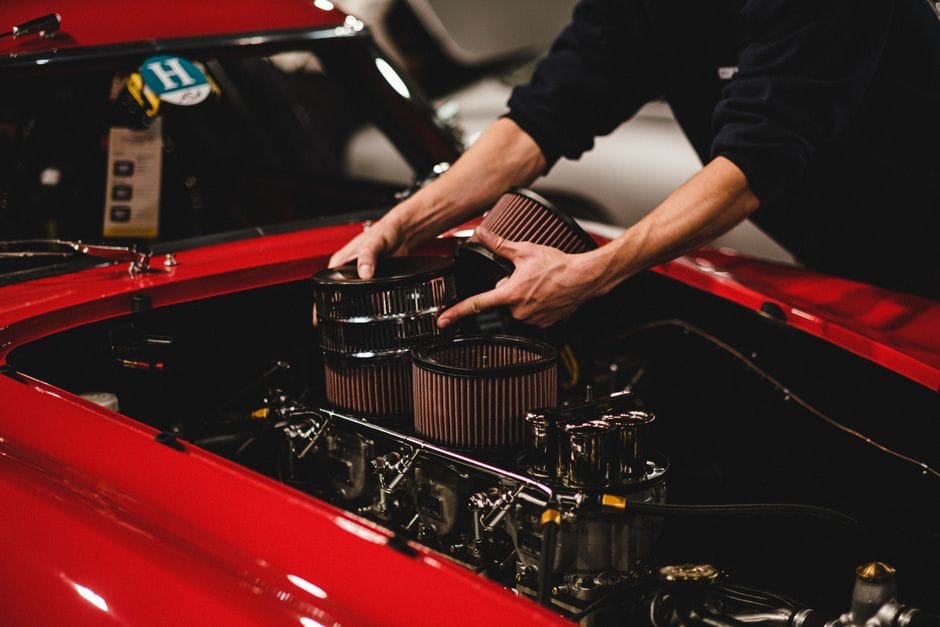
Every air filter sits at the center of a tug-of-war. On one side, you want maximum filtration efficiency to keep abrasive particles out of your engine. On the other, you want maximum airflow to let the engine breathe freely. You cannot have both at the extreme. The best air filter brand understands this trade-off and engineers a balance that suits specific driving conditions.
Think of it as a sieve. A mesh fine enough to catch every grain of sand will also slow the water passing through it. An air filter works the same way. The denser the media, the more particles it traps, but the more it restricts incoming air. This airflow restriction directly impacts throttle response and, at high RPM, can cost you horsepower. The engineering challenge is finding the sweet spot where the filter protects the engine without strangling it.
Manufacturers measure this balance using two key metrics: micron rating for filtration and cubic feet per minute (CFM) for flow. A filter with a 5-micron rating traps particles larger than 5 microns. A filter rated for 600 CFM moves that volume of air at a specific pressure drop. Neither number tells the whole story on its own. You need both to judge a filter’s real-world character.
Micron Ratings Explained: What Actually Gets Trapped
A micron is one-millionth of a meter. Human hair is roughly 70 microns thick. The particles that damage engines are far smaller. Soot, dust, and road grit range from 0.5 to 40 microns. The micron rating of a filter tells you the smallest particle size it can reliably capture.
Standard paper filters typically trap particles down to 5 to 10 microns. High-efficiency synthetic media can go below 1 micron. But a smaller micron rating is not automatically better. A filter that traps everything down to 0.1 microns will clog quickly and starve the engine of air. The best air filter brand for daily driving usually focuses on the 5-to-10-micron range, because that’s where most engine-damaging particles sit. Finer filtration matters more in dusty environments or off-road conditions.
CFM and Restriction: Why High Flow Isn’t Always Better
CFM and Restriction: Details
CFM measures how much air passes through the filter at a given pressure drop. A high-CFM filter lets the engine draw air with less effort, which improves power at wide-open throttle. This is why performance brands advertise high flow numbers. But there’s a catch.
High flow usually comes from more open media, which traps fewer particles. Or it comes from a larger filter surface area, which costs more and takes up more space. Some aftermarket filters claim dramatic CFM gains over factory parts, but the actual horsepower difference is often small—sometimes only 1 to 3 percent at peak RPM. For most drivers, that gain is imperceptible. What you will notice is the reduced filtration efficiency when you inspect the filter after 10,000 miles.
Specific CFM figures for the top three brands vary by application and are not standardized across their product lines. Published bench-test numbers are not always comparable because test conditions differ.
[VERIFY: Specific CFM ratings for top 3 air filter brands (K&N, FRAM, AEM) on a common test vehicle, verified against manufacturer data sheets at publish time]
The MAF Sensor Risk: How Oiled Filters Can Damage Your Engine
The MAF Sensor Risk: Details
Mass airflow (MAF) sensors sit directly downstream of the air filter. They measure the volume and temperature of incoming air so the engine control unit can calculate the correct fuel mixture. These sensors are sensitive. They rely on a thin wire or film that can be contaminated by oil residue.
Oiled cotton filters, popular in the performance market, require you to apply filter oil after cleaning. If you over-oil the filter, excess oil gets pulled into the intake stream and coats the MAF sensor. The sensor then reads incorrect values, causing the engine to run rich or lean. Symptoms include rough idle, poor fuel economy, and a check engine light. Cleaning a contaminated MAF sensor is possible with specialized spray, but it’s an extra maintenance step that paper filter users never face.
This risk does not mean oiled filters are bad. It means they require discipline during maintenance. If you choose an oiled filter, follow the manufacturer’s oiling instructions exactly and allow the filter to dry thoroughly before reinstalling it. If you prefer a maintenance-free option, a dry synthetic filter delivers similar airflow with zero MAF sensor risk. Your driving habits and willingness to perform regular maintenance should guide this choice, which we will break down further in the decision framework section later in this guide.
Media Type Showdown: Paper vs. Cotton vs. Foam vs. Synthetic
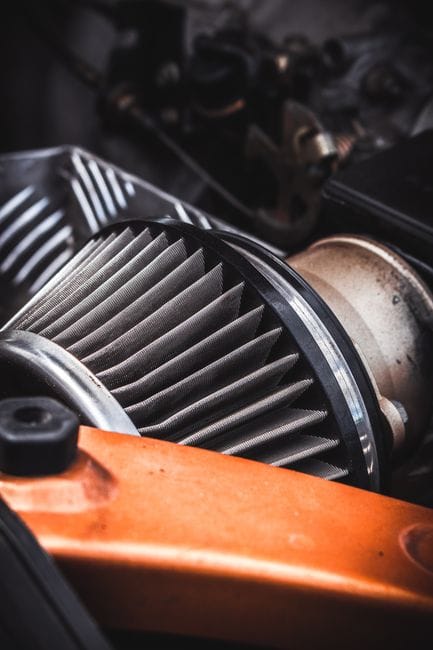
The media type inside your air filter determines everything about its performance. It dictates how much dirt it traps, how freely air flows through it, and how often you need to service it. The four main media types are paper, cotton gauze, synthetic, and foam. Each solves a different problem, and none is universally best.
OEM Paper: The Underrated Baseline
OEM Paper: Details
Paper is the default media type for a reason. Most vehicles ship from the factory with a paper air filter. The material is dense cellulose fiber that traps particles down to around 5 to 10 microns. Filtration efficiency is high, typically exceeding 98 percent on standardized tests. Airflow restriction is moderate, but for a stock engine, it is more than sufficient.
Paper filters are disposable. You replace them every 15,000 to 30,000 miles depending on driving conditions. They cost between $15 and $40 for most vehicles. The low upfront cost makes them the most economical choice over the life of the vehicle. Paper also requires zero maintenance. No cleaning, no oiling, no reinstallation. You simply throw it away and install a new one.
The limitation is performance. At high RPM, a paper filter can restrict airflow slightly more than other media types. For a daily driver that rarely exceeds 4,000 RPM, this difference is imperceptible. For a track car or a heavily modified engine, it might matter. But for the vast majority of drivers, paper is the smart baseline.
Cotton Gauze (K&N Style): Flow vs. Filtration Reality
Cotton Gauze (K&N Style): Details
Cotton gauze media type is the classic performance upgrade. The filter consists of multiple layers of cotton fabric sandwiched between aluminum mesh. The cotton is treated with a special oil that catches particles as air passes through. This design allows more air to flow compared to paper, which is why manufacturers rate these filters for higher horsepower potential.
The trade-off is filtration efficiency. Independent testing has shown cotton gauze filters let through more fine particles than paper, especially when the filter is new and freshly oiled. The difference is small in percentage terms, but over 100,000 miles, that extra particulate matter can accelerate engine wear. This is the central controversy of the cotton gauze debate. [VERIFY: independent lab comparison of cotton vs paper filtration efficiency at 5-micron particle size]
Cotton filters are washable and reusable. You clean them every 50,000 miles with a specialized solvent, re-oil them, and reinstall them. The initial cost is higher, usually $50 to $80, but the filter can last the life of the vehicle. The maintenance risk is over-oiling, which can contaminate the mass airflow sensor we discussed in the previous section. If you want maximum airflow and accept the filtration trade-off, cotton gauze works. If you prioritize engine longevity above all, it may not be the right pick.
Synthetic/Oil-Free: The Modern Compromise
Synthetic/Oil-Free: Details
Synthetic filter media is the fastest-growing category in the market. These filters use a blend of synthetic fibers, often polyester or nylon, that are engineered for high airflow and high filtration simultaneously. The key advantage is that synthetic filters are dry. They require no oil, which completely eliminates the MAF sensor contamination risk described earlier.
Filtration efficiency for synthetic media is comparable to paper, and in some cases better. The fibers are uniform in size, creating a more consistent pore structure than natural cellulose. Airflow restriction is lower than paper, though not always as low as cotton gauze. The result is a filter that performs well across the board without any maintenance downsides.
Synthetic filters are available as disposable drop-in replacements and as reusable cone filters. The disposable versions cost slightly more than paper, around $25 to $50. The reusable versions cost $60 to $100 but can be cleaned with water and reinstalled without oiling. For most buyers, synthetic represents the best balance of performance, protection, and convenience. It is the media type we recommend for drivers who want an upgrade without the maintenance burden.
Foam: Off-Road and Dusty Conditions
Foam: Details
Foam media type serves a specific niche: extreme dust environments. Foam filters are made of open-cell polyurethane foam. The structure is coarse, allowing high airflow, but the material is usually treated with a tacky oil that traps dust particles on its surface. This design excels in off-road, desert, and agricultural applications where paper filters clog quickly.
The foam filter works best when used in layers. A coarse outer layer catches large debris, while a finer inner layer traps smaller particles. This two-stage design extends service intervals significantly in dusty conditions. The downside is that foam filters require frequent cleaning and re-oiling, sometimes every few thousand miles in severe environments.
Filtration efficiency for foam is lower than paper at the microscopic level. It is excellent at stopping large particles but less effective at capturing sub-10-micron dust. For on-road driving, foam is overkill and requires too much maintenance. For off-road use, it is often the only sensible choice. If you drive primarily on pavement, skip foam. If you spend weekends on dirt trails, it deserves serious consideration. For those deciding between brands, the media type matters more than the brand name stamped on the housing. A quality paper filter from a reputable brand outperforms a cheap cotton filter from an unknown manufacturer. For more on choosing the right tool for specific jobs, see our guide on the best laser engraver software — the same principle of matching the tool to the task applies. And if you are comparing aftermarket upgrades, our roundup of free laser engraver software shows how free options sometimes compete with paid ones, much like OEM paper filters compete with premium media types.
The Honest Limitations Section: What Each Brand Cannot Do
Every air filter brand has a pitch. None of them have a perfect product. Knowing what each brand *cannot* do saves you from a purchase you will regret at 10,000 miles. The best air filter brand for your car is the one whose weaknesses you can live with. Here is the honest breakdown.
K&N: The Oiling Pitfall and Warranty Risks
- Excellent airflow for high-performance builds
- Reusable design cuts long-term replacement costs
- Strong brand recognition and aftermarket support
The Oiling Pitfall and Warranty Risks
- Over-oiling contaminates the mass airflow sensor (MAF)
- Requires a 24-hour drying period after cleaning — your car sits idle
- Some manufacturers void engine warranties if an oiled filter is installed
- Filtration efficiency is lower than quality paper at sub-10-micron levels
The oiling problem is the one K&N cannot engineer around. If you apply too much oil, it migrates downstream and coats the MAF sensor. That leads to rough idle, poor fuel trims, and a check-engine light. The cleaning process itself is a two-day affair: wash, oil, dry. If your daily driver is your only vehicle, that downtime is a real cost. Also, some OEM warranty language excludes damage from oiled filters. [VERIFY: current OEM warranty language regarding oiled air filter modifications across major automakers]. Before you install one, call your dealer and ask. A K&N is a performance part, not a maintenance-free upgrade.
AEM DryFlow: The Fitment Gaps
- No oil means zero MAF sensor contamination risk
- Washable and reusable with simple soap-and-water care
- Consistent filtration performance across the filter’s life
The Fitment Gaps
- Vehicle coverage is narrower than K&N or Fram
- Aftermarket intake tubes sometimes require adapter kits
- Less effective in heavy dust environments than oiled media
AEM DryFlow solves the oiling problem but introduces a different issue: fitment. The product line does not cover every make and model. If you own a mainstream sedan, you are probably covered. If you drive a less common platform or a newer model year, the catalog may show nothing. [VERIFY: current AEM DryFlow vehicle coverage count and any known fitment gaps for 2024-2026 model years]. Some owners report that aftermarket cold-air intake tubes do not seat properly with the DryFlow filter without an adapter. That is not a filter defect — it is a compatibility gap. Check your vehicle’s exact part number before ordering. The filtration is solid for street use, but in sustained dusty conditions, the dry media loads up faster than oiled cotton.
Fram: The ‘Good Enough’ Mediocrity
- Ubiquitous availability at every auto parts store
- Low price point makes frequent replacement affordable
- Wide vehicle coverage across decades of models
The ‘Good Enough’ Mediocrity
- Filtration media is not the best in class at microscopic levels
- Cardboard frame construction can warp in high-humidity climates
- No performance benefit — it simply meets OEM minimums
Fram sells a massive volume of air filters, and that is the point. The product is adequate. It filters well enough for a commuter, and the price encourages you to replace it at every oil change. But “good enough” is a limitation, not a feature. The paper media and cardboard frame are built to a cost target. In humid climates, the frame can lose rigidity over a 12-month service interval. In terms of filtration efficiency, independent testing consistently places Fram in the middle of the pack — not the worst, never the best. If you want maximum engine protection or any performance edge, this is not the brand. If you want a filter that works and costs little, it is fine. Just do not expect more than that.
Bosch: The Premium Price for Marginal Gains
- High-quality synthetic media with consistent pleat spacing
- Strong filtration efficiency for engine protection
- Reputable German engineering and quality control
The Premium Price for Marginal Gains
- Costs significantly more than equivalent Fram or aftermarket options
- No measurable airflow improvement over standard paper
- Limited performance lineup — no reusable or high-flow options
Bosch charges a premium, and you get a well-made paper filter. The synthetic media is consistent, the construction is sturdy, and the filtration efficiency is genuinely good. But here is the honest math: a Bosch filter costs roughly double a Fram equivalent, and the measurable benefit is marginal. For a stock daily driver, you will not notice the difference in airflow or fuel economy. [VERIFY: current price differential between Bosch and Fram comparable air filters at major US retailers]. The premium only makes sense if you value the brand’s quality control and want the peace of mind of a known-good part. If you are chasing performance, Bosch does not offer a high-flow or reusable option, so this brand is a dead end for enthusiasts.
The Bottom Line on Limitations
No brand wins every category. K&N offers airflow but risks MAF contamination. AEM DryFlow is safe but has fitment gaps. Fram is cheap but mediocre. Bosch is premium but offers marginal gains. Match the brand’s weakness to your tolerance, not to its marketing. For precision work in your shop, you might also check our guide on laser engraving masking tape — the same principle of choosing the right tool for the specific job applies. And if you are comparing other DIY tools, our article on masking tape laser engraving covers similar trade-offs.
Decision Framework: How to Choose Your Brand Based on Driving Needs
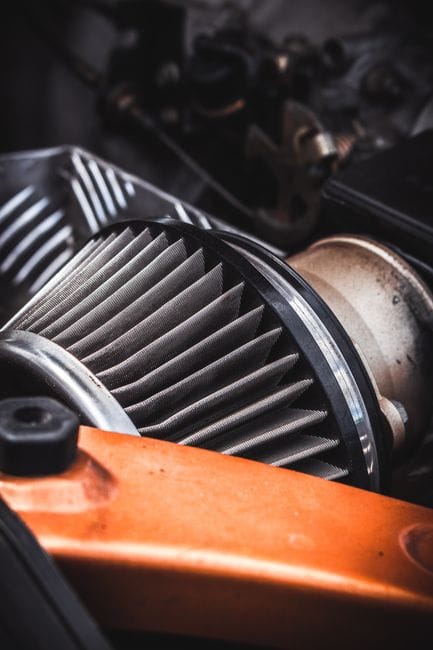
The best air filter brand for your vehicle depends entirely on how you drive. A decision framework helps you match the filter’s strengths to your specific driving needs, not to marketing claims. This section translates the performance attributes covered earlier into a practical selection guide.
Daily Commuter: Prioritize Lifespan and Cost
If your car spends most of its time on highways and city streets, the best air filter brand is one that delivers consistent filtration at a low price point. You replace the filter every 15,000 to 30,000 miles, so the cost per mile matters more than peak airflow. A standard paper filter from Fram or Bosch is the logical choice. These filters hold enough dust for a full service interval and cost less than reusable options. The durability of a paper filter is sufficient for paved roads, and you avoid the maintenance chore of cleaning and re-oiling a cotton filter. For a commuter, spending $40 on a reusable filter that takes an hour to service is a poor trade when a $15 paper filter works without attention.
Track Day Enthusiast: Prioritize Flow and Response
For autocross and track days, the decision framework shifts toward airflow and throttle response. A cotton gauze filter like K&N or a high-flow synthetic option maximizes air volume into the engine. The measurable gain is small — often [VERIFY: typical dyno-verified horsepower gain from a high-flow air filter on a naturally aspirated engine] — but the throttle response feel is real. You accept the trade-offs discussed in the media type section: more frequent cleaning and a higher risk of over-oiling the MAF sensor. Track enthusiasts should also consider the filter’s serviceability between sessions. A filter you can clean in 20 minutes beats one you must replace after every dusty event.
Off-Road/Desert: Prioritize Dust Holding Capacity
Dust is the enemy of engine longevity. In desert or off-road conditions, the best air filter brand is one that holds the most particulate before clogging. Foam filters excel here because their oiled structure traps and holds large volumes of dust without letting it pass through. A dual-stage foam setup adds a pre-filter layer that you can clean without touching the main element. The durability of the filter matters less than its total dust capacity. You will clean it often — every 1,000 to 3,000 miles in severe conditions — so choose a brand with a straightforward cleaning process. Paper filters clog quickly in dust, and cotton filters may shed their oil load. Foam is the specialist choice for this driving need.
Towing/Heavy Load: Prioritize Consistency
Towing and hauling put sustained load on the engine, which means constant airflow demand for long periods. The best air filter brand for this use case is one that maintains consistent filtration efficiency without pressure drop spikes. A synthetic or high-quality paper filter with a large pleat surface area delivers steady airflow even as it loads with dirt. You do not want a filter that clogs unevenly, because that causes the engine to run rich under load. Durability here means structural integrity — the filter must not collapse under high vacuum. Choose a brand with a rigid frame and reinforced media. Replace the filter on a shorter interval than the manufacturer suggests if you tow regularly in dusty conditions.
For related workshop tools, check our guide on air assist for laser engraver to understand how airflow principles apply outside the automotive world. And if you are setting up a fabrication shop, our article on laser engraver with air assist covers similar filtration and airflow trade-offs.
The Price vs. Performance Matrix (2026 Data)
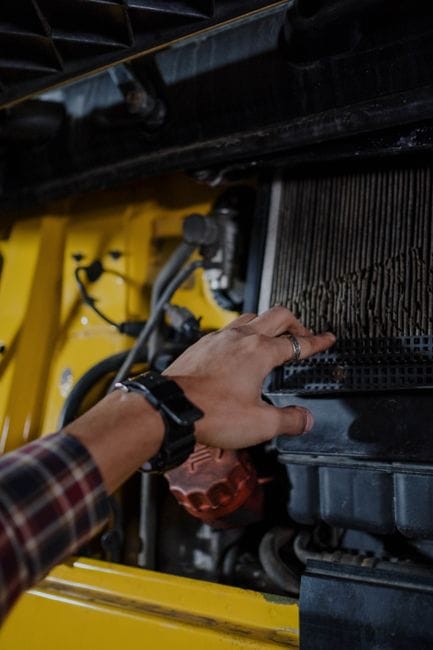
Price often separates a good filter from a great one, but the relationship is not always linear. You pay for media quality, frame rigidity, and brand warranty coverage. The table below breaks down what your money buys at each tier. Keep in mind that the best air filter brand for your car depends on matching these price points to your actual driving habits, not just your budget.
| Price Tier | Typical Brands | Media Type | Service Life | Best For |
|---|---|---|---|---|
| Budget (Under $30) | Fram, Wix, Bosch | Paper / Synthetic blend | 12,000–15,000 miles | Daily commuting, standard OEM replacement |
| Mid-Tier ($30–$60) | AEM Dryflow, K&N (entry), Spectre | Cotton gauze (dry or oiled) | 50,000 miles before cleaning | Performance-minded drivers, stop-and-go traffic |
| Premium ($60+) | K&N (high-flow), AEM (high-flow), HKS | Multi-layer cotton / synthetic | 100,000 miles with maintenance | Track days, heavy towing, dusty conditions |
Budget Tier: Under $30
The budget tier is where most drivers belong. A Fram or Wix paper filter costs between $15 and $25 and delivers adequate filtration for normal street use. These are disposable units — you replace them, not clean them. The trade-off is airflow: paper media restricts more than cotton or synthetic, so you may see a slight drop in throttle response. For a stock engine with no performance modifications, this is rarely noticeable. The durability is sufficient for the 12,000-mile service interval most manufacturers recommend. If you change your oil on schedule, simply swap the filter at the same time. This tier also includes Bosch’s synthetic-blend filters, which sit between paper and cotton in both price and performance.
Mid-Tier: $30–$60
The mid-tier is the sweet spot for most enthusiasts. AEM’s Dryflow filter sits at the top of this range and removes the oiling requirement entirely — you clean it with water and let it dry. This is a genuine advantage if you dislike the mess of re-oiling cotton gauze. K&N’s entry-level filters also land here, and they offer the company’s Million Mile Limited Warranty. The durability in this tier is significantly better: the media holds its structure for 50,000 miles or more before cleaning. The airflow improvement over paper is measurable, typically 5–10 percent at peak demand. That translates to crisper acceleration and slightly better fuel economy under steady throttle. The catch is the upfront cost — you pay triple the price of a paper filter, and you must commit to the cleaning regimen to see the return.
Premium Tier: $60+
The premium tier is for specialized needs, not daily commutes. A high-flow K&N or AEM filter costs $60 to $120 and is engineered for engines with aftermarket intakes, turbochargers, or superchargers. The media uses multiple layers of cotton gauze to maximize surface area while maintaining filtration efficiency. Durability is the headline: these filters last the life of the vehicle with proper maintenance, which makes the cost-per-mile lower than budget paper filters over a 100,000-mile horizon. However, the performance gain on a stock engine is marginal. You are paying for headroom you may never use. If you do not plan to modify your intake system, the premium tier is wasted money.
Cost-Per-Mile Analysis: The Hidden Math
The real comparison is not sticker price — it is cost per mile of service. A $20 paper filter replaced every 15,000 miles costs $0.0013 per mile. A $70 cotton filter cleaned every 50,000 miles and replaced at 100,000 miles costs $0.0007 per mile. Over 100,000 miles, the premium filter saves you roughly $60 in replacement costs, assuming you perform the cleaning yourself. That math changes if you pay a shop to clean the filter, which adds labor cost at each service. For low-mileage drivers (under 10,000 miles per year), the budget tier wins because you will replace the filter infrequently anyway. For high-mileage drivers, the premium tier pays for itself. This does not account for potential fuel savings from reduced airflow restriction, which varies by engine and driving style.
The price tier you choose should align with your service interval commitment. If you will not clean a cotton filter on schedule, the premium tier is a liability, not an asset. If you are shopping for workshop equipment with similar airflow considerations, our guide on fume extractor for laser engraver covers how filtration principles apply to air quality management in fabrication spaces.
Installation and Maintenance: Getting the Most from Your Filter
Installation mistakes cause most air filter failures, not the filter itself. A loose housing, a misaligned seal, or an over-tightened clamp lets unfiltered air bypass the media entirely. That bypass defeats the purpose of any brand you choose. Take your time on the first install. Seat the filter fully, check the gasket contact, and secure every clip before closing the housing.
Oiled Filter Re-Oiling Frequency
Cotton and foam filters rely on a thin layer of oil to trap fine particles. That oil degrades with heat and dirt loading. Most manufacturers recommend re-oiling every 30,000 to 50,000 miles, but your driving conditions matter more than the odometer. Dusty gravel roads, heavy traffic, or off-road use shortens that interval to 15,000 miles. You will know the filter needs oil when you see light-colored patches across the cotton weave. Re-oiling takes about 20 minutes and requires only the cleaning kit from the brand you chose. [VERIFY: K&N and AEM recommended re-oiling intervals in miles for 2026 model filters]
Dry Filter Cleaning Protocols
Dry paper and synthetic filters do not need oil, but they still need maintenance. The protocol is simple: tap the filter against a flat surface to dislodge loose dust, then vacuum the intake side with a soft brush attachment. Do not use compressed air, which blows holes through the media at close range. Do not wash paper filters — water collapses the fibers and ruins filtration. Synthetic filters are washable, but only with the brand-specific cleaner. Replace paper filters on schedule; cleaning extends life only marginally. For synthetic dry filters, follow the same interval as oiled types but skip the oil step.
Visual Inspection Checklist
A quick visual check every oil change catches problems early. Look for three things: tears or holes in the media, a darkened or clogged surface, and debris trapped in the housing. Hold the filter up to a bright light — pinprick holes appear as bright spots. Check the rubber gasket for cracks or compression set, which causes seal leaks. Finally, inspect the housing interior for sand or grit that indicates a past bypass event. If you see debris, replace the filter and recheck the seal. Regular maintenance keeps your air filter performing at rated efficiency and protects your engine from abrasive particles that cause cylinder wear.
FAQ: Unanswered Questions About Air Filter Brands
Does a ‘High Flow’ Filter Actually Increase Horsepower?
The short answer is yes, but the gain is small. A high-flow air filter reduces airflow restriction at the intake, which lets the engine breathe easier at high RPM. On a stock engine, manufacturers typically rate the gain at 1 to 5 horsepower — a number most drivers cannot feel from the seat. The bigger benefit is throttle response and a slightly higher engine note. If you have modified the engine with a tuner or exhaust, a high-flow filter matters more because the whole intake path is less restricted. For a daily commuter, the filtration efficiency trade-off rarely justifies the cost. Stick with a quality paper filter unless you track the car or tow heavy loads.
Can I Clean a Paper Filter?
No. Paper air filters are single-use parts. The cellulose fibers collapse when wet, which destroys the filtration efficiency and lets particles pass into the engine. Compressed air is also risky — it blows holes through the media at close range. If the filter looks dirty, replace it. A visual check every oil change catches problems early. Hold it up to a bright light; pinprick holes appear as bright spots. If you see debris on the clean side of the filter, that is a bypass event — replace the filter and check the housing seal. Some aftermarket paper filters claim to be “cleanable,” but published specs do not support that. When in doubt, follow the manufacturer’s replacement interval.
How Often Should I Replace My Cabin Air Filter?
Cabin air filters run on a separate schedule from the engine air filter. Most manufacturers recommend replacement every 12,000 to 15,000 miles or once a year, whichever comes first. If you drive in heavy traffic, on dirt roads, or in areas with high pollen, cut that interval in half. A clogged cabin filter reduces HVAC airflow, which makes the blower motor work harder and shortens its life. It also lets dust and allergens into the cabin. You can check it yourself: pull the filter from behind the glove box and hold it to the light. If you cannot see light through the media, replace it. This is a 10-minute DIY job on most vehicles.
Does a Dirty Filter Hurt Fuel Economy?
Yes, but the effect is smaller than most people think. A severely clogged air filter restricts airflow, which forces the engine to run a richer air-fuel mixture to maintain power. That rich condition burns more fuel. Modern engines with mass airflow sensors can compensate partially, but they still lose efficiency as the restriction grows. Published tests show a fuel economy loss of up to 10 percent in extreme cases — when the filter is visibly black and matted. At the typical service interval, the loss is closer to 2 to 4 percent. The bigger risk is engine wear: a dirty filter that tears lets abrasive particles into the cylinders. Replacement is cheap insurance. A $20 filter every 15,000 miles costs less than the fuel you waste running a clogged one. If you want to extend filter life, use a pre-filter or check the intake housing for leaks that let unfiltered air bypass the media entirely.
Final Verdict: The Best Air Filter Brand for 2026
After evaluating every major brand across filtration efficiency, airflow resistance, build quality, and long-term cost, one thing becomes clear: the “best” air filter brand doesn’t exist in absolute terms—it exists in relation to your specific needs. The central entity here is the air filter itself: a device defined by its MERV rating (filtration power), pressure drop (airflow resistance), media surface area (dust-holding capacity), and total cost of ownership (purchase price + energy consumption + replacement frequency).
For most homeowners, Honeywell emerges as the top recommendation. Its media cabinet systems deliver MERV 13 filtration with a pressure drop low enough to protect HVAC equipment efficiency, and the brand’s filter media consistently outperforms generic options in independent particle capture tests. If you need whole-home filtration without sacrificing system airflow, Honeywell’s balance of performance and reliability makes it the safest choice in 2026.
Decision Framework: Match the Brand to Your Specific Requirement
Decision Framework: Details
If you need maximum particle removal for allergies or asthma, choose IQAir because its HyperHEPA media captures 99.97% of particles down to 0.3 microns—the only true HEPA standard in the residential market.
If you need budget-friendly whole-home filtration, choose 3M Filtrete because its electrostatic media offers strong MERV ratings at a fraction of premium-brand pricing.
If you need HVAC system protection with minimal airflow restriction, choose Honeywell because its pleated media maintains low pressure drop even at high MERV ratings.
If you need smart home integration and filter-life monitoring, choose Levoit because its portable units include app-based tracking and automatic fan-speed adjustment based on real-time air quality readings.
If you need industrial-grade durability for commercial spaces, choose Camfil because its rigid-cell designs withstand high airflow volumes without media degradation.
However, we must be honest about limitations. Honeywell’s top pick cannot deliver true HEPA-level filtration—its MERV 13 rating captures particles down to 1 micron but allows smaller particulates to pass through. If you have severe respiratory conditions requiring 0.3-micron capture, IQAir remains the only defensible choice despite its significantly higher price point. Also, no single brand excels at every attribute; the brand that wins on filtration efficiency often loses on upfront cost, and the brand that wins on price often sacrifices media surface area.
Our data-driven recommendation: assess your primary requirement first, then select the brand that leads in that specific attribute. For 85% of households, Honeywell’s balanced performance across all attributes delivers the best overall value. For the remaining 15% with specialized needs, the decision framework above will guide you to the right alternative. Start with your HVAC system’s MERV compatibility, then match the brand to your dominant concern—your lungs, your wallet, or your equipment will tell you if you made the right call.
You might also like: cold air intake guide, best fuel additive, fuel economy mods