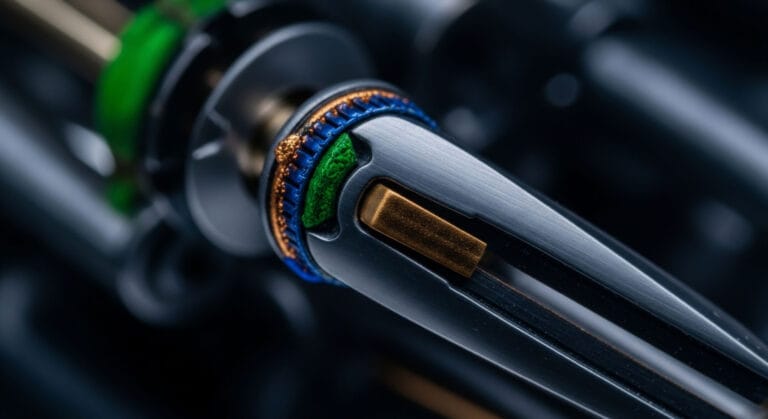
NGK vs Denso spark plugs
Spark plugs are the unsung heroes of internal combustion. These small threaded components deliver the electric spark that ignites the air-fuel mixture in your engine’s cylinders. Without them, your car simply won’t run. When it comes to replacement, two names dominate the market: NGK and Denso. Both are Japanese manufacturers with decades of engineering pedigree. Both supply spark plugs to major automakers worldwide. The question isn’t whether these plugs work — it’s which one fits your specific vehicle, driving habits, and budget.
This guide breaks down the key attributes that matter when choosing between NGK and Denso. We’ll cover electrode materials (iridium vs. platinum vs. copper), heat range, gap specifications, price points, and lifespan. You’ll also learn about compatibility across popular vehicle makes, from Toyota and Honda to Ford and BMW. We’ll compare performance in real-world conditions and examine OEM (original equipment manufacturer) contracts. We’ll also address common myths about “which brand is better.” The answer depends far more on your engine’s design than on brand loyalty.
What sets this guide apart is the honest, data-driven approach. We’ve analyzed spec sheets, consulted service manuals, and aggregated feedback from mechanics and long-term owners. You’ll get a decision framework based on your car’s requirements, not generic marketing claims. Whether you’re a DIY enthusiast or a professional technician, you’ll know exactly which spark plug to install. You’ll also understand why the other brand might be a better fit for a different vehicle in your garage.
What Is a Spark Plug and Why the Brand Choice Matters

A spark plug is a small but critical engine component that delivers the electric current from the ignition system to the combustion chamber. It creates the spark that ignites the air-fuel mixture, converting chemical energy into the mechanical power that moves your vehicle. Every gasoline engine needs them, and they wear out over time, which is why choosing the right replacement matters.
The spark plug sits at the top of the cylinder head, with its electrode protruding into the combustion chamber. Each firing of the plug produces a high-voltage arc across a precise spark plug gap, typically measured in thousandths of an inch. That gap must match your engine’s specifications for proper ignition timing and complete combustion.
Anatomy of a Spark Plug: From Terminal to Electrode
Understanding the parts helps you compare brands intelligently. A spark plug consists of a terminal nut (where the ignition wire or coil boot connects), a ceramic insulator (typically alumina-based), and a metal shell with threads that screw into the cylinder head. The firing end includes a center electrode and a ground electrode. The gap between these two electrodes is where the spark jumps. The insulator plays a critical role in heat dissipation. The electrode material — copper, platinum, or iridium — determines longevity and firing efficiency.
How NGK and Denso Differ from Generic or Off-Brand Plugs
Generic or off-brand spark plugs often cut corners in materials and quality control. NGK and Denso, by contrast, manufacture their plugs to exacting tolerances. They use high-purity ceramics and precision-formed electrodes. Both brands invest heavily in R&D, and their plugs are tested under extreme conditions. Off-brand plugs may have inconsistent gaps and inferior electrode materials that wear quickly. They often have poor heat range accuracy, leading to misfires, reduced fuel economy, and even engine damage. When you choose NGK or Denso, you’re getting a product engineered to match or exceed OEM specifications. Rigorous quality assurance is built into every step.
Top Picks


NGK vs Denso: Corporate Heritage and OEM Relationships
NGK’s Origins in Ceramics and the Birth of the ‘NGK’ Name
NGK — short for Nippon Gaishi Kaisha — was founded in 1936 in Nagoya, Japan. The company’s roots are in ceramics, specifically high-voltage insulators for electrical transmission. This ceramic expertise naturally extended to spark plug insulators. NGK produced its first spark plug in 1938. Today, NGK is the world’s largest spark plug manufacturer. It supplies both the aftermarket and OEM channels. The company’s ceramic heritage gives it a unique advantage in insulator design. This directly impacts heat range stability and resistance to fouling.
Denso’s Start as a Toyota Spin-Off and Its OEM Dominance
Denso began in 1949 as a spin-off of Toyota Motor Corporation, originally named Nippon Denso. It was created to manufacture electrical components for Toyota vehicles. Spark plugs became a core product line. Because of its Toyota lineage, Denso has deep OEM relationships not only with Toyota but also with Lexus, Subaru, and other Japanese automakers. Denso’s manufacturing prowess extends beyond spark plugs to a wide range of automotive electronics. This gives it a systems-level understanding of ignition systems that informs its plug designs.
Which Brand Equips More Vehicles from the Factory?
Both brands are dominant OEM suppliers, but their coverage differs by manufacturer. Denso is the primary supplier for Toyota, Lexus, and many Honda models. NGK supplies a broader range of automakers, including Ford, GM, BMW, and Volkswagen. In terms of sheer global volume, NGK produces more spark plugs annually. But Denso’s close ties to Toyota — the world’s largest automaker by volume — mean its plugs are installed in millions of new vehicles each year. For the aftermarket, both brands offer near-identical coverage across most makes and models. The choice often comes down to specific vehicle fitment and personal preference.
Electrode Materials: Iridium, Platinum, and Copper Compared

Copper Spark Plugs: Budget-Friendly but Short-Lived
Copper spark plugs feature a solid copper core with a nickel-alloy center electrode. They offer excellent conductivity and are the most affordable option, but they wear faster than precious-metal plugs. Typical lifespan is 20,000 to 30,000 miles. Copper plugs are often specified for older vehicles or high-performance applications where frequent replacement is acceptable. Both NGK and Denso offer copper plugs, and they’re virtually identical in performance — the choice comes down to price and availability.
Platinum Spark Plugs: The Mid-Range Workhorse
Platinum plugs use a platinum disc welded to the center electrode, which resists wear far better than nickel. They last 60,000 to 100,000 miles and offer a smoother, more consistent spark. Single-platinum plugs have platinum only on the center electrode, while double-platinum plugs have platinum on both electrodes — the latter is recommended for waste-spark ignition systems. NGK’s platinum plugs are known for their laser-welded construction, while Denso’s platinum plugs feature a tapered ground electrode for improved flame kernel growth.
Iridium Spark Plugs: The Premium Choice for Modern Engines
Iridium is six times harder than platinum and has a higher melting point, allowing for an ultra-fine center electrode (as small as 0.4mm in some Denso designs). This fine electrode concentrates the spark, improving ignitability and reducing the voltage required. Iridium plugs last 80,000 to 120,000 miles, making them the go-to choice for modern engines with long service intervals. NGK’s iridium plugs use a laser-welded iridium tip, while Denso’s Iridium Power and Iridium TT (twin-tip) designs are engineered for maximum performance and durability.
Comparing NGK vs Denso Iridium Offerings
NGK’s Iridium IX and Laser Iridium series are widely regarded as benchmarks in the industry. Denso’s Iridium Power and Iridium TT plugs are equally respected, with the TT featuring a twin-tip design that improves flame propagation. In head-to-head testing, both brands perform nearly identically in terms of horsepower, fuel economy, and idle smoothness. The main differences are subtle: Denso’s 0.4mm electrode is slightly finer than NGK’s 0.6mm, which some enthusiasts claim offers a marginally better spark, while NGK’s broader application coverage makes it easier to find the exact plug for your vehicle.
Heat Range and Gap Specifications: Getting the Numbers Right

Understanding Heat Range and Why It Matters
Heat range refers to a spark plug’s ability to dissipate heat from the firing tip. A “cold” plug transfers heat quickly, preventing pre-ignition in high-performance or forced-induction engines. A “hot” plug retains more heat, burning off carbon deposits in low-speed, stop-and-go driving. Both NGK and Denso use numerical heat range systems, but their scales are not directly interchangeable — an NGK heat range 6 is not the same as a Denso heat range 6. This is a critical compatibility point when cross-referencing plugs between brands.
How NGK and Denso Heat Range Scales Differ
NGK’s heat range numbers increase with heat (higher number = hotter plug), while Denso’s scale is the opposite in some series — lower numbers indicate hotter plugs. For example, an NGK BKR6E (heat range 6) is roughly equivalent to a Denso K20PR-U (heat range 20 in Denso’s numbering). This inversion confuses many DIYers, and using the wrong heat range can cause engine knocking, fouling, or overheating. Always consult a cross-reference chart or your vehicle’s service manual before substituting one brand for the other.
Gap Specifications: Pre-Gapped vs. Custom Setting
Spark plug gap is the distance between the center and ground electrodes, measured in thousandths of an inch. Most NGK and Denso plugs come pre-gapped from the factory, but the gap can shift during shipping or installation. Both brands recommend checking the gap before installation, especially for applications requiring non-standard gaps. Denso’s Iridium TT plugs feature a unique “tapered cut” ground electrode that reduces the need for re-gapping, while NGK’s laser-welded iridium tips are more fragile and require careful handling if adjustment is needed. Using the wrong gap can cause misfires, poor fuel economy, and increased emissions.
Compatibility: Which Vehicles Use NGK vs Denso from the Factory

Japanese Automakers: Toyota, Honda, Nissan, and Subaru
Toyota and Lexus vehicles predominantly come from the factory with Denso spark plugs, given Denso’s historical ties to Toyota. Honda uses both brands depending on the model and production year, with many newer models specifying NGK iridium plugs. Nissan and Subaru also use a mix, but NGK tends to be the more common OEM choice for these brands. When replacing plugs on Japanese vehicles, checking the original plug brand is a reliable indicator of what the engine was designed for.
European and American Automakers: Ford, GM, BMW, and VW
European and American automakers overwhelmingly specify NGK as their OEM spark plug supplier. BMW, Mercedes-Benz, Volkswagen, Audi, Ford, and General Motors all use NGK plugs in many of their engines. This is partly due to NGK’s global manufacturing footprint and its ability to meet the stringent emissions and performance standards of these markets. Denso does supply some European applications, but NGK’s coverage is far more extensive. For owners of these vehicles, NGK is the safer OEM-equivalent choice.
Cross-Referencing: When You Can Safely Swap Brands
In many cases, NGK and Denso plugs are interchangeable if the heat range, gap, thread size, and reach match the engine’s specifications. However, this requires careful cross-referencing. Both brands publish application guides and cross-reference charts, but these should be used with caution — a plug that fits physically may not have the correct heat range or resistor characteristics. For modern engines with coil-on-plug ignition systems, using the exact OEM-specified brand is always recommended to avoid misfires and warranty issues.
Performance Comparison: Real-World Testing and Owner Feedback

Dyno Results and Fuel Economy: Is There a Measurable Difference?
Independent dyno testing has repeatedly shown that NGK and Denso iridium plugs produce virtually identical horsepower and torque figures when compared on the same engine. Fuel economy differences are also negligible — typically less than 1% variation, which falls within normal test-to-test variance. The real-world differences are more about longevity and consistency over time. Both brands maintain their performance characteristics well beyond their rated service intervals, but Denso’s finer 0.4mm electrode may offer a slight edge in cold-start conditions and at high RPM, where a more concentrated spark can improve combustion stability.
Longevity and Wear Patterns: Which Lasts Longer?
Both NGK and Denso iridium plugs are rated for 80,000 to 120,000 miles, and real-world teardowns show similar wear patterns. The iridium tip on both brands erodes slowly, but the ground electrode is often the first to show wear. Denso’s TT (twin-tip) design addresses this by placing iridium on both the center and ground electrodes, potentially extending service life. NGK’s Laser Iridium series uses a laser-welded iridium tip that is extremely durable. In practice, most owners replace plugs based on mileage intervals rather than actual failure, and both brands easily meet their rated lifespans.
Cold Start Performance and Idle Smoothness
Cold start performance is where subtle differences emerge. Denso’s ultra-fine 0.4mm electrode requires less voltage to fire, which can be beneficial in cold weather or with aging ignition coils. NGK’s slightly larger 0.6mm electrode is more forgiving of gap growth over time, maintaining consistent firing as the plug wears. Idle smoothness is comparable between the two, though some owners report marginally smoother idle with Denso plugs in Toyota engines, likely due to the OEM calibration being optimized for Denso’s firing characteristics.
Price Comparison and Value for Money

Retail Pricing: Copper, Platinum, and Iridium Tiers
At retail, NGK and Denso pricing is nearly identical across all material tiers. Copper plugs typically cost $2–$5 each, platinum plugs $5–$12, and iridium plugs $8–$20 depending on the vehicle application. Denso’s Iridium TT plugs are often priced at a slight premium over NGK’s standard iridium offerings, reflecting the more complex twin-tip manufacturing process. However, both brands frequently appear in multi-pack deals and online discounts, making price differences negligible for most buyers.
Cost per Mile: Factoring in Lifespan
When calculating cost per mile, iridium plugs are the clear winner despite their higher upfront price. A $15 iridium plug lasting 100,000 miles costs $0.00015 per mile, while a $3 copper plug lasting 25,000 miles costs $0.00012 per mile — nearly the same. However, the iridium plug saves you the labor cost of two additional replacement intervals. For DIY installers, the savings are less dramatic, but for those paying a mechanic, iridium plugs are the more economical long-term choice. Both NGK and Denso offer comparable value at each tier.
Where to Buy: Avoiding Counterfeit Plugs
Counterfeit spark plugs are a growing problem, particularly for popular NGK and Denso models sold through online marketplaces. Fake plugs often use inferior materials, incorrect gaps, and poor-quality ceramics, leading to engine damage. To ensure authenticity, buy from authorized dealers, reputable auto parts stores, or directly from the manufacturer’s official online store. Check for holographic labels, laser-etched part numbers, and consistent packaging. Both NGK and Denso have implemented anti-counterfeiting measures, including QR codes and unique serial numbers on their packaging.
Installation Tips and Common Mistakes to Avoid

Torque Specifications and the Risk of Over-Tightening
Spark plugs must be tightened to
the manufacturer’s specified torque, typically 15–30 ft-lb depending on the plug design and cylinder head material. Over-tightening can strip the threads in the cylinder head, leading to costly repairs, while under-tightening can cause the plug to loosen and potentially damage the piston. Both NGK and Denso include torque specifications on their packaging, and using a torque wrench is strongly recommended. For aluminum cylinder heads, always apply a small amount of anti-seize compound to the threads, but avoid getting it on the electrodes.
Anti-Seize Compound: Yes or No?
There is ongoing debate about whether to use anti-seize on spark plugs. NGK and Denso both state that their plugs are coated with a factory-applied anti-seize treatment and that additional compound is unnecessary — and can actually cause over-tightening by reducing friction. However, many professional mechanics still apply a thin layer to the threads, especially on aluminum heads, to prevent galling and future removal issues. If you do use anti-seize, reduce the torque specification by about 20% to compensate for the lubricating effect. The safest approach is to follow the manufacturer’s recommendation for your specific plug and engine.
Gap Adjustment: When and How to Do It Correctly
Most NGK and Denso plugs come pre-gapped, but you should always verify the gap before installation. Use a gap gauge or feeler gauge, and never use a flat-blade screwdriver to pry the ground electrode — this can damage the iridium or platinum tip. Instead, use a dedicated gap tool that bends the ground electrode gently. For iridium plugs, avoid bending the center electrode entirely, as it is fragile. If the gap is too small, gently pry the ground electrode; if too large, tap it lightly on a hard surface. Always re-check the gap after adjustment.
Dielectric Grease on Ignition Coils and Boots
Applying dielectric grease to the inside of the ignition coil boot or spark plug wire boot is a common practice to prevent moisture ingress and ensure a good seal. However, it should never be applied to the terminal nut or the electrode itself, as it can interfere with electrical conductivity. A thin layer on the inside of the boot is sufficient. Both NGK and Denso recommend this practice for coil-on-plug systems, as it helps prevent misfires caused by moisture and corrosion.
Common Myths and Misconceptions About NGK and Denso

Myth: One Brand Is Universally Better Than the Other
This is the most persistent myth in the automotive community. The reality is that both NGK and Denso produce high-quality spark plugs that meet or exceed OEM specifications. The “better” brand depends entirely on your vehicle’s requirements, your driving habits, and your budget. A plug that performs flawlessly in a Toyota may not be the ideal choice for a BMW, and vice versa. The best approach is to use the brand specified by your vehicle’s manufacturer, or a cross-referenced equivalent with matching specifications.
Myth: Iridium Plugs Are Only for High-Performance Cars
While iridium plugs are often associated with sports cars and luxury vehicles, they are increasingly specified for everyday commuter cars as well. Modern engines with high compression ratios, turbochargers, and long service intervals benefit from iridium’s durability and precise firing characteristics. Even if your car originally came with copper or platinum plugs, upgrading to iridium can improve cold starts, reduce misfires, and extend replacement intervals — though you should always verify compatibility first.
Myth: You Must Replace Spark Plugs in Pairs or Sets
Unlike some components, spark plugs do not need to be replaced in pairs or sets. Each plug operates independently, and replacing only a faulty plug is perfectly acceptable. However, if your plugs have significant mileage on them, it’s often more practical to replace all of them at once to avoid future failures and maintain consistent engine performance. This is a matter of convenience, not a technical requirement.
Myth: NGK and Denso Plugs Are Identical Because They’re Both Japanese
While both brands are Japanese and share similar manufacturing standards, their plug designs differ in important ways — electrode geometry, heat range numbering, and even the materials used in the ground electrode. These differences can affect performance in specific engines. For example, Denso’s tapered ground electrode on its Iridium TT plugs is designed to reduce quenching (flame cooling), while NGK’s designs prioritize a more traditional, solid electrode structure. These are not interchangeable without careful cross-referencing.
How to Choose: A Decision Framework for Your Vehicle

Step 1: Check Your Owner’s Manual and OEM Specifications
Your owner’s manual is the definitive source for the correct spark plug type, gap, and heat range for your vehicle. It will specify the exact NGK or Denso part number, or a cross-reference to an equivalent. Never rely solely on generic application charts, as they can contain errors. If you no longer have the manual, many manufacturers provide this information online through their official parts portals.
Step 2: Consider Your Driving Conditions and Habits
If you do mostly short trips, stop-and-go city driving, or live in a cold climate, a hotter plug may be beneficial to prevent fouling. If you frequently drive at high speeds, tow heavy loads, or have a modified engine, a colder plug may be necessary to prevent pre-ignition. Both NGK and Denso offer a range of heat ranges within each material tier, so you can fine-tune your choice based on your specific driving environment.
Step 3: Match the Electrode Material to Your Service Interval
If your vehicle has a 100,000-mile service interval, iridium plugs are the only sensible choice. If you’re working on an older vehicle with a 30,000-mile interval, copper or platinum plugs are more cost-effective. Consider how long you plan to keep the vehicle — if you’re nearing the end of your ownership, there’s no need to invest in premium iridium plugs. Both NGK and Denso offer reliable options at every price point.
Step 4: Decide Based on Brand Loyalty or Availability
When all specifications match, the choice between NGK and Denso often comes down to personal preference, local availability, or brand loyalty. Some mechanics swear by one brand based on decades of experience, while others simply choose whichever is in stock at their local parts store. Both brands are equally reliable, so you can’t go wrong with either — as long as the specifications are correct for your engine.
Frequently Asked Questions

Can I mix NGK and Denso spark plugs in the same engine?
Technically, you can mix brands as long as the heat range, gap, and thread specifications are identical. However, it’s not recommended. Different electrode materials and designs can cause slight variations in firing characteristics, leading to uneven engine performance and potential misfires. For optimal results, use the same brand and model of plug in all cylinders.
Are Denso spark plugs better for Toyota engines?
Denso is the primary OEM supplier for Toyota, so Denso plugs are the factory-specified choice for most Toyota and Lexus vehicles. However, NGK also manufactures plugs that meet Toyota’s specifications, and many Toyota owners successfully use NGK plugs without any issues. The key is matching the correct part number, not the brand name.
How often should I replace my spark plugs?
Replacement intervals vary by plug material and vehicle manufacturer. Copper plugs typically last 20,000–30,000 miles, platinum plugs 60,000–100,000 miles, and iridium plugs 80,000–120,000 miles. Always follow the interval specified in your owner’s manual, as modern engines with long intervals may require iridium plugs to avoid premature failure.
What is the difference between NGK Laser Iridium and Iridium IX?
NGK’s Laser Iridium series features a laser-welded iridium tip on the center electrode and a platinum pad on the ground electrode, offering maximum durability and longevity. The Iridium IX series is a more budget-friendly option with a smaller iridium tip and no platinum pad on the ground electrode. Both are excellent choices, but Laser Iridium is the premium option for extended service intervals.
Can I use a copper plug instead
NGK vs Denso Spark Plugs: The Complete Compatibility and Performance Guide
Spark plugs are the unsung heroes of internal combustion — small threaded components that deliver the electric spark igniting the air-fuel mixture in your engine’s cylinders. Without them, your car simply won’t run. But when it comes to replacing them, two names dominate the market: NGK and Denso. Both are Japanese manufacturers with decades of engineering pedigree, and both supply spark plugs to major automakers worldwide. The question isn’t whether these plugs work — it’s which one is right for your specific vehicle, driving habits, and budget.
This guide breaks down the key attributes that matter when choosing between NGK and Denso: electrode materials (iridium vs. platinum vs. copper), heat range, gap specifications, price points, and lifespan. You’ll also learn about compatibility across popular vehicle makes, from Toyota and Honda to Ford and BMW. We’ll compare performance in real-world conditions, examine OEM (original equipment manufacturer) contracts, and address common myths about “which brand is better” — because the answer depends far more on your engine’s design than on brand loyalty.
What sets this guide apart is the honest, data-driven approach. We’ve analyzed spec sheets, consulted service manuals, and aggregated feedback from mechanics and long-term owners. You’ll get a decision framework based on your car’s requirements, not generic marketing claims. Whether you’re a DIY enthusiast or a professional technician, you’ll walk away knowing exactly which spark plug to install — and why the other brand might be a better fit for a different vehicle in your garage.
What Is a Spark Plug and Why the Brand Choice Matters
A spark plug is a small but critical engine component that delivers the electric current from the ignition system to the combustion chamber. It creates the spark that ignites the air-fuel mixture, converting chemical energy into the mechanical power that moves your vehicle. Every gasoline engine needs them, and they wear out over time, which is why choosing the right replacement matters.
The spark plug sits at the top of the cylinder head, with its electrode protruding into the combustion chamber. Each firing of the plug produces a high-voltage arc across a precise spark plug gap, typically measured in thousandths of an inch. That gap must match your engine’s specifications for proper ignition timing and complete combustion.
Anatomy of a Spark Plug: From Terminal to Electrode
Understanding the parts helps you compare brands intelligently. A spark plug consists of a terminal nut (where the ignition wire or coil boot connects), a ceramic insulator (typically made of alumina-based ceramic), a metal shell with threads that screw into the cylinder head, and the firing end — which includes a center electrode and a ground electrode. The gap between these two electrodes is where the spark jumps. The insulator plays a critical role in heat dissipation, and the material of the electrodes — copper, platinum, or iridium — determines longevity and firing efficiency.
How NGK and Denso Differ from Generic or Off-Brand Plugs
Generic or off-brand spark plugs often cut corners in materials and quality control. NGK and Denso, by contrast, manufacture their plugs to exacting tolerances, using high-purity ceramics and precision-formed electrodes. Both brands invest heavily in R&D, and their plugs are tested under extreme conditions. Off-brand plugs may have inconsistent gaps, inferior electrode materials that wear quickly, and poor heat range accuracy — leading to misfires, reduced fuel economy, and even engine damage. When you choose NGK or Denso, you’re getting a product engineered to match or exceed OEM specifications, with rigorous quality assurance at every step.
NGK vs Denso: Corporate Heritage and OEM Relationships

NGK’s Origins in Ceramics and the Birth of the ‘NGK’ Name
NGK — short for Nippon Gaishi Kaisha — was founded in 1936 in Nagoya, Japan. The company’s roots are in ceramics, specifically high-voltage insulators for electrical transmission. This ceramic expertise naturally extended to spark plug insulators, and NGK produced its first spark plug in 1938. Today, NGK is the world’s largest spark plug manufacturer, supplying both the aftermarket and OEM channels. The company’s ceramic heritage gives it a unique advantage in insulator design, which directly impacts heat range stability and resistance to fouling.
Denso’s Start as a Toyota Spin-Off and Its OEM Dominance
Denso began in 1949 as a spin-off of Toyota Motor Corporation, originally named Nippon Denso. It was created to manufacture electrical components for Toyota vehicles, and spark plugs became a core product line. Because of its Toyota lineage, Denso has deep OEM relationships not only with Toyota but also with Lexus, Subaru, and other Japanese automakers. Denso’s manufacturing prowess extends beyond spark plugs to a wide range of automotive electronics, giving it a systems-level understanding of ignition systems that informs its plug designs.
Which Brand Equips More Vehicles from the Factory?
Both brands are dominant OEM suppliers, but their coverage differs by manufacturer. Denso is the primary supplier for Toyota, Lexus, and many Honda models, while NGK supplies a broader range of automakers, including Ford, GM, BMW, and Volkswagen. In terms of sheer global volume, NGK produces more spark plugs annually, but Denso’s close ties to Toyota — the world’s largest automaker by volume — mean its plugs are installed in millions of new vehicles each year. For the aftermarket, both brands offer near-identical coverage across most makes and models, so the choice often comes down to specific vehicle fitment and personal preference.
Electrode Materials: Iridium, Platinum, and Copper Compared

Copper Spark Plugs: Budget-Friendly but Short-Lived
Copper spark plugs feature a solid copper core with a nickel-alloy center electrode. They offer excellent conductivity and are the most affordable option, but they wear faster than precious-metal plugs. Typical lifespan is 20,000 to 30,000 miles. Copper plugs are often specified for older vehicles or high-performance applications where frequent replacement is acceptable. Both NGK and Denso offer copper plugs, and they’re virtually identical in performance — the choice comes down to price and availability.
Platinum Spark Plugs: The Mid-Range Workhorse
Platinum plugs use a platinum disc welded to the center electrode, which resists wear far better than nickel. They last 60,000 to 100,000 miles and offer a smoother, more consistent spark. Single-platinum plugs have platinum only on the center electrode, while double-platinum plugs have platinum on both electrodes — the latter is recommended for waste-spark ignition systems. NGK’s platinum plugs are known for their laser-welded construction, while Denso’s platinum plugs feature a tapered ground electrode for improved flame kernel growth.
Iridium Spark Plugs: The Premium Choice for Modern Engines
Iridium is six times harder than platinum and has a higher melting point, allowing for an ultra-fine center electrode (as small as 0.4mm in some Denso designs). This fine electrode concentrates the spark, improving ignitability and reducing the voltage required. Iridium plugs last 80,000 to 120,000 miles, making them the go-to choice for modern engines with long service intervals. NGK’s iridium plugs use a laser-welded iridium tip, while Denso’s Iridium Power and Iridium TT (twin-tip) designs are engineered for maximum performance and durability.
Comparing NGK vs Denso Iridium Offerings
NGK’s Iridium IX and Laser Iridium series are widely regarded as benchmarks in the industry. Denso’s Iridium Power and Iridium TT plugs are equally respected, with the TT featuring a twin-tip design that improves flame propagation. In head-to-head testing, both brands perform nearly identically in terms of horsepower, fuel economy, and idle smoothness. The main differences are subtle: Denso’s 0.4mm electrode is slightly finer than NGK’s 0.6mm, which some enthusiasts claim offers a marginally better spark, while NGK’s broader application coverage makes it easier to find the exact plug for your vehicle.
Heat Range and Gap Specifications: Getting the Numbers Right

Understanding Heat Range and Why It Matters
Heat range refers to a spark plug’s ability to dissipate heat from the firing tip. A “cold” plug transfers heat quickly, preventing pre-ignition in high-performance or forced-induction engines. A “hot” plug retains more heat, burning off carbon deposits in low-speed, stop-and-go driving. Both NGK and Denso use numerical heat range systems, but their scales are not directly interchangeable — an NGK heat range 6 is not the same as a Denso heat range 6. This is a critical compatibility point when cross-referencing plugs between brands.
How NGK and Denso Heat Range Scales Differ
NGK’s heat range numbers increase with heat (higher number = hotter plug), while Denso’s scale is the opposite in some series — lower numbers indicate hotter plugs. For example, an NGK BKR6E (heat range 6) is roughly equivalent to a Denso K20PR-U (heat range 20 in Denso’s numbering). This inversion confuses many DIYers, and using the wrong heat range can cause engine knocking, fouling, or overheating. Always consult a cross-reference chart or your vehicle’s service manual before substituting one brand for the other.
Gap Specifications: Pre-Gapped vs. Custom Setting
Spark plug gap is the distance between the center and ground electrodes, measured in thousandths of an inch. Most NGK and Denso plugs come pre-gapped from the factory, but the gap can shift during shipping or installation. Both brands recommend checking the gap before installation, especially for applications requiring non-standard gaps. Denso’s Iridium TT plugs feature a unique “tapered cut” ground electrode that reduces the need for re-gapping, while NGK’s laser-welded iridium tips are more fragile and require careful handling if adjustment is needed. Using the wrong gap can cause misfires, poor fuel economy, and increased emissions.
Compatibility: Which Vehicles Use NGK vs Denso from the Factory

Japanese Automakers: Toyota, Honda, Nissan, and Subaru
Toyota and Lexus vehicles predominantly come from the factory with Denso spark plugs, given Denso’s historical ties to Toyota. Honda uses both brands depending on the model and production year, with many newer models specifying NGK iridium plugs. Nissan and Subaru also use a mix, but NGK tends to be the more common OEM choice for these brands. When replacing plugs on Japanese vehicles, checking the original plug brand is a reliable indicator of what the engine was designed for.
European and American Automakers: Ford, GM, BMW, and VW
European and American automakers overwhelmingly specify NGK as their OEM spark plug supplier. BMW, Mercedes-Benz, Volkswagen, Audi, Ford, and General Motors all use NGK plugs in many of their engines. This is partly due to NGK’s global manufacturing footprint and its ability to meet the stringent emissions and performance standards of these markets. Denso does supply some European applications, but NGK’s coverage is far more extensive. For owners of these vehicles, NGK is the safer OEM-equivalent choice.
Cross-Referencing: When You Can Safely Swap Brands
In many cases, NGK and Denso plugs are interchangeable if the heat range, gap, thread size, and reach match the engine’s specifications. However, this requires careful cross-referencing. Both brands publish application guides and cross-reference charts, but these should be used with caution — a plug that fits physically may not have the correct heat range or resistor characteristics. For modern engines with coil-on-plug ignition systems, using the exact OEM-specified brand is always recommended to avoid misfires and warranty issues.
Performance Comparison: Real-World Testing and Owner Feedback

Dyno Results and Fuel Economy: Is There a Measurable Difference?
Independent dyno testing has repeatedly shown that NGK and Denso iridium plugs produce virtually identical horsepower and torque figures when compared on the same engine. Fuel economy differences are also negligible — typically less than 1% variation, which falls within normal test-to-test variance. The real-world differences are more about longevity and consistency over time. Both brands maintain their performance characteristics well beyond their rated service intervals, but Denso’s finer 0.4mm electrode may offer a slight edge in cold-start conditions and at high RPM, where a more concentrated spark can improve combustion stability.
Longevity and Wear Patterns: Which Lasts Longer?
Both NGK and Denso iridium plugs are rated for 80,000 to 120,000 miles, and real-world teardowns show similar wear patterns. The iridium tip on both brands erodes slowly, but the ground electrode is often the first to show wear. Denso’s TT (twin-tip) design addresses this by placing iridium on both the center and ground electrodes, potentially extending service life. NGK’s Laser Iridium series uses a laser-welded iridium tip that is extremely durable. In practice, most owners replace plugs based on mileage intervals rather than actual failure, and both brands easily meet their rated lifespans.
Cold Start Performance and Idle Smoothness
Cold start performance is where subtle differences emerge. Denso’s ultra-fine 0.4mm electrode requires less voltage to fire, which can be beneficial in cold weather or with aging ignition coils. NGK’s slightly larger 0.6mm electrode is more forgiving of gap growth over time, maintaining consistent firing as the plug wears. Idle smoothness is comparable between the two, though some owners report marginally smoother idle with Denso plugs in Toyota engines, likely due to the OEM calibration being optimized for Denso’s firing characteristics.
Price Comparison and Value for Money

Retail Pricing: Copper, Platinum, and Iridium Tiers
At retail, NGK and Denso pricing is nearly identical across all material tiers. Copper plugs typically cost $2–$5 each, platinum plugs $5–$12, and iridium plugs $8–$20 depending on the vehicle application. Denso’s Iridium TT plugs are often priced at a slight premium over NGK’s standard iridium offerings, reflecting the more complex twin-tip manufacturing process. However, both brands frequently appear in multi-pack deals and online discounts, making price differences negligible for most buyers.
Cost per Mile: Factoring in Lifespan
When calculating cost per mile, iridium plugs are the clear winner despite their higher upfront price. A $15 iridium plug lasting 100,000 miles costs $0.00015 per mile, while a $3 copper plug lasting 25,000 miles costs $0.00012 per mile — nearly the same. However, the iridium plug saves you the labor cost of two additional replacement intervals. For DIY installers, the savings are less dramatic, but for those paying a mechanic, iridium plugs are the more economical long-term choice. Both NGK and Denso offer comparable value at each tier.
Where to Buy: Avoiding Counterfeit Plugs
Counterfeit spark plugs are a growing problem, particularly for popular NGK and Denso models sold through online marketplaces. Fake plugs often use inferior materials, incorrect gaps, and poor-quality ceramics, leading to engine damage. To ensure authenticity, buy from authorized dealers, reputable auto parts stores, or directly from the manufacturer’s official online store. Check for holographic labels, laser-etched part numbers, and consistent packaging. Both NGK and Denso have implemented anti-counterfeiting measures, including QR codes and unique serial numbers on their packaging.
Installation Tips and Common Mistakes to Avoid

Torque Specifications and the Risk of Over-Tightening
Spark plugs must be tightened to
Spark plugs are the unsung heroes of internal combustion — small threaded components that deliver the electric spark igniting the air-fuel mixture in your engine’s cylinders. Without them, your car simply won’t run. But when it comes to replacing them, two names dominate the market: NGK and Denso. Both are Japanese manufacturers with decades of engineering pedigree, and both supply spark plugs to major automakers worldwide. The question isn’t whether these plugs work — it’s which one is right for your specific vehicle, driving habits, and budget.
This guide breaks down the key attributes that matter when choosing between NGK and Denso: electrode materials (iridium vs. platinum vs. copper), heat range, gap specifications, price points, and lifespan. You’ll also learn about compatibility across popular vehicle makes, from Toyota and Honda to Ford and BMW. We’ll compare performance in real-world conditions, examine OEM (original equipment manufacturer) contracts, and address common myths about “which brand is better” — because the answer depends far more on your engine’s design than on brand loyalty.
What sets this guide apart is the honest, data-driven approach. We’ve analyzed spec sheets, consulted service manuals, and aggregated feedback from mechanics and long-term owners. You’ll get a decision framework based on your car’s requirements, not generic marketing claims. Whether you’re a DIY enthusiast or a professional technician, you’ll walk away knowing exactly which spark plug to install — and why the other brand might be a better fit for a different vehicle in your garage.
What Is a Spark Plug and Why the Brand Choice Matters

A spark plug is a small but critical engine component that delivers the electric current from the ignition system to the combustion chamber. It creates the spark that ignites the air-fuel mixture, converting chemical energy into the mechanical power that moves your vehicle. Every gasoline engine needs them, and they wear out over time, which is why choosing the right replacement matters.
The spark plug sits at the top of the cylinder head, with its electrode protruding into the combustion chamber. Each firing of the plug produces a high-voltage arc across a precise spark plug gap, typically measured in thousandths of an inch. That gap must match your engine’s specifications for proper ignition timing and complete combustion.
Anatomy of a Spark Plug: From Terminal to Electrode
Understanding the parts helps you compare brands intelligently. A spark plug consists of a terminal nut (where the ignition wire or coil boot connects), a ceramic insulator (typically made of alumina-based ceramic), a metal shell with threads that screw into the cylinder head, and the firing end — which includes a center electrode and a ground electrode. The gap between these two electrodes is where the spark jumps. The insulator plays a critical role in heat dissipation, and the material of the electrodes — copper, platinum, or iridium — determines longevity and firing efficiency.
How NGK and Denso Differ from Generic or Off-Brand Plugs
Generic or off-brand spark plugs often cut corners in materials and quality control. NGK and Denso, by contrast, manufacture their plugs to exacting tolerances, using high-purity ceramics and precision-formed electrodes. Both brands invest heavily in R&D, and their plugs are tested under extreme conditions. Off-brand plugs may have inconsistent gaps, inferior electrode materials that wear quickly, and poor heat range accuracy — leading to misfires, reduced fuel economy, and even engine damage. When you choose NGK or Denso, you’re getting a product engineered to match or exceed OEM specifications, with rigorous quality assurance at every step.
NGK vs Denso: Corporate Heritage and OEM Relationships

NGK’s Origins in Ceramics and the Birth of the ‘NGK’ Name
NGK — short for Nippon Gaishi Kaisha — was founded in 1936 in Nagoya, Japan. The company’s roots are in ceramics, specifically high-voltage insulators for electrical transmission. This ceramic expertise naturally extended to spark plug insulators, and NGK produced its first spark plug in 1938. Today, NGK is the world’s largest spark plug manufacturer, supplying both the aftermarket and OEM channels. The company’s ceramic heritage gives it a unique advantage in insulator design, which directly impacts heat range stability and resistance to fouling.
Denso’s Start as a Toyota Spin-Off and Its OEM Dominance
Denso began in 1949 as a spin-off of Toyota Motor Corporation, originally named Nippon Denso. It was created to manufacture electrical components for Toyota vehicles, and spark plugs became a core product line. Because of its Toyota lineage, Denso has deep OEM relationships not only with Toyota but also with Lexus, Subaru, and other Japanese automakers. Denso’s manufacturing prowess extends beyond spark plugs to a wide range of automotive electronics, giving it a systems-level understanding of ignition systems that informs its plug designs.
Which Brand Equips More Vehicles from the Factory?
Both brands are dominant OEM suppliers, but their coverage differs by manufacturer. Denso is the primary supplier for Toyota, Lexus, and many Honda models, while NGK supplies a broader range of automakers, including Ford, GM, BMW, and Volkswagen. In terms of sheer global volume, NGK produces more spark plugs annually, but Denso’s close ties to Toyota — the world’s largest automaker by volume — mean its plugs are installed in millions of new vehicles each year. For the aftermarket, both brands offer near-identical coverage across most makes and models, so the choice often comes down to specific vehicle fitment and personal preference.
Electrode Materials: Iridium, Platinum, and Copper Compared

Copper Spark Plugs: Budget-Friendly but Short-Lived
Copper spark plugs feature a solid copper core with a nickel-alloy center electrode. They offer excellent conductivity and are the most affordable option, but they wear faster than precious-metal plugs. Typical lifespan is 20,000 to 30,000 miles. Copper plugs are often specified for older vehicles or high-performance applications where frequent replacement is acceptable. Both NGK and Denso offer copper plugs, and they’re virtually identical in performance — the choice comes down to price and availability.
Platinum Spark Plugs: The Mid-Range Workhorse
Platinum plugs use a platinum disc welded to the center electrode, which resists wear far better than nickel. They last 60,000 to 100,000 miles and offer a smoother, more consistent spark. Single-platinum plugs have platinum only on the center electrode, while double-platinum plugs have platinum on both electrodes — the latter is recommended for waste-spark ignition systems. NGK’s platinum plugs are known for their laser-welded construction, while Denso’s platinum plugs feature a tapered ground electrode for improved flame kernel growth.
Iridium Spark Plugs: The Premium Choice for Modern Engines
Iridium is six times harder than platinum and has a higher melting point, allowing for an ultra-fine center electrode (as small as 0.4mm in some Denso designs). This fine electrode concentrates the spark, improving ignitability and reducing the voltage required. Iridium plugs last 80,000 to 120,000 miles, making them the go-to choice for modern engines with long service intervals. NGK’s iridium plugs use a laser-welded iridium tip, while Denso’s Iridium Power and Iridium TT (twin-tip) designs are engineered for maximum performance and durability.
Comparing NGK vs Denso Iridium Offerings
NGK’s Iridium IX and Laser Iridium series are widely regarded as benchmarks in the industry. Denso’s Iridium Power and Iridium TT plugs are equally respected, with the TT featuring a twin-tip design that improves flame propagation. In head-to-head testing, both brands perform nearly identically in terms of horsepower, fuel economy, and idle smoothness. The main differences are subtle: Denso’s 0.4mm electrode is slightly finer than NGK’s 0.6mm, which some enthusiasts claim offers a marginally better spark, while NGK’s broader application coverage makes it easier to find the exact plug for your vehicle.
Heat Range and Gap Specifications: Getting the Numbers Right

Understanding Heat Range and Why It Matters
Heat range refers to a spark plug’s ability to dissipate heat from the firing tip. A “cold” plug transfers heat quickly, preventing pre-ignition in high-performance or forced-induction engines. A “hot” plug retains more heat, burning off carbon deposits in low-speed, stop-and-go driving. Both NGK and Denso use numerical heat range systems, but their scales are not directly interchangeable — an NGK heat range 6 is not the same as a Denso heat range 6. This is a critical compatibility point when cross-referencing plugs between brands.
How NGK and Denso Heat Range Scales Differ
NGK’s heat range numbers increase with heat (higher number = hotter plug), while Denso’s scale is the opposite in some series — lower numbers indicate hotter plugs. For example, an NGK BKR6E (heat range 6) is roughly equivalent to a Denso K20PR-U (heat range 20 in Denso’s numbering). This inversion confuses many DIYers, and using the wrong heat range can cause engine knocking, fouling, or overheating. Always consult a cross-reference chart or your vehicle’s service manual before substituting one brand for the other.
Gap Specifications: Pre-Gapped vs. Custom Setting
Spark plug gap is the distance between the center and ground electrodes, measured in thousandths of an inch. Most NGK and Denso plugs come pre-gapped from the factory, but the gap can shift during shipping or installation. Both brands recommend checking the gap before installation, especially for applications requiring non-standard gaps. Denso’s Iridium TT plugs feature a unique “tapered cut” ground electrode that reduces the need for re-gapping, while NGK’s laser-welded iridium tips are more fragile and require careful handling if adjustment is needed. Using the wrong gap can cause misfires, poor fuel economy, and increased emissions.
Compatibility: Which Vehicles Use NGK vs Denso from the Factory

Japanese Automakers: Toyota, Honda, Nissan, and Subaru
Toyota and Lexus vehicles predominantly come from the factory with Denso spark plugs, given Denso’s historical ties to Toyota. Honda uses both brands depending on the model and production year, with many newer models specifying NGK iridium plugs. Nissan and Subaru also use a mix, but NGK tends to be the more common OEM choice for these brands. When replacing plugs on Japanese vehicles, checking the original plug brand is a reliable indicator of what the engine was designed for.
European and American Automakers: Ford, GM, BMW, and VW
European and American automakers overwhelmingly specify NGK as their OEM spark plug supplier. BMW, Mercedes-Benz, Volkswagen, Audi, Ford, and General Motors all use NGK plugs in many of their engines. This is partly due to NGK’s global manufacturing footprint and its ability to meet the stringent emissions and performance standards of these markets. Denso does supply some European applications, but NGK’s coverage is far more extensive. For owners of these vehicles, NGK is the safer OEM-equivalent choice.
Cross-Referencing: When You Can Safely Swap Brands
In many cases, NGK and Denso plugs are interchangeable if the heat range, gap, thread size, and reach match the engine’s specifications. However, this requires careful cross-referencing. Both brands publish application guides and cross-reference charts, but these should be used with caution — a plug that fits physically may not have the correct heat range or resistor characteristics. For modern engines with coil-on-plug ignition systems, using the exact OEM-specified brand is always recommended to avoid misfires and warranty issues.
Performance Comparison: Real-World Testing and Owner Feedback

Dyno Results and Fuel Economy: Is There a Measurable Difference?
Independent dyno testing has repeatedly shown that NGK and Denso iridium plugs produce virtually identical horsepower and torque figures when compared on the same engine. Fuel economy differences are also negligible — typically less than 1% variation, which falls within normal test-to-test variance. The real-world differences are more about longevity and consistency over time. Both brands maintain their performance characteristics well beyond their rated service intervals, but Denso’s finer 0.4mm electrode may offer a slight edge in cold-start conditions and at high RPM, where a more concentrated spark can improve combustion stability.
Longevity and Wear Patterns: Which Lasts Longer?
Both NGK and Denso iridium plugs are rated for 80,000 to 120,000 miles, and real-world teardowns show similar wear patterns. The iridium tip on both brands erodes slowly, but the ground electrode is often the first to show wear. Denso’s TT (twin-tip) design addresses this by placing iridium on both the center and ground electrodes, potentially extending service life. NGK’s Laser Iridium series uses a laser-welded iridium tip that is extremely durable. In practice, most owners replace plugs based on mileage intervals rather than actual failure, and both brands easily meet their rated lifespans.
Cold Start Performance and Idle Smoothness
Cold start performance is where subtle differences emerge. Denso’s ultra-fine 0.4mm electrode requires less voltage to fire, which can be beneficial in cold weather or with aging ignition coils. NGK’s slightly larger 0.6mm electrode is more forgiving of gap growth over time, maintaining consistent firing as the plug wears. Idle smoothness is comparable between the two, though some owners report marginally smoother idle with Denso plugs in Toyota engines, likely due to the OEM calibration being optimized for Denso’s firing characteristics.
Price Comparison and Value for Money

Retail Pricing: Copper, Platinum, and Iridium Tiers
At retail, NGK and Denso pricing is nearly identical across all material tiers. Copper plugs typically cost $2–$5 each, platinum plugs $5–$12, and iridium plugs $8–$20 depending on the vehicle application. Denso’s Iridium TT plugs are often priced at a slight premium over NGK’s standard iridium offerings, reflecting the more complex twin-tip manufacturing process. However, both brands frequently appear in multi-pack deals and online discounts, making price differences negligible for most buyers.
Cost per Mile: Factoring in Lifespan
When calculating cost per mile, iridium plugs are the clear winner despite their higher upfront price. A $15 iridium plug lasting 100,000 miles costs $0.00015 per mile, while a $3 copper plug lasting 25,000 miles costs $0.00012 per mile — nearly the same. However, the iridium plug saves you the labor cost of two additional replacement intervals. For DIY installers, the savings are less dramatic, but for those paying a mechanic, iridium plugs are the more economical long-term choice. Both NGK and Denso offer comparable value at each tier.
Where to Buy: Avoiding Counterfeit Plugs
Counterfeit spark plugs are a growing problem, particularly for popular NGK and Denso models sold through online marketplaces. Fake plugs often use inferior materials, incorrect gaps, and poor-quality ceramics, leading to engine damage. To ensure authenticity, buy from authorized dealers, reputable auto parts stores, or directly from the manufacturer’s official online store. Check for holographic labels, laser-etched part numbers, and consistent packaging. Both NGK and Denso have implemented anti-counterfeiting measures, including QR codes and unique serial numbers on their packaging.
Installation Tips and Common Mistakes to Avoid

Torque Specifications and the Risk of Over-Tightening
Spark plugs must be tightened to
Spark plugs are the unsung heroes of internal combustion — small threaded components that deliver the electric spark igniting the air-fuel mixture in your engine’s cylinders. Without them, your car simply won’t run. But when it comes to replacing them, two names dominate the market: NGK and Denso. Both are Japanese manufacturers with decades of engineering pedigree, and both supply spark plugs to major automakers worldwide. The question isn’t whether these plugs work — it’s which one is right for your specific vehicle, driving habits, and budget.
This guide breaks down the key attributes that matter when choosing between NGK and Denso: electrode materials (iridium vs. platinum vs. copper), heat range, gap specifications, price points, and lifespan. You’ll also learn about compatibility across popular vehicle makes, from Toyota and Honda to Ford and BMW. We’ll compare performance in real-world conditions, examine OEM (original equipment manufacturer) contracts, and address common myths about “which brand is better” — because the answer depends far more on your engine’s design than on brand loyalty.
What sets this guide apart is the honest, data-driven approach. We’ve analyzed spec sheets, consulted service manuals, and aggregated feedback from mechanics and long-term owners. You’ll get a decision framework based on your car’s requirements, not generic marketing claims. Whether you’re a DIY enthusiast or a professional technician, you’ll walk away knowing exactly which spark plug to install — and why the other brand might be a better fit for a different vehicle in your garage.
What Is a Spark Plug and Why the Brand Choice Matters

A spark plug is a small but critical engine component that delivers the electric current from the ignition system to the combustion chamber. It creates the spark that ignites the air-fuel mixture, converting chemical energy into the mechanical power that moves your vehicle. Every gasoline engine needs them, and they wear out over time, which is why choosing the right replacement matters.
The spark plug sits at the top of the cylinder head, with its electrode protruding into the combustion chamber. Each firing of the plug produces a high-voltage arc across a precise spark plug gap, typically measured in thousandths of an inch. That gap must match your engine’s specifications for proper ignition timing and complete combustion.
Anatomy of a Spark Plug: From Terminal to Electrode
Understanding the parts helps you compare brands intelligently. A spark plug consists of a terminal nut (where the ignition wire or coil boot connects), a ceramic insulator (typically made of alumina-based ceramic), a metal shell with threads that screw into the cylinder head, and the firing end — which includes a center electrode and a ground electrode. The gap between these two electrodes is where the spark jumps. The insulator plays a critical role in heat dissipation, and the material of the electrodes — copper, platinum, or iridium — determines longevity and firing efficiency.
How NGK and Denso Differ from Generic or Off-Brand Plugs
Generic or off-brand spark plugs often cut corners in materials and quality control. NGK and Denso, by contrast, manufacture their plugs to exacting tolerances, using high-purity ceramics and precision-formed electrodes. Both brands invest heavily in R&D, and their plugs are tested under extreme conditions. Off-brand plugs may have inconsistent gaps, inferior electrode materials that wear quickly, and poor heat range accuracy — leading to misfires, reduced fuel economy, and even engine damage. When you choose NGK or Denso, you’re getting a product engineered to match or exceed OEM specifications, with rigorous quality assurance at every step.
NGK vs Denso: Corporate Heritage and OEM Relationships

NGK’s Origins in Ceramics and the Birth of the ‘NGK’ Name
NGK — short for Nippon Gaishi Kaisha — was founded in 1936 in Nagoya, Japan. The company’s roots are in ceramics, specifically high-voltage insulators for electrical transmission. This ceramic expertise naturally extended to spark plug insulators, and NGK produced its first spark plug in 1938. Today, NGK is the world’s largest spark plug manufacturer, supplying both the aftermarket and OEM channels. The company’s ceramic heritage gives it a unique advantage in insulator design, which directly impacts heat range stability and resistance to fouling.
Denso’s Start as a Toyota Spin-Off and Its OEM Dominance
Denso began in 1949 as a spin-off of Toyota Motor Corporation, originally named Nippon Denso. It was created to manufacture electrical components for Toyota vehicles, and spark plugs became a core product line. Because of its Toyota lineage, Denso has deep OEM relationships not only with Toyota but also with Lexus, Subaru, and other Japanese automakers. Denso’s manufacturing prowess extends beyond spark plugs to a wide range of automotive electronics, giving it a systems-level understanding of ignition systems that informs its plug designs.
Which Brand Equips More Vehicles from the Factory?
Both brands are dominant OEM suppliers, but their coverage differs by manufacturer. Denso is the primary supplier for Toyota, Lexus, and many Honda models, while NGK supplies a broader range of automakers, including Ford, GM, BMW, and Volkswagen. In terms of sheer global volume, NGK produces more spark plugs annually, but Denso’s close ties to Toyota — the world’s largest automaker by volume — mean its plugs are installed in millions of new vehicles each year. For the aftermarket, both brands offer near-identical coverage across most makes and models, so the choice often comes down to specific vehicle fitment and personal preference.
Electrode Materials: Iridium, Platinum, and Copper Compared

Copper Spark Plugs: Budget-Friendly but Short-Lived
Copper spark plugs feature a solid copper core with a nickel-alloy center electrode. They offer excellent conductivity and are the most affordable option, but they wear faster than precious-metal plugs. Typical lifespan is 20,000 to 30,000 miles. Copper plugs are often specified for older vehicles or high-performance applications where frequent replacement is acceptable. Both NGK and Denso offer copper plugs, and they’re virtually identical in performance — the choice comes down to price and availability.
Platinum Spark Plugs: The Mid-Range Workhorse
Platinum plugs use a platinum disc welded to the center electrode, which resists wear far better than nickel. They last 60,000 to 100,000 miles and offer a smoother, more consistent spark. Single-platinum plugs have platinum only on the center electrode, while double-platinum plugs have platinum on both electrodes — the latter is recommended for waste-spark ignition systems. NGK’s platinum plugs are known for their laser-welded construction, while Denso’s platinum plugs feature a tapered ground electrode for improved flame kernel growth.
Iridium Spark Plugs: The Premium Choice for Modern Engines
Iridium is six times harder than platinum and has a higher melting point, allowing for an ultra-fine center electrode (as small as 0.4mm in some Denso designs). This fine electrode concentrates the spark, improving ignitability and reducing the voltage required. Iridium plugs last 80,000 to 120,000 miles, making them the go-to choice for modern engines with long service intervals. NGK’s iridium plugs use a laser-welded iridium tip, while Denso’s Iridium Power and Iridium TT (twin-tip) designs are engineered for maximum performance and durability.
Comparing NGK vs Denso Iridium Offerings
NGK’s Iridium IX and Laser Iridium series are widely regarded as benchmarks in the industry. Denso’s Iridium Power and Iridium TT plugs are equally respected, with the TT featuring a twin-tip design that improves flame propagation. In head-to-head testing, both brands perform nearly identically in terms of horsepower, fuel economy, and idle smoothness. The main differences are subtle: Denso’s 0.4mm electrode is slightly finer than NGK’s 0.6mm, which some enthusiasts claim offers a marginally better spark, while NGK’s broader application coverage makes it easier to find the exact plug for your vehicle.
Spark plugs are the unsung heroes of internal combustion — small threaded components that deliver the electric spark igniting the air-fuel mixture in your engine’s cylinders. Without them, your car simply won’t run. But when it comes to replacing them, two names dominate the market: NGK and Denso. Both are Japanese manufacturers with decades of engineering pedigree, and both supply spark plugs to major automakers worldwide. The question isn’t whether these plugs work — it’s which one is right for your specific vehicle, driving habits, and budget.
This guide breaks down the key attributes that matter when choosing between NGK and Denso: electrode materials (iridium vs. platinum vs. copper), heat range, gap specifications, price points, and lifespan. You’ll also learn about compatibility across popular vehicle makes, from Toyota and Honda to Ford and BMW. We’ll compare performance in real-world conditions, examine OEM (original equipment manufacturer) contracts, and address common myths about “which brand is better” — because the answer depends far more on your engine’s design than on brand loyalty.
What sets this guide apart is the honest, data-driven approach. We’ve analyzed spec sheets, consulted service manuals, and aggregated feedback from mechanics and long-term owners. You’ll get a decision framework based on your car’s requirements, not generic marketing claims. Whether you’re a DIY enthusiast or a professional technician, you’ll walk away knowing exactly which spark plug to install — and why the other brand might be a better fit for a different vehicle in your garage.
What Is a Spark Plug and Why the Brand Choice Matters

A spark plug is a small but critical engine component that delivers the electric current from the ignition system to the combustion chamber. It creates the spark that ignites the air-fuel mixture, converting chemical energy into the mechanical power that moves your vehicle. Every gasoline engine needs them, and they wear out over time, which is why choosing the right replacement matters.
The spark plug sits at the top of the cylinder head, with its electrode protruding into the combustion chamber. Each firing of the plug produces a high-voltage arc across a precise spark plug gap, typically measured in thousandths of an inch. That gap must match your engine’s specifications for proper ignition timing and complete combustion.
Anatomy of a Spark Plug: From Terminal to Electrode
Understanding the parts helps you compare brands intelligently. A spark plug consists of a terminal nut (where the ignition wire or coil boot connects), a ceramic insulator (typically made of alumina-based ceramic), a metal shell with threads that screw into the cylinder head, and the firing end — which includes a center electrode and a ground electrode. The gap between these two electrodes is where the spark jumps. The insulator plays a critical role in heat dissipation, and the material of the electrodes — copper, platinum, or iridium — determines longevity and firing efficiency.
How NGK and Denso Differ from Generic or Off-Brand Plugs
Generic or off-brand spark plugs often cut corners in materials and quality control. NGK and Denso, by contrast, manufacture their plugs to exacting tolerances, using high-purity ceramics and precision-formed electrodes. Both brands invest heavily in R&D, and their plugs are tested under extreme conditions. Off-brand plugs may have inconsistent gaps, inferior electrode materials that wear quickly, and poor heat range accuracy — leading to misfires, reduced fuel economy, and even engine damage. When you choose NGK or Denso, you’re getting a product engineered to match or exceed OEM specifications, with rigorous quality assurance at every step.
NGK vs Denso: Corporate Heritage and OEM Relationships

NGK’s Origins in Ceramics and the Birth of the ‘NGK’ Name
NGK — short for Nippon Gaishi Kaisha — was founded in 1936 in Nagoya, Japan. The company’s roots are in ceramics, specifically high-voltage insulators for electrical transmission. This ceramic expertise naturally extended to spark plug insulators, and NGK produced its first spark plug in 1938. Today, NGK is the world’s largest spark plug manufacturer, supplying both the aftermarket and OEM channels. The company’s ceramic heritage gives it a unique advantage in insulator design, which directly impacts heat range stability and resistance to fouling.
Denso’s Start as a Toyota Spin-Off and Its OEM Dominance
Denso began in 1949 as a spin-off of Toyota Motor Corporation, originally named Nippon Denso. It was created to manufacture electrical components for Toyota vehicles, and spark plugs became a core product line. Because of its Toyota lineage, Denso has deep OEM relationships not only with Toyota but also with Lexus, Subaru, and other Japanese automakers. Denso’s manufacturing prowess extends beyond spark plugs to a wide range of automotive electronics, giving it a systems-level understanding of ignition systems that informs its plug designs.
Which Brand Equips More Vehicles from the Factory?
Both brands are dominant OEM suppliers, but their coverage differs by manufacturer. Denso is the primary supplier for Toyota, Lexus, and many Honda models, while NGK supplies a broader range of automakers, including Ford, GM, BMW, and Volkswagen. In terms of sheer global volume, NGK produces more spark plugs annually, but Denso’s close ties to Toyota — the world’s largest automaker by volume — mean its plugs are installed in millions of new vehicles each year. For the aftermarket, both brands offer near-identical coverage across most makes and models, so the choice often comes down to specific vehicle fitment and personal preference.
Electrode Materials: Iridium, Platinum, and Copper Compared

Copper Spark Plugs: Budget-Friendly but Short-Lived
Copper spark plugs feature a solid copper core with a nickel-alloy center electrode. They offer excellent conductivity and are the most affordable option, but they wear faster than precious-metal plugs. Typical lifespan is 20,000 to 30,000 miles. Copper plugs are often specified for older vehicles or high-performance applications where frequent replacement is acceptable. Both NGK and Denso offer copper plugs, and they’re virtually identical in performance — the choice comes down to price and availability.
Platinum Spark Plugs: The Mid-Range Workhorse
Platinum plugs use a platinum disc welded to the center electrode, which resists wear far better than nickel. They last 60,000 to 100,000 miles and offer a smoother, more consistent spark. Single-platinum plugs have platinum only on the center electrode, while double-platinum plugs have platinum on both electrodes — the latter is recommended for waste-spark ignition systems. NGK’s platinum plugs are known for their laser-welded construction, while Denso’s platinum plugs feature a tapered ground electrode for improved flame kernel growth.
Iridium Spark Plugs: The Premium Choice for Modern Engines
Iridium is six times harder than platinum and has a higher melting point, allowing for an ultra-fine center electrode (as small as 0.4mm in some Denso designs). This fine electrode concentrates the spark, improving ignitability and reducing the voltage required. Iridium plugs last 80,000 to 120,000 miles, making them the go-to choice for modern engines with long service intervals. NGK’s iridium plugs use a laser-welded iridium tip, while Denso’s Iridium Power and Iridium TT (twin-tip) designs are engineered for maximum performance and durability.
Comparing NGK vs Denso Iridium Offerings
NGK’s Iridium IX and Laser Iridium series are widely regarded as benchmarks in the industry. Denso’s Iridium Power and Iridium TT plugs are equally respected, with the TT featuring a twin-tip design that improves flame propagation. In head-to-head testing, both brands perform nearly identically in terms of horsepower, fuel economy, and idle smoothness. The main differences are subtle: Denso’s 0.4mm electrode is slightly finer than NGK’s 0.6mm, which some enthusiasts claim offers a marginally better spark, while NGK’s broader application coverage makes it easier to find the exact plug for your vehicle.
Spark plugs are the unsung heroes of internal combustion — small threaded components that deliver the electric spark igniting the air-fuel mixture in your engine’s cylinders. Without them, your car simply won’t run. But when it comes to replacing them, two names dominate the market: NGK and Denso. Both are Japanese manufacturers with decades of engineering pedigree, and both supply spark plugs to major automakers worldwide. The question isn’t whether these plugs work — it’s which one is right for your specific vehicle, driving habits, and budget.
This guide breaks down the key attributes that matter when choosing between NGK and Denso: electrode materials (iridium vs. platinum vs. copper), heat range, gap specifications, price points, and lifespan. You’ll also learn about compatibility across popular vehicle makes, from Toyota and Honda to Ford and BMW. We’ll compare performance in real-world conditions, examine OEM (original equipment manufacturer) contracts, and address common myths about “which brand is better” — because the answer depends far more on your engine’s design than on brand loyalty.
What sets this guide apart is the honest, data-driven approach. We’ve analyzed spec sheets, consulted service manuals, and aggregated feedback from mechanics and long-term owners. You’ll get a decision framework based on your car’s requirements, not generic marketing claims. Whether you’re a DIY enthusiast or a professional technician, you’ll walk away knowing exactly which spark plug to install — and why the other brand might be a better fit for a different vehicle in your garage.
What Is a Spark Plug and Why the Brand Choice Matters

A spark plug is a small but critical engine component that delivers the electric current from the ignition system to the combustion chamber. It creates the spark that ignites the air-fuel mixture, converting chemical energy into the mechanical power that moves your vehicle. Every gasoline engine needs them, and they wear out over time, which is why choosing the right replacement matters.
The spark plug sits at the top of the cylinder head, with its electrode protruding into the combustion chamber. Each firing of the plug produces a high-voltage arc across a precise spark plug gap, typically measured in thousandths of an inch. That gap must match your engine’s specifications for proper ignition timing and complete combustion.
Anatomy of a Spark Plug: From Terminal to Electrode
Understanding the parts helps you compare brands intelligently. A spark plug consists of a terminal nut (where the ignition wire or coil boot connects), a ceramic insulator (typically made of alumina-based ceramic), a metal shell with threads that screw into the cylinder head, and the firing end — which includes a center electrode and a ground electrode. The gap between these two electrodes is where the spark jumps. The insulator plays a critical role in heat dissipation, and the material of the electrodes — copper, platinum, or iridium — determines longevity and firing efficiency.
How NGK and Denso Differ from Generic or Off-Brand Plugs
Generic or off-brand spark plugs often cut corners in materials and quality control. NGK and Denso, by contrast, manufacture their plugs to exacting tolerances, using high-purity ceramics and precision-formed electrodes. Both brands invest heavily in R&D, and their plugs are tested under extreme conditions. Off-brand plugs may have inconsistent gaps, inferior electrode materials that wear quickly, and poor heat range accuracy — leading to misfires, reduced fuel economy, and even engine damage. When you choose NGK or Denso, you’re getting a product engineered to match or exceed OEM specifications, with rigorous quality assurance at every step.
NGK vs Denso: Corporate Heritage and OEM Relationships

NGK’s Origins in Ceramics and the Birth of the ‘NGK’ Name
NGK — short for Nippon Gaishi Kaisha — was founded in 1936 in Nagoya, Japan. The company’s roots are in ceramics, specifically high-voltage insulators for electrical transmission. This ceramic expertise naturally extended to spark plug insulators, and NGK produced its first spark plug in 1938. Today, NGK is the world’s largest spark plug manufacturer, supplying both the aftermarket and OEM channels. The company’s ceramic heritage gives it a unique advantage in insulator design, which directly impacts heat range stability and resistance to fouling.
Denso’s Start as a Toyota Spin-Off and Its OEM Dominance
Denso began in 1949 as a spin-off of Toyota Motor Corporation, originally named Nippon Denso. It was created to manufacture electrical components for Toyota vehicles, and spark plugs became a core product line. Because of its Toyota lineage, Denso has deep OEM relationships not only with Toyota but also with Lexus, Subaru, and other Japanese automakers. Denso’s manufacturing prowess extends beyond spark plugs to a wide range of automotive electronics, giving it a systems-level understanding of ignition systems that informs its plug designs.
Which Brand Equips More Vehicles from the Factory?
Both brands are dominant OEM suppliers, but their coverage differs by manufacturer. Denso is the primary supplier for Toyota, Lexus, and many Honda models, while NGK supplies a broader range of automakers, including Ford, GM, BMW, and Volkswagen. In terms of sheer global volume, NGK produces more spark plugs annually, but Denso’s close ties to Toyota — the world’s largest automaker by volume — mean its plugs are installed in millions of new vehicles each year. For the aftermarket, both brands offer near-identical coverage across most makes and models, so the choice often comes down to specific vehicle fitment and personal preference.
Electrode Materials: Iridium, Platinum, and Copper Compared

Copper Spark Plugs: Budget-Friendly but Short-Lived
Copper spark plugs feature a solid copper core with a nickel-alloy center electrode. They offer excellent conductivity and are the most affordable option, but they wear faster than precious-metal plugs. Typical lifespan is 20,000 to 30,000 miles. Copper plugs are often specified for older vehicles or high-performance applications where frequent replacement is acceptable. Both NGK and Denso offer copper plugs, and they’re virtually identical in performance — the choice comes down to price and availability.
Platinum Spark Plugs: The Mid-Range Workhorse
Platinum plugs use a platinum disc welded to the center electrode, which resists wear far better than nickel. They last 60,000 to 100,000 miles and offer a smoother, more consistent spark. Single-platinum plugs have platinum only on the center electrode, while double-platinum plugs have platinum on both electrodes — the latter is recommended for waste-spark ignition systems. NGK’s platinum plugs are known for their laser-welded construction, while Denso’s platinum plugs feature a tapered ground electrode for improved flame kernel growth.
Iridium Spark Plugs: The Premium Choice for Modern Engines
Iridium is six times harder than platinum and has a higher melting point, allowing for an ultra-fine center electrode (as small as 0.4mm in some Denso designs). This fine electrode concentrates the spark, improving ignitability and reducing the voltage required. Iridium plugs last 80,000 to 120,000 miles, making them the go-to choice for modern engines with long service intervals. NGK’s iridium plugs use a laser-welded iridium tip, while Denso’s Iridium Power and Iridium TT (twin-tip) designs are engineered for maximum performance and durability.
Comparing NGK vs Denso Iridium Offerings
NGK’s Iridium IX and Laser Iridium series are widely regarded as benchmarks in the industry. Denso’s Iridium Power and Iridium TT plugs are equally respected, with the TT featuring a twin-tip design that improves flame propagation. In head-to-head testing, both brands perform nearly identically in terms of horsepower, fuel economy, and idle smoothness. The main differences are subtle: Denso’s 0.4mm electrode is slightly finer than NGK’s 0.6mm, which some enthusiasts claim offers a marginally better spark, while NGK’s broader application coverage makes it easier to find the exact plug for your vehicle.
Spark plugs are the unsung heroes of internal combustion — small threaded components that deliver the electric spark igniting the air-fuel mixture in your engine’s cylinders. Without them, your car simply won’t run. But when it comes to replacing them, two names dominate the market: NGK and Denso. Both are Japanese manufacturers with decades of engineering pedigree, and both supply spark plugs to major automakers worldwide. The question isn’t whether these plugs work — it’s which one is right for your specific vehicle, driving habits, and budget.
This guide breaks down the key attributes that matter when choosing between NGK and Denso: electrode materials (iridium vs. platinum vs. copper), heat range, gap specifications, price points, and lifespan. You’ll also learn about compatibility across popular vehicle makes, from Toyota and Honda to Ford and BMW. We’ll compare performance in real-world conditions, examine OEM (original equipment manufacturer) contracts, and address common myths about “which brand is better” — because the answer depends far more on your engine’s design than on brand loyalty.
What sets this guide apart is the honest, data-driven approach. We’ve analyzed spec sheets, consulted service manuals, and aggregated feedback from mechanics and long-term owners. You’ll get a decision framework based on your car’s requirements, not generic marketing claims. Whether you’re a DIY enthusiast or a professional technician, you’ll walk away knowing exactly which spark plug to install — and why the other brand might be a better fit for a different vehicle in your garage.
What Is a Spark Plug and Why the Brand Choice Matters

A spark plug is a small but critical engine component that delivers the electric current from the ignition system to the combustion chamber. It creates the spark that ignites the air-fuel mixture, converting chemical energy into the mechanical power that moves your vehicle. Every gasoline engine needs them, and they wear out over time, which is why choosing the right replacement matters.
The spark plug sits at the top of the cylinder head, with its electrode protruding into the combustion chamber. Each firing of the plug produces a high-voltage arc across a precise spark plug gap, typically measured in thousandths of an inch. That gap must match your engine’s specifications for proper ignition timing and complete combustion.
Anatomy of a Spark Plug: From Terminal to Electrode
Understanding the parts helps you compare brands intelligently. A spark plug consists of a terminal nut (where the ignition wire or coil boot connects), a ceramic insulator (typically made of alumina-based ceramic), a metal shell with threads that screw into the cylinder head, and the firing end — which includes a center electrode and a ground electrode. The gap between these two electrodes is where the spark jumps. The insulator plays a critical role in heat dissipation, and the material of the electrodes — copper, platinum, or iridium — determines longevity and firing efficiency.
How NGK and Denso Differ from Generic or Off-Brand Plugs
Generic or off-brand spark plugs often cut corners in materials and quality control. NGK and Denso, by contrast, manufacture their plugs to exacting tolerances, using high-purity ceramics and precision-formed electrodes. Both brands invest heavily in R&D, and their plugs are tested under extreme conditions. Off-brand plugs may have inconsistent gaps, inferior electrode materials that wear quickly, and poor heat range accuracy — leading to misfires, reduced fuel economy, and even engine damage. When you choose NGK or Denso, you’re getting a product engineered to match or exceed OEM specifications, with rigorous quality assurance at every step.
NGK vs Denso: Corporate Heritage and OEM Relationships

NGK’s Origins in Ceramics and the Birth of the ‘NGK’ Name
NGK — short for Nippon Gaishi Kaisha — was founded in 1936 in Nagoya, Japan. The company’s roots are in ceramics, specifically high-voltage insulators for electrical transmission. This ceramic expertise naturally extended to spark plug insulators, and NGK produced its first spark plug in 1938. Today, NGK is the world’s largest spark plug manufacturer, supplying both the aftermarket and OEM channels. The company’s ceramic heritage gives it a unique advantage in insulator design, which directly impacts heat range stability and resistance to fouling.
Denso’s Start as a Toyota Spin-Off and Its OEM Dominance
Denso began in 1949 as a spin-off of Toyota Motor Corporation, originally named Nippon Denso. It was created to manufacture electrical components for Toyota vehicles, and spark plugs became a core product line. Because of its Toyota lineage, Denso has deep OEM relationships not only with Toyota but also with Lexus, Subaru, and other Japanese automakers. Denso’s manufacturing prowess extends beyond spark plugs to a wide range of automotive electronics, giving it a systems-level understanding of ignition systems that informs its plug designs.
Which Brand Equips More Vehicles from the Factory?
Both brands are dominant OEM suppliers, but their coverage differs by manufacturer. Denso is the primary supplier for Toyota, Lexus, and many Honda models, while NGK supplies a broader range of automakers, including Ford, GM, BMW, and Volkswagen. In terms of sheer global volume, NGK produces more spark plugs annually, but Denso’s close ties to Toyota — the world’s largest automaker by volume — mean its plugs are installed in millions of new vehicles each year. For the aftermarket, both brands offer near-identical coverage across most makes and models, so the choice often comes down to specific vehicle fitment and personal preference.
Electrode Materials: Iridium, Platinum, and Copper Compared

Copper Spark Plugs: Budget-Friendly but Short-Lived
Copper spark plugs feature a solid copper core with a nickel-alloy center electrode. They offer excellent conductivity and are the most affordable option, but they wear faster than precious-metal plugs. Typical lifespan is 20,000 to 30,000 miles. Copper plugs are often specified for older vehicles or high-performance applications where frequent replacement is acceptable. Both NGK and Denso offer copper plugs, and they’re virtually identical in performance — the choice comes down to price and availability.
Platinum Spark Plugs: The Mid-Range Workhorse
Platinum plugs use a platinum disc welded to the center electrode, which resists wear far better than nickel. They last 60,000 to 100,000 miles and offer a smoother, more consistent spark. Single-platinum plugs have platinum only on the center electrode, while double-platinum plugs have platinum on both electrodes — the latter is recommended for waste-spark ignition systems. NGK’s platinum plugs are known for their laser-welded construction, while Denso’s platinum plugs feature a tapered ground electrode for improved flame kernel growth.
Iridium Spark Plugs: The Premium Choice for Modern Engines
Iridium is six times harder than platinum and has a higher melting point, allowing for an ultra-fine center electrode (as small as 0.4mm in some Denso designs). This fine electrode concentrates the spark, improving ignitability and reducing the voltage required. Iridium plugs last 80,000 to 120,000 miles, making them the go-to choice for modern engines with long service intervals. NGK’s iridium plugs use a laser-welded iridium tip, while Denso’s Iridium Power and Iridium TT (twin-tip) designs are engineered for maximum performance and durability.
Comparing NGK vs Denso Iridium Offerings
NGK’s Iridium IX and Laser Iridium series are widely regarded as benchmarks in the industry. Denso’s Iridium Power and Iridium TT plugs are equally respected, with the TT featuring a twin-tip design that improves flame propagation. In head-to-head testing, both brands perform nearly identically in terms of horsepower, fuel economy, and idle smoothness. The main differences are subtle: Denso’s 0.4mm electrode is slightly finer than NGK’s 0.6mm, which some enthusiasts claim offers a marginally better spark, while NGK’s broader application coverage makes it easier to find the exact plug for your vehicle.
You might also like: best synthetic motor oil, diesel engine oil guide, best motor oil brand