
How Long Do Brake Pads Last: Expert Guide
How Long Do Brake Pads Last? The Real Lifespan, Wear Factors, and When to Replace
Brake pads are the friction components that press against your vehicle’s rotors to slow and stop your car—the single most critical safety-wear item on any vehicle. Every time you touch the brake pedal, hydraulic pressure forces these composite or metallic pads against the spinning rotor, converting kinetic energy into heat and friction. That constant abrasion means brake pads are consumable parts by design, with a lifespan measured in miles or months, not years of indefinite service.
Brake pad lifespan depends on several interacting factors. Pad material matters—ceramic, semi-metallic, or organic. Driving environment also plays a role, whether you face city stop-and-go traffic or highway cruising. Vehicle weight, driving habits, and climate all contribute too. Most manufacturers cite a 30,000 to 70,000-mile window. Real-world data tells a different story. Aggressive drivers in urban traffic can wear out a set in 20,000 miles. Highway commuters routinely exceed 80,000 miles. Replacement costs vary widely. Economy pads run roughly $150 per axle. Performance ceramic sets can exceed $600. Knowing your specific wear pattern has direct budget implications.
This guide goes beyond generic mileage charts. You will get a data-driven breakdown of wear factors. You will also learn a decision framework for choosing between ceramic and semi-metallic compounds. We cover the exact symptoms that signal replacement is overdue. These include squealing, grinding, vibration, and a soft pedal. We also explain the honest limitations of pad-lifespan estimates. You will learn how to check your own pads in under five minutes without tools. By the end, you will know precisely when to replace your brake pads. That decision will be based on your actual driving profile, not a guess.
What Is Brake Pad Lifespan and Why It Varies So Much
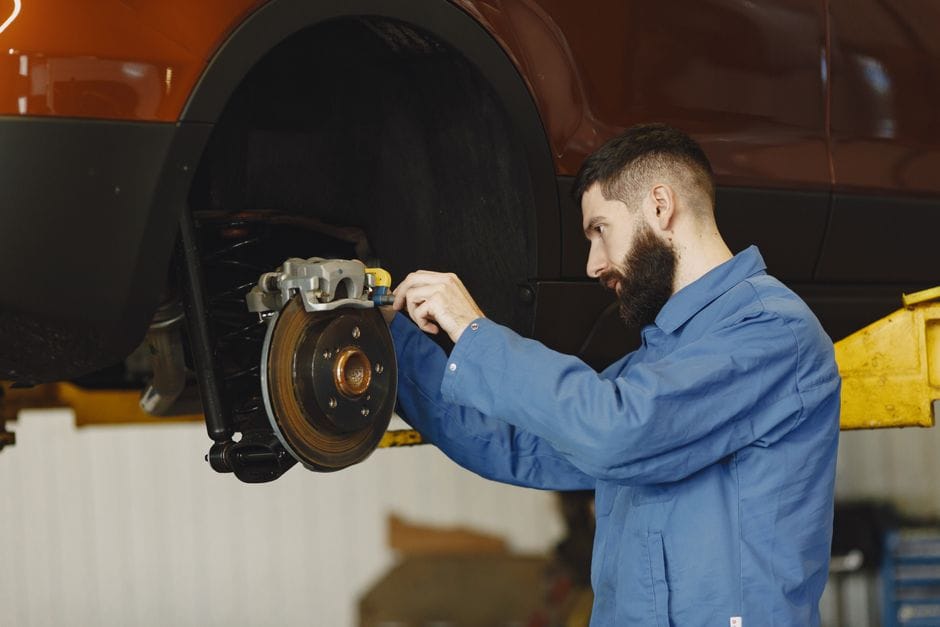
Brake pad lifespan is the total distance a set of friction material lasts before it wears down to its minimum safe thickness. It’s measured in miles or kilometers, but it’s not a fixed number. The same set of pads can last 25,000 miles in one car and 70,000 in another. That gap isn’t a manufacturing flaw — it’s the result of how the pads are used.
Defining the Central Entity: The Difference Between Lifespan and Wear Rate
Lifespan and wear rate are two sides of the same coin. Lifespan is the total mileage you get from a set of pads. Wear rate is how quickly the friction material is consumed per 1,000 miles. A heavy-footed driver in stop-and-go traffic has a high wear rate. Their brake pad lifespan shrinks accordingly. A highway commuter who uses gentle, progressive braking has a low wear rate. They can double their lifespan. This distinction matters. It shifts the question from “how long do brake pads last” to “how long will MY brake pads last given how I drive.”
The 25,000 to 70,000 Mile Rule: Where It Comes From and Why It’s a Range
The 25,000 to 70,000 Mile Rule: Details
The widely cited 25,000 to 70,000-mile range has a solid basis. It comes from aggregate fleet data collected by brake manufacturers and automotive service organizations. The lower bound reflects severe-duty scenarios. These include heavy city traffic, frequent hard braking, towing, and mountainous terrain. The upper bound represents ideal conditions. Mostly highway miles, light vehicle weight, and smooth braking habits define this end. The range exists because no single number can account for all variance. Driving behavior, vehicle type, and pad compound all differ. Some premium ceramic pads on lightweight commuter cars have been documented lasting beyond 80,000 miles. Aggressive driving on a heavy SUV with semi-metallic pads can wear out in under 20,000. The range is a planning tool, not a guarantee.
The 5 Factors That Determine How Long Your Brake Pads Last
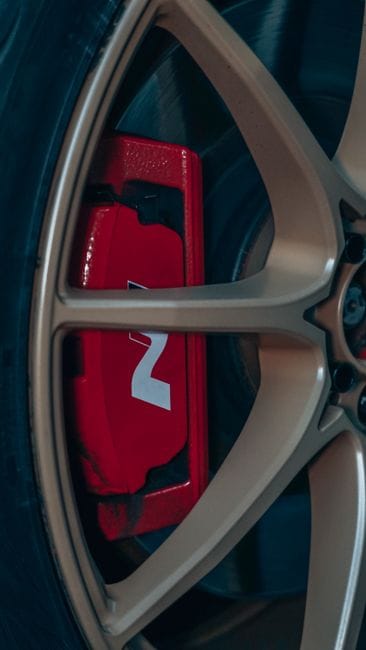
Five primary variables control brake pad wear. Each one interacts with the others, which is why two identical cars can have wildly different pad lifespans. Understanding these factors lets you predict your own replacement interval with far more accuracy than a generic mileage chart.
Driving Habits: City vs. Highway vs. Aggressive Braking
Driving style is the single largest determinant of brake pad life. City driving with frequent stop-and-go traffic forces pads to engage dozens of times per mile. This generates heat and friction that accelerates wear. Highway driving involves minimal braking. Often just a few gentle applications per hour are needed. Aggressive braking—late, hard stops from high speed—generates extreme heat. This can glaze the pad surface and cause rapid material loss. A driver who brakes smoothly and anticipates stops can extend pad life by 50% or more. This comparison holds against an aggressive driver on the same route.
Vehicle Weight and Towing Load
Heavier vehicles require more braking force to stop. This means more friction and faster pad wear. A compact car weighing 3,000 pounds will wear pads far slower than a 6,000-pound pickup truck. Towing amplifies this effect dramatically. Every additional 1,000 pounds of trailer weight increases braking demand proportionally. The heat generated during downhill towing can degrade pad material quickly. If you regularly tow or haul heavy loads, expect your brake pad lifespan to fall toward the lower end of the range. It may even fall below it.
Pad Material: Ceramic vs. Semi-Metallic vs. Organic
The friction compound determines both stopping performance and wear characteristics. Organic pads are made from resin, rubber, and fibers. They are soft and wear quickly but are gentle on rotors. Semi-metallic pads contain steel wool, copper, and graphite. They offer strong stopping power and better heat dissipation. However, they wear faster and can be noisy. Ceramic pads use ceramic fibers and copper. They provide quiet operation, low dust, and excellent longevity. In normal driving, they often last 50,000 to 70,000 miles. However, ceramic pads can be harder on rotors and may not perform as well in extreme cold or heavy towing. Your pad material choice directly sets your expected lifespan ceiling.
Environmental and Climate Conditions
Climate and road conditions play a significant role in pad wear. Mountainous terrain with long descents forces continuous braking. This generates heat that accelerates wear. Wet or salty environments can cause corrosion on the rotor surface. This acts like sandpaper on the pads. Dusty or sandy roads introduce abrasive particles between pad and rotor. This increases the wear rate. Extreme heat can cause brake fade and pad glazing. Extreme cold can make pads brittle. Drivers in flat, dry, temperate climates typically see longer pad life. Those in mountainous, coastal, or desert regions see shorter life.
Brake System Type and Rotor Condition
The type of brake system—disc vs. drum—and the condition of the rotors affect pad lifespan. Disc brakes with properly machined, smooth rotors allow even pad contact and uniform wear. Warped or scored rotors create uneven pressure points, causing localized pad wear and premature replacement. Larger brake systems with bigger rotors and multi-piston calipers distribute heat better, extending pad life. Conversely, undersized or poorly maintained systems run hotter and wear pads faster. Regular rotor inspection and resurfacing or replacement when needed is essential to maximizing pad lifespan.
How to Tell When Your Brake Pads Are Worn Out

Knowing the signs of worn brake pads is critical for safety and cost management. Waiting too long can damage rotors, calipers, and other brake components, turning a $150 pad replacement into a $600 brake job. Here are the most reliable indicators that your pads need attention.
Audible Warning Signs: Squealing, Grinding, and Clicking
Most brake pads come with a built-in wear indicator—a small metal tab that contacts the rotor when the pad material is nearly gone, producing a high-pitched squeal. This sound is a deliberate warning that replacement is needed soon. If you hear a grinding or metal-on-metal noise, the pad material is completely gone and the backing plate is now scraping against the rotor—this requires immediate replacement of both pads and rotors. Clicking or thumping sounds when braking can indicate loose pads or worn hardware, which should be inspected promptly.
Vibration and Pulsation Through the PedalVibration and Pulsation Through the Pedal
If you feel a rhythmic pulsing or vibration through the brake pedal when stopping, it usually indicates a warped rotor rather than worn pads. However, severely worn pads can also cause uneven pressure distribution, leading to pedal feedback. Warped rotors are often caused by excessive heat from aggressive braking or by pads worn so thin that the backing plate transfers heat directly to the rotor. If you feel vibration, have both the pads and rotors inspected—replacing only the pads on a warped rotor will result in rapid wear of the new pads.
Visual Inspection: Checking Pad Thickness Without Tools
You can check your brake pad thickness in under five minutes without removing the wheel. Look through the spokes of your wheel at the brake caliper—you’ll see the outer pad pressed against the rotor. The pad material should be at least 3mm (about 1/8 inch) thick. If it looks thinner than that, or if you can see the metal backing plate, replacement is overdue. For the inner pad, you may need a flashlight and a mirror, or you can feel through the back of the caliper. Many pads also have a wear slot—a groove in the center of the pad material—that disappears when the pad is worn to its limit. If the slot is no longer visible, the pad is due for replacement.
Brake Pad Wear Sensors and Dashboard Warnings
Many modern vehicles are equipped with electronic brake pad wear sensors. These small wires or clips are embedded in the pad material and complete a circuit when the pad wears down to a preset thickness, triggering a warning light on the dashboard. Some vehicles display a message like “Brake Pads Worn” or “Service Brakes.” If your warning light illuminates, don’t ignore it—the sensor is designed to alert you before the pad reaches the metal backing plate. However, not all vehicles have these sensors, and some aftermarket pads may not include them, so visual inspection remains the most reliable method.
How to Extend Brake Pad Lifespan

While brake pads are consumable parts, you can take proactive steps to maximize their service life. These practices not only save money but also improve safety and reduce the environmental impact of frequent replacements.
Driving Techniques That Reduce Wear
The most effective way to extend brake pad life is to change how you brake. Anticipate stops by lifting off the accelerator early and allowing engine braking to slow the vehicle before applying the brakes. Use gradual, progressive pressure rather than slamming the pedal. Maintain a safe following distance to avoid sudden stops. On highways, use cruise control to maintain steady speed and minimize brake applications. In traffic, leave a gap so you can roll forward without constantly braking. These habits can extend pad life by 30% to 50% compared to aggressive driving.
Regular Maintenance and Inspection Schedules
Incorporate brake inspections into your routine vehicle maintenance. Have your brakes checked every 10,000 miles or at least once a year, whichever comes first. During these inspections, a technician can measure pad thickness, check rotor condition, lubricate caliper slide pins, and ensure the brake fluid is at the proper level. Catching minor issues early—like a sticking caliper or uneven pad wear—prevents them from becoming major problems that shorten pad life. If you do your own maintenance, inspect the pads whenever you rotate tires or change oil.
Choosing the Right Pad Material for Your Driving Profile
Selecting the appropriate pad compound for your vehicle and driving habits is one of the most impactful decisions you can make. If you drive a lightweight commuter car primarily on highways, ceramic pads offer the longest lifespan and quietest operation. If you drive a heavy truck or SUV and frequently tow, semi-metallic pads provide better heat resistance and stopping power, though they may wear faster. For performance driving or track use, specialized high-performance pads are designed to withstand extreme temperatures but wear quickly in normal street driving. Match the pad to your usage pattern to get the best balance of longevity and performance.
Brake Fluid Maintenance and System Health
Brake fluid plays a critical role in pad lifespan. Contaminated or degraded brake fluid can cause calipers to stick, keeping pads in constant contact with the rotors and causing rapid, uneven wear. Brake fluid absorbs moisture over time, which lowers its boiling point and can lead to brake fade. Replace brake fluid according to your manufacturer’s recommended interval—typically every 2 to 3 years or 30,000 to 45,000 miles. Also, ensure caliper slide pins are properly lubricated during brake service so the pads can release fully when you take your foot off the pedal.
Brake Pad Replacement: What to Expect and How Much It Costs

When your brake pads finally reach the end of their service life, you’ll need to replace them. Understanding the replacement process and associated costs helps you budget and avoid being overcharged at the shop.
Average Replacement Costs by Pad Type and Vehicle
The cost of brake pad replacement varies widely based on pad material, vehicle make and model, and whether you use a dealership, independent shop, or DIY. Economy organic pads cost $30 to $60 per axle for parts alone. Semi-metallic pads range from $50 to $100 per axle. Premium ceramic pads cost $80 to $150 per axle. Labor adds $80 to $150 per axle at an independent shop, or $150 to $250 at a dealership. Total replacement cost typically ranges from $150 to $400 per axle, with luxury and performance vehicles costing more. Many shops also recommend replacing rotors at the same time, which adds $100 to $300 per axle.
DIY vs. Professional Replacement
Replacing brake pads is a moderately difficult DIY job that requires basic mechanical skills and tools. You’ll need a jack, jack stands, lug wrench, C-clamp or brake caliper tool, and new pads. The process involves removing the wheel, unbolting the caliper, compressing the caliper piston, removing old pads, installing new pads, and reassembling. If you’re comfortable with basic car maintenance, DIY replacement can save $100 to $200 in labor costs. However, if you’re not confident, professional replacement ensures the job is done correctly and safely. Some shops offer lifetime warranty on pads, which can be valuable if you plan to keep the vehicle long-term.
When to Replace Rotors Along with Pads
Rotors don’t always need replacement when you change pads, but they should always be inspected. If the rotors are within minimum thickness specifications and have a smooth, even surface, they can be reused or resurfaced. If they’re warped, scored, cracked, or below minimum thickness, they must be replaced. Many modern vehicles use thin, lightweight rotors that cannot be resurfaced and must be replaced with every pad change. Replacing rotors with pads ensures even wear and optimal braking performance. If you’re experiencing vibration or pulsation, rotor replacement is almost always necessary.
Frequently Asked Questions About Brake Pad Lifespan

Here are answers to the most common questions drivers have about brake pad longevity, replacement, and maintenance.
How Many Miles Do Brake Pads Last on Average?
The average brake pad lifespan across all vehicles and driving conditions is approximately 40,000 to 50,000 miles. However, this average masks significant variation. Lightweight cars driven primarily on highways with gentle braking can exceed 70,000 miles. Heavy trucks, SUVs, and vehicles used for towing or delivery often need replacement at 25,000 to 35,000 miles. The best approach is to use the average as a baseline and adjust based on your specific driving habits and vehicle type.
Can Brake Pads Last 100,000 Miles?
Yes, some brake pads can last 100,000 miles or more under ideal conditions. This typically requires a lightweight vehicle, mostly highway driving, gentle braking habits, and high-quality ceramic pads. However, this is the exception rather than the rule. Even if your pads have material remaining at 100,000 miles, they should be inspected regularly for cracking, glazing, or delamination from age. Brake pads degrade over time even without use, so age is a factor independent of mileage.
Do Front or Rear Brake Pads Wear Out Faster?
Front brake pads typically
wear out faster than rear pads on most vehicles. This is because braking force is biased toward the front axle—typically 60% to 80% of stopping power comes from the front brakes. The front pads handle more heat and friction, so they wear roughly twice as fast as rear pads. On average, front pads last 30,000 to 50,000 miles while rear pads can last 50,000 to 70,000 miles. However, some vehicles with electronic brake-force distribution or regenerative braking systems may wear rear pads more evenly or even faster in certain conditions. Always inspect both axles during maintenance.
How Often Should Brake Pads Be Inspected?
Brake pads should be inspected at least once a year or every 10,000 to 12,000 miles, whichever comes first. If you drive in severe conditions—heavy city traffic, mountainous terrain, towing, or dusty roads—inspect them more frequently, every 6,000 to 8,000 miles. Many tire rotation services include a free brake inspection, so take advantage of that. If you notice any warning signs like squealing, vibration, or a soft pedal, inspect the brakes immediately regardless of the schedule.
Can Worn Brake Pads Damage Other Components?
Yes, severely worn brake pads can cause significant damage to other brake components. When the friction material is completely gone, the metal backing plate grinds against the rotor, scoring and gouging it. This often requires rotor replacement, which is far more expensive than pad replacement alone. Worn pads can also cause caliper pistons to overextend, leading to caliper damage or brake fluid leaks. In extreme cases, brake failure can occur, creating a serious safety hazard. Replacing pads at the first sign of wear is always the most cost-effective and safest approach.
Do Brake Pads Have a Shelf Life?
Yes, brake pads have a shelf life even when not installed. The friction material can degrade over time due to exposure to moisture, temperature fluctuations, and oxidation. Most manufacturers recommend using brake pads within 3 to 5 years of their manufacture date. If you’re buying pads that have been sitting on a shelf for years, check the manufacturing date code on the box. Old pads may have hardened or cracked friction material, reducing their effectiveness and lifespan once installed. Always purchase pads from reputable suppliers with good inventory turnover.
Brake Pad Lifespan by Vehicle Type

Different vehicle categories have different brake pad lifespan expectations due to variations in weight, power, and intended use. Here’s what you can expect based on the type of vehicle you drive.
Compact and Midsize Cars
Compact and midsize sedans typically have the longest brake pad lifespan. Weighing between 2,800 and 3,500 pounds, these vehicles require less braking force than larger vehicles. With normal driving habits, front pads on these cars typically last 40,000 to 60,000 miles, while rear pads can reach 60,000 to 80,000 miles. Highway commuters driving compact cars with ceramic pads have been known to exceed 80,000 miles on a single set. These vehicles are also the most affordable to service, with replacement costs typically ranging from $150 to $300 per axle.
SUVs and Crossovers
SUVs and crossovers weigh between 3,500 and 5,500 pounds, putting significantly more stress on the braking system. Front pads on these vehicles typically last 30,000 to 45,000 miles, while rear pads last 40,000 to 60,000 miles. Heavier full-size SUVs like the Chevrolet Suburban or Ford Expedition may see even shorter lifespans, especially if used for towing. The added weight and higher center of gravity increase braking demand, particularly in emergency stops and downhill driving. Replacement costs for SUVs are higher due to larger components, typically $200 to $400 per axle.
Pickup Trucks and Commercial Vehicles
Pickup trucks and commercial vehicles face the toughest braking conditions. A half-ton pickup truck weighing 5,000 pounds empty can easily reach 7,000 pounds or more when loaded or towing. Front brake pads on these vehicles typically last 25,000 to 40,000 miles under normal use, but can drop to 15,000 to 20,000 miles with frequent towing or heavy loads. Commercial vehicles used for delivery or construction may need pad replacement every 15,000 to 25,000 miles. These vehicles also require heavier-duty pads and rotors, increasing replacement costs to $250 to $500 per axle.
Performance and Sports Cars
Performance and sports cars present a unique case. While they’re often lighter than SUVs and trucks, they’re driven more aggressively and have larger, more powerful brake systems. High-performance pads designed for track use can wear out in as little as 5,000 to 10,000 miles under hard driving. However, street-oriented performance pads on a daily-driven sports car can last 25,000 to 40,000 miles. The cost of replacement is significantly higher—often $300 to $600 per axle for premium performance pads and rotors. Owners who track their cars should expect to replace pads frequently.
Brake Pad Wear Indicators and Legal Requirements

Understanding wear indicators and legal minimums helps you stay safe and compliant with vehicle inspection requirements.
Mechanical Wear Indicators: Squeal Tabs and Wear Slots
Most brake pads include mechanical wear indicators designed to alert you before the pad reaches a dangerous level. Squeal tabs are small metal springs or clips embedded in the pad material. When the pad wears down to about 2-3mm of material remaining, the tab contacts the rotor and produces a high-pitched squeal. This sound is intentionally annoying to prompt replacement. Wear slots are grooves cut into the pad surface that disappear when the pad is worn to its limit. Checking these indicators is part of any thorough brake inspection.
Electronic Wear Sensors
Many modern vehicles, particularly European and luxury models, use electronic wear sensors. These are small wires or clips that complete an electrical circuit when the pad wears down to a preset thickness. When the circuit is broken or completed, the vehicle’s computer triggers a dashboard warning light. Some systems display a specific message like “Brake Pads Worn” or “Service Brakes.” Electronic sensors are more precise than mechanical indicators and provide earlier warning. However, they add to the cost of replacement, typically $20 to $50 per sensor.
Legal Minimum Pad Thickness
Most states and countries have legal minimum brake pad thickness requirements, typically 2mm (about 1/16 inch) of friction material remaining. However, driving with pads at the legal minimum is dangerous—at 2mm, you have very little material left and risk metal-to-metal contact. Most manufacturers and safety organizations recommend replacing pads when they reach 3mm. Vehicles that fail brake inspections due to worn pads may be cited or fail safety inspections. Always replace pads well before they reach the legal minimum to ensure safe stopping performance.
Conclusion: Knowing When to Replace Your Brake Pads

Brake pad lifespan is not a fixed number—it’s a range determined by your driving habits, vehicle type, pad material, and environmental conditions. While the general rule of 25,000 to 70,000 miles provides a useful baseline, your actual experience will depend on how you drive and what you drive. The most reliable approach is to combine mileage estimates with regular visual inspections and attention to warning signs like squealing, vibration, or a soft pedal.
By understanding the five key factors that influence pad wear—driving habits, vehicle weight, pad material, climate, and brake system condition—you can predict your replacement interval with confidence. Adopting smoother braking techniques, maintaining your brake fluid, and choosing the right pad compound for your needs can extend pad life by 50% or more. Regular inspections every 10,000 miles or annually will catch problems early and prevent costly damage to rotors and calipers.
Ultimately, the question “how long do brake pads last” has a personalized answer. A highway commuter in a compact car with ceramic pads might go 80,000 miles between replacements, while a contractor towing a trailer with a heavy pickup might need new pads every 15,000 miles. The key is to know your own driving profile, check your pads regularly, and replace them at the first sign of significant wear. Your safety—and your wallet
—depend on it. Don’t wait for grinding noises or dashboard warnings to take action. A five-minute visual inspection every few months is all it takes to stay ahead of wear and avoid the cascading costs of damaged rotors, calipers, and compromised braking performance.
Remember that brake pads are the most critical safety-wear item on your vehicle. When in doubt, have a professional inspect your brakes. The cost of an inspection is minimal compared to the cost of an accident or a full brake system replacement. By staying informed and proactive, you’ll not only maximize the lifespan of your brake pads but also ensure reliable, safe stopping power for the life of your vehicle.
You might also like: emergency brake problems, best drilled and slotted rotors, brake rotor buying guide