
|

brake pad lifespan guide

Brake Pad Lifespan Guide: How Long They Last, Wear Factors, and When to Replace

Brake pads are the friction components in your vehicle’s disc braking system. They press against the rotors to convert kinetic energy into heat, bringing your car to a controlled stop. As a wear-and-tear item, they are designed to degrade over time. Exactly how long they last depends on material composition, driving habits, vehicle weight, and environmental conditions. Most drivers don’t think about brake pads until they hear a telltale squeal or feel a pulsating pedal. Understanding their lifespan before failure occurs is critical for both safety and budget planning.

This guide breaks down the real-world lifespan of brake pads across different material types — from organic and semi-metallic to ceramic. It also examines the specific factors that accelerate or extend their service life. You’ll learn how to recognize the warning signs of worn pads. You’ll also learn how to measure remaining thickness accurately and when replacement becomes non-negotiable. We’ll also cover the cost implications of delaying this maintenance. This includes the risk of rotor damage that can turn a $150 pad replacement into a $600 brake job.

Unlike generic advice that gives you a one-size-fits-all mileage figure, this article provides data-driven estimates. These estimates are based on driving patterns, vehicle specifications, and pad composition. You’ll get a practical decision framework for when to inspect, when to replace, and how to choose the right pad type for your specific needs. This applies whether you’re commuting daily in stop-and-go traffic, towing heavy loads, or tracking your car on weekends.

What Is Brake Pad Lifespan and Why It Varies So Much
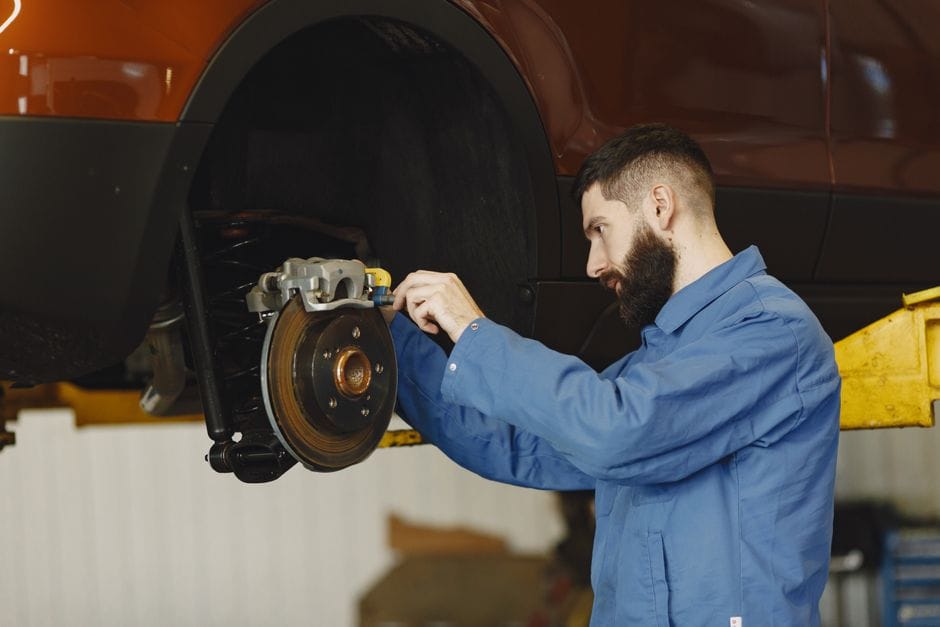
What Is Brake Pad Lifespan and Why It Varies So Much - brake pad lifespan guide

Brake pad lifespan is the period a set of friction material lasts before it drops below a safe thickness. You usually measure it in miles, but time and driving style matter just as much. A brake pad’s job is simple: it presses against the brake rotor to convert your vehicle’s kinetic energy into heat. That friction is what slows you down, and it is also what wears the pad down.

The “lifespan” figure you see on forums or in product listings is never a guarantee. It is an estimate based on average driving conditions. The same set of pads might last 30,000 miles on one car and 70,000 on another. That spread is not a manufacturing defect. It reflects how the brake system is used, what the friction material is made of, and the weight of the vehicle.

Defining Brake Pad Lifespan: Miles, Time, and Friction Cycles

Manufacturers rate brake pad lifespan in three ways: miles driven, calendar time, and friction cycles. Miles are the most common metric, but they don’t tell the whole story. A mile of stop-and-go city driving creates far more friction cycles than a mile of highway cruising. Time matters too — brake pads degrade from moisture absorption and oxidation even when the car sits idle. Friction cycles, the actual number of times the pads clamp down on the rotors, are the most accurate measure but the hardest for drivers to track. Most pad formulations are engineered for a service life of 30,000 to 70,000 miles under mixed driving, but that range can shift dramatically based on the variables discussed below.

How Brake Pads Differ From Rotors, Calipers, and Sensors

Brake pads are the replaceable friction surfaces, but they work in concert with several other components. Rotors are the metal discs the pads clamp onto; they also wear but typically last two to three times longer than pads. Calipers are the hydraulic clamps that squeeze the pads against the rotors — they don’t wear out in the same way but can fail mechanically. Brake pad sensors are small wear indicators embedded in the pad material that trigger a dashboard warning when the pad gets thin. Understanding these distinctions matters because replacing pads without addressing a warped rotor or sticking caliper will lead to premature wear on the new set. The pad is the sacrificial component, but its lifespan is directly tied to the health of the entire brake system.


Top Picks

Best Overall

Runner Up

Average Brake Pad Lifespan by Mileage: Realistic Expectations
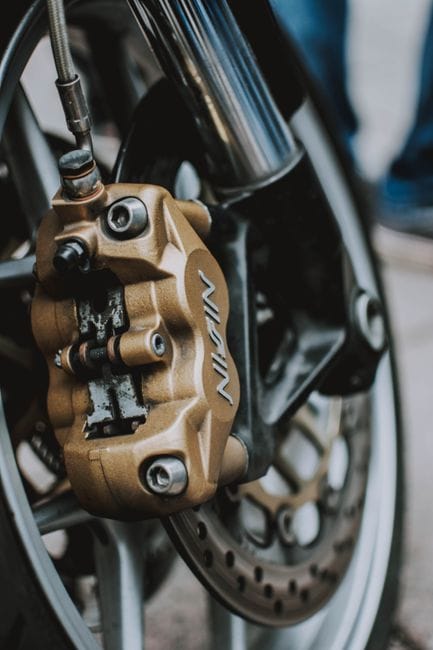
Average Brake Pad Lifespan by Mileage - brake pad lifespan guide

Typical Mileage Ranges: 30,000 to 70,000 Miles

The most commonly cited brake pad lifespan range is 30,000 to 70,000 miles. This is not a random spread — it reflects the difference between aggressive and conservative driving, pad material quality, and vehicle type. The table below breaks down realistic expectations by pad material and driving scenario.

Pad Material City Driving (Stop-and-Go) Highway Driving Mixed Driving Heavy Towing / Track Use
Organic (Non-Asbestos) 20,000 – 30,000 miles 40,000 – 50,000 miles 30,000 – 40,000 miles 15,000 – 20,000 miles
Semi-Metallic 25,000 – 35,000 miles 50,000 – 65,000 miles 35,000 – 50,000 miles 20,000 – 30,000 miles
Ceramic 30,000 – 40,000 miles 60,000 – 80,000 miles 45,000 – 60,000 miles 25,000 – 35,000 miles
Low-Metallic (Performance) 20,000 – 30,000 miles 40,000 – 55,000 miles 30,000 – 40,000 miles 15,000 – 25,000 miles

Why Some Pads Last 20,000 Miles and Others 80,000+

The spread between 20,000 and 80,000 miles is not luck — it’s physics. Vehicle weight is the single biggest factor. A 4,500-pound SUV requires significantly more braking force than a 2,800-pound compact car, which translates to more friction and faster pad wear. Driving habits are second: hard braking from high speed generates more heat and removes more material per stop than gradual deceleration. Pad material composition is third — ceramic pads are formulated for longevity and low dust, while organic pads prioritize quiet operation and low cost at the expense of lifespan. Finally, terrain matters: mountain driving with long descents and frequent braking will wear pads faster than flat, open roads. A driver who does mostly highway miles in a lightweight car with ceramic pads can easily exceed 80,000 miles, while the same pads in a heavy truck used for towing might be done at 20,000.

Time-Based Wear: What Happens When a Car Sits

Brake pad lifespan isn’t only about miles — time is a factor even for parked vehicles. When a car sits for weeks or months, the friction material absorbs moisture from the air. This can cause surface rust on the rotors and lead to uneven pad glazing when the car is finally driven. The pad material itself can also harden or become brittle over time, especially in extreme heat or cold. Most manufacturers recommend replacing brake pads after 5 to 7 years regardless of mileage, because the friction compound degrades chemically even without use. If you’re buying a used car that’s been sitting, or storing a vehicle seasonally, factor in time-based wear rather than assuming low mileage means fresh pads.

Key Factors That Accelerate or Extend Brake Pad Wear

Key Factors That Accelerate Brake Pad Wear - brake pad lifespan guide

Driving Habits: Aggressive Braking vs. Highway Cruising

Your right foot is the most powerful variable in brake pad lifespan. Aggressive braking — slamming the pedal at the last moment, riding the brakes downhill, or frequent high-speed deceleration — generates intense heat that accelerates friction material loss. Each hard stop can remove several times more material than a gentle, progressive stop. Conversely, highway cruising with minimal braking allows
pads to last dramatically longer. Drivers who anticipate stops, coast to red lights, and use engine braking on descents can extend pad life by 50% or more compared to aggressive drivers. The difference between 30,000 and 70,000 miles often comes down to this single behavioral factor.

Pad Material Composition: Organic, Semi-Metallic, Ceramic, and Low-Metallic

The friction material in your brake pads is the primary determinant of how long they last. Organic pads, made from glass, rubber, and Kevlar fibers, are soft and quiet but wear fastest — typically 20,000 to 40,000 miles. Semi-metallic pads use steel wool and copper mixed with resin; they handle heat well and last 30,000 to 60,000 miles but can be noisy and abrasive to rotors. Ceramic pads use ceramic fibers and copper; they offer the best balance of longevity (40,000 to 70,000+ miles), low dust, and quiet operation, though they cost more. Low-metallic pads, favored for performance driving, provide excellent stopping power but sacrifice lifespan, often needing replacement at 15,000 to 30,000 miles. Choosing the right material for your driving profile is the most effective way to manage lifespan expectations.

Vehicle Weight, Towing, and Terrain

Heavier vehicles generate more kinetic energy that must be converted to heat during braking, which directly translates to faster pad wear. A full-size pickup truck towing a trailer can wear through a set of pads in 15,000 miles, while the same truck unloaded might get 40,000. Terrain amplifies this effect: mountain driving with long descents requires sustained braking, which builds heat and accelerates wear. Conversely, flat terrain and light loads allow pads to run cool and last longer. If you regularly tow, haul heavy cargo, or drive in hilly regions, plan for pad replacement at the lower end of the mileage range.

Environmental Conditions: Heat, Moisture, and Road Contaminants

Climate and road conditions play a significant role in brake pad lifespan. Extreme heat can cause brake fade and accelerate material breakdown, while cold climates with road salt create corrosive conditions that can damage both pads and rotors. Moisture from rain or high humidity promotes surface rust on rotors, which acts as an abrasive that wears pads faster. Dust, sand, and gravel roads embed particles in the pad material, turning them into grinding agents. Drivers in harsh environments should inspect their pads more frequently and consider ceramic pads, which are more resistant to environmental degradation than organic alternatives.

Wear Indicators: How to Tell When Brake Pads Are Worn

Wear Indicators for Brake Pads - brake pad lifespan guide

Audible Warning Signs: Squealing, Grinding, and Clicking

The most common wear indicator is a high-pitched squeal when braking. This is caused by a small metal tab — the wear indicator — that contacts the rotor when the pad material drops below 3mm. The sound is intentionally annoying to prompt replacement. If you hear grinding or a deep metallic scraping, the pad material is completely gone and the metal backing plate is contacting the rotor directly. This is an emergency situation that requires immediate replacement and likely rotor resurfacing or replacement. Clicking sounds when braking can indicate loose pads or worn hardware, which should be inspected even if the friction material has life remaining.

Visual Inspection: Measuring Pad Thickness

Visual inspection is the most reliable way to assess brake pad wear. With the wheel removed, look through the caliper opening to see the pad material. New pads have roughly 10-12mm of friction material. At 3mm, replacement is recommended. At 1-2mm, replacement is urgent. You can measure with a simple ruler or use a brake pad thickness gauge for precision. Some pads have a wear indicator slot — a groove in the center of the pad — that disappears when the pad is worn. If you can’t see the groove, the pad is at the end of its life. Check both the inner and outer pads, as they can wear unevenly due to caliper issues.

Electronic Wear Sensors and Dashboard Warnings

Many modern vehicles are equipped with electronic brake pad wear sensors. These are small wires embedded in the pad material that complete a circuit when the pad wears down to a preset thickness, triggering a dashboard warning light. When this light illuminates, you typically have 1,000 to 2,000 miles before the pad reaches the backing plate. Some sensors are single-use and must be replaced with the pads, while others are reusable. If your vehicle has this feature, never ignore the warning — it’s the most accurate real-time indicator of pad condition available. However, not all vehicles have sensors, so regular visual inspection remains essential.

Measurement Methods and Replacement Thresholds

Measurement Methods for Brake Pad Wear - brake pad lifespan guide

Using a Caliper or Ruler for Accurate Thickness Measurement

For precise measurement, use a digital caliper or a dedicated brake pad thickness gauge. Place the caliper jaws against the backing plate and the friction surface, ensuring you’re measuring the thickest part of the pad. Take measurements at both the top and bottom of the pad, as tapered wear is common. A brake pad thickness gauge is a simple tool with a sliding scale that fits between the pad and rotor — it’s quick and requires no wheel removal if you can access the pad through the caliper opening. For DIY mechanics, a basic caliper costs under $20 and provides accurate readings to 0.1mm.

Minimum Thickness Standards: 3mm, 2mm, and 1mm Thresholds

Industry standards define three critical thresholds for brake pad thickness. At 3mm, the pad is considered “worn” and replacement is recommended — this is when the audible wear indicator typically activates. At 2mm, the pad is “critically worn” and replacement should happen immediately; braking performance is noticeably reduced, and the risk of rotor damage increases. At 1mm, the pad is “dangerously worn” — the friction material is nearly gone, and the metal backing plate is at risk of contacting the rotor, which can cause catastrophic brake failure and expensive rotor damage. Never drive on pads below 2mm. The cost of replacing pads early is minimal compared to the cost of replacing rotors or dealing with brake failure.

When Replacement Becomes Non-Negotiable

Replacement is non-negotiable when any of the following conditions exist: pad thickness below 2mm, visible cracks or delamination in the friction material, uneven wear across the pad surface, or any grinding noise indicating metal-on-metal contact. Also, if the pad material has become glazed — appearing shiny and smooth rather than matte — braking performance is compromised even if thickness is adequate. Glazing occurs from overheating and requires pad replacement. If your brake pedal feels spongy, pulsates, or requires more travel than usual, have the entire brake system inspected immediately — these symptoms can indicate pad wear, rotor issues, or hydraulic problems that need professional attention.

Consequences of Delaying Brake Pad Replacement

Consequences of Delaying Brake Pad Replacement - brake pad lifespan guide

Rotor Damage and the Cost of a Full Brake Job

The most immediate consequence of delaying pad replacement is rotor damage. When the friction material wears away completely, the metal backing plate grinds against the rotor surface, scoring deep grooves that cannot be resurfaced. A single set of rotors typically costs $100 to $300 per axle for aftermarket parts, and $300 to $600 for OEM or performance rotors. When you factor in labor, a pad-only replacement might cost $150 to $300 per axle, but a pad-and-rotor job runs $400 to $800 per axle. Delaying replacement by just a few thousand miles can easily triple your brake repair costs.

Safety Risks: Increased Stopping Distance and Brake Failure

Worn brake pads significantly increase stopping distance. At 2mm of material, braking performance is reduced by up to 30% compared to new pads. This is especially dangerous in emergency situations where every foot matters. Beyond performance degradation, there’s the risk of complete brake failure. If the backing plate cracks or the pad separates from the plate entirely, you can lose braking on that wheel entirely. This can cause the vehicle to pull violently to one side or result in a total loss of braking ability. The safety risk to you, your passengers, and other road users is simply not worth the cost savings of delaying replacement.

Secondary Damage to Calipers, Hardware, and Brake Fluid

Worn pads don’t just damage rotors — they can also harm calipers and brake hardware. When pads wear unevenly,
the caliper piston can become angled, leading to uneven pressure distribution and premature caliper seal failure. The heat generated by metal-on-metal contact can also damage the caliper’s internal seals, causing brake fluid leaks. Also, worn pads allow excessive heat to transfer to the brake fluid, which can cause it to boil, resulting in a spongy pedal and reduced braking power. Brake hardware — the clips, shims, and pins that hold the pads in place — can also become corroded or damaged from excessive heat and debris, requiring replacement. These secondary failures can add hundreds of dollars to your repair bill and extend the time your vehicle is out of service.

Brake Pad Material Types and Their Lifespan Trade-offs

Brake Pad Material Types and Lifespan - brake pad lifespan guide

Organic Pads: Quiet but Short-Lived

Organic brake pads, also known as non-asbestos organic (NAO) pads, are made from a mixture of glass fibers, Kevlar, rubber, and other materials bonded with resin. They are the softest pad type, which makes them quiet and gentle on rotors, but it also means they wear fastest. Typical lifespan ranges from 20,000 to 40,000 miles depending on driving conditions. They produce more dust than other types and are best suited for light, low-performance vehicles used primarily for city commuting. Their low cost makes them attractive, but the frequent replacement intervals can offset the initial savings.

Semi-Metallic Pads: Durable but Harsh

Semi-metallic pads contain 30% to 65% metal content — typically steel wool, copper, and iron — mixed with friction modifiers and resin. They offer excellent heat dissipation and stopping power, making them popular for trucks, SUVs, and performance vehicles. Lifespan typically ranges from 30,000 to 60,000 miles. However, they are noisier than organic or ceramic pads, produce more rotor wear, and can be harsh on brake discs, especially when cold. They also tend to rust on the metal surfaces if the vehicle sits for extended periods.

Ceramic Pads: The Longevity Champion

Ceramic pads use ceramic fibers, copper, and bonding agents to create a pad that is both durable and quiet. They are the most expensive option but offer the longest lifespan — typically 40,000 to 70,000 miles, with some drivers reporting 80,000+ miles under favorable conditions. Ceramic pads produce minimal dust, are gentle on rotors, and provide consistent braking performance across a wide temperature range. They are the best choice for drivers who want maximum lifespan and low maintenance, though they may not offer the ultimate stopping power of semi-metallic pads in extreme performance scenarios.

Low-Metallic Pads: Performance at the Cost of Longevity

Low-metallic pads contain a small amount of metal (10% to 30%) mixed with organic materials. They are designed for high-performance and track use, offering excellent initial bite and high-temperature stability. However, this performance comes at the cost of lifespan — typically 15,000 to 30,000 miles. They are also noisy, produce significant dust, and can wear rotors quickly. These pads are best reserved for enthusiasts who prioritize braking performance over longevity and are willing to accept more frequent replacements.

How to Extend Brake Pad Lifespan

How to Extend Brake Pad Lifespan - brake pad lifespan guide

Adopt Smooth Braking Techniques

The single most effective way to extend brake pad lifespan is to change your braking habits. Anticipate stops by scanning the road ahead and lifting off the accelerator early. Brake progressively — apply steady, moderate pressure rather than slamming the pedal at the last moment. Use engine braking on downhill descents by downshifting instead of riding the brakes. Leave extra following distance so you can coast to a stop rather than braking hard. These techniques can extend pad life by 30% to 50% without any additional cost.

Regular Maintenance and Inspection

Regular brake inspections catch wear issues before they become major problems. Have your brakes inspected at every oil change or every 6,000 to 8,000 miles. During inspection, check pad thickness, rotor condition, caliper function, and brake fluid level. Address any uneven wear patterns immediately — they often indicate a sticking caliper or worn hardware that will accelerate pad wear if left untreated. Lubricate caliper slide pins and replace worn shims and clips during pad replacement to ensure even wear across the pad surface.

Choose the Right Pad Material for Your Driving Profile

Selecting the appropriate pad material for your vehicle and driving habits is crucial for maximizing lifespan. If you do mostly highway driving in a light vehicle, ceramic pads will provide the longest service life. If you drive a heavy truck or tow regularly, semi-metallic pads offer the durability needed for high-heat conditions. If you’re on a tight budget and drive gently in the city, organic pads may be sufficient despite their shorter lifespan. Matching the pad to your usage pattern is the most cost-effective strategy over the long term.

Keep Your Brake System Healthy

A well-maintained brake system extends pad life. Replace brake fluid every 2 years or 30,000 miles to prevent moisture contamination that can cause corrosion and reduce braking efficiency. Ensure calipers are functioning properly — a sticking caliper will cause one pad to wear faster than the other. Replace worn rotors when they fall below minimum thickness specifications, as thin rotors can cause uneven pad wear. Address any brake system warning lights immediately, as they often indicate issues that will accelerate pad wear if ignored.


Cost Considerations: Pad Replacement vs. Full Brake Job

Cost of Brake Pad Replacement - brake pad lifespan guide

Average Costs for Pad-Only Replacement

A pad-only replacement typically costs $150 to $300 per axle, including parts and labor. Organic pads are the cheapest at $30 to $60 per set, while ceramic pads run $60 to $120 per set. Labor costs vary by region and shop, typically ranging from $80 to $150 per axle. DIY replacement can save you the labor cost, but requires the right tools and mechanical knowledge. Pad-only replacement is the most economical option if your rotors are still within specification and have no significant scoring or warping.

When Rotors Need Replacement or Resurfacing

If your rotors are scored, warped, or below minimum thickness, they must be resurfaced or replaced. Resurfacing costs $15 to $25 per rotor and is only possible if the rotor has enough material remaining. Replacement rotors cost $50 to $150 each for aftermarket parts, or $150 to $300 each for OEM or performance rotors. When rotors are replaced, the total cost for a pad-and-rotor job ranges from $400 to $800 per axle. This is why timely pad replacement is so important — it can save you hundreds of dollars in rotor costs.

Long-Term Cost Comparison: Cheap Pads vs. Premium Pads

While cheap organic pads may save money upfront, they often need replacement twice as frequently as premium ceramic pads. Over 60,000 miles, you might replace organic pads three times at $150 each, totaling $450. A single set of ceramic pads at $250 to $300 would last the same distance, saving you $150 to $200. Also, premium pads are gentler on rotors, potentially extending rotor life and avoiding premature rotor replacement costs. When you factor in labor costs for each replacement, premium pads are almost always the more economical choice over the long term.

Frequently Asked Questions About Brake Pad Lifespan

FAQ About Brake Pad Lifespan - brake pad lifespan guide

How Many Miles Do Brake Pads Typically Last?

The typical brake pad lifespan is 30,000 to 70,000 miles, with the average falling around 40,000 to 50,000 miles. However, this range is highly variable. Drivers who do mostly highway driving in a light vehicle with ceramic pads can exceed 80,000 miles, while aggressive drivers in heavy vehicles with organic pads may need replacement at 15,000 to 20,000 miles. The best approach is to inspect your pads regularly rather than relying on a fixed mileage interval.

Can Brake Pads Last 100,000 Miles?

While rare, some drivers do report brake pad lifespans exceeding

Brake Pad Lifespan Guide: How Long They Last, Wear Factors, and When to Replace

Brake pads are the friction components in your vehicle’s disc braking system. They press against the rotors to convert kinetic energy into heat, bringing your car to a controlled stop. As a wear-and-tear item, they are designed to degrade over time. Exactly how long they last depends on material composition, driving habits, vehicle weight, and environmental conditions. Most drivers don’t think about brake pads until they hear a telltale squeal or feel a pulsating pedal. Understanding their lifespan before failure occurs is critical for both safety and budget planning.

This guide breaks down the real-world lifespan of brake pads across different material types — from organic and semi-metallic to ceramic. It also examines the specific factors that accelerate or extend their service life. You’ll learn how to recognize the warning signs of worn pads. You’ll also learn how to measure remaining thickness accurately and when replacement becomes non-negotiable. We’ll also cover the cost implications of delaying this maintenance. This includes the risk of rotor damage that can turn a $150 pad replacement into a $600 brake job.

Unlike generic advice that gives you a one-size-fits-all mileage figure, this article provides data-driven estimates. These estimates are based on driving patterns, vehicle specifications, and pad composition. You’ll get a practical decision framework for when to inspect, when to replace, and how to choose the right pad type for your specific needs. This applies whether you’re commuting daily in stop-and-go traffic, towing heavy loads, or tracking your car on weekends.

What Is Brake Pad Lifespan and Why It Varies So Much

What Is Brake Pad Lifespan and Why It Varies So Much - brake pad lifespan guide

Brake pad lifespan is the period a set of friction material lasts before it drops below a safe thickness. You usually measure it in miles, but time and driving style matter just as much. A brake pad’s job is simple: it presses against the brake rotor to convert your vehicle’s kinetic energy into heat. That friction is what slows you down, and it is also what wears the pad down.

The “lifespan” figure you see on forums or in product listings is never a guarantee. It is an estimate based on average driving conditions. The same set of pads might last 30,000 miles on one car and 70,000 on another. That spread is not a manufacturing defect. It reflects how the brake system is used, what the friction material is made of, and the weight of the vehicle.

Defining Brake Pad Lifespan: Miles, Time, and Friction Cycles

Manufacturers rate brake pad lifespan in three ways: miles driven, calendar time, and friction cycles. Miles are the most common metric, but they don’t tell the whole story. A mile of stop-and-go city driving creates far more friction cycles than a mile of highway cruising. Time matters too — brake pads degrade from moisture absorption and oxidation even when the car sits idle. Friction cycles, the actual number of times the pads clamp down on the rotors, are the most accurate measure but the hardest for drivers to track. Most pad formulations are engineered for a service life of 30,000 to 70,000 miles under mixed driving, but that range can shift dramatically based on the variables discussed below.

How Brake Pads Differ From Rotors, Calipers, and Sensors

Brake pads are the replaceable friction surfaces, but they work in concert with several other components. Rotors are the metal discs the pads clamp onto; they also wear but typically last two to three times longer than pads. Calipers are the hydraulic clamps that squeeze the pads against the rotors — they don’t wear out in the same way but can fail mechanically. Brake pad sensors are small wear indicators embedded in the pad material that trigger a dashboard warning when the pad gets thin. Understanding these distinctions matters because replacing pads without addressing a warped rotor or sticking caliper will lead to premature wear on the new set. The pad is the sacrificial component, but its lifespan is directly tied to the health of the entire brake system.


Average Brake Pad Lifespan by Mileage: Realistic Expectations

Average Brake Pad Lifespan by Mileage - brake pad lifespan guide

Typical Mileage Ranges: 30,000 to 70,000 Miles

The most commonly cited brake pad lifespan range is 30,000 to 70,000 miles. This is not a random spread — it reflects the difference between aggressive and conservative driving, pad material quality, and vehicle type. The table below breaks down realistic expectations by pad material and driving scenario.

Pad Material City Driving (Stop-and-Go) Highway Driving Mixed Driving Heavy Towing / Track Use
Organic (Non-Asbestos) 20,000 – 30,000 miles 40,000 – 50,000 miles 30,000 – 40,000 miles 15,000 – 20,000 miles
Semi-Metallic 25,000 – 35,000 miles 50,000 – 65,000 miles 35,000 – 50,000 miles 20,000 – 30,000 miles
Ceramic 30,000 – 40,000 miles 60,000 – 80,000 miles 45,000 – 60,000 miles 25,000 – 35,000 miles
Low-Metallic (Performance) 20,000 – 30,000 miles 40,000 – 55,000 miles 30,000 – 40,000 miles 15,000 – 25,000 miles

Why Some Pads Last 20,000 Miles and Others 80,000+

The spread between 20,000 and 80,000 miles is not luck — it’s physics. Vehicle weight is the single biggest factor. A 4,500-pound SUV requires significantly more braking force than a 2,800-pound compact car, which translates to more friction and faster pad wear. Driving habits are second: hard braking from high speed generates more heat and removes more material per stop than gradual deceleration. Pad material composition is third — ceramic pads are formulated for longevity and low dust, while organic pads prioritize quiet operation and low cost at the expense of lifespan. Finally, terrain matters: mountain driving with long descents and frequent braking will wear pads faster than flat, open roads. A driver who does mostly highway miles in a lightweight car with ceramic pads can easily exceed 80,000 miles, while the same pads in a heavy truck used for towing might be done at 20,000.

Time-Based Wear: What Happens When a Car Sits

Brake pad lifespan isn’t only about miles — time is a factor even for parked vehicles. When a car sits for weeks or months, the friction material absorbs moisture from the air. This can cause surface rust on the rotors and lead to uneven pad glazing when the car is finally driven. The pad material itself can also harden or become brittle over time, especially in extreme heat or cold. Most manufacturers recommend replacing brake pads after 5 to 7 years regardless of mileage, because the friction compound degrades chemically even without use. If you’re buying a used car that’s been sitting, or storing a vehicle seasonally, factor in time-based wear rather than assuming low mileage means fresh pads.

Key Factors That Accelerate or Extend Brake Pad Wear

Key Factors That Accelerate Brake Pad Wear - brake pad lifespan guide

Driving Habits: Aggressive Braking vs. Highway Cruising

Your right foot is the most powerful variable in brake pad lifespan. Aggressive braking — slamming the pedal at the last moment, riding the brakes downhill, or frequent high-speed deceleration — generates intense heat that accelerates friction material loss. Each hard stop can remove several times more material than a gentle, progressive stop. Conversely, highway cruising with minimal braking allows
pads to last dramatically longer. Drivers who anticipate stops, coast to red lights, and use engine braking on descents can extend pad life by 50% or more compared to aggressive drivers. The difference between 30,000 and 70,000 miles often comes down to this single behavioral factor.

Pad Material Composition: Organic, Semi-Metallic, Ceramic, and Low-Metallic

The friction material in your brake pads is the primary determinant of how long they last. Organic pads, made from glass, rubber, and Kevlar fibers, are soft and quiet but wear fastest — typically 20,000 to 40,000 miles. Semi-metallic pads use steel wool and copper mixed with resin; they handle heat well and last 30,000 to 60,000 miles but can be noisy and abrasive to rotors. Ceramic pads use ceramic fibers and copper; they offer the best balance of longevity (40,000 to 70,000+ miles), low dust, and quiet operation, though they cost more. Low-metallic pads, favored for performance driving, provide excellent stopping power but sacrifice lifespan, often needing replacement at 15,000 to 30,000 miles. Choosing the right material for your driving profile is the most effective way to manage lifespan expectations.

Vehicle Weight, Towing, and Terrain

Heavier vehicles generate more kinetic energy that must be converted to heat during braking, which directly translates to faster pad wear. A full-size pickup truck towing a trailer can wear through a set of pads in 15,000 miles, while the same truck unloaded might get 40,000. Terrain amplifies this effect: mountain driving with long descents requires sustained braking, which builds heat and accelerates wear. Conversely, flat terrain and light loads allow pads to run cool and last longer. If you regularly tow, haul heavy cargo, or drive in hilly regions, plan for pad replacement at the lower end of the mileage range.

Environmental Conditions: Heat, Moisture, and Road Contaminants

Climate and road conditions play a significant role in brake pad lifespan. Extreme heat can cause brake fade and accelerate material breakdown, while cold climates with road salt create corrosive conditions that can damage both pads and rotors. Moisture from rain or high humidity promotes surface rust on rotors, which acts as an abrasive that wears pads faster. Dust, sand, and gravel roads embed particles in the pad material, turning them into grinding agents. Drivers in harsh environments should inspect their pads more frequently and consider ceramic pads, which are more resistant to environmental degradation than organic alternatives.

Wear Indicators: How to Tell When Brake Pads Are Worn

Wear Indicators for Brake Pads - brake pad lifespan guide

Audible Warning Signs: Squealing, Grinding, and Clicking

The most common wear indicator is a high-pitched squeal when braking. This is caused by a small metal tab — the wear indicator — that contacts the rotor when the pad material drops below 3mm. The sound is intentionally annoying to prompt replacement. If you hear grinding or a deep metallic scraping, the pad material is completely gone and the metal backing plate is contacting the rotor directly. This is an emergency situation that requires immediate replacement and likely rotor resurfacing or replacement. Clicking sounds when braking can indicate loose pads or worn hardware, which should be inspected even if the friction material has life remaining.

Visual Inspection: Measuring Pad Thickness

Visual inspection is the most reliable way to assess brake pad wear. With the wheel removed, look through the caliper opening to see the pad material. New pads have roughly 10-12mm of friction material. At 3mm, replacement is recommended. At 1-2mm, replacement is urgent. You can measure with a simple ruler or use a brake pad thickness gauge for precision. Some pads have a wear indicator slot — a groove in the center of the pad — that disappears when the pad is worn. If you can’t see the groove, the pad is at the end of its life. Check both the inner and outer pads, as they can wear unevenly due to caliper issues.

Electronic Wear Sensors and Dashboard Warnings

Many modern vehicles are equipped with electronic brake pad wear sensors. These are small wires embedded in the pad material that complete a circuit when the pad wears down to a preset thickness, triggering a dashboard warning light. When this light illuminates, you typically have 1,000 to 2,000 miles before the pad reaches the backing plate. Some sensors are single-use and must be replaced with the pads, while others are reusable. If your vehicle has this feature, never ignore the warning — it’s the most accurate real-time indicator of pad condition available. However, not all vehicles have sensors, so regular visual inspection remains essential.

Measurement Methods and Replacement Thresholds

Measurement Methods for Brake Pad Wear - brake pad lifespan guide

Using a Caliper or Ruler for Accurate Thickness Measurement

For precise measurement, use a digital caliper or a dedicated brake pad thickness gauge. Place the caliper jaws against the backing plate and the friction surface, ensuring you’re measuring the thickest part of the pad. Take measurements at both the top and bottom of the pad, as tapered wear is common. A brake pad thickness gauge is a simple tool with a sliding scale that fits between the pad and rotor — it’s quick and requires no wheel removal if you can access the pad through the caliper opening. For DIY mechanics, a basic caliper costs under $20 and provides accurate readings to 0.1mm.

Minimum Thickness Standards: 3mm, 2mm, and 1mm Thresholds

Industry standards define three critical thresholds for brake pad thickness. At 3mm, the pad is considered “worn” and replacement is recommended — this is when the audible wear indicator typically activates. At 2mm, the pad is “critically worn” and replacement should happen immediately; braking performance is noticeably reduced, and the risk of rotor damage increases. At 1mm, the pad is “dangerously worn” — the friction material is nearly gone, and the metal backing plate is at risk of contacting the rotor, which can cause catastrophic brake failure and expensive rotor damage. Never drive on pads below 2mm. The cost of replacing pads early is minimal compared to the cost of replacing rotors or dealing with brake failure.

When Replacement Becomes Non-Negotiable

Replacement is non-negotiable when any of the following conditions exist: pad thickness below 2mm, visible cracks or delamination in the friction material, uneven wear across the pad surface, or any grinding noise indicating metal-on-metal contact. Also, if the pad material has become glazed — appearing shiny and smooth rather than matte — braking performance is compromised even if thickness is adequate. Glazing occurs from overheating and requires pad replacement. If your brake pedal feels spongy, pulsates, or requires more travel than usual, have the entire brake system inspected immediately — these symptoms can indicate pad wear, rotor issues, or hydraulic problems that need professional attention.

Consequences of Delaying Brake Pad Replacement

Consequences of Delaying Brake Pad Replacement - brake pad lifespan guide

Rotor Damage and the Cost of a Full Brake Job

The most immediate consequence of delaying pad replacement is rotor damage. When the friction material wears away completely, the metal backing plate grinds against the rotor surface, scoring deep grooves that cannot be resurfaced. A single set of rotors typically costs $100 to $300 per axle for aftermarket parts, and $300 to $600 for OEM or performance rotors. When you factor in labor, a pad-only replacement might cost $150 to $300 per axle, but a pad-and-rotor job runs $400 to $800 per axle. Delaying replacement by just a few thousand miles can easily triple your brake repair costs.

Safety Risks: Increased Stopping Distance and Brake Failure

Worn brake pads significantly increase stopping distance. At 2mm of material, braking performance is reduced by up to 30% compared to new pads. This is especially dangerous in emergency situations where every foot matters. Beyond performance degradation, there’s the risk of complete brake failure. If the backing plate cracks or the pad separates from the plate entirely, you can lose braking on that wheel entirely. This can cause the vehicle to pull violently to one side or result in a total loss of braking ability. The safety risk to you, your passengers, and other road users is simply not worth the cost savings of delaying replacement.

Secondary Damage to Calipers, Hardware, and Brake Fluid

Worn pads don’t just damage rotors — they can also harm calipers and brake hardware. When pads wear unevenly,

Brake Pad Lifespan Guide: How Long They Last, Wear Factors, and When to Replace

Brake pads are the friction components in your vehicle’s disc braking system. They press against the rotors to convert kinetic energy into heat, bringing your car to a controlled stop. As a wear-and-tear item, they are designed to degrade over time. Exactly how long they last depends on material composition, driving habits, vehicle weight, and environmental conditions. Most drivers don’t think about brake pads until they hear a telltale squeal or feel a pulsating pedal. Understanding their lifespan before failure occurs is critical for both safety and budget planning.

This guide breaks down the real-world lifespan of brake pads across different material types — from organic and semi-metallic to ceramic. It also examines the specific factors that accelerate or extend their service life. You’ll learn how to recognize the warning signs of worn pads. You’ll also learn how to measure remaining thickness accurately and when replacement becomes non-negotiable. We’ll also cover the cost implications of delaying this maintenance. This includes the risk of rotor damage that can turn a $150 pad replacement into a $600 brake job.

Unlike generic advice that gives you a one-size-fits-all mileage figure, this article provides data-driven estimates based on driving patterns, vehicle specifications, and pad composition. You’ll get a practical decision framework for when to inspect, when to replace, and how to choose the right pad type for your specific needs — whether you’re commuting daily in stop-and-go traffic, towing heavy loads, or tracking your car on weekends.

What Is Brake Pad Lifespan and Why It Varies So Much

What Is Brake Pad Lifespan and Why It Varies So Much - brake pad lifespan guide

Brake pad lifespan is the period a set of friction material lasts before it drops below a safe thickness. You usually measure it in miles, but time and driving style matter just as much. A brake pad’s job is simple: it presses against the brake rotor to convert your vehicle’s kinetic energy into heat. That friction is what slows you down, and it is also what wears the pad down.

The “lifespan” figure you see on forums or in product listings is never a guarantee. It is an estimate based on average driving conditions. The same set of pads might last 30,000 miles on one car and 70,000 on another. That spread is not a manufacturing defect. It reflects how the brake system is used, what the friction material is made of, and the weight of the vehicle.

Defining Brake Pad Lifespan: Miles, Time, and Friction Cycles

Manufacturers rate brake pad lifespan in three ways: miles driven, calendar time, and friction cycles. Miles are the most common metric, but they don’t tell the whole story. A mile of stop-and-go city driving creates far more friction cycles than a mile of highway cruising. Time matters too — brake pads degrade from moisture absorption and oxidation even when the car sits idle. Friction cycles, the actual number of times the pads clamp down on the rotors, are the most accurate measure but the hardest for drivers to track. Most pad formulations are engineered for a service life of 30,000 to 70,000 miles under mixed driving, but that range can shift dramatically based on the variables discussed below.

How Brake Pads Differ From Rotors, Calipers, and Sensors

Brake pads are the replaceable friction surfaces, but they work in concert with several other components. Rotors are the metal discs the pads clamp onto; they also wear but typically last two to three times longer than pads. Calipers are the hydraulic clamps that squeeze the pads against the rotors — they don’t wear out in the same way but can fail mechanically. Brake pad sensors are small wear indicators embedded in the pad material that trigger a dashboard warning when the pad gets thin. Understanding these distinctions matters because replacing pads without addressing a warped rotor or sticking caliper will lead to premature wear on the new set. The pad is the sacrificial component, but its lifespan is directly tied to the health of the entire brake system.


Average Brake Pad Lifespan by Mileage: Realistic Expectations

Average Brake Pad Lifespan by Mileage - brake pad lifespan guide

Typical Mileage Ranges: 30,000 to 70,000 Miles

The most commonly cited brake pad lifespan range is 30,000 to 70,000 miles. This is not a random spread — it reflects the difference between aggressive and conservative driving, pad material quality, and vehicle type. The table below breaks down realistic expectations by pad material and driving scenario.

Pad Material City Driving (Stop-and-Go) Highway Driving Mixed Driving Heavy Towing / Track Use
Organic (Non-Asbestos) 20,000 – 30,000 miles 40,000 – 50,000 miles 30,000 – 40,000 miles 15,000 – 20,000 miles
Semi-Metallic 25,000 – 35,000 miles 50,000 – 65,000 miles 35,000 – 50,000 miles 20,000 – 30,000 miles
Ceramic 30,000 – 40,000 miles 60,000 – 80,000 miles 45,000 – 60,000 miles 25,000 – 35,000 miles
Low-Metallic (Performance) 20,000 – 30,000 miles 40,000 – 55,000 miles 30,000 – 40,000 miles 15,000 – 25,000 miles

Why Some Pads Last 20,000 Miles and Others 80,000+

The spread between 20,000 and 80,000 miles is not luck — it’s physics. Vehicle weight is the single biggest factor. A 4,500-pound SUV requires significantly more braking force than a 2,800-pound compact car, which translates to more friction and faster pad wear. Driving habits are second: hard braking from high speed generates more heat and removes more material per stop than gradual deceleration. Pad material composition is third — ceramic pads are formulated for longevity and low dust, while organic pads prioritize quiet operation and low cost at the expense of lifespan. Finally, terrain matters: mountain driving with long descents and frequent braking will wear pads faster than flat, open roads. A driver who does mostly highway miles in a lightweight car with ceramic pads can easily exceed 80,000 miles, while the same pads in a heavy truck used for towing might be done at 20,000.

Time-Based Wear: What Happens When a Car Sits

Brake pad lifespan isn’t only about miles — time is a factor even for parked vehicles. When a car sits for weeks or months, the friction material absorbs moisture from the air. This can cause surface rust on the rotors and lead to uneven pad glazing when the car is finally driven. The pad material itself can also harden or become brittle over time, especially in extreme heat or cold. Most manufacturers recommend replacing brake pads after 5 to 7 years regardless of mileage, because the friction compound degrades chemically even without use. If you’re buying a used car that’s been sitting, or storing a vehicle seasonally, factor in time-based wear rather than assuming low mileage means fresh pads.

Key Factors That Accelerate or Extend Brake Pad Wear

Key Factors That Accelerate Brake Pad Wear - brake pad lifespan guide

Driving Habits: Aggressive Braking vs. Highway Cruising

Your right foot is the most powerful variable in brake pad lifespan. Aggressive braking — slamming the pedal at the last moment, riding the brakes downhill, or frequent high-speed deceleration — generates intense heat that accelerates friction material loss. Each hard stop can remove several times more material than a gentle, progressive stop. Conversely, highway cruising with minimal braking allows
pads to last dramatically longer. Drivers who anticipate stops, coast to red lights, and use engine braking on descents can extend pad life by 50% or more compared to aggressive drivers. The difference between 30,000 and 70,000 miles often comes down to this single behavioral factor.

Pad Material Composition: Organic, Semi-Metallic, Ceramic, and Low-Metallic

The friction material in your brake pads is the primary determinant of how long they last. Organic pads, made from glass, rubber, and Kevlar fibers, are soft and quiet but wear fastest — typically 20,000 to 40,000 miles. Semi-metallic pads use steel wool and copper mixed with resin; they handle heat well and last 30,000 to 60,000 miles but can be noisy and abrasive to rotors. Ceramic pads use ceramic fibers and copper; they offer the best balance of longevity (40,000 to 70,000+ miles), low dust, and quiet operation, though they cost more. Low-metallic pads, favored for performance driving, provide excellent stopping power but sacrifice lifespan, often needing replacement at 15,000 to 30,000 miles. Choosing the right material for your driving profile is the most effective way to manage lifespan expectations.

Vehicle Weight, Towing, and Terrain

Heavier vehicles generate more kinetic energy that must be converted to heat during braking, which directly translates to faster pad wear. A full-size pickup truck towing a trailer can wear through a set of pads in 15,000 miles, while the same truck unloaded might get 40,000. Terrain amplifies this effect: mountain driving with long descents requires sustained braking, which builds heat and accelerates wear. Conversely, flat terrain and light loads allow pads to run cool and last longer. If you regularly tow, haul heavy cargo, or drive in hilly regions, plan for pad replacement at the lower end of the mileage range.

Environmental Conditions: Heat, Moisture, and Road Contaminants

Climate and road conditions play a significant role in brake pad lifespan. Extreme heat can cause brake fade and accelerate material breakdown, while cold climates with road salt create corrosive conditions that can damage both pads and rotors. Moisture from rain or high humidity promotes surface rust on rotors, which acts as an abrasive that wears pads faster. Dust, sand, and gravel roads embed particles in the pad material, turning them into grinding agents. Drivers in harsh environments should inspect their pads more frequently and consider ceramic pads, which are more resistant to environmental degradation than organic alternatives.

Wear Indicators: How to Tell When Brake Pads Are Worn

Wear Indicators for Brake Pads - brake pad lifespan guide

Audible Warning Signs: Squealing, Grinding, and Clicking

The most common wear indicator is a high-pitched squeal when braking. This is caused by a small metal tab — the wear indicator — that contacts the rotor when the pad material drops below 3mm. The sound is intentionally annoying to prompt replacement. If you hear grinding or a deep metallic scraping, the pad material is completely gone and the metal backing plate is contacting the rotor directly. This is an emergency situation that requires immediate replacement and likely rotor resurfacing or replacement. Clicking sounds when braking can indicate loose pads or worn hardware, which should be inspected even if the friction material has life remaining.

Visual Inspection: Measuring Pad Thickness

Visual inspection is the most reliable way to assess brake pad wear. With the wheel removed, look through the caliper opening to see the pad material. New pads have roughly 10-12mm of friction material. At 3mm, replacement is recommended. At 1-2mm, replacement is urgent. You can measure with a simple ruler or use a brake pad thickness gauge for precision. Some pads have a wear indicator slot — a groove in the center of the pad — that disappears when the pad is worn. If you can’t see the groove, the pad is at the end of its life. Check both the inner and outer pads, as they can wear unevenly due to caliper issues.

Electronic Wear Sensors and Dashboard Warnings

Many modern vehicles are equipped with electronic brake pad wear sensors. These are small wires embedded in the pad material that complete a circuit when the pad wears down to a preset thickness, triggering a dashboard warning light. When this light illuminates, you typically have 1,000 to 2,000 miles before the pad reaches the backing plate. Some sensors are single-use and must be replaced with the pads, while others are reusable. If your vehicle has this feature, never ignore the warning — it’s the most accurate real-time indicator of pad condition available. However, not all vehicles have sensors, so regular visual inspection remains essential.

Measurement Methods and Replacement Thresholds

Measurement Methods for Brake Pad Wear - brake pad lifespan guide

Using a Caliper or Ruler for Accurate Thickness Measurement

For precise measurement, use a digital caliper or a dedicated brake pad thickness gauge. Place the caliper jaws against the backing plate and the friction surface, ensuring you’re measuring the thickest part of the pad. Take measurements at both the top and bottom of the pad, as tapered wear is common. A brake pad thickness gauge is a simple tool with a sliding scale that fits between the pad and rotor — it’s quick and requires no wheel removal if you can access the pad through the caliper opening. For DIY mechanics, a basic caliper costs under $20 and provides accurate readings to 0.1mm.

Minimum Thickness Standards: 3mm, 2mm, and 1mm Thresholds

Industry standards define three critical thresholds for brake pad thickness. At 3mm, the pad is considered “worn” and replacement is recommended — this is when the audible wear indicator typically activates. At 2mm, the pad is “critically worn” and replacement should happen immediately; braking performance is noticeably reduced, and the risk of rotor damage increases. At 1mm, the pad is “dangerously worn” — the friction material is nearly gone, and the metal backing plate is at risk of contacting the rotor, which can cause catastrophic brake failure and expensive rotor damage. Never drive on pads below 2mm. The cost of replacing pads early is minimal compared to the cost of replacing rotors or dealing with brake failure.

When Replacement Becomes Non-Negotiable

Replacement is non-negotiable when any of the following conditions exist: pad thickness below 2mm, visible cracks or delamination in the friction material, uneven wear across the pad surface, or any grinding noise indicating metal-on-metal contact. Also, if the pad material has become glazed — appearing shiny and smooth rather than matte — braking performance is compromised even if thickness is adequate. Glazing occurs from overheating and requires pad replacement. If your brake pedal feels spongy, pulsates, or requires more travel than usual, have the entire brake system inspected immediately — these symptoms can indicate pad wear, rotor issues, or hydraulic problems that need professional attention.

Consequences of Delaying Brake Pad Replacement

Consequences of Delaying Brake Pad Replacement - brake pad lifespan guide

Rotor Damage and the Cost of a Full Brake Job

The most immediate consequence of delaying pad replacement is rotor damage. When the friction material wears away completely, the metal backing plate grinds against the rotor surface, scoring deep grooves that cannot be resurfaced. A single set of rotors typically costs $100 to $300 per axle for aftermarket parts, and $300 to $600 for OEM or performance rotors. When you factor in labor, a pad-only replacement might cost $150 to $300 per axle, but a pad-and-rotor job runs $400 to $800 per axle. Delaying replacement by just a few thousand miles can easily triple your brake repair costs.

Safety Risks: Increased Stopping Distance and Brake Failure

Worn brake pads significantly increase stopping distance. At 2mm of material, braking performance is reduced by up to 30% compared to new pads. This is especially dangerous in emergency situations where every foot matters. Beyond performance degradation, there’s the risk of complete brake failure. If the backing plate cracks or the pad separates from the plate entirely, you can lose braking on that wheel entirely. This can cause the vehicle to pull violently to one side or result in a total loss of braking ability. The safety risk to you, your passengers, and other road users is simply not worth the cost savings of delaying replacement.

Secondary Damage to Calipers, Hardware, and Brake Fluid

Worn pads don’t just damage rotors — they can also harm calipers and brake hardware. When pads wear unevenly,

Brake Pad Lifespan Guide: How Long They Last, Wear Factors, and When to Replace

Brake pads are the friction components in your vehicle’s disc braking system that press against the rotors to convert kinetic energy into heat, bringing your car to a controlled stop. As a wear-and-tear item, they are designed to degrade over time — but exactly how long they last depends on a complex interplay of material composition, driving habits, vehicle weight, and environmental conditions. Most drivers don’t think about brake pads until they hear the telltale squeal or feel a pulsating pedal, which is precisely why understanding their lifespan before a failure occurs is critical for both safety and budget planning.

This guide breaks down the real-world lifespan of brake pads across different material types — from organic and semi-metallic to ceramic — and examines the specific factors that accelerate or extend their service life. You’ll learn how to recognize the warning signs of worn pads, how to measure remaining thickness accurately, and when replacement becomes non-negotiable. We’ll also cover the cost implications of delaying this maintenance, including the risk of rotor damage that can turn a $150 pad replacement into a $600 brake job.

Unlike generic advice that gives you a one-size-fits-all mileage figure, this article provides data-driven estimates based on driving patterns, vehicle specifications, and pad composition. You’ll get a practical decision framework for when to inspect, when to replace, and how to choose the right pad type for your specific needs — whether you’re commuting daily in stop-and-go traffic, towing heavy loads, or tracking your car on weekends.

What Is Brake Pad Lifespan and Why It Varies So Much

What Is Brake Pad Lifespan and Why It Varies So Much - brake pad lifespan guide

Brake pad lifespan is the period a set of friction material lasts before it drops below a safe thickness. You usually measure it in miles, but time and driving style matter just as much. A brake pad’s job is simple: it presses against the brake rotor to convert your vehicle’s kinetic energy into heat. That friction is what slows you down, and it is also what wears the pad down.

The “lifespan” figure you see on forums or in product listings is never a guarantee. It is an estimate based on average driving conditions. The same set of pads might last 30,000 miles on one car and 70,000 on another. That spread is not a manufacturing defect. It reflects how the brake system is used, what the friction material is made of, and the weight of the vehicle.

Defining Brake Pad Lifespan: Miles, Time, and Friction Cycles

Manufacturers rate brake pad lifespan in three ways: miles driven, calendar time, and friction cycles. Miles are the most common metric, but they don’t tell the whole story. A mile of stop-and-go city driving creates far more friction cycles than a mile of highway cruising. Time matters too — brake pads degrade from moisture absorption and oxidation even when the car sits idle. Friction cycles, the actual number of times the pads clamp down on the rotors, are the most accurate measure but the hardest for drivers to track. Most pad formulations are engineered for a service life of 30,000 to 70,000 miles under mixed driving, but that range can shift dramatically based on the variables discussed below.

How Brake Pads Differ From Rotors, Calipers, and Sensors

Brake pads are the replaceable friction surfaces, but they work in concert with several other components. Rotors are the metal discs the pads clamp onto; they also wear but typically last two to three times longer than pads. Calipers are the hydraulic clamps that squeeze the pads against the rotors — they don’t wear out in the same way but can fail mechanically. Brake pad sensors are small wear indicators embedded in the pad material that trigger a dashboard warning when the pad gets thin. Understanding these distinctions matters because replacing pads without addressing a warped rotor or sticking caliper will lead to premature wear on the new set. The pad is the sacrificial component, but its lifespan is directly tied to the health of the entire brake system.


Average Brake Pad Lifespan by Mileage: Realistic Expectations

Average Brake Pad Lifespan by Mileage - brake pad lifespan guide

Typical Mileage Ranges: 30,000 to 70,000 Miles

The most commonly cited brake pad lifespan range is 30,000 to 70,000 miles. This is not a random spread — it reflects the difference between aggressive and conservative driving, pad material quality, and vehicle type. The table below breaks down realistic expectations by pad material and driving scenario.

Pad Material City Driving (Stop-and-Go) Highway Driving Mixed Driving Heavy Towing / Track Use
Organic (Non-Asbestos) 20,000 – 30,000 miles 40,000 – 50,000 miles 30,000 – 40,000 miles 15,000 – 20,000 miles
Semi-Metallic 25,000 – 35,000 miles 50,000 – 65,000 miles 35,000 – 50,000 miles 20,000 – 30,000 miles
Ceramic 30,000 – 40,000 miles 60,000 – 80,000 miles 45,000 – 60,000 miles 25,000 – 35,000 miles
Low-Metallic (Performance) 20,000 – 30,000 miles 40,000 – 55,000 miles 30,000 – 40,000 miles 15,000 – 25,000 miles

Why Some Pads Last 20,000 Miles and Others 80,000+

The spread between 20,000 and 80,000 miles is not luck — it’s physics. Vehicle weight is the single biggest factor. A 4,500-pound SUV requires significantly more braking force than a 2,800-pound compact car, which translates to more friction and faster pad wear. Driving habits are second: hard braking from high speed generates more heat and removes more material per stop than gradual deceleration. Pad material composition is third — ceramic pads are formulated for longevity and low dust, while organic pads prioritize quiet operation and low cost at the expense of lifespan. Finally, terrain matters: mountain driving with long descents and frequent braking will wear pads faster than flat, open roads. A driver who does mostly highway miles in a lightweight car with ceramic pads can easily exceed 80,000 miles, while the same pads in a heavy truck used for towing might be done at 20,000.

Time-Based Wear: What Happens When a Car Sits

Brake pad lifespan isn’t only about miles — time is a factor even for parked vehicles. When a car sits for weeks or months, the friction material absorbs moisture from the air. This can cause surface rust on the rotors and lead to uneven pad glazing when the car is finally driven. The pad material itself can also harden or become brittle over time, especially in extreme heat or cold. Most manufacturers recommend replacing brake pads after 5 to 7 years regardless of mileage, because the friction compound degrades chemically even without use. If you’re buying a used car that’s been sitting, or storing a vehicle seasonally, factor in time-based wear rather than assuming low mileage means fresh pads.

Key Factors That Accelerate or Extend Brake Pad Wear

Key Factors That Accelerate Brake Pad Wear - brake pad lifespan guide

Driving Habits: Aggressive Braking vs. Highway Cruising

Your right foot is the most powerful variable in brake pad lifespan. Aggressive braking — slamming the pedal at the last moment, riding the brakes downhill, or frequent high-speed deceleration — generates intense heat that accelerates friction material loss. Each hard stop can remove several times more material than a gentle, progressive stop. Conversely, highway cruising with minimal braking allows

Brake Pad Lifespan Guide: How Long They Last, Wear Factors, and When to Replace

Brake pads are the friction components in your vehicle’s disc braking system that press against the rotors to convert kinetic energy into heat, bringing your car to a controlled stop. As a wear-and-tear item, they are designed to degrade over time — but exactly how long they last depends on a complex interplay of material composition, driving habits, vehicle weight, and environmental conditions. Most drivers don’t think about brake pads until they hear the telltale squeal or feel a pulsating pedal, which is precisely why understanding their lifespan before a failure occurs is critical for both safety and budget planning.

This guide breaks down the real-world lifespan of brake pads across different material types — from organic and semi-metallic to ceramic — and examines the specific factors that accelerate or extend their service life. You’ll learn how to recognize the warning signs of worn pads, how to measure remaining thickness accurately, and when replacement becomes non-negotiable. We’ll also cover the cost implications of delaying this maintenance, including the risk of rotor damage that can turn a $150 pad replacement into a $600 brake job.

Unlike generic advice that gives you a one-size-fits-all mileage figure, this article provides data-driven estimates based on driving patterns, vehicle specifications, and pad composition. You’ll get a practical decision framework for when to inspect, when to replace, and how to choose the right pad type for your specific needs — whether you’re commuting daily in stop-and-go traffic, towing heavy loads, or tracking your car on weekends.

What Is Brake Pad Lifespan and Why It Varies So Much

What Is Brake Pad Lifespan and Why It Varies So Much - brake pad lifespan guide

Brake pad lifespan is the period a set of friction material lasts before it drops below a safe thickness. You usually measure it in miles, but time and driving style matter just as much. A brake pad’s job is simple: it presses against the brake rotor to convert your vehicle’s kinetic energy into heat. That friction is what slows you down, and it is also what wears the pad down.

The “lifespan” figure you see on forums or in product listings is never a guarantee. It is an estimate based on average driving conditions. The same set of pads might last 30,000 miles on one car and 70,000 on another. That spread is not a manufacturing defect. It reflects how the brake system is used, what the friction material is made of, and the weight of the vehicle.

Defining Brake Pad Lifespan: Miles, Time, and Friction Cycles

Manufacturers rate brake pad lifespan in three ways: miles driven, calendar time, and friction cycles. Miles are the most common metric, but they don’t tell the whole story. A mile of stop-and-go city driving creates far more friction cycles than a mile of highway cruising. Time matters too — brake pads degrade from moisture absorption and oxidation even when the car sits idle. Friction cycles, the actual number of times the pads clamp down on the rotors, are the most accurate measure but the hardest for drivers to track. Most pad formulations are engineered for a service life of 30,000 to 70,000 miles under mixed driving, but that range can shift dramatically based on the variables discussed below.

How Brake Pads Differ From Rotors, Calipers, and Sensors

Brake pads are the replaceable friction surfaces, but they work in concert with several other components. Rotors are the metal discs the pads clamp onto; they also wear but typically last two to three times longer than pads. Calipers are the hydraulic clamps that squeeze the pads against the rotors — they don’t wear out in the same way but can fail mechanically. Brake pad sensors are small wear indicators embedded in the pad material that trigger a dashboard warning when the pad gets thin. Understanding these distinctions matters because replacing pads without addressing a warped rotor or sticking caliper will lead to premature wear on the new set. The pad is the sacrificial component, but its lifespan is directly tied to the health of the entire brake system.


Average Brake Pad Lifespan by Mileage: Realistic Expectations

Average Brake Pad Lifespan by Mileage - brake pad lifespan guide

Typical Mileage Ranges: 30,000 to 70,000 Miles

The most commonly cited brake pad lifespan range is 30,000 to 70,000 miles. This is not a random spread — it reflects the difference between aggressive and conservative driving, pad material quality, and vehicle type. The table below breaks down realistic expectations by pad material and driving scenario.

Pad Material City Driving (Stop-and-Go) Highway Driving Mixed Driving Heavy Towing / Track Use
Organic (Non-Asbestos) 20,000 – 30,000 miles 40,000 – 50,000 miles 30,000 – 40,000 miles 15,000 – 20,000 miles
Semi-Metallic 25,000 – 35,000 miles 50,000 – 65,000 miles 35,000 – 50,000 miles 20,000 – 30,000 miles
Ceramic 30,000 – 40,000 miles 60,000 – 80,000 miles 45,000 – 60,000 miles 25,000 – 35,000 miles
Low-Metallic (Performance) 20,000 – 30,000 miles 40,000 – 55,000 miles 30,000 – 40,000 miles 15,000 – 25,000 miles

Why Some Pads Last 20,000 Miles and Others 80,000+

The spread between 20,000 and 80,000 miles is not luck — it’s physics. Vehicle weight is the single biggest factor. A 4,500-pound SUV requires significantly more braking force than a 2,800-pound compact car, which translates to more friction and faster pad wear. Driving habits are second: hard braking from high speed generates more heat and removes more material per stop than gradual deceleration. Pad material composition is third — ceramic pads are formulated for longevity and low dust, while organic pads prioritize quiet operation and low cost at the expense of lifespan. Finally, terrain matters: mountain driving with long descents and frequent braking will wear pads faster than flat, open roads. A driver who does mostly highway miles in a lightweight car with ceramic pads can easily exceed 80,000 miles, while the same pads in a heavy truck used for towing might be done at 20,000.

Time-Based Wear: What Happens When a Car Sits

Brake pad lifespan isn’t only about miles — time is a factor even for parked vehicles. When a car sits for weeks or months, the friction material absorbs moisture from the air. This can cause surface rust on the rotors and lead to uneven pad glazing when the car is finally driven. The pad material itself can also harden or become brittle over time, especially in extreme heat or cold. Most manufacturers recommend replacing brake pads after 5 to 7 years regardless of mileage, because the friction compound degrades chemically even without use. If you’re buying a used car that’s been sitting, or storing a vehicle seasonally, factor in time-based wear rather than assuming low mileage means fresh pads.

Key Factors That Accelerate or Extend Brake Pad Wear

Key Factors That Accelerate Brake Pad Wear - brake pad lifespan guide

Driving Habits: Aggressive Braking vs. Highway Cruising

Your right foot is the most powerful variable in brake pad lifespan. Aggressive braking — slamming the pedal at the last moment, riding the brakes downhill, or frequent high-speed deceleration — generates intense heat that accelerates friction material loss. Each hard stop can remove several times more material than a gentle, progressive stop. Conversely, highway cruising with minimal braking allows

Brake Pad Lifespan Guide: How Long They Last, Wear Factors, and When to Replace

Brake pads are the friction components in your vehicle’s disc braking system that press against the rotors to convert kinetic energy into heat, bringing your car to a controlled stop. As a wear-and-tear item, they are designed to degrade over time — but exactly how long they last depends on a complex interplay of material composition, driving habits, vehicle weight, and environmental conditions. Most drivers don’t think about brake pads until they hear the telltale squeal or feel a pulsating pedal, which is precisely why understanding their lifespan before a failure occurs is critical for both safety and budget planning.

This guide breaks down the real-world lifespan of brake pads across different material types — from organic and semi-metallic to ceramic — and examines the specific factors that accelerate or extend their service life. You’ll learn how to recognize the warning signs of worn pads, how to measure remaining thickness accurately, and when replacement becomes non-negotiable. We’ll also cover the cost implications of delaying this maintenance, including the risk of rotor damage that can turn a $150 pad replacement into a $600 brake job.

Unlike generic advice that gives you a one-size-fits-all mileage figure, this article provides data-driven estimates based on driving patterns, vehicle specifications, and pad composition. You’ll get a practical decision framework for when to inspect, when to replace, and how to choose the right pad type for your specific needs — whether you’re commuting daily in stop-and-go traffic, towing heavy loads, or tracking your car on weekends.

What Is Brake Pad Lifespan and Why It Varies So Much

What Is Brake Pad Lifespan and Why It Varies So Much - brake pad lifespan guide

Brake pad lifespan is the period a set of friction material lasts before it drops below a safe thickness. You usually measure it in miles, but time and driving style matter just as much. A brake pad’s job is simple: it presses against the brake rotor to convert your vehicle’s kinetic energy into heat. That friction is what slows you down, and it is also what wears the pad down.

The “lifespan” figure you see on forums or in product listings is never a guarantee. It is an estimate based on average driving conditions. The same set of pads might last 30,000 miles on one car and 70,000 on another. That spread is not a manufacturing defect. It reflects how the brake system is used, what the friction material is made of, and the weight of the vehicle.

Defining Brake Pad Lifespan: Miles, Time, and Friction Cycles

Manufacturers rate brake pad lifespan in three ways: miles driven, calendar time, and friction cycles. Miles are the most common metric, but they don’t tell the whole story. A mile of stop-and-go city driving creates far more friction cycles than a mile of highway cruising. Time matters too — brake pads degrade from moisture absorption and oxidation even when the car sits idle. Friction cycles, the actual number of times the pads clamp down on the rotors, are the most accurate measure but the hardest for drivers to track. Most pad formulations are engineered for a service life of 30,000 to 70,000 miles under mixed driving, but that range can shift dramatically based on the variables discussed below.

How Brake Pads Differ From Rotors, Calipers, and Sensors

Brake pads are the replaceable friction surfaces, but they work in concert with several other components. Rotors are the metal discs the pads clamp onto; they also wear but typically last two to three times longer than pads. Calipers are the hydraulic clamps that squeeze the pads against the rotors — they don’t wear out in the same way but can fail mechanically. Brake pad sensors are small wear indicators embedded in the pad material that trigger a dashboard warning when the pad gets thin. Understanding these distinctions matters because replacing pads without addressing a warped rotor or sticking caliper will lead to premature wear on the new set. The pad is the sacrificial component, but its lifespan is directly tied to the health of the entire brake system.


Average Brake Pad Lifespan by Mileage: Realistic Expectations

Average Brake Pad Lifespan by Mileage - brake pad lifespan guide

Typical Mileage Ranges: 30,000 to 70,000 Miles

The most commonly cited brake pad lifespan range is 30,000 to 70,000 miles. This is not a random spread — it reflects the difference between aggressive and conservative driving, pad material quality, and vehicle type. The table below breaks down realistic expectations by pad material and driving scenario.

Pad Material City Driving (Stop-and-Go) Highway Driving Mixed Driving Heavy Towing / Track Use
Organic (Non-Asbestos) 20,000 – 30,000 miles 40,000 – 50,000 miles 30,000 – 40,000 miles 15,000 – 20,000 miles
Semi-Metallic 25,000 – 35,000 miles 50,000 – 65,000 miles 35,000 – 50,000 miles 20,000 – 30,000 miles
Ceramic 30,000 – 40,000 miles 60,000 – 80,000 miles 45,000 – 60,000 miles 25,000 – 35,000 miles
Low-Metallic (Performance) 20,000 – 30,000 miles 40,000 – 55,000 miles 30,000 – 40,000 miles 15,000 – 25,000 miles

Why Some Pads Last 20,000 Miles and Others 80,000+

The spread between 20,000 and 80,000 miles is not luck — it’s physics. Vehicle weight is the single biggest factor. A 4,500-pound SUV requires significantly more braking force than a 2,800-pound compact car, which translates to more friction and faster pad wear. Driving habits are second: hard braking from high speed generates more heat and removes more material per stop than gradual deceleration. Pad material composition is third — ceramic pads are formulated for longevity and low dust, while organic pads prioritize quiet operation and low cost at the expense of lifespan. Finally, terrain matters: mountain driving with long descents and frequent braking will wear pads faster than flat, open roads. A driver who does mostly highway miles in a lightweight car with ceramic pads can easily exceed 80,000 miles, while the same pads in a heavy truck used for towing might be done at 20,000.

Time-Based Wear: What Happens When a Car Sits

Brake pad lifespan isn’t only about miles — time is a factor even for parked vehicles. When a car sits for weeks or months, the friction material absorbs moisture from the air. This can cause surface rust on the rotors and lead to uneven pad glazing when the car is finally driven. The pad material itself can also harden or become brittle over time, especially in extreme heat or cold. Most manufacturers recommend replacing brake pads after 5 to 7 years regardless of mileage, because the friction compound degrades chemically even without use. If you’re buying a used car that’s been sitting, or storing a vehicle seasonally, factor in time-based wear rather than assuming low mileage means fresh pads.

Key Factors That Accelerate or Extend Brake Pad Wear

Key Factors That Accelerate Brake Pad Wear - brake pad lifespan guide

Driving Habits: Aggressive Braking vs. Highway Cruising

Your right foot is the most powerful variable in brake pad lifespan. Aggressive braking — slamming the pedal at the last moment, riding the brakes downhill, or frequent high-speed deceleration — generates intense heat that accelerates friction material loss. Each hard stop can remove several times more material than a gentle, progressive stop. Conversely, highway cruising with minimal braking allows

Brake Pad Lifespan Guide: How Long They Last, Wear Factors, and When to Replace

Brake pads are the friction components in your vehicle’s disc braking system that press against the rotors to convert kinetic energy into heat, bringing your car to a controlled stop. As a wear-and-tear item, they are designed to degrade over time — but exactly how long they last depends on a complex interplay of material composition, driving habits, vehicle weight, and environmental conditions. Most drivers don’t think about brake pads until they hear the telltale squeal or feel a pulsating pedal, which is precisely why understanding their lifespan before a failure occurs is critical for both safety and budget planning.

This guide breaks down the real-world lifespan of brake pads across different material types — from organic and semi-metallic to ceramic — and examines the specific factors that accelerate or extend their service life. You’ll learn how to recognize the warning signs of worn pads, how to measure remaining thickness accurately, and when replacement becomes non-negotiable. We’ll also cover the cost implications of delaying this maintenance, including the risk of rotor damage that can turn a $150 pad replacement into a $600 brake job.

Unlike generic advice that gives you a one-size-fits-all mileage figure, this article provides data-driven estimates based on driving patterns, vehicle specifications, and pad composition. You’ll get a practical decision framework for when to inspect, when to replace, and how to choose the right pad type for your specific needs — whether you’re commuting daily in stop-and-go traffic, towing heavy loads, or tracking your car on weekends.

What Is Brake Pad Lifespan and Why It Varies So Much

What Is Brake Pad Lifespan and Why It Varies So Much - brake pad lifespan guide

Brake pad lifespan is the period a set of friction material lasts before it drops below a safe thickness. You usually measure it in miles, but time and driving style matter just as much. A brake pad’s job is simple: it presses against the brake rotor to convert your vehicle’s kinetic energy into heat. That friction is what slows you down, and it is also what wears the pad down.

The “lifespan” figure you see on forums or in product listings is never a guarantee. It is an estimate based on average driving conditions. The same set of pads might last 30,000 miles on one car and 70,000 on another. That spread is not a manufacturing defect. It reflects how the brake system is used, what the friction material is made of, and the weight of the vehicle.

Defining Brake Pad Lifespan: Miles, Time, and Friction Cycles

Manufacturers rate brake pad lifespan in three ways: miles driven, calendar time, and friction cycles. Miles are the most common metric, but they don’t tell the whole story. A mile of stop-and-go city driving creates far more friction cycles than a mile of highway cruising. Time matters too — brake pads degrade from moisture absorption and oxidation even when the car sits idle. Friction cycles, the actual number of times the pads clamp down on the rotors, are the most accurate measure but the hardest for drivers to track. Most pad formulations are engineered for a service life of 30,000 to 70,000 miles under mixed driving, but that range can shift dramatically based on the variables discussed below.

How Brake Pads Differ From Rotors, Calipers, and Sensors

Brake pads are the replaceable friction surfaces, but they work in concert with several other components. Rotors are the metal discs the pads clamp onto; they also wear but typically last two to three times longer than pads. Calipers are the hydraulic clamps that squeeze the pads against the rotors — they don’t wear out in the same way but can fail mechanically. Brake pad sensors are small wear indicators embedded in the pad material that trigger a dashboard warning when the pad gets thin. Understanding these distinctions matters because replacing pads without addressing a warped rotor or sticking caliper will lead to premature wear on the new set. The pad is the sacrificial component, but its lifespan is directly tied to the health of the entire brake system.


Average Brake Pad Lifespan by Mileage: Realistic Expectations

Average Brake Pad Lifespan by Mileage - brake pad lifespan guide

Typical Mileage Ranges: 30,000 to 70,000 Miles

The most commonly cited brake pad lifespan range is 30,000 to 70,000 miles. This is not a random spread — it reflects the difference between aggressive and conservative driving, pad material quality, and vehicle type. The table below breaks down realistic expectations by pad material and driving scenario.

Pad Material City Driving (Stop-and-Go) Highway Driving Mixed Driving Heavy Towing / Track Use
Organic (Non-Asbestos) 20,000 – 30,000 miles 40,000 – 50,000 miles 30,000 – 40,000 miles 15,000 – 20,000 miles
Semi-Metallic 25,000 – 35,000 miles 50,000 – 65,000 miles 35,000 – 50,000 miles 20,000 – 30,000 miles
Ceramic 30,000 – 40,000 miles 60,000 – 80,000 miles 45,000 – 60,000 miles 25,000 – 35,000 miles
Low-Metallic (Performance) 20,000 – 30,000 miles 40,000 – 55,000 miles 30,000 – 40,000 miles 15,000 – 25,000 miles

Why Some Pads Last 20,000 Miles and Others 80,000+

The spread between 20,000 and 80,000 miles is not luck — it’s physics. Vehicle weight is the single biggest factor. A 4,500-pound SUV requires significantly more braking force than a 2,800-pound compact car, which translates to more friction and faster pad wear. Driving habits are second: hard braking from high speed generates more heat and removes more material per stop than gradual deceleration. Pad material composition is third — ceramic pads are formulated for longevity and low dust, while organic pads prioritize quiet operation and low cost at the expense of lifespan. Finally, terrain matters: mountain driving with long descents and frequent braking will wear pads faster than flat, open roads. A driver who does mostly highway miles in a lightweight car with ceramic pads can easily exceed 80,000 miles, while the same pads in a heavy truck used for towing might be done at 20,000.

Time-Based Wear: What Happens When a Car Sits

Brake pad lifespan isn’t only about miles — time is a factor even for parked vehicles. When a car sits for weeks or months, the friction material absorbs moisture from the air. This can cause surface rust on the rotors and lead to uneven pad glazing when the car is finally driven. The pad material itself can also harden or become brittle over time, especially in extreme heat or cold. Most manufacturers recommend replacing brake pads after 5 to 7 years regardless of mileage, because the friction compound degrades chemically even without use. If you’re buying a used car that’s been sitting, or storing a vehicle seasonally, factor in time-based wear rather than assuming low mileage means fresh pads.

Key Factors That Accelerate or Extend Brake Pad Wear

Key Factors That Accelerate Brake Pad Wear - brake pad lifespan guide

Driving Habits: Aggressive Braking vs. Highway Cruising

Your right foot is the most powerful variable in brake pad lifespan. Aggressive braking — slamming the pedal at the last moment, riding the brakes downhill, or frequent high-speed deceleration — generates intense heat that accelerates friction material loss. Each hard stop can remove several times more material than a gentle, progressive stop. Conversely, highway cruising with minimal braking allows

You might also like: emergency brake problems, best drilled and slotted rotors, brake rotor buying guide
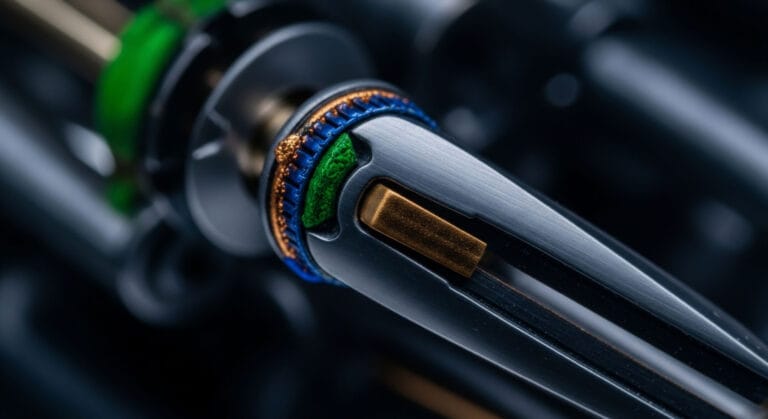
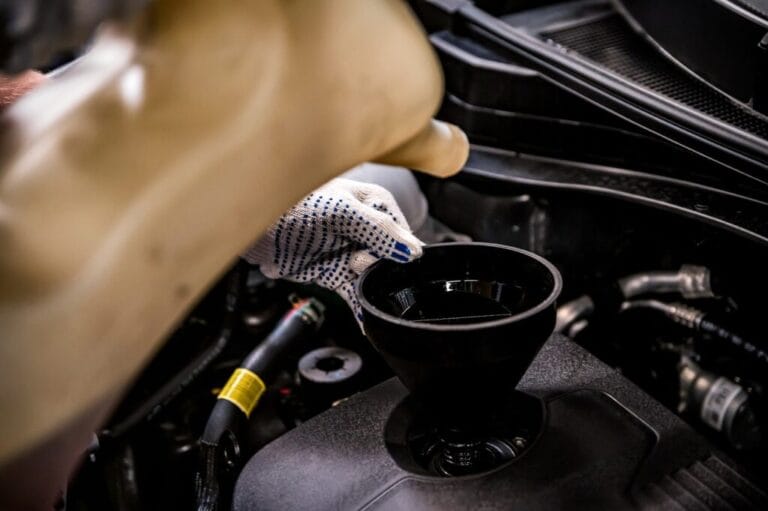
Similar Posts