How to Diagnose Engine Misfires: Complete Guide
Start with a scan tool to pull codes (P0300–P030x). Then swap coils or plugs between cylinders and see if the misfire follows. 90% of random misfires are ignition-related; 8% are fuel; 2% are mechanical.
It Started on a Freezing January Morning
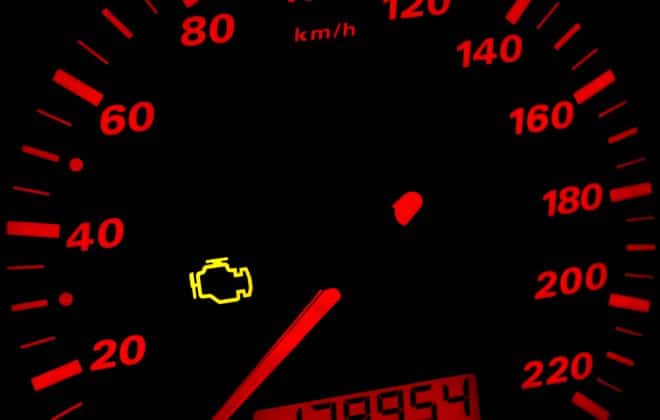
It was 7:42 a.m., 18°F outside, and the shop phone rang. “My Chevy Silverado is shaking like it’s possessed and the check engine light is flashing,” the customer said. I could hear the engine stumbling in the background. He’d already driven 40 minutes to work like that. I told him to pull over immediately—flashing CEL usually means active misfire, and that means unburned fuel is torching the catalytic converter.
By the time his truck rolled in, the cat was already glowing cherry red under the truck. That’s when I knew we were looking at a serious cylinder misfire. I’ve diagnosed hundreds of these over the past 17 years, and while every case is a little different, the process is almost always the same: follow the four basics—air, fuel, spark, and compression—in that order.
Misfire Symptoms: What You’re Actually Feeling
Before you start turning wrenches, know what you’re dealing with. Here are the most common signs I see daily:
- Rough idle that smooths out above 1,500 RPM
- Check engine light (solid or flashing)
- Hesitation or stumbling during light acceleration
- Strong fuel smell from exhaust
- Reduced power / poor fuel economy
- Engine shaking or vibration through steering wheel
- Popping or backfiring through intake/exhaust
Tools You’ll Actually Need (and What You Can Skip)
Must-Have Tools
- OBD-II scan tool with live data (e.g., BlueDriver, Innova 6100, or Autel AL619) – $80–$160
- Basic socket set (3/8″ drive) with 10mm, 13mm, 5/8″ & 13/16″ spark plug sockets
- Inline spark tester (adjustable gap) – $12–$20
- Fuel pressure gauge kit (with Ford/GM adapters) – $40–$70
- Compression tester – $35–$60
- Multimeter (for coil resistance & injector pulse) – $25–$50
Nice-to-Have (Shop Favorites)
- Borescope (for viewing cylinders) – $40–$120
- Coil-on-plug spark tester (no removal needed) – $45
- Current clamp meter (for injector current waveform) – $80+
Step-by-Step: How I Diagnose a Misfire Every Time
Scan for Codes & Freeze Frame Data
Plug in your scan tool and write down all codes. Look for P0300 (random/multiple) or P0301–P0308 (specific cylinder). Freeze frame data tells you at what RPM, load, and temperature the misfire occurred.
Pro Tip:If you only have a P0300 and no P030x, the misfire is happening in more than one cylinder or is intermittent. Focus on common components first (plugs, coils, fuel pressure).
Identify the Misfiring Cylinder(s)
Clear the codes, then drive the vehicle until the misfire reappears and the code sets again. Note which cylinder(s) are flagged. If no specific cylinder code appears, go to the “ignition swap test” next.
Ignition Swap Test (The #1 Time-Saver)
Move the coil (or coil + plug) from the suspect cylinder to a known-good cylinder. Clear codes and drive. If the misfire code moves with the coil/plug, you’ve found the bad part.
Example:P0303 → swap coil from #3 to #5 → code becomes P0305 → bad coil on #3.
Check Fuel Delivery
Hook up a fuel pressure gauge. Key-on pressure should match spec (usually 50–65 psi for most gas engines). Look for pressure drop under load (WOT). A weak pump or clogged filter will cause misfires at higher RPM/load.
Common spec examples:
- GM LS engines: 58–62 psi
- Ford 5.4L Triton: 40–45 psi
- Honda K-series: 50–58 psi
Compression & Leak-Down Test
If ignition and fuel check out, do a compression test. All cylinders should be within 10% of each other. Then do a leak-down test to find whether the leak is valves, rings, or head gasket.
Typical dry compression ranges:
| Engine | Minimum Compression | Max Cylinder Variance |
|---|---|---|
| GM LS1/LS6 | 165–185 psi | 10% |
| Ford 4.6L/5.4L Modular | 150–170 psi | 15% |
| Toyota 2GR-FE | 170–200 psi | 10% |
Common Misfire Culprits by Engine Family
| Engine | Model Years | Most Common Cause | Typical Fix Cost (DIY) |
|---|---|---|---|
| GM 5.3L/6.0L LS | 2007–2020 | Cracked spark plug + carbon tracking | $120–$300 |
| Ford 5.4L 3V Triton | 2004–2010 | Cam phaser rattle + bad coils | $400–$1,200 |
| Chrysler 3.6L Pentastar | 2011–2020 | Rockers falling off + lifter failure | $800–$2,500 |
| Honda 2.4L K24 | 2002–2017 | Bad VTC actuator + stretched timing chain | $300–$900 |
| VW/Audi 2.0T TSI | 2008–2015 | Carbon buildup on intake valves | $600–$1,400 (walnut blasting) |
Cost Breakdown: DIY vs Shop
| Repair | DIY Parts Cost | Shop Cost (Labor + Parts) | Time Estimate (DIY) |
|---|---|---|---|
| Spark plugs (8) + coils (2) | $120–$280 | $550–$950 | 2–4 hours |
| Fuel pump (in-tank) | $180–$350 | $850–$1,400 | 4–7 hours |
| Head gasket (V8) | $400–$800 | $2,200–$4,500 | 18–30 hours |
| Carbon cleaning (GDI) | $50 (DIY walnut media) | $800–$1,600 | 6–10 hours |
FAQ: Real Customer Questions I Hear Every Week
Can I drive with a misfire?
Solid check engine light = probably okay for short distances. Flashing light = do NOT drive. You’ll melt your catalytic converter.
Is it worth fixing an old car with a misfire?
If it’s just plugs/coils, absolutely. If it’s low compression or a head gasket, it depends on the vehicle’s value and your budget. I’ve seen people spend $3k on a 180k-mile truck that was worth $4k.
Why does my misfire go away when it’s warm?
Cold misfires are often ignition-related (weak coil, bad plug). Heat improves coil output and fuel atomization, masking the problem. It’s still there—just harder to feel.
Do I need to replace all coils at once?
On Ford 3-valve engines, yes. On most others, no—but if one fails early, the rest are usually not far behind.
Top How To Diagnose Engine Misfires – Our Picks


Final Thoughts from the Bay
Diagnosing engine misfires is one of the most satisfying jobs in the shop because the process is logical and usually ends in a clear victory. Start with the scan tool, chase the code with a swap test, and only go deeper if you need to. Most misfires are fixed for under $400 in parts if you DIY.
Yes, it can be frustrating when it’s intermittent or when you chase a ghost for two days. But that’s also why we love it. You’re not just throwing parts—you’re solving a puzzle. And when that engine finally runs smooth again, it’s worth every minute under the hood.
Now go grab your scan tool and get to work. Your engine’s waiting.
For more detailed help, check out our guides on P0300 code diagnosis,bad spark plugs, and ignition coil failure.