Transmission Fluid Leak: How to Find & Fix All Common Lea…
A transmission fluid leak happens when automatic transmission fluid escapes through damaged seals, worn gaskets, cracked pans, cooler lines, or transmission housing damage. Fresh ATF appears bright red or pink. Older fluid turns dark brown. Fast diagnosis prevents overheating, clutch damage, and total transmission failure.
Why Transmission Fluid Leaks Matter
Transmission fluid performs several critical jobs. It lubricates gears and bearings. It creates hydraulic pressure for shifting. It removes heat from internal components. It also conditions rubber seals.
Low ATF causes immediate problems. Hydraulic pressure drops quickly. Clutches begin slipping. Internal temperatures rise above 220°F. Friction materials burn rapidly.
Ignoring leaks often causes:
- Delayed gear engagement
- Gear slipping
- Harsh shifting
- Transmission overheating
- Internal clutch damage
- Complete transmission failure
How to Identify Transmission Fluid vs. Other Leaks
Detailed Steps Identify Transmission Fluid vs. Other Leaks
Transmission fluid usually appears red or pink. Engine oil looks brown or black. Coolant appears green, orange, or yellow.
| Fluid Type | Color | Consistency | Smell | Common Location |
|---|---|---|---|---|
| Transmission Fluid | Red/Pink | Thin, slippery | Slight petroleum smell | Center or sides |
| Engine Oil | Brown/Black | Thick | Burnt oil smell | Front engine area |
| Coolant | Green/Yellow/Orange | Watery | Sweet smell | Front radiator area |
Transmission leaks commonly appear:
- Under the transmission pan
- Near axle seals
- At cooler lines
- Between engine and transmission
7 Common Transmission Fluid Leak Points (Complete Diagnostic Guide)
Transmission leaks usually develop at seals, gaskets, cooler lines, or impact-damaged components. Some leaks seep slowly for months. Others empty the transmission within minutes. Identifying the exact leak point prevents unnecessary repairs and helps avoid severe internal damage.
| Leak Source | Typical Location | Repair Difficulty | Avg. Cost Range | Urgency Level |
|---|---|---|---|---|
| Transmission Pan Gasket | Center under vehicle | Easy-Moderate | $75–$350 | Medium |
| Output Shaft Seal | Rear of transmission | Moderate-Hard | $150–$600 | High |
| Input/Front Pump Seal | Front of transmission | Hard | $250–$900 | High |
| Axle/Drive Shaft Seals | Side of transmission | Moderate | $100–$400 | Medium-High |
| Transmission Cooler Lines | Along undercarriage | Easy-Moderate | $100–$300 | High |
| Torque Converter Seal | Inside bell housing | Very Hard | $600–$1,500+ | Critical |
| Transmission Pan (Cracked) | Center under vehicle | Moderate | $150–$500 | Medium |
</div>
Transmission Pan Gasket Leaks
Transmission pan gaskets fail from heat cycling and age. Rubber hardens over time. Cork gaskets shrink. RTV sealers crack when improperly applied.
Overtightened pan bolts also create leaks. Most transmission pan bolts require only 8–14 ft-lb torque. Excess torque warps the pan rail.
Common signs include:
- Fluid dripping from pan edges
- Wet pan perimeter
- Red fluid directly below transmission
Inspect pan bolts evenly. Use a crisscross torque sequence during installation.
Learn more about pan gasket repair procedures before starting a DIY replacement.
Seal Leak Transmission: Input, Output & Axle Seals
Seal Leak Transmission: Details
Transmission seals prevent fluid escape where rotating shafts exit the case. Heat and age slowly harden the rubber sealing lip.
Output shaft seal leaks appear near the driveshaft yoke on RWD vehicles. Dirt contamination accelerates wear. Fluid often spreads along the driveshaft tunnel.
Front pump seal leaks develop between the engine and transmission bell housing. These repairs usually require full transmission removal.
Axle seals leak where CV axles connect to the transmission. Leaks often sling fluid outward onto suspension parts.
Common causes include:
- High mileage
- Excessive heat
- Dry-rotted seals
- Worn shaft surfaces
- Excessive drivetrain vibration
Transmission Cooler Line Leaks
Transmission cooler lines carry hot ATF between the transmission and radiator cooler. Metal lines rust over time. Rubber sections crack from heat exposure.
Leaks commonly appear at:
- Crimp fittings
- Rubber hose connections
- Rusted steel sections
- Cooler fittings
Rapid fluid loss creates major overheating risk. Some transmissions lose several quarts within minutes.
Inspect all lines carefully after winter driving. Road salt accelerates corrosion dramatically.
Torque Converter & Internal Seal Failures
Torque converter seal leaks usually indicate severe wear. Internal bushings and bearings often fail simultaneously.
Symptoms include:
- Fluid leaking from bell housing
- Shudder during acceleration
- Delayed engagement
- Metallic noises
These repairs require transmission removal. Labor often exceeds 6–10 hours.
Rebuilds make more sense when internal clutch damage exists. Replacement transmissions become cost-effective on high-mileage vehicles.
Impact Damage: Cracked Pan or Housing
Impact Damage: Details
Road debris frequently damages transmission pans. Large potholes and curbs crack aluminum housings.
Steel pans may dent before cracking. Aluminum housings usually fracture immediately.
Signs of impact damage include:
- Sudden major fluid loss
- Visible cracks
- Fresh scrape marks
- Fluid immediately after impact
Minor pan damage often allows simple replacement. Cracked transmission housings may require welding or replacement.
Step-by-Step Transmission Fluid Leak Diagnosis
Proper diagnosis starts with identifying the exact leak location before replacing parts. Many leaks spread across the undercarriage while driving. Cleaning the transmission first prevents false diagnosis and unnecessary repairs.
Visual Inspection Protocol
Start with a clean transmission. Spray brake cleaner across the pan, seals, and cooler lines.
Follow these steps:
- Park on clean cardboard overnight
- Identify fluid color and drip location
- Check fluid quantity
- Inspect pan edges carefully
- Look for wet cooler lines
- Examine axle seal areas
Fresh leaks appear shiny and wet. Old leaks collect dirt and grime.
The Talcum Powder / Dye Test Method
Professional shops often use talcum powder during diagnosis. The powder reveals fresh fluid tracks quickly.
Apply powder around suspected leak areas. Run the engine for 10–15 minutes. Fresh fluid leaves clear streaks.
UV dye kits work better for intermittent leaks. Dye becomes visible under blacklight inspection.
Use dye when:
- Leaks appear only while driving
- Multiple leak points exist
- Fluid spreads extensively underneath
Pressure Testing & Professional Diagnosis
Some leaks appear only under hydraulic pressure. Professional shops use transmission pressure testing equipment to identify hidden failures.
Typical diagnostic inspections cost $61–$90.
Ask your mechanic:
- Is the leak external or internal?
- Are seals hardened from overheating?
- Is clutch material visible in fluid?
- Does transmission removal appear necessary?
How to Fix Each Transmission Fluid Leak Source
DIY Transmission Pan Gasket Replacement
Transmission pan gasket replacement remains one of the best DIY transmission repairs. Most jobs require basic hand tools and 1–2 hours.
Tools required:
- Socket set
- Torque wrench
- Plastic scraper
- Drain pan
- Brake cleaner
- New filter kit
- Manufacturer-approved ATF
Step-by-step procedure:
- Raise vehicle safely
- Remove pan bolts gradually
- Drain old fluid
- Remove old gasket material
- Clean mating surfaces thoroughly
- Install new filter
- Position new gasket
- Torque bolts evenly
Most pan bolts require:
8–14 ft-lb8\text{–}14\ \text{ft-lb}
Always confirm factory torque specifications before installation.
Common beginner mistakes include overtightening bolts and warping the pan rail.
Output Shaft Seal & Axle Seal Replacement
Seal replacement difficulty depends on drivetrain layout.
RWD vehicles usually allow easier output shaft seal access. FWD vehicles often require axle removal and suspension disassembly.
Common tools include:
- Seal puller
- Seal driver kit
- Pry bar
- Slide hammer
Seal installation depth matters greatly. Improper depth causes immediate repeat leaks.
After repair:
- Refill ATF carefully
- Start engine
- Shift through all gears
- Recheck fluid level warm
Transmission Cooler Line Repair
Minor rust damage may allow temporary patching. Severe corrosion requires full line replacement.
Use transmission-rated hose only. Fuel hose fails rapidly under ATF heat.
Best practices include:
- Double-clamping rubber sections
- Using flare nut wrenches
- Avoiding sharp bends
- Pressure testing repairs
Professional shops sometimes use bubble testing to identify hidden cracks.
When to Stop DIY and Call a Professional
Some repairs require advanced equipment and transmission removal.
Call a professional for:
- Torque converter leaks
- Front pump seal failures
- Internal clutch damage
- Housing cracks
- Persistent slipping after refill
Review complete seal repair procedures before attempting major seal repairs.
Transmission Fluid Leak Repair Costs (Complete Breakdown)
Transmission leak repair costs vary based on leak location, drivetrain layout, labor access, and internal damage severity. Simple gasket repairs stay affordable. Internal seal or torque converter failures quickly become expensive due to transmission removal labor.
| Repair Type | Parts Cost | Labor Hours | Total Estimate | Vehicle Type Impact |
|---|---|---|---|---|
| Pan Gasket + Filter | $15–$60 | 1–2 hrs | $75–$350 | Minimal |
| External Seal (Accessible) | $10–$50 | 1–3 hrs | $100–$400 | FWD = higher labor |
| Output Shaft Seal | $20–$80 | 2–6 hrs | $150–$900 | AWD/4WD adds complexity |
| Torque Converter | $200–$600 | 6–10 hrs | $800–$1,500+ | All types |
| Full Rebuild (Damage from leak) | $1,500–$3,500+ | 12–20 hrs | $2,500–$7,000 | Luxury/HD trucks higher |
Factors That Increase Repair Costs
Several variables increase transmission repair costs quickly.
Major cost factors include:
- Transverse FWD layouts
- AWD transfer case removal
- Severe overheating damage
- High labor rate regions
- Dealership labor pricing
Leaks ignored for months often destroy clutch packs and valve bodies.
Can Transmission Stop-Leak Additives Work?
Stop-leak additives temporarily soften hardened seals. Some products reduce minor seepage for short periods.
Advantages include:
- Low cost
- Easy application
- Temporary emergency use
Disadvantages include:
- Possible clutch contamination
- Delayed real repairs
- Reduced long-term reliability
Use stop-leak only as a short-term emergency solution.
Symptoms of Low Transmission Fluid From Leaks
Low transmission fluid immediately reduces hydraulic pressure and lubrication. Even minor leaks eventually create severe internal damage. Clutch packs and bands overheat rapidly once fluid levels drop below safe operating range.
Learn more about low fluid problems before permanent damage develops.
Early Warning Signs
Watch for these early symptoms:
- Delayed engagement
- Slipping during acceleration
- Harsh shifting
- Jerking between gears
- Whining noises
- Hesitation into reverse
Most symptoms worsen quickly under heavy load.
Critical Failure Indicators
Critical symptoms indicate severe internal damage.
Warning signs include:
- Transmission overheating light
- Burning fluid smell
- Complete loss of movement
- Metal flakes in fluid
- Severe slipping in multiple gears
Stop driving immediately if these symptoms appear.
Beginner Mistakes That Make Leaks Worse
Installation Errors
Improper installation causes many repeat leaks.
Common mistakes include:
- Double gasketing
- Excess RTV application
- Cross-threaded bolts
- Uneven torque sequence
- Wrong ATF usage
Many transmissions require specific fluids like Dexron VI, Mercon LV, or CVT fluid.
Diagnostic Errors
Misdiagnosis wastes time and money.
Frequent mistakes include:
- Confusing engine oil with ATF
- Ignoring minor seepage
- Replacing wrong components
- Using stop-leak without diagnosis
- Skipping filter replacement
Transmission leaks never fix themselves.
Maintenance Neglect
Poor maintenance accelerates seal wear and fluid breakdown.
Neglect examples include:
- Fluid changes beyond 50,000 miles
- Towing without transmission cooler
- Ignoring small drips
- Overheating the transmission repeatedly
Heat remains the leading cause of seal failure.
Expert Tips for Preventing Future Transmission Fluid Leaks
Preventive maintenance dramatically extends seal life and transmission reliability. Heat control, proper fluid service, and early leak detection reduce expensive repair risk. Most transmission leaks start small before developing into major fluid loss problems.
Maintenance Schedule Optimization
Most vehicles require fluid changes every 30,000–50,000 miles under severe service.
Severe service includes:
- Towing
- Mountain driving
- High temperatures
- Stop-and-go traffic
- Frequent short trips
Always follow manufacturer fluid requirements when choosing correct fluid for service.
Driving Habits That Extend Seal Life
Good driving habits reduce seal stress significantly.
Helpful habits include:
- Warming transmission before towing
- Avoiding aggressive launches
- Maintaining engine cooling system
- Avoiding repeated overheating
Cooler operating temperatures preserve seal flexibility longer.
Early Detection Systems
Early leak detection prevents catastrophic failures.
Recommended practices:
- Monthly undercarriage checks
- Overnight cardboard testing
- Regular fluid level inspection
- Immediate repair of minor seepage
Small leaks become major failures surprisingly fast.
FAQ: Voice Search & People Also Ask Optimization
These answers target common Google voice search and AI Overview queries related to transmission fluid leak diagnosis, repair, cost, and driving safety.
Can I drive with a transmission fluid leak?
Short answer: Briefly and cautiously to a repair shop, but not safely for extended periods. Fluid loss causes hydraulic pressure drop, leading to clutch slippage and catastrophic overheating.
How do I know if my transmission pan gasket is leaking?
Look for red fluid pooling directly under the center of your vehicle. The pan gasket leak often shows as seepage along the pan perimeter, especially after the engine has warmed up and ATF has expanded.
What does it cost to fix an output shaft seal leak?
Output shaft seal leak repair typically costs $150–$600 for parts and labor. Front-wheel-drive vehicles often require more disassembly, pushing costs toward the higher end. All-wheel-drive adds transfer case complexity.
Why is my transmission leaking fluid after a fluid change?
Common causes include loose drain plug, damaged pan gasket during installation, overfilled transmission, or disturbed old seals already near failure.
How long does transmission seal replacement take?
Accessible external seals usually require 1–3 hours. Output shaft and front pump seals needing transmission removal typically require 4–8 hours. Torque converter seal repairs often require 6–10 hours.
Is a transmission fluid leak serious?
Yes. Even slow leaks reduce lubrication and hydraulic pressure over time. Rapid leaks can destroy a transmission within minutes of driving.
What’s the difference between a transmission pan leak and a seal leak?
A pan leak develops at the transmission pan gasket or drain plug underneath the vehicle center. Seal leaks occur around axle shafts, input shafts, or output shafts where drivetrain components connect.
When to Repair vs. Replace Your Transmission
Transmission repair makes sense when leaks remain external and internal damage stays minimal. Replacement becomes smarter when clutch damage, overheating, and slipping already exist. Vehicle value and mileage also strongly influence the final decision.
Cost-Benefit Analysis Framework
Use these factors before approving major repairs:
- Vehicle resale value
- Current mileage
- Transmission condition
- Repair estimate size
- Warranty coverage
Remanufactured transmissions often cost less long-term than repeated repairs on severely damaged units.
Warning Signs That Leak Has Caused Internal Damage
These symptoms indicate major internal wear:
- Metal shavings in pan
- Burnt ATF smell
- Multiple slipping gears
- Delayed engagement after refill
- Persistent overheating
Internal damage usually requires rebuild or replacement.
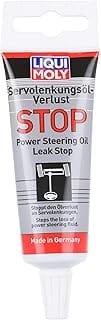
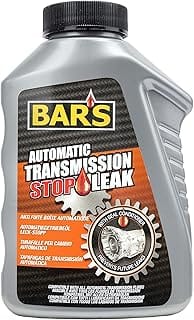
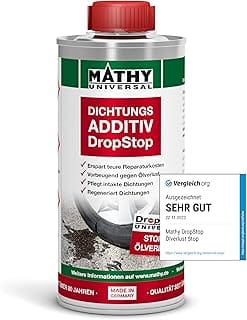
Top Transmission Fluid Leak – Our Picks
You might also like: Flywheel Resurfacing vs. Replacement: Which Should You Do?, Clutch Adjustment Guide: Cable & Self-Adjusting Clutches, Cable vs Hydraulic Clutch: Which System Is Better for Your Car?
Related: P0442 EVAP leak