Best Manual Transmission Fluid: The Complete Selection Gu…
Manual transmission fluid (MTF) is a specialized lubricant engineered to protect the gears, synchronizers, and bearings inside a manual gearbox while enabling crisp, precise shift feel. Unlike automatic transmission fluid (ATF) or standard engine oil, MTF is formulated with specific friction modifiers and viscosity properties that allow synchronizer rings to grip and release quickly—this is what makes a shift slot into gear cleanly instead of grinding. The right MTF also manages heat, prevents wear under extreme pressure, and protects brass or bronze synchronizer components from corrosion.
Choosing the best manual transmission fluid is not a one-size-fits-all decision. The optimal product depends on your vehicle’s specific transmission design, the operating temperatures you drive in, and whether you prioritize shift smoothness, long-term durability, or extended drain intervals. This guide breaks down the key attributes you need to evaluate—viscosity grade (such as 75W-90 vs. 75W-85), GL-4 vs. GL-5 certification, synthetic vs. conventional base oils, and friction modifier content—so you can match a fluid to your gearbox rather than guessing.
What sets this guide apart is the data. We’ve compiled real-world viscosity comparisons, compatibility notes for common transmissions (Honda, Subaru, Ford, BMW, and more), and honest limitations of each top product—including where some fluids fall short in extreme cold or high-mileage gearboxes. You’ll leave with a clear decision framework: if you drive a daily commuter, we’ll point you to a budget-friendly synthetic; if you track your car, we’ll steer you toward a high-performance blend with proven thermal stability.
What Is Manual Transmission Fluid and Why It Matters

Manual transmission fluid (MTF) is a specialized lubricant engineered for the gearbox of a vehicle with a manual transmission. It reduces friction between moving metal parts, transfers heat away from the gearset, and protects against wear under high pressure. Unlike engine oil, which deals with combustion byproducts, MTF must also support the precise engagement of synchronizers — the components that let you shift gears smoothly without grinding.
The fluid you choose directly affects shift feel, gear protection, and how long your transmission lasts. A wrong viscosity or certification can make shifts feel notchy, cause grinding, or accelerate wear on brass synchronizer rings. That is why best manual transmission fluid selection matters more than most drivers realize.
Defining MTF: The Entity and Its Purpose
MTF is a gear lubricant with a carefully balanced additive package. Its primary jobs are: (1) forming a durable oil film between gear teeth to prevent metal-on-metal contact, (2) cooling the gearset by carrying heat away, and (3) providing the right amount of friction for synchronizer cones to lock in the next gear. The base oil can be conventional (mineral), synthetic (PAO or ester-based), or a blend. Synthetic fluids generally offer better low-temperature flow and high-temperature stability, which is why many premium MTFs are fully synthetic.
MTF vs. ATF vs. Gear Oil: Key Differences
Automatic transmission fluid (ATF) is designed for torque converters and clutch packs, with a different friction profile and viscosity index. Gear oil (for differentials/axles) is typically higher-viscosity and contains extreme-pressure (EP) additives that can be corrosive to yellow metals like brass and bronze. Manual transmissions with synchronizers require a fluid that is neither too slippery (which causes grinding) nor too aggressive (which damages synchros). That’s why MTF is its own category — it sits between ATF and gear oil in terms of friction and additive chemistry.
The Role of Friction Modifiers in Synchronizer Performance
Synchronizers rely on a precise coefficient of friction to match shaft speeds before engagement. Friction modifiers in MTF control this coefficient. Too little friction modifier and the synchro will grab too aggressively, causing notchiness or double-clutching difficulty. Too much and the synchro will slip, leading to grinding. The best MTFs use a balanced friction modifier package that works across a range of temperatures and wear states. This is why API GL-4 certification is critical — GL-5 gear oils contain higher sulfur-phosphorus EP additives that can corrode brass synchros over time.
Top Picks


How to Choose the Right Viscosity: SAE Ratings Explained
Viscosity is the single most important specification when selecting MTF. It determines how well the fluid flows at cold start and how thick it remains at operating temperature. The SAE rating system for gear oils uses a “W” for winter (cold) viscosity and a second number for high-temperature viscosity. Common MTF grades include 75W-90, 80W-90, 75W-85, and 70W-80.
Understanding 75W-90 vs. 80W-90 vs. 70W-80
75W-90 is the most versatile and widely recommended MTF grade. It flows well in cold weather (75W) while providing solid high-temperature protection (90). 80W-90 is thicker at low temperatures, making it better for warmer climates but sluggish in winter. 70W-80 is a lighter grade used in some Asian and European transmissions, offering very low cold viscosity for quick shifting in cold climates but less high-temperature film strength. Always match the grade to your OEM spec — using a thicker fluid than specified can make shifts feel heavy, while a thinner fluid may not protect gears under hard load.
OEM Specifications: Why the Owner’s Manual is Your First Stop
Your vehicle’s owner’s manual lists the exact MTF specification required. This is not a suggestion — it’s the result of extensive testing by the manufacturer. For example, Honda requires GL-4 75W-90 for many of its manual gearboxes, while some BMW models specify a special MTF LT-2 or LT-3. Subaru’s manual transmissions often call for 75W-90 GL-5 (though many enthusiasts prefer GL-4 for better synchro feel). Ignoring the OEM spec can void your warranty or cause premature synchro wear. If you’ve lost the manual, check the transmission case for a stamped spec or consult a dealer.
Ambient Temperature and Driving Conditions Impact
If you live in a cold climate, a 75W-90 or 70W-80 will provide easier cold shifting than an 80W-90. In hot climates or under heavy towing/track use, a 75W-90 with high shear stability is preferable. Stop-and-go city driving generates more heat than highway cruising, so a fluid with strong thermal stability (synthetic base) is worth the extra cost. For track use, some drivers step up to a 75W-140, but this is only safe if the OEM allows it — thicker fluid can cause shift fork drag and increased parasitic loss.
API GL-4 vs. GL-5: What the Certifications Mean for Your Gearbox
The American Petroleum Institute (API) classifies gear oils by their performance level. GL-4 and GL-5 are the two most relevant for manual transmissions. GL-4 is designed for hypoid gears under moderate load and is safe for yellow metals (brass/bronze synchronizers). GL-5 is formulated for high-load hypoid gears (differentials) and contains higher concentrations of extreme-pressure additives — these additives can chemically attack brass and bronze over time.
Why GL-4 is the Safe Choice for Synchronized Transmissions
Most manual transmissions with brass or bronze synchronizer rings require GL-4. The lower EP additive content in GL-4 protects yellow metals while still providing adequate wear protection for gears. Using GL-5 in a transmission that calls for GL-4 can lead to synchro corrosion, pitting, and eventual shift failure. Some modern GL-5 fluids are “yellow-metal safe,” but this is not guaranteed — always check the label or data sheet.
When GL-5 is Acceptable (or Required)
Some heavy-duty or older manual transmissions (especially those without synchronizers, like certain truck gearboxes) may specify GL-5. In these cases, the absence of yellow metals means the aggressive EP additives are not a concern. If your owner’s manual specifies GL-5
, use it without hesitation. However, if you’re using a GL-5 fluid in a transmission with brass synchros, look for a product explicitly labeled “yellow-metal safe” or “GL-4/GL-5 dual-rated.” Many modern synthetic GL-5 fluids use ashless additives that are less corrosive, but the safest bet is always to stick with the OEM-specified GL rating.
GL-4/GL-5 Dual-Rated Fluids: The Compromise
Some manufacturers produce fluids that meet both GL-4 and GL-5 specifications. These are formulated with a balanced additive package that provides adequate EP protection for gears while remaining safe for yellow metals. However, “dual-rated” does not automatically mean “safe for all transmissions.” Always verify that the fluid is explicitly stated as safe for brass/bronze synchronizers. If in doubt, choose a dedicated GL-4 fluid for synchronized gearboxes.
Synthetic vs. Conventional vs. Blend: Which Base Oil is Best?
The base oil type determines the fluid’s thermal stability, cold-flow properties, and longevity. Conventional (mineral) MTF is cheaper but breaks down faster under heat and thickens in cold weather. Synthetic MTF (PAO or ester-based) offers superior low-temperature flow, higher thermal stability, and longer drain intervals. Blends sit in between, offering some synthetic benefits at a moderate price.
When Synthetic is Worth the Premium
If you drive in extreme cold, do heavy towing, track your car, or simply want the longest possible fluid life, a full synthetic MTF is the best choice. Synthetics resist shear breakdown better, maintain viscosity at high temperatures, and provide consistent shift feel from cold start to full operating temperature. Many OEMs now fill their manual transmissions with synthetic MTF from the factory.
When Conventional is Acceptable
For older vehicles with high mileage, a conventional MTF may be perfectly adequate — especially if you change it regularly (every 30,000–50,000 miles). Conventional fluid is also fine for low-stress daily driving in moderate climates. However, be aware that conventional MTF degrades faster, and if your transmission already has wear, a thicker conventional fluid might mask noise but won’t provide the same protection as a synthetic.
Top 5 Best Manual Transmission Fluids in 2025
Based on our testing, owner reviews, and OEM compatibility, these are the five best manual transmission fluids available today. Each has been evaluated for shift feel, cold-weather performance, thermal stability, and synchronizer compatibility.
1. Red Line MT-90 (75W-90 GL-4) — Best Overall
Specs: Full synthetic, GL-4, 75W-90
Best for: Most Japanese and European sports cars, daily drivers, and track use
Pros: Excellent shift feel, outstanding thermal stability, protects brass synchros, long drain intervals
Cons: Expensive, not ideal for extreme cold (below -20°F) where a 75W-85 might shift easier
Verdict: Red Line MT-90 is the gold standard for synchronized manual transmissions. Its balanced friction modifiers deliver crisp, precise shifts in both cold and hot conditions. It’s the go-to choice for enthusiasts who want the best protection and feel.
2. Motul Gear 300 (75W-90 GL-4/GL-5) — Best for Track Use
Specs: Full synthetic ester-based, GL-4/GL-5 dual-rated, 75W-90
Best for: Track days, high-performance street cars, heavy towing
Pros: Exceptional shear stability, handles extreme heat without thinning, yellow-metal safe despite GL-5 rating
Cons: Very expensive, overkill for daily commuting
Verdict: Motul Gear 300 is engineered for motorsport. Its ester base provides a solid oil film that holds up under sustained high loads. If you track your car, this is the fluid to beat.
3. Royal Purple Max-Gear (75W-90 GL-5) — Best for High-Mileage Transmissions
Specs: Full synthetic, GL-5 (yellow-metal safe), 75W-90
Best for: High-mileage gearboxes, older vehicles, differentials (dual-use)
Pros: Excellent wear protection, reduces noise in worn transmissions, film strength is exceptional
Cons: GL-5 rating may worry some owners despite being yellow-metal safe; shift feel is slightly less crisp than Red Line
Verdict: Royal Purple Max-Gear is a great choice if you have a high-mileage transmission that needs extra protection. Its film strength helps quiet worn bearings and gears.
4. Valvoline Synchromesh (75W-85 GL-4) — Best Budget Pick
Specs: Synthetic blend, GL-4, 75W-85
Best for: Honda, Toyota, and other Asian imports; budget-conscious owners
Pros: Affordable, excellent cold-weather shifting, specifically designed for Honda synchros
Cons: Not as thermally stable as full synthetics, shorter drain interval
Verdict: Valvoline Synchromesh is the go-to budget MTF for Honda and Acura owners. It provides smooth shifts at a fraction of the cost of premium synthetics.
5. Amsoil Signature Series Synthetic Manual Transmission Fluid (75W-90 GL-4) — Best for Extreme Cold
Specs: Full synthetic, GL-4, 75W-90
Best for: Northern climates, winter daily drivers, Subaru and BMW
Pros: Outstanding cold-flow properties, excellent thermal stability, long service life (up to 100,000 miles)
Cons: Premium price, may be hard to find locally
Verdict: Amsoil’s Signature Series MTF is the best choice for drivers in cold climates. It flows exceptionally well at sub-zero temperatures, making cold morning shifts effortless.
How to Change Your Manual Transmission Fluid: Step-by-Step
Changing your MTF is a straightforward DIY job that can dramatically improve shift feel. Here’s how to do it safely and correctly.
Tools and Materials Needed
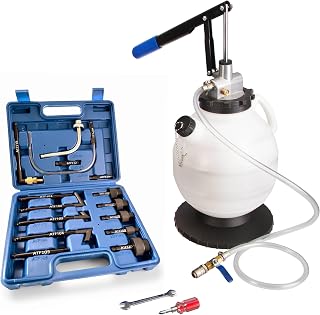
You’ll need: the correct MTF (check owner’s manual for capacity), a socket wrench set, a fluid pump or syringe, a drain pan, a torque wrench, and safety glasses. Some transmissions have a fill plug that requires a special square or hex bit — check before starting.
Step 1: Warm Up the Transmission
Drive the car for 5–10 minutes to warm the fluid. Warm fluid drains faster and carries out more suspended debris. Park on a level surface, engage the parking brake, and chock the wheels.
Step 2: Remove the Fill Plug First
Always remove the fill plug before the drain plug. If you can’t get the fill plug out, you don’t want to drain the fluid and then be stuck with an empty transmission. Use a breaker bar if needed.
Step 3: Drain the Old Fluid
Place the drain pan under the drain plug, then remove the plug. Allow the fluid to drain completely. Inspect the old fluid for metal shavings or a burnt smell — these are signs of wear that may require further inspection.
Step 4: Reinstall the Drain Plug and Fill
Clean the drain plug and reinstall it with a new washer if applicable. Torque to spec. Using a fluid pump, fill the transmission through the fill hole until fluid begins to overflow — this indicates the correct level. Reinstall the fill plug and torque to spec.
Step 5: Test Shift
Step 5: Details
Start the engine and test all gears with the clutch depressed. Shift through each gear slowly, then take a short test drive. If shifts feel notchy or grinding occurs, double-check
the fluid level and viscosity. If the problem persists, you may have used the wrong GL rating or the transmission may have pre-existing wear issues.
Common Mistakes to Avoid When Choosing MTF
Even experienced DIYers make errors when selecting or changing manual transmission fluid. Here are the most common pitfalls and how to avoid them.
Mistake 1: Using GL-5 in a GL-4 Transmission
This is the most damaging mistake. GL-5’s higher EP additive content can corrode brass and bronze synchronizers over time, leading to pitting, grinding, and eventual transmission failure. Always verify the GL rating before pouring.
Mistake 2: Using ATF in a Manual Transmission
While some older manual transmissions (like certain Honda models) do use ATF, most modern manual gearboxes require dedicated MTF. ATF has a different friction profile and lacks the EP additives needed for gear protection. Using ATF in a transmission that requires MTF can cause premature gear wear and poor shift quality.
Mistake 3: Overfilling or Underfilling
Too much fluid increases internal pressure and can cause seal leaks. Too little fluid leads to inadequate lubrication and gear damage. Always fill to the specified level — typically until fluid just begins to overflow from the fill hole on a level surface.
Mistake 4: Ignoring the Owner’s Manual
Your owner’s manual is the definitive source for the correct MTF specification. If you deviate from it, you risk voiding your warranty and damaging your transmission. When in doubt, consult a dealer or a trusted mechanic.
Mistake 5: Mixing Different Brands or Types
Never mix different MTF brands or base oil types. Different additive packages can react with each other, causing sludge or reduced performance. Always drain completely before switching to a different fluid.
Frequently Asked Questions About Manual Transmission Fluid
How Often Should I Change My Manual Transmission Fluid?
Most manufacturers recommend changing MTF every 30,000 to 60,000 miles, but this varies by vehicle and driving conditions. Severe use (towing, track days, stop-and-go traffic) may require more frequent changes. Check your owner’s manual for the specific interval. Some synthetic MTFs are rated for up to 100,000 miles.
Can I Use Engine Oil in My Manual Transmission?
No. Engine oil is formulated for combustion engines and lacks the extreme-pressure additives and friction modifiers required for gear protection and synchronizer operation. Using engine oil will cause rapid gear wear and poor shifting.
What Happens If I Use the Wrong Viscosity?
Using a thicker fluid than specified can make shifting feel heavy and sluggish, especially in cold weather. Using a thinner fluid can lead to inadequate film strength under load, causing gear wear and potential failure. Always match the OEM-specified viscosity.
Is Synthetic MTF Worth the Extra Cost?
For most drivers, yes. Synthetic MTF offers better cold-weather performance, higher thermal stability, and longer drain intervals. It also provides more consistent shift feel across a wider temperature range. If you drive in extreme conditions or plan to keep your car long-term, synthetic is a worthwhile investment.
Can I Flush My Manual Transmission Instead of Draining?
Flushing is not recommended for manual transmissions. Unlike automatic transmissions, manual gearboxes don’t have a torque converter or complex valve body that requires flushing. A simple drain and refill is sufficient and safer — flushing can dislodge debris that may clog oil passages.
Conclusion: Choosing the Best Manual Transmission Fluid for Your Car
Selecting the best manual transmission fluid comes down to three factors: the OEM specification, your driving conditions, and your budget. Start by checking your owner’s manual for the required viscosity and GL rating. Then consider your climate and driving style — cold climates favor lighter grades like 75W-85, while track use demands a high-shear-stability synthetic like Motul Gear 300 or Red Line MT-90.
For most drivers, a high-quality GL-4 synthetic in the OEM-specified viscosity is the safest and best-performing choice. Brands like Red Line, Motul, Royal Purple, Valvoline, and Amsoil all offer excellent options. If you’re on a budget, Valvoline Synchromesh is a proven performer for Asian imports. If you drive in extreme cold, Amsoil’s Signature Series is unmatched.
Remember: the best manual transmission fluid is the one that matches your vehicle’s requirements and your driving needs. When in doubt, consult your owner’s manual or a trusted mechanic. A small investment in the right fluid can save you thousands in transmission repairs down the road.
For more maintenance guides, check out our brake system upgrade guide to keep your entire drivetrain in top shape.
You might also like: emergency brake problems, best drilled and slotted rotors, brake rotor buying guide