Wheel Bearing vs Brake Rotor Noise: How to Tell the Diffe…
Your car’s making a grinding, humming, or growling noise—but is it the wheel bearing or the brake rotor? Misdiagnosing this costs $200–$800 in unnecessary repairs. Here’s how to pinpoint the problem in 5 minutes with a flashlight and a jack.
Why Does My Car Make a Grinding Noise When Driving?
A failing wheel bearing or warped brake rotor causes 90% of grinding noises. Wheel bearings hum or growl at 40–60 mph, while rotors grind or pulse when braking. Lift the car and spin the wheel—a rough, uneven rotation means a bad bearing. A metallic scrape when braking points to rotors.
⚠️ **Never ignore grinding noises.** A seized wheel bearing can **lock your wheel at highway speeds**, causing a crash. A warped rotor reduces braking power by **30–50%**.
Top Picks


How Can I Tell If the Noise Is From the Wheel Bearing or Brake Rotor?
Wheel bearings create a constant hum or growl that gets louder with speed. Brake rotors grind or squeal only when braking. Test by driving at 30 mph, then coasting—if the noise stops when you lift off the brake, it’s the rotor or pads. If it continues, it’s the bearing.
Insider Tip: Use a mechanic’s stethoscope or a long screwdriver pressed to the wheel hub. A clicking or rumbling sound confirms a bad bearing.
What Does a Bad Wheel Bearing Sound Like?
A bad wheel bearing makes a low, growling, or humming noise that increases with speed. It often sounds like a airplane taking off or a distant thunder. The noise may disappear when turning (e.g., louder on left turns = right bearing failure).
Specs to Check:
- Bearing play: Lift the car, grab the tire at 12 and 6 o’clock, and wiggle. Any movement > 0.010 inches means replacement.
- Torque specs: Wheel bearing hub nuts require 90–120 ft-lbs (check your service manual).
💡 **Pro Tip:** Spray **brake cleaner** on the hub after removing the wheel. If the noise temporarily stops, the bearing is dry and failing.
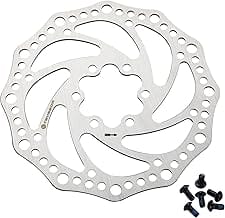
What Does a Warped Brake Rotor Sound Like?
A warped rotor causes a pulsing or grinding noise when braking. You’ll also feel vibration in the pedal or steering wheel. Warping happens from overheating (excessive braking) or uneven torque (lug nuts tightened to 80–100 ft-lbs instead of 70–90 ft-lbs).
Specs to Check:
- Rotor thickness: Use a micrometer—replace if below minimum thickness (stamped on the rotor, e.g., 20mm).
- Lateral runout: Measure with a dial indicator. > 0.002 inches means resurfacing or replacement.
<div class=’info-box’>
ℹ️ **Fun Fact:** Rotors warp **10x faster** if you park with the **parking brake engaged** on a hot day. Always release it after cooling.
</div>
Wheel Bearing vs Brake Rotor Noise: Quick Comparison
| Feature | Wheel Bearing Noise | Brake Rotor Noise |
|---|---|---|
| Sound Type | Humming, growling, rumbling | Grinding, squealing, pulsing |
| When It Occurs | Constant, worsens with speed | Only when braking |
| Speed Range | 40–60 mph | Any speed (when braking) |
| Vibration | Steering wheel or seat | Brake pedal or steering wheel |
| Test Method | Lift car, spin wheel, listen/wiggle | Check rotor thickness/runout |
| Repair Cost | $200–$400 per wheel (labor intensive) | $100–$300 per axle (rotor/pad replacement) |
Step-by-Step: How to Diagnose the Noise Yourself
Tools Needed:
- Jack and jack stands (rated for 3+ tons)
- Lug wrench (19mm or 21mm)
- Mechanic’s stethoscope or screwdriver
- Dial indicator (for rotors)
- Torque wrench (20–150 ft-lbs range)
Safety First:
- Always use jack stands—never work under a car supported only by a jack.
- Wear gloves and eye protection—brake dust contains asbestos in older cars.
Step 1: Test Drive for Noise Patterns
- Drive at 30–50 mph on a quiet road.
- Coast without braking—if noise continues, suspect the bearing.
- Brake lightly—if noise appears, suspect the rotor or pads.
Step 2: Lift and Inspect the Wheels
- Loosen lug nuts (but don’t remove) with the car on the ground.
- Jack up the car and secure it on jack stands.
- Remove the wheel and inspect the brake rotor for grooves, cracks, or uneven wear.
- Spin the wheel by hand—listen for grinding (rotor) or rumbling (bearing).
Step 3: Check for Bearing Play
- Grab the tire at 12 and 6 o’clock and wiggle vigorously.
- Any movement = bad bearing.
- Repeat at 3 and 9 o’clock to check for loose ball joints or control arms.
Step 4: Measure Rotor Runout (Advanced)
Step 4: Details
- Mount a dial indicator on the suspension.
- Set the tip on the rotor surface.
- Spin the rotor—> 0.002 inches of runout means resurfacing or replacement.
<div class=’safety-box’>
⚠️ **Critical Hazard:** If the **wheel bearing seizes**, the wheel can **lock up at speed**, causing a **loss of control**. Replace **immediately** if you detect play or noise.
</div>
How Much Does It Cost to Fix Wheel Bearing or Brake Rotor Noise?
| Issue | Part Cost | Labor Cost | Total (Per Wheel/Axle) |
|---|---|---|---|
| Wheel Bearing | $50–$150 | $150–$250 | $200–$400 |
| Brake Rotor | $30–$100 | $70–$200 | $100–$300 |
| Brake Pads | $20–$80 | $50–$100 | $70–$180 |
Insider Tip: Buy timken or SKF bearings—they last 2x longer than cheap alternatives. For rotors, centric or brembo offer the best heat dissipation.
Can I Drive with a Noisy Wheel Bearing or Warped Rotor?
No. A failing wheel bearing can seize without warning, causing a wheel lockup. A warped rotor reduces braking efficiency by up to 50%, increasing stopping distances.
Temporary Fixes (Use at Your Own Risk):
- Wheel bearing: Repack with grease (buys 1–2 weeks max).
- Brake rotor: Resurface if thickness allows (but never turn below minimum spec).
FAQs About Wheel Bearing and Brake Rotor Noise
1. Why does my car hum at high speeds?
A hum at 40–60 mph is classic for a failing wheel bearing. The noise increases with speed because the bearing’s roller elements vibrate more as RPMs rise.
2. Can a bad wheel bearing cause vibration in the steering wheel?
Yes. A worn bearing creates uneven resistance, causing vibrations at 50+ mph. This often feels like a rough road or unbalanced tire.
3. How long can I drive with a grinding brake rotor?
Stop driving immediately. A metal-on-metal grind means your brake pads are gone, and the rotor is scoring. Continuing can warp the rotor beyond repair and damage the caliper.
4. What’s the easiest way to confirm a bad wheel bearing?
4. Understanding’s the easiest way to confirm a bad wheel bearing?
Lift the car, spin the wheel, and listen. A rumbling or growling noise confirms a bad bearing. For extra certainty, use a stethoscope—a clicking or grinding sound is a dead giveaway.
A grinding, humming, or growling noise is your car’s way of saying “Fix me now.” Wheel bearings and brake rotors won’t heal themselves—and ignoring them leads to costly repairs or accidents.
Start with a 5-minute test drive and inspection. If you’re unsure, a $50 diagnostic at a trusted shop beats guessing. Replace bearings in pairs (both sides) and always torque lug nuts to spec (usually 80–100 ft-lbs).
Pro Tip: Keep a spare wheel bearing and rotor in your garage. They’re cheaper online (e.g., RockAuto, Amazon) than at a dealership.
Final Thought: Your car’s noises are clues. Learn to decode them, and you’ll save thousands over the life of your vehicle.
Need a deeper dive? Check out our guides on how to replace a wheel bearing or rotor resurfacing vs replacement. Got a noise we didn’t cover? Drop a comment below—we reply to every question!
You might also like: Sticky Brake Caliper Symptoms: Diagnosis Guide, Electronic Brake Force Distribution (EBD): Explained, ABS Sensor Cleaning: Remove Metal Shavings
Related: bellhousing alignment
Related: ABS Module Repair vs Replacement: Which to Choose
Related: Brake Light On But Brakes Work Fine: Why?
Related: Brake Caliper Rebuild vs Replace: Which Is Better?
Related: Brake Caliper Replacement Guide: Front & Rear
Related: Brake Line Replacement Guide: Steel & Rubber Lines
Related: 0W-20 vs 5W-30
Related: Can You Disable ABS for Off-Road? Safety, Risks, and How
Related: How ABS Works: Anti-Lock Braking Explained
Related: DOT 3 vs DOT 4 vs DOT 5
Related: ABS Light On: Causes and Reset Procedure
Related: Brake Fluid Color Chart: What Each Color Means
Related: Brake Fluid Leak Diagnosis: How to Find the Source Like a Pro
Related: ABS Brake Brake Bleeding Procedure: Special Steps Needed
Related: Stainless Steel Brake Lines: Worth the Upgrade?
Related: Anti-Squeal Brake Shims: Do They Really Stop Brake Noise?
Related: Brake Warning Light On Dashboard: What It Means
Related: Front Brakes Locking Up — Here’s What’s Really Going On
Related: Brake Squeal When Stopping: Causes & Solutions
Related: ABS vs Non-ABS Braking: Safety Comparison
Related: Brake Booster Replacement: Power Brake Service Guide
Related: Brake Proportioning Valve
Related: Brake Line Flaring Tool: How to Make Brake Lines
Related: Brake Caliper Piston Seal Kit: Rebuild Procedure
Related: Best Brake Caliper Grease: High-Temp Lubricant Guide
Related: Brake Bleeding Methods: Gravity, Pressure, Vacuum — Which One Actually Works?
Related: How to Check Brake Fluid Level: Quick Guide
Related: Low Brake Fluid Symptoms: Warning Signs
Related: Brake Fluid Moisture Contamination: Problems & Fix
Related: Gravity Brake Bleeding: Easiest DIY Method
Related: Pressure Bleeder for Brake Flush: How to Use
Related: Vacuum Brake Bleeding Tool: Worth Buying?
Related: Brake Bleeding Sequence: Correct Order by Vehicle (RR LR RF LF Explained)
Related: Brake Master Cylinder Replacement: DIY Guide
Related: Brake Master Cylinder Failure Symptoms: Warning Signs
Related: Brake Master Cylinder Leak: Internal vs External
Related: How to Compress a Brake Caliper: The Ultimate Piston Tool Guide
Related: Brake Caliper Slide Pin Maintenance: Lubrication Guide
Related: Rear Brake Caliper Piston Tool: Which Type Do You Actually Need?
Related: Brake Line Fitting Types: Metric vs SAE Flares
Related: Squeaking Brakes: Causes and How to Fix
Related: Grinding Brakes: Is It Safe to Drive?
Related: Brake Grinding Noise: Metal-on-Metal Sound Fix
Related: New Brake Pads Squeaking: Break-In or Problem?
Related: Soft Brake Pedal After Bleeding: Common Mistakes
Related: Air in Brake Lines: Symptoms and Removal
Related: Brake Pedal Goes to Floor: Emergency Diagnosis
Related: Pulsating Brake Pedal: Vibration When Braking
Related: Brake Pedal Vibration at High Speed: Is It a Warped Rotor or Something Worse?
Related: Rear Brakes Locking Up: Common Causes
Related: Brakes Grinding When Not Applied: Is It the Backing Plate or Something Worse?
Related: Brake Backing Plate Bent: Scraping Noise Fix
Related: Brake Smell After Driving: Burning Odor Causes
Related: Overheating Brakes: Causes and Prevention
Related: Brake Fade: Loss of Braking Power Explained
Related: Brake Rotor Damage from Grinding: Can It Be Fixed?
Related: Brake Caliper Won’t Compress: Stuck Piston Fix
Related: One Brake Pad Wearing Faster: Uneven Wear Causes
Related: Brake Noise After Tire Rotation: Why It Happens
Related: Loose Brake Caliper Bolts: Dangerous Rattle
Related: Brake Pad Anti-Rattle Clips: Installation & Purpose
Related: Brake Booster Failure Symptoms: Hard Pedal & More
Related: ABS System Problems: Common Issues & Diagnosis
Related: Brake Booster Vacuum Leak: Hissing Sound Diagnosis
Related: ABS Wheel Speed Sensor Replacement: DIY Guide
Related: ABS Pump Motor Failure: 5 Warning Signs Your Brakes Are Screaming for Help
Related: ABS on Ice and Snow: Does It Help or Hurt?
Related: Brake Assist System: Emergency Braking Technology
Related: ABS Sensor Reluctor Ring Damage: Tooth Missing — Complete Repair Guide
Related: Brake Dust Shield Rubbing on Rotor: Quick Fix
Related: Brake Noise Over Bumps: Clunking & Rattling
Related: Brakes Locking Up: Causes and Solutions
Related: ABS module problems
Related: Brake Fluid Level Sensor Faulty: False Warning
Related: Brake Fade on Mountain Roads: Prevention Tips
Related: Brakes Smoking After Driving: Overheating Issue
Related: oil change Honda Civic
Related: oil change Ford F-150
Related: oil change Toyota Corolla
Related: oil change Nissan Altima
Related: oil change VW Jetta
Related: oil change Audi A4
Related: oil change BMW 3 Series
Related: oil change Mercedes C-Class
Related: oil change Mazda CX-5
Related: oil change Porsche Cayenne
Related: oil change Hyundai Sonata
Related: oil change Dodge Ram 1500
Related: oil change Mitsubishi Outlander
Related: best conventional motor oil
Related: oil viscosity chart
Related: how to read oil labels
Related: P0171 lean code
Related: P0300 misfire code